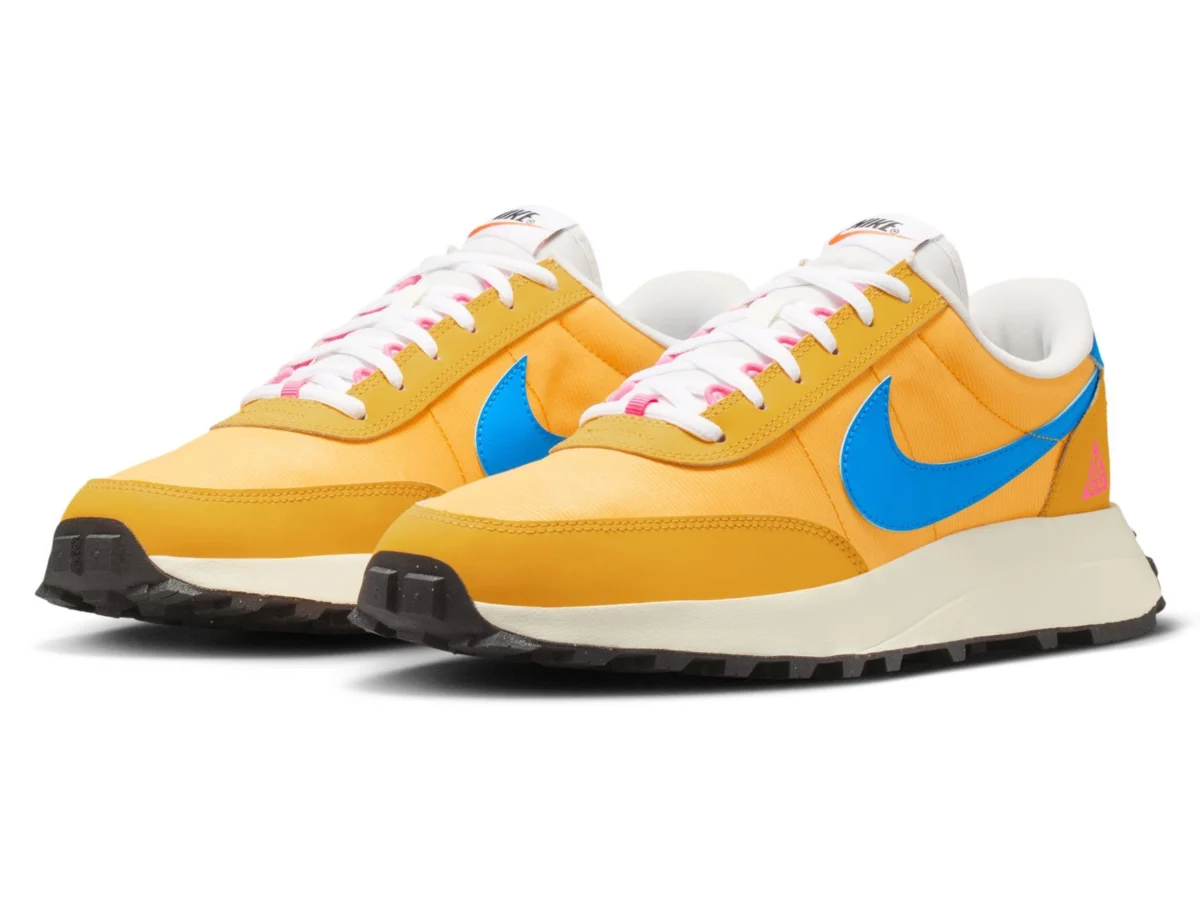
The intersection of heritage mountaineering and contemporary technical footwear has reached a new milestone with the re-introduction of the Nike ACG LDV Trail. In a strategic move to capture both the performance outdoor market and the burgeoning "gorpcore" lifestyle segment, Nike’s All Conditions Gear (ACG) division has partnered with the premium outdoor retailer Huckberry for an exclusive two-week launch window. This early access period precedes a wider North American release scheduled for April 25th, marking the return of a silhouette that is deeply woven into the fabric of American alpine history. Priced at $130, the updated LDV Trail is more than a mere aesthetic retro; it is a technical reimagining of the footwear that helped define the ethos of Nike’s specialized outdoor line.
The Historical Catalyst: The 1978 K2 Expedition
To understand the significance of the LDV Trail, one must look back to 1978, a year that forever altered the trajectory of Nike’s product development. At the time, Nike was primarily known as a running shoe company, dominated by the vision of co-founder Bill Bowerman. However, the brand’s entry into the rugged world of mountaineering was catalyzed by two legendary American climbers: Rick Ridgeway and John Roskelley.
During the 1978 American expedition to K2—the world’s second-highest and arguably most dangerous peak—Ridgeway and Roskelley famously eschewed the traditional, heavy leather mountaineering boots of the era in favor of modified Nike LDV running shoes for significant portions of their approach and lower-altitude trekking. This "light and fast" approach was revolutionary. The LDV, which stood for "Long Distance Vector," was originally designed as a high-mileage trainer for marathoners. Its breathable mesh and lightweight suede construction offered a level of comfort and agility that traditional boots could not match.
The success of the 1978 expedition, which saw the first Americans reach the summit of K2, served as the primary inspiration for what would eventually become Nike ACG. The mountaineers’ feedback highlighted a gap in the market: the need for gear that possessed the technical prowess of athletic footwear but the durability and traction required for harsh, unpredictable environments. By 1981, Nike launched its "Nike Hiking" line, which served as the precursor to the official 1989 debut of the ACG sub-brand. The return of the LDV Trail in 2024 is a direct tribute to these origins, bridging the gap between 1970s innovation and 21st-century material science.
Technical Specifications and Modern Upgrades
While the silhouette of the new ACG LDV Trail remains remarkably faithful to the 1978 original, the internal architecture has been completely overhauled to meet modern performance standards. Nike’s design team has focused on three core areas: cushioning, durability, and traction.
ReactX Midsole Technology
The most significant upgrade is the integration of ReactX cushioning. Developed over years of research at the Nike Sport Research Lab, ReactX represents a leap forward in foam technology. Unlike standard EVA or even the original React foam, ReactX is engineered to provide a 13% increase in energy return while significantly reducing the shoe’s environmental footprint.
According to Nike’s sustainability data, the manufacturing process for ReactX foam reduces carbon emissions by at least 43% compared to previous iterations of the material. This alignment with sustainability is a key pillar of the ACG line, which frequently utilizes recycled content under Nike’s "Move to Zero" initiative. For the hiker, this translates to a plush yet responsive underfoot feel that resists compression over long distances, making the LDV Trail suitable for all-day excursions on varied terrain.
Upper Construction and Materiality
The upper of the LDV Trail utilizes a "rugged textile" base layered with premium leather overlays. This combination is designed to mimic the aesthetic of the 1970s original while providing the structural integrity required for trail use. The leather overlays are strategically placed in high-wear areas—specifically the toe cap and the heel—to protect against abrasions from rocks and debris. Meanwhile, the textile sections ensure breathability, a critical factor in preventing blisters during strenuous climbs. The color palette of the initial release reflects the earthy, vibrant tones synonymous with 1970s outdoor gear, appealing to collectors who value the "golden era" of hiking aesthetics.
The All Terrain Compound Outsole
Traction remains the most vital component of any trail shoe. The new LDV features an evolved version of Bill Bowerman’s famous waffle outsole. The "Waffle" design, famously conceived when Bowerman poured rubber into his wife’s waffle iron, was originally intended to provide grip on running tracks. For the ACG LDV Trail, Nike has employed its "All Terrain Compound" (ATC) rubber.

The ATC outsole features a lug pattern specifically tuned for multidirectional grip. The rubber compound itself is stickier than standard road-running rubber, providing better friction on wet rocks and loose scree. This technical enhancement ensures that while the shoe looks like a vintage runner, it performs like a dedicated approach shoe.
Chronology of the Nike ACG Evolution
The relaunch of the LDV Trail is the latest chapter in a decades-long timeline of outdoor innovation:
- 1977: The Nike LDV is released as a premier long-distance running shoe.
- 1978: Rick Ridgeway and John Roskelley wear the LDV during the historic American K2 expedition.
- 1981: Nike Hiking is officially established with the release of the Lava Dome, Magma, and Approach boots.
- 1989: Nike ACG (All Conditions Gear) is launched as a standalone brand, emphasizing a layering system and "all-conditions" versatility.
- 1990s: ACG becomes a cultural phenomenon, known for bold neon colors and iconic silhouettes like the Air Mowabb and the Deschutz sandal.
- 2014: Errolson Hugh of ACRONYM redefines ACG as "NikeLab ACG," focusing on urban techwear and monochromatic aesthetics.
- 2018–Present: ACG returns to its heritage roots, focusing on bright colors, outdoor functionality, and sustainability.
- April 2024: The ACG LDV Trail is reintroduced via an exclusive partnership with Huckberry.
Strategic Market Analysis: The Huckberry Partnership
The decision to launch the ACG LDV Trail through Huckberry rather than traditional athletic retailers or Nike’s own SNKRS app initially is a calculated move. Huckberry has cultivated a dedicated audience of "urban outdoorsmen"—consumers who value high-quality, heritage-inspired gear that performs well in both the city and the wilderness.
By granting Huckberry a two-week exclusive window, Nike is positioning the LDV Trail as a "connoisseur’s choice." This strategy bypasses the typical "hype" cycle associated with limited-edition sneaker releases, instead focusing on a demographic that appreciates the historical narrative of the K2 expedition. It also allows Nike to tap into Huckberry’s editorial capabilities, using the retailer’s platform to tell the story of Ridgeway and Roskelley to a new generation of enthusiasts.
Market analysts suggest that this partnership reflects a broader trend in the footwear industry where major brands leverage boutique retailers to validate "niche" heritage products before moving to a mass-market release. For Nike, this ensures the LDV Trail is seen as a legitimate outdoor tool rather than just another fashion accessory.
Implications for the "Gorpcore" Trend
The release of the ACG LDV Trail arrives at a time when "Gorpcore"—the fashion trend of wearing functional outdoor gear in urban environments—shows no signs of waning. However, the trend is shifting from purely aesthetic "techwear" toward "retro-outdoor" styles. Consumers are increasingly seeking products that feel "authentic" and have a clear lineage.
The LDV Trail sits perfectly at this intersection. It satisfies the demand for vintage styling while offering the comfort of modern sneaker technology. Competitors such as Salomon, New Balance, and Merrell have seen significant growth by dipping into their archives to reissue 1970s and 80s hikers. With the LDV Trail, Nike is reclaiming its stake in that history, reminding the market that it was a pioneer in the lightweight hiking movement long before it became a fashion staple.
Official Reactions and Industry Impact
While official statements from Nike executive leadership have focused on the technical merits of the ReactX foam, industry insiders view this release as a bellwether for the future of the ACG line. "The LDV is the DNA of ACG," says veteran footwear historian James Marshall. "By bringing it back with modern internals, Nike is signaling that they aren’t just looking to sell nostalgia; they are looking to dominate the functional-heritage space."
Retail experts at Huckberry have expressed similar enthusiasm, noting that the shoe represents the "perfect blend of a legendary backstory and everyday utility." The $130 price point is also seen as a competitive move, undercutting many high-end technical hikers while offering a brand name and historical cachet that few can match.
As the wider North American release approaches on April 25th, the ACG LDV Trail is expected to see high demand among two distinct groups: older outdoor enthusiasts who remember the original K2 story and younger "gorpcore" fans looking for the next iconic silhouette. By successfully modernizing a 46-year-old design, Nike has once again demonstrated that in the world of outdoor gear, the past is often the best roadmap for the future.