Published July 6, 2026, 05:00 PM PST
Camping, often referred to as bivouacking or "bivvying" in climbing parlance, is an indispensable component of modern alpine climbing. Whether one is perched on the formidable granite of El Capitan’s Tower or navigating the icy pitches of Denali’s Cassin Ledge, the ability to camp allows climbers to access world-class climbing objectives far beyond their local climbing zones. However, this essential practice is a delicate and often costly endeavor. A night of poor sleep can significantly compromise climbing performance the following day, just as a backpack laden with superfluous comforts can become an insurmountable burden. Recognizing this critical balance, the editors at Climbing magazine have meticulously evaluated camping gear through a three-pronged approach: Is it unnecessarily heavy? Will it ensure warmth and dryness? And critically, is it worth the investment? The weight given to each of these factors can vary depending on the specific objective, environmental conditions, and the climber’s personal tolerance for discomfort versus their prioritization of restorative sleep. Yet, the overarching recommendation remains to strike a balance, as both excessive pack weight and a night of poor sleep can derail an expedition. Below, we present our editors’ curated selection of favorite camping gear for climbers venturing into remote alpine environments.

Essential Shelters: Tents for the Alpine Arena
Black Diamond Firstlight 2P: A Stalwart of Alpine Durability
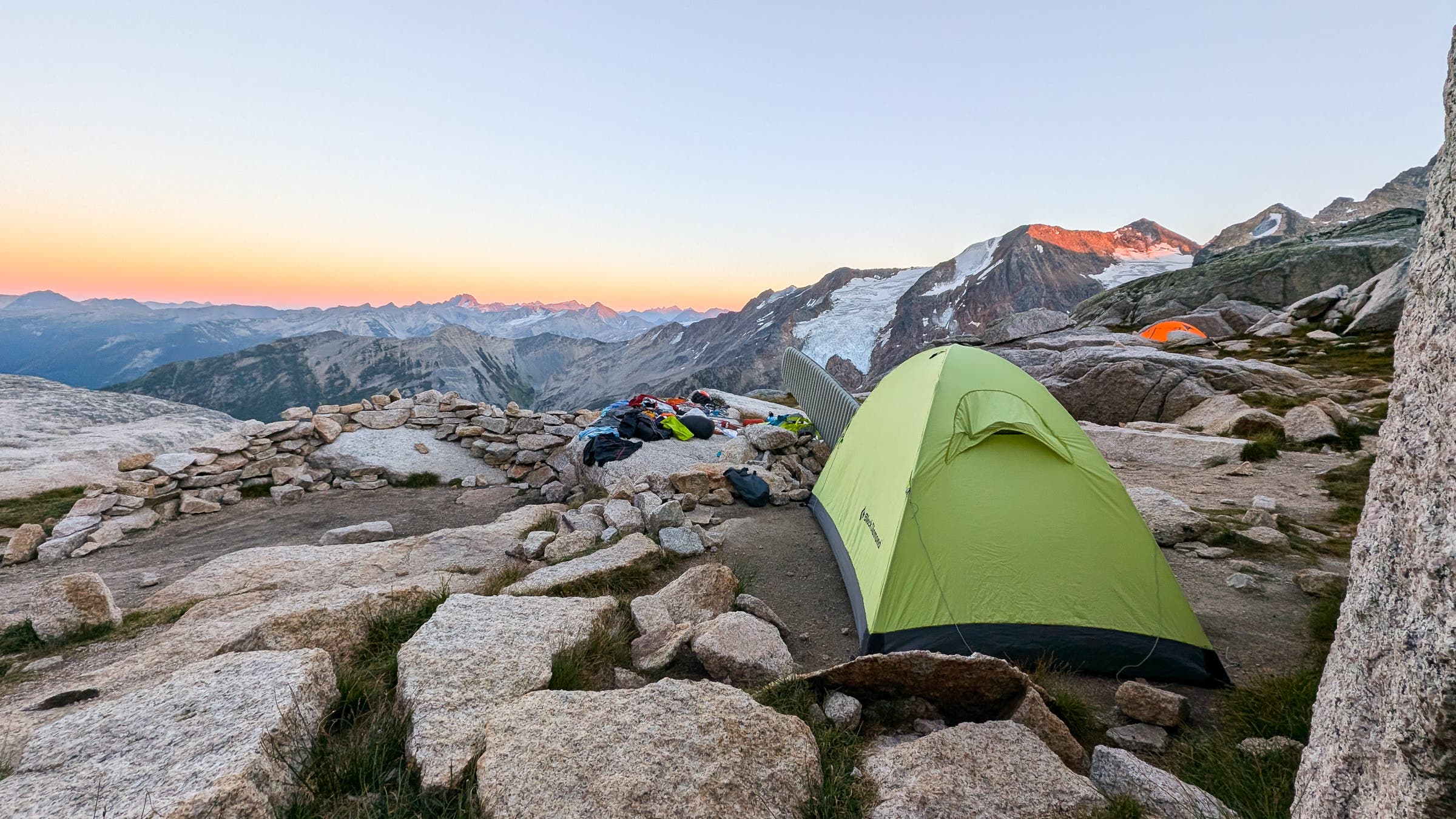
Basics: The Black Diamond Firstlight 2P is a four-season tent engineered for alpine conditions, weighing in at a mere 3 pounds 6 ounces (1,545 grams). Its design features steep walls to maximize interior headroom and includes two small mesh pockets for convenient organization of essential items like headlamps and radios. The tent can be erected from the inside using two equal-length poles. Both the main door and a rear window are equipped with no-see-um mesh, offering a mosquito-proof ventilation solution that allows for cross-breezes.
Editor’s Assessment: The Firstlight has earned its reputation as a stalwart alpine climbing tent, renowned for its exceptional resilience against harsh winds. During testing in the Bugaboos, one editor experienced a ferocious windstorm that detached other tents from their guy lines and sent ice axes spinning. Post-storm, it was observed that out of approximately twenty tents in the vicinity, only a handful remained standing, with four of those being Black Diamond Firstlights. While numerous robust tents are available, the Firstlight’s enduring popularity stems from its potent combination of strength, low weight, and a relatively accessible price point compared to other high-end alternatives. The primary caveat lies in the self-sealing requirement for its seams and the fact that its single-wall fabric, while water-resistant, is not fully waterproof. This is generally not an issue in dry alpine settings, but it may not provide adequate protection during sustained rainfall in regions like the Pacific Northwest.
Price: $550
Availability: blackdiamondequipment.com
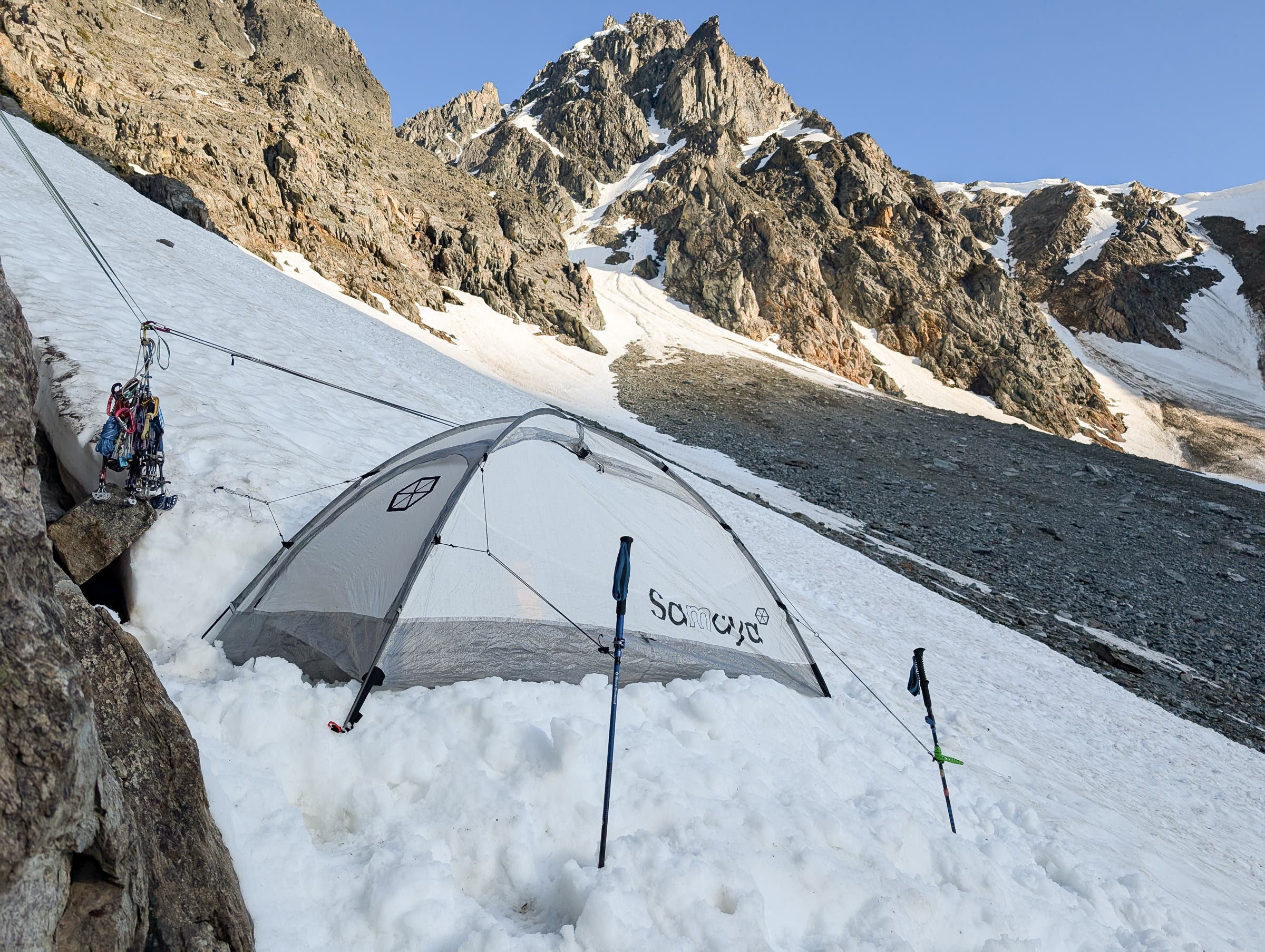
Samaya Assaut2 Ultra: The Pinnacle of Ultralight Waterproofing
Basics: The Samaya Assaut2 Ultra stands out as the lightest fully functional climbing tent on the market, weighing an astonishing 2 pounds 3 ounces (980 grams). It boasts genuine waterproofness, registering 20,000 mm on a water-column test, coupled with commendable breathability. Its Dyneema walls and floor provide remarkable strength relative to its weight. Inside, the Assaut2 Ultra features two head-to-toe mesh side pockets and a ceiling pocket for gear organization. A significant safety feature is the integrated, fully rated Blue Ice climbing sling in the ceiling, enabling secure clipping at exposed bivouac sites once the tent is established.
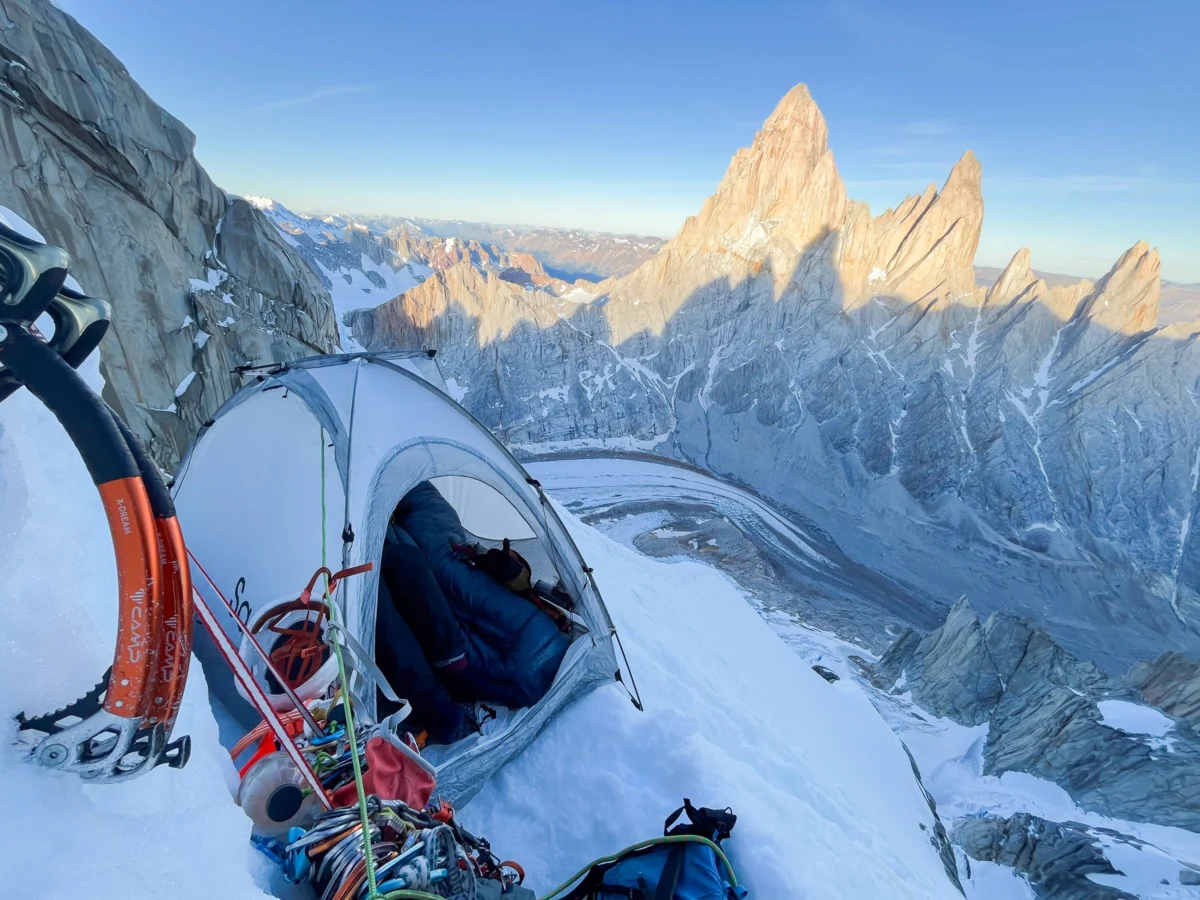
Editor’s Assessment: The Assaut2 Ultra is positioned among the highest-performing climbing tents currently available. Its waterproof capabilities are exceptional, and its featherlight weight is a considerable advantage when traversing difficult terrain with a pack. The tent’s robust face fabric is constructed from Dyneema, a material renowned for being fifteen times stronger than steel by weight. Despite its minimal mass, the interior space is surprisingly livable, enhanced by three generously sized mesh pockets and the integrated clip-in sling. An optional, separately sold vestibule adds an additional four square feet of living space for just 14 ounces (405 grams), further enhancing its utility. However, the Assaut2 Ultra is not without its challenges. Its extremely light and slender carbon poles can be susceptible to splintering or breakage if not handled with care during setup. Furthermore, compared to tents like the Firstlight, its assembly requires a degree of finesse. The poles thread through narrow external sleeves, which can prove difficult in high winds, as experienced during a test at an exposed campsite in Patagonia’s Fitz Roy massif. While this design contributes to the frame’s inherent strength, it also introduces a slight increase in setup complexity.
Price: $2,070
Availability: samaya.com
Hyperlite Mountain Gear UltaMid 2: The Versatile Pyramid Shelter
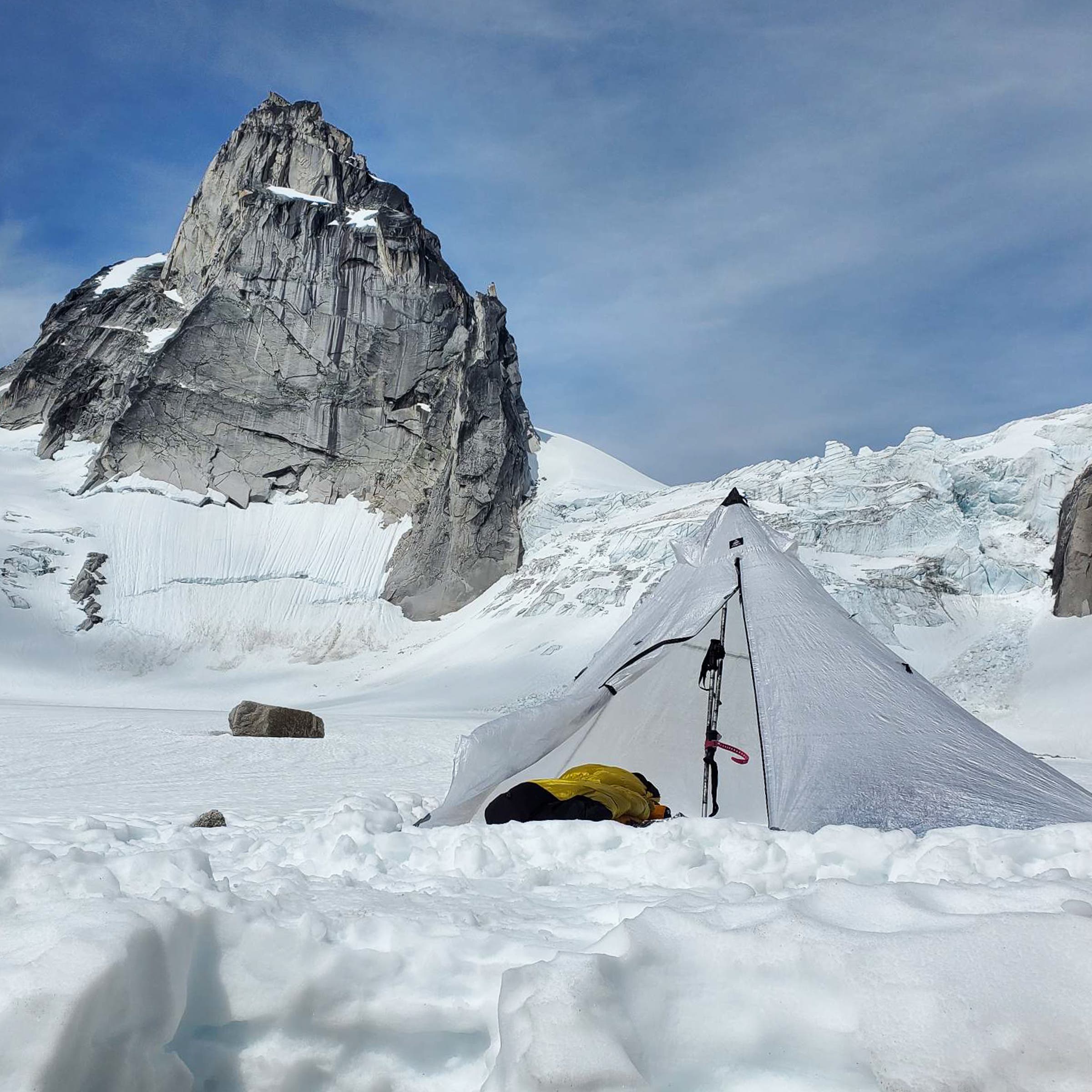
Basics: The Hyperlite Mountain Gear UltaMid 2 is a floorless, pyramid-shaped tent weighing just 1 pound 3 ounces (541 grams). Constructed from Dyneema, it offers unparalleled strength and weather resistance. The tent’s high ceiling is equipped with no-see-um mesh for ventilation. Its floorless design eliminates the need for dedicated tent poles, allowing for erection using trekking poles or skis.
Editor’s Assessment: The UltaMid 2’s floorless design might suggest a fragile, single-purpose structure, but Hyperlite Mountain Gear is recognized for its exceptionally durable products, and this pyramid tent is no exception. Testers were particularly impressed by its resilience during a thunderstorm that battered their glacier-bound camp. Supported solely by ski-strapped trekking poles, the UltaMid 2 remained steadfast and effectively shed the downpour, allowing the team to proceed with their alpine-rock objectives the following day. The UltaMid 2’s greatest strength lies in its versatility. An optional insert, featuring mesh walls and a waterproof floor, can be purchased separately, providing superior protection against insects and rain. Consequently, the UltaMid 2 is equally suitable for buggy valley campsites and remote alpine glaciers, making it an adaptable choice for a wide range of environments.
Price: $730
Availability: hyperlitemountaingear.com
Nemo Chogori: Innovative Integrated Fly Design
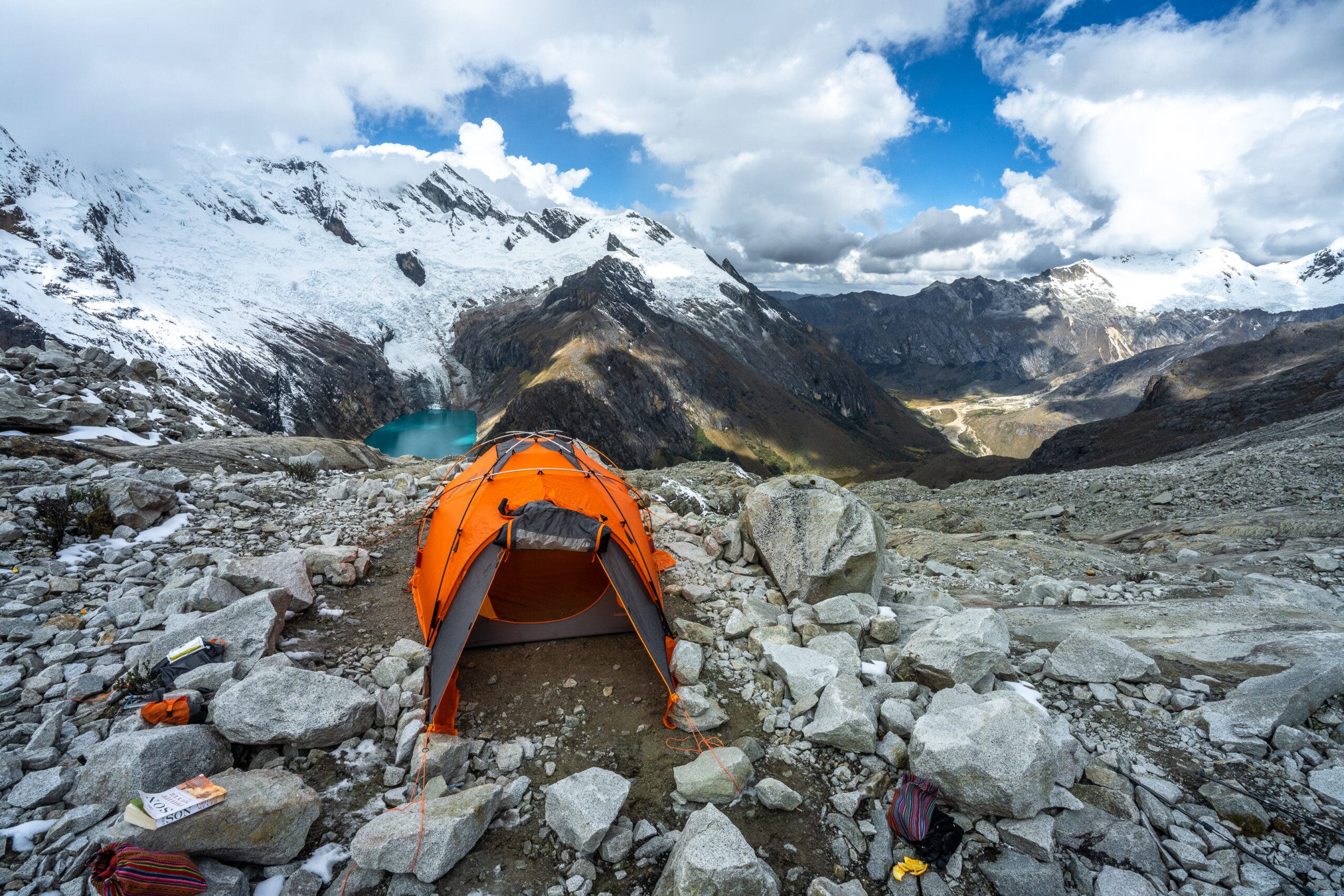
Basics: The Nemo Chogori is a four-season tent available in both two- and three-person configurations. Its primary innovation is the integrated tent fly, meaning the tent body and rainfly are permanently attached, simplifying the setup process.
Editor’s Assessment: The Chogori’s integrated fly design represents a significant advancement in ease of setup. Combined with its external pole structure, this feature allows for exceptionally rapid pitching, a critical advantage on wind-swept glaciers. The two-person model can accommodate three individuals in a pinch, and its robust materials strike a commendable balance between weight, breathability, and durability, making it well-suited for cold basecamps in regions like Alaska, the Andes, or the Himalayas. The main drawback, however, is directly linked to its primary advantage: the integrated fly can present limitations in terms of portability, packability, repairability, and drying time.
Price: $800
Availability: nemoequipment.com
Further Review: For a comprehensive analysis, read our full review here.
Crucial Comfort: Sleeping Pads for Bivouacs
Sea To Summit Ether Light XR Pro: Uncompromising Warmth and Comfort
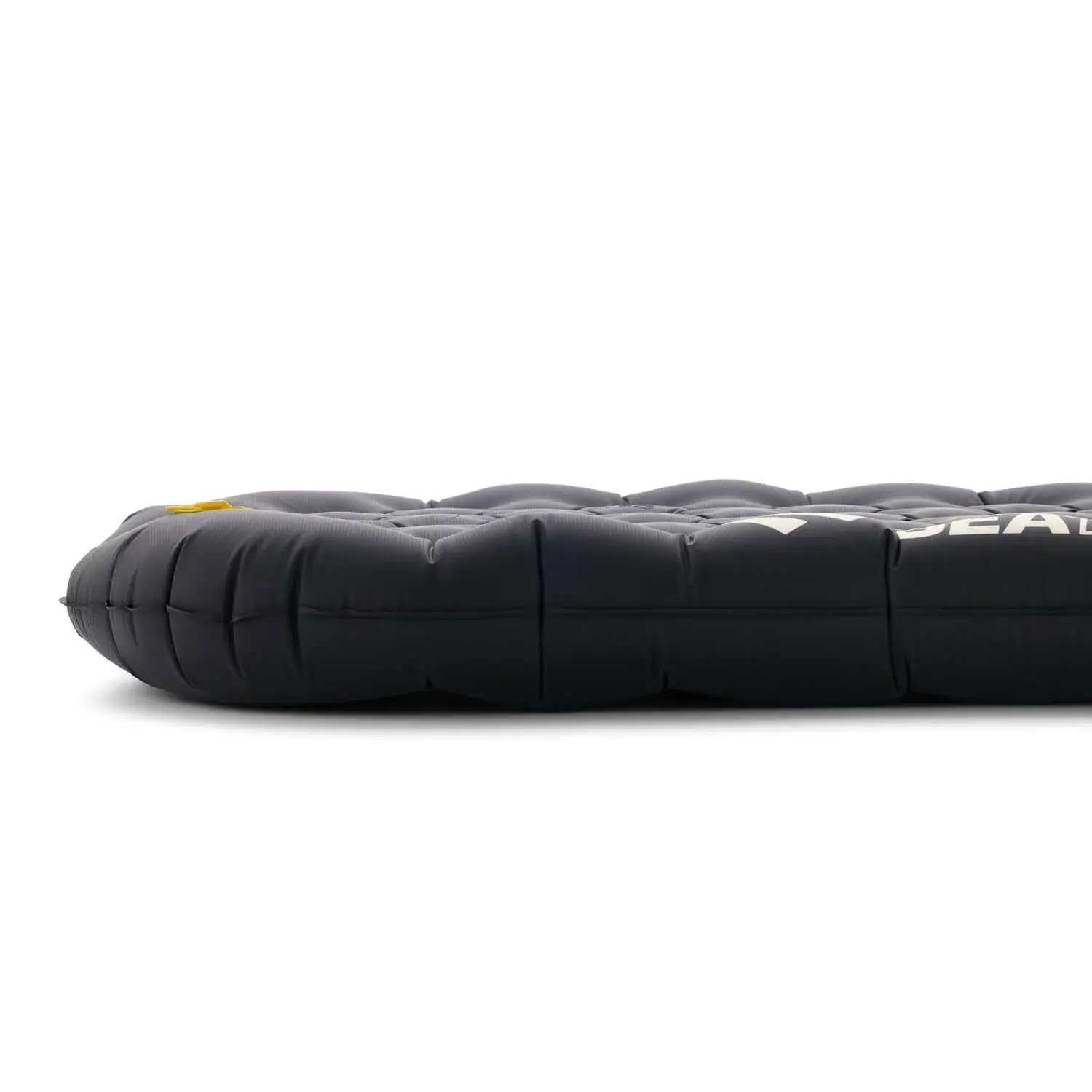
Basics: The Sea To Summit Ether Light XR Pro is a robust and exceptionally warm sleeping pad, boasting an R-value of 7.4. It is specifically designed for winter camping, climbing expeditions, and individuals who tend to sleep cold. The pad incorporates a layer of Thermolite insulation and offers a substantial four inches of loft.
Editor’s Assessment: This sleeping pad is an excellent choice for climbing missions where warmth and a quality night’s sleep are paramount, even at the expense of some weight and packability. While not overly bulky, it compresses to one-third the size of a closed-cell foam pad and is significantly lighter than a car-camping equivalent. However, compared to ultralight options with lower R-values, there is a discernible weight penalty for prioritizing this level of comfort. Nonetheless, the Ether Light XR Pro’s exceptional warmth and four inches of plush cushioning should not be underestimated. For one-day climbs requiring an overnight bivy, multi-day stays at a single camp, or for cold sleepers who value optimal comfort during crisp sending temperatures, this pad delivers superior performance.
Price: $319 – $389
Availability: seatosummit.com
Therm-a-Rest NeoAir XLite NXT: The All-Season Go-To
Basics: The Therm-a-Rest NeoAir XLite NXT is an exceptionally lightweight, mummy-style sleeping pad offered in four sizes to cater to individual length and width requirements. The insulated regular XLite, as tested by Climbing, weighs 13 ounces (370 grams), possesses an R-value of 4.5, and is three inches thick.
Editor’s Assessment: The NeoAir XLite NXT, despite its somewhat lengthy name, has become the preferred sleeping pad for our editors across all seasons. With an R-value of 4.5, it provides sufficient insulation for winter bivouacs and snowbound campsites, yet it avoids the bulk of many similarly warm competitors. This is largely due to its proprietary reflective coating, "Thermacapture," which redirects body heat back towards the user for enhanced thermal efficiency. Beyond its impressive warmth-to-weight ratio, the XLite offers a superior sleep experience. Its baffle construction is both supportive and stable, and its face fabric is notably quiet, minimizing disruptive crinkling sounds during sleep. This pad has proven itself capable on summer alpine climbs, ski-touring traverses, and midwinter backcountry excursions, performing admirably in all conditions.
Price: $269 – $320
Availability: cascadedesigns.com
Therm-a-Rest Z Lite SOL: The Puncture-Proof Workhorse
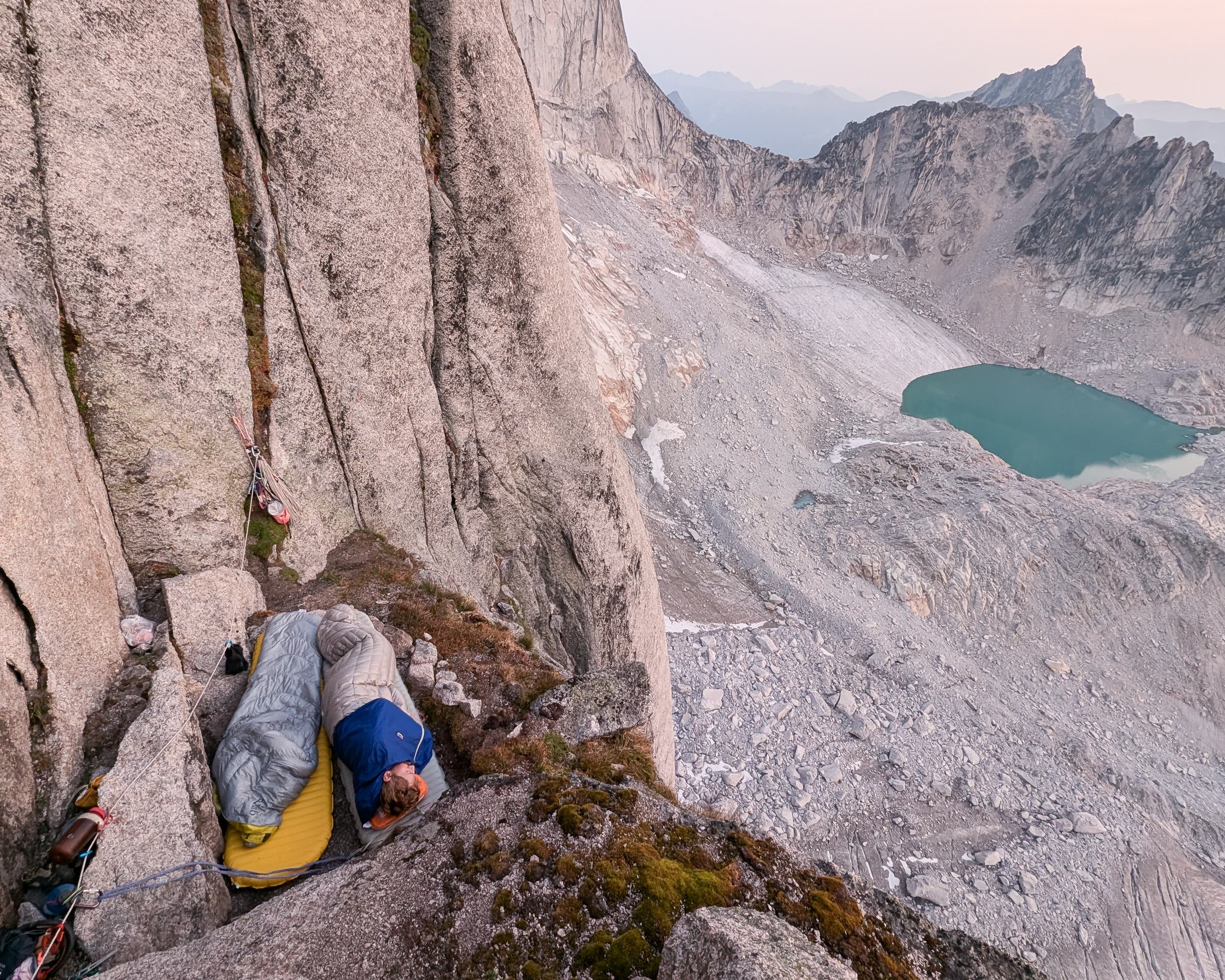
Basics: The Therm-a-Rest Z Lite SOL is a straightforward and affordably priced closed-cell foam sleeping pad designed for summer use. It features an R-value of 2.0, weighs 14 ounces (410 grams), and is available in two lengths.
Editor’s Assessment: The Z Lite SOL is a favored choice among both fast-and-light rock climbers and dedicated winter alpinists. While it may not offer the plushness or warmth of some other pads, its closed-cell construction provides one undeniable advantage: immunity to punctures. An additional benefit is its economical price point. For climbers who frequently camp in rocky terrain where pad punctures are a genuine concern, the Z Lite SOL alleviates those worries. It can also serve as a protective layer beneath an inflatable mat, further enhancing durability.
Price: $70 – $80
Availability: cascadedesigns.com
Sustaining the Ascent: Sleeping Bags for Extreme Conditions
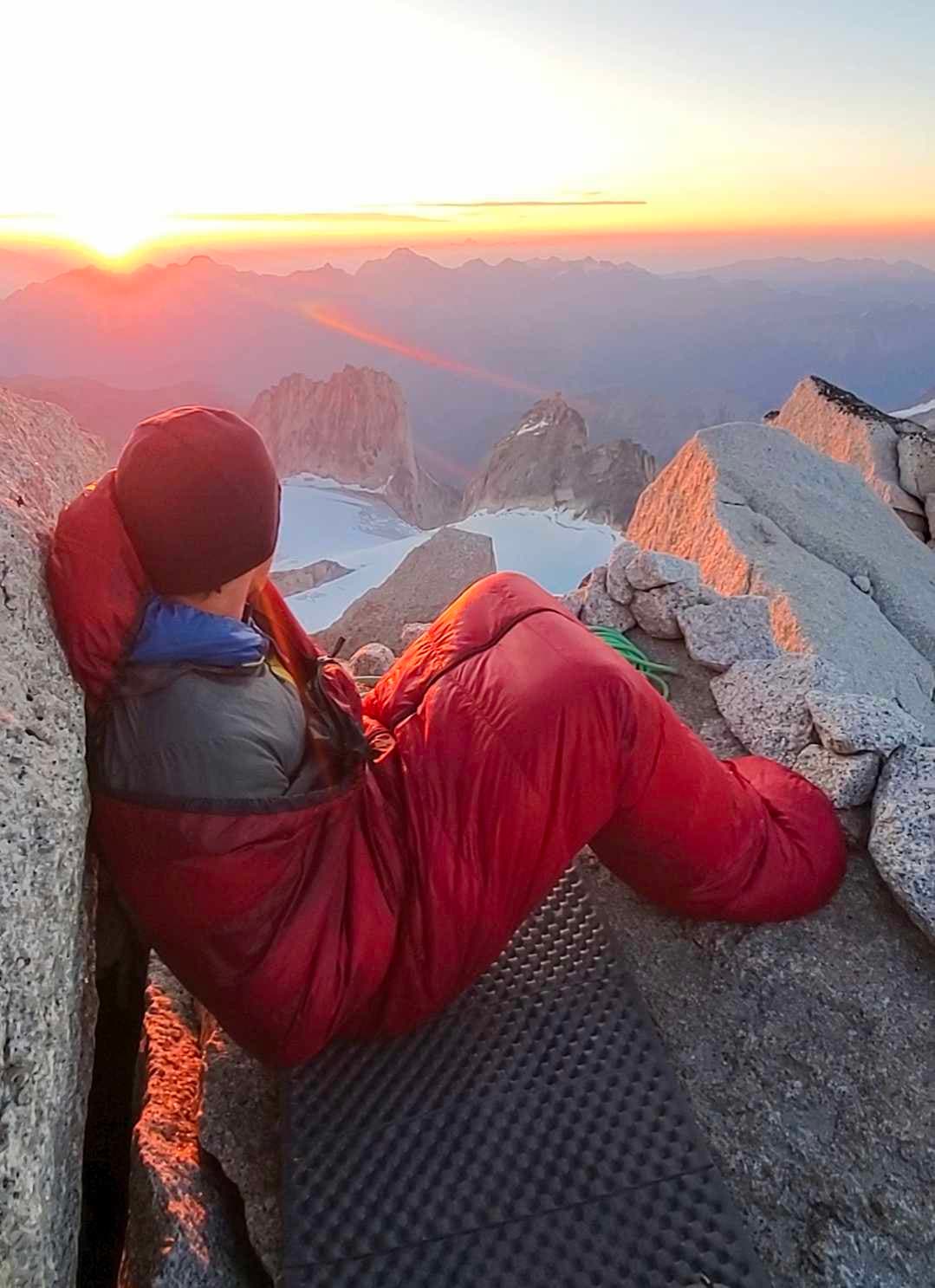
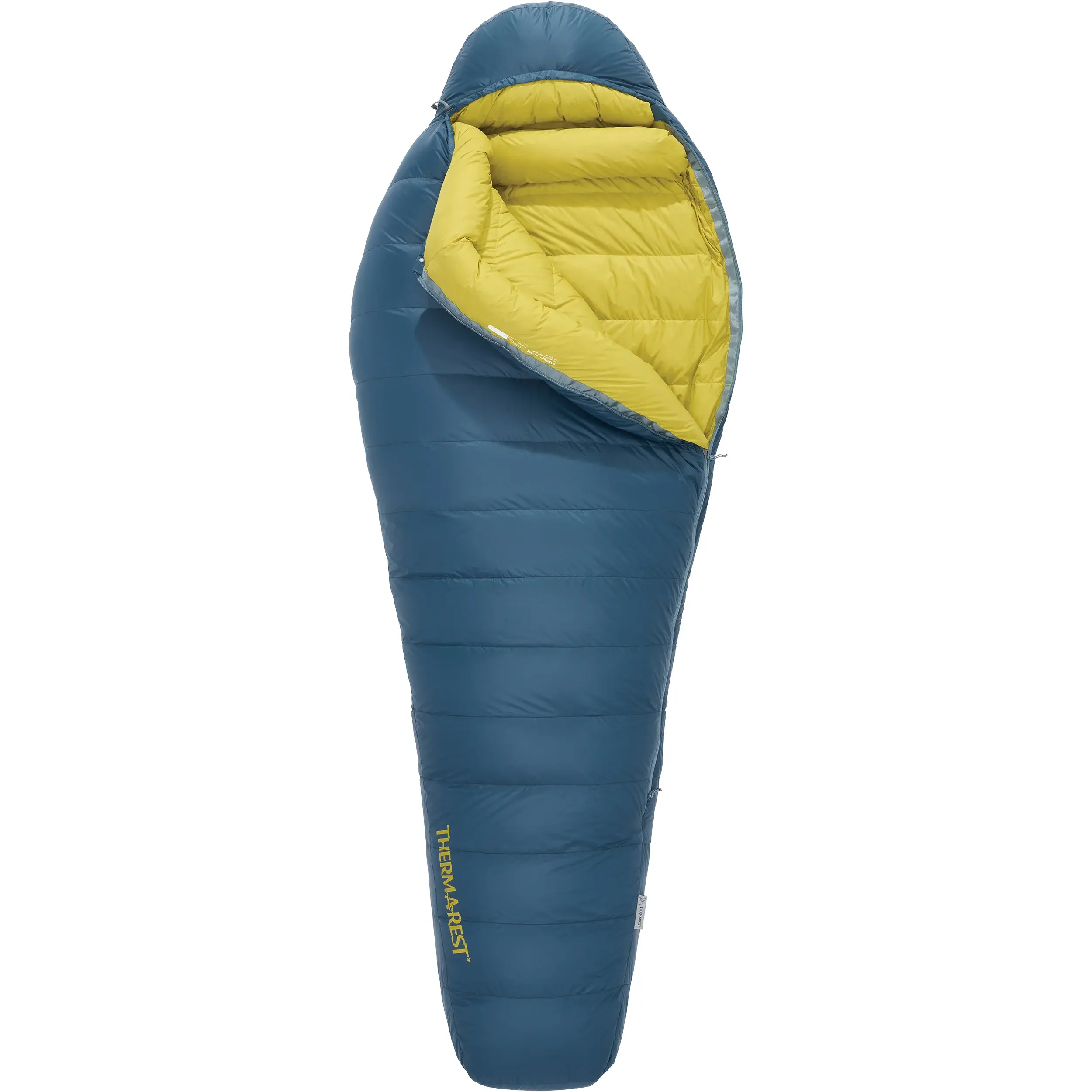
Therm-a-Rest Parsec 0F/-18C: Hydrophobic Down for Reliable Warmth
Basics: The Therm-a-Rest Parsec 0F/-18C sleeping bag is filled with 800-fill Nikwax Hydrophobic Down. It features heat-mapped zone insulation combined with a boxed-baffle construction to optimize warmth and weight distribution. The bag includes a side-zippered pocket and removable straps for securing it to a sleeping pad. It weighs 2.6 pounds (1.16 kg).
Editor’s Assessment: One reviewer described the Parsec as "the nicest bag I’ve ever owned." Its highly compressible hydrophobic down treatment allows it to absorb 90% less water and dry three times faster than untreated down. In situations where the bag became wet during heavy rainstorms, testers reported staying warm and dry, a stark contrast to their partners in less effective bags. A significant benefit for side sleepers is the inclusion of two sets of lightweight, stretchy straps located in the top and bottom halves of the bag, which securely fasten it to a sleeping pad, preventing unwanted shifting throughout the night.
Price: $750 – $800
Availability: cascadedesigns.com
Valandre Bloody Mary 5F/-15C: Adaptable Warmth for All Climbers
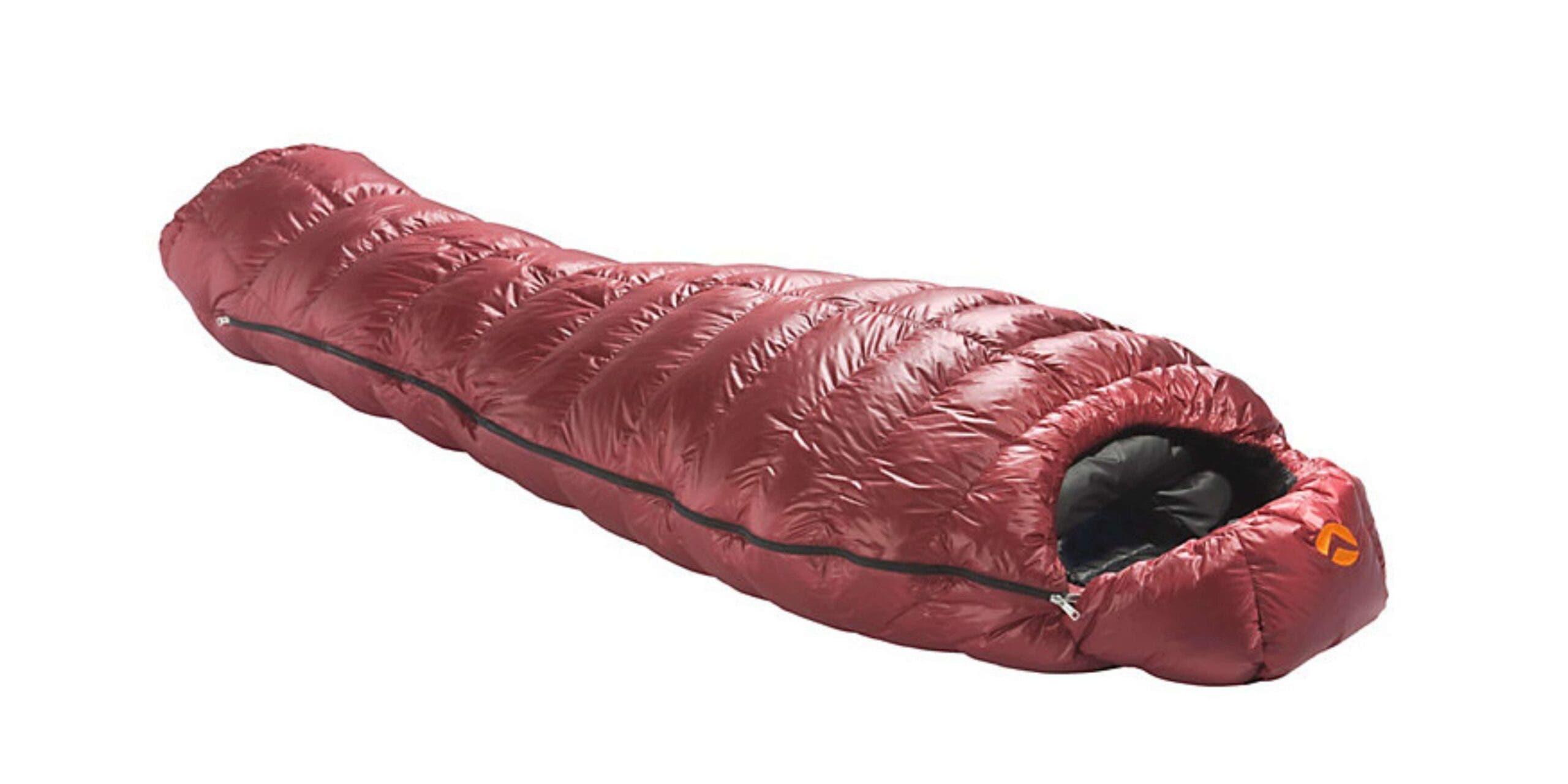
Basics: The Valandre Bloody Mary 5F/-15C sleeping bag is filled with premium 850-fill down. It features an interchangeable draft collar, a one-handed hood and collar cinch system, and an interior zipper pocket. It is available in three sizes and weighs 2.6 pounds (1.16 kg).
Editor’s Assessment: The Bloody Mary is arguably one of the most versatile sleeping bags our lead tester has ever used, primarily due to its three draft collar options, full-length zipper, and adjustable mummy hood. For those who frequently adjust their sleeping position during the night, the ability to maintain warmth is crucial. The Bloody Mary’s "Marie Antoinette collar" zips into the back of the bag at neck height and attaches via Velcro at the front, creating a comfortable, down-filled tube that effectively seals in heat. For warmer nights, a half collar can be substituted, or for summer conditions, no collar is needed. The head-to-toe zipper provides essential ventilation for warm-weather bivies, and it can be quickly zipped up without snagging. When the night turns cold and clear, the zipper is lined with a generous draft tube to prevent heat loss.
Price: $500
Availability: valandre.com
Further Review: Read our full review here.
Fueling the Expedition: Lightweight Food Solutions
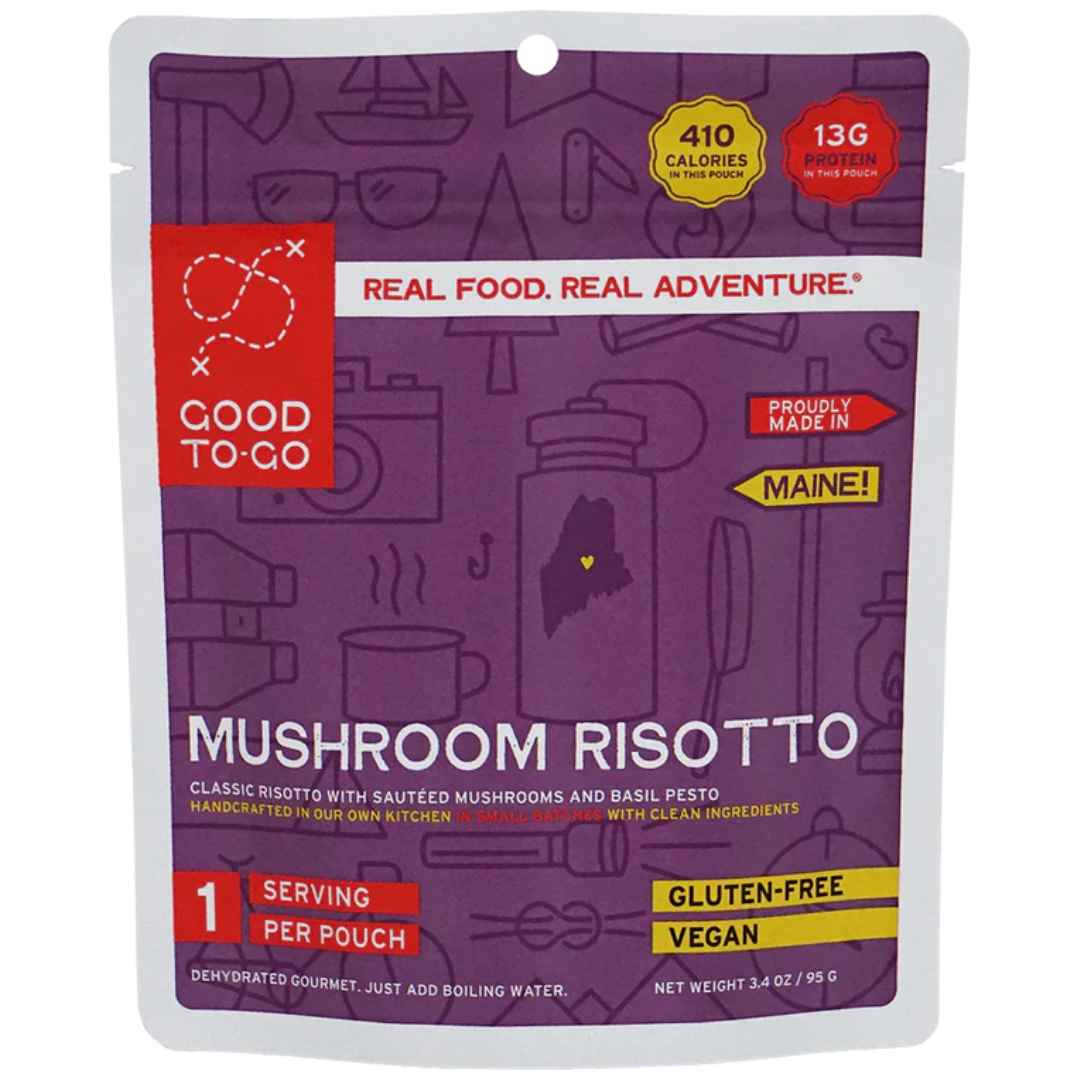
Good To-Go: Gourmet Dehydrated Meals
Basics: Good To-Go’s dehydrated meals are celebrated for their flavor, light weight, and nutritional value, featuring easily understandable ingredients. All of their meals are gluten-free, primarily vegan, and vegetarian. They boast a shelf life of up to five years, are packaged in durable plastic bags, and require only boiling water for preparation.
Editor’s Assessment: Good To-Go offers a compelling option for overnight climbers and campers seeking to enjoy flavorful, real food with a defined shelf life. The brand’s culinary expertise is evident in offerings ranging from spicy Korean bibimbap to hearty Mexican quinoa bowls. A recent favorite is the "breakfast hash," featuring butternut squash, feta, and rosemary. With thirteen different entrées, Good To-Go accommodates a wide array of ethnic preferences, taste profiles, and dietary restrictions.
Price: $7 – $15
Availability: good-to-go.com
Further Review: Read our full review of the best backpacking meals here.
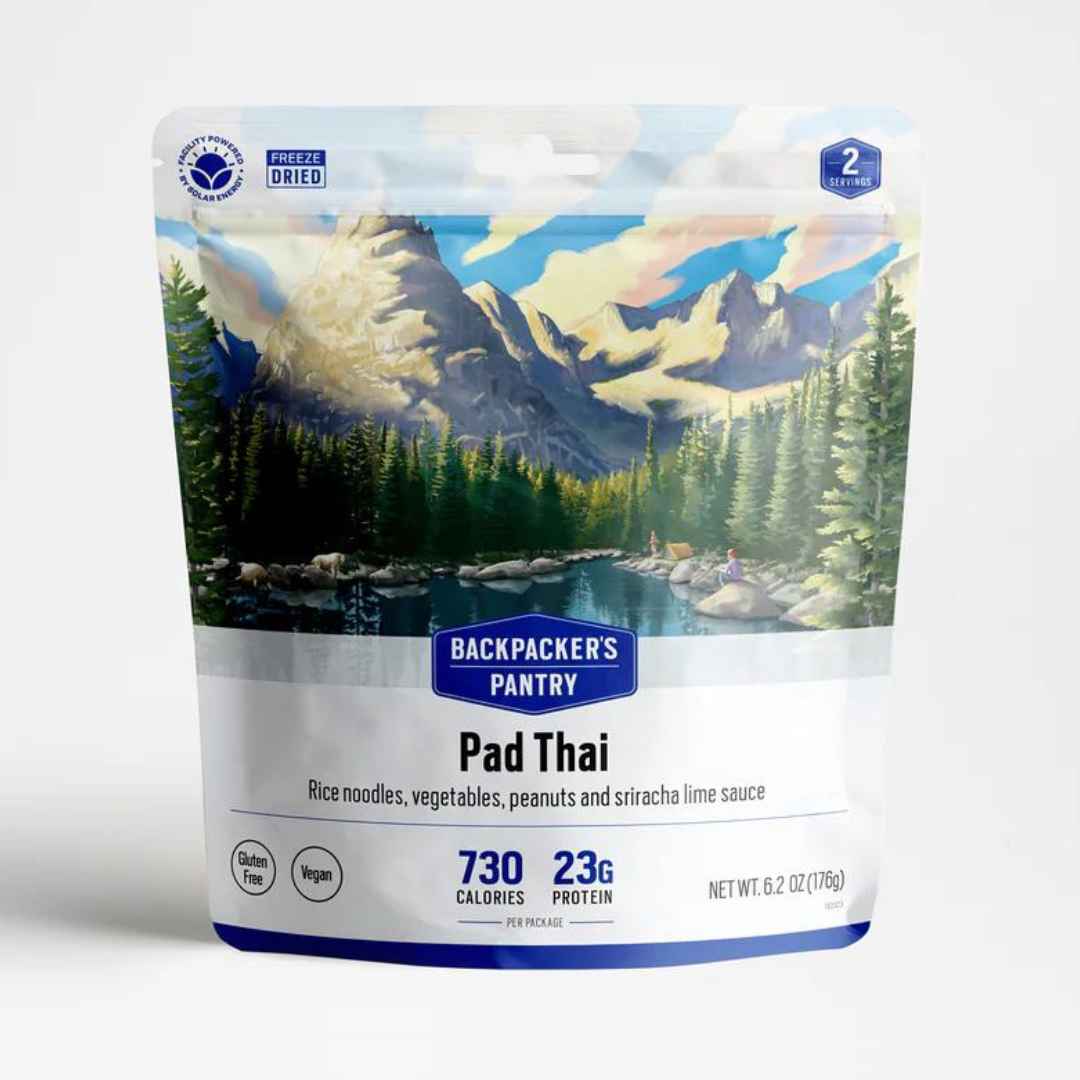
Backpacker’s Pantry: A Long-Standing Tradition
Basics: Backpacker’s Pantry is a foundational brand in the just-add-water food industry, with a history dating back to the 1950s. Their product line has evolved to cater to a diverse range of dietary needs, including vegan and soy-free options, while maintaining a respectable calorie-to-weight ratio.
Editor’s Assessment: With an extensive menu of 44 items, Backpacker’s Pantry is an excellent choice for stocking up for large groups or extended trips. The Pad Thai and Blueberry Peach Crisp were particular highlights after long days of climbing, with the authentic peanut butter and sriracha-lime flavors, followed by the sweetness of summer fruits, proving to be a winning combination.
Price: $5 – $13
Availability: backpackerspantry.com
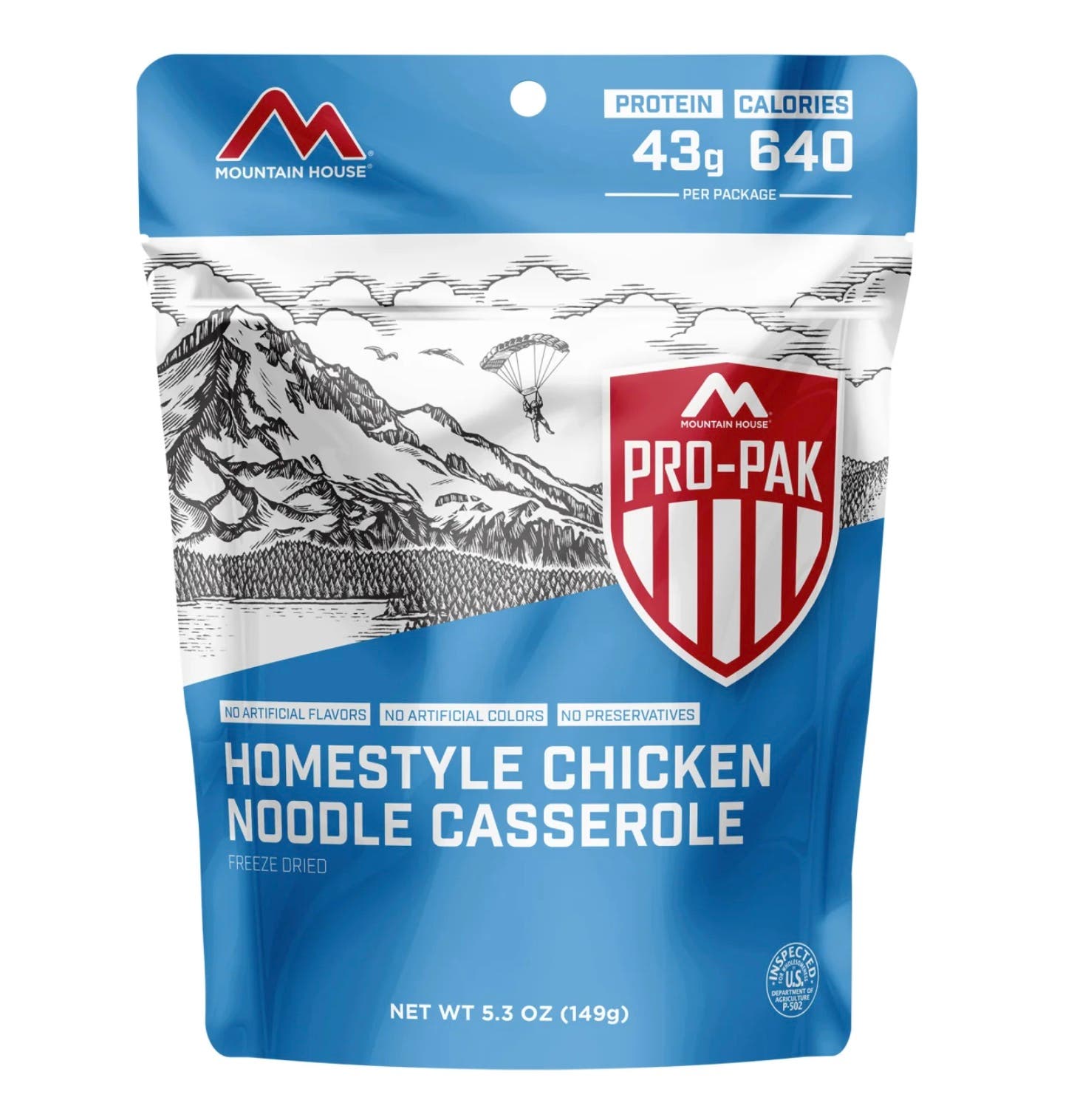
Mountain House: Shelf-Stable Comfort Food
Basics: Mountain House offers freeze-dried meals with an industry-leading shelf life of 30 years. Their focus is on simple, comfort-oriented recipes that are easily digestible and high in protein.
Editor’s Assessment: Mountain House meals provide another excellent freeze-dried option for climbers mindful of pack weight. The Chicken Noodle Casserole was a particular favorite for high-camp meals, offering homestyle comfort food that was easy to digest. The standout feature of Mountain House meals is their high protein content. Previously, testers would supplement multi-day climbs with protein powder to ensure adequate muscle recovery. However, the Chicken Noodle Casserole delivers 43 grams of protein in a far more palatable format.
Price: $10 – $15
Availability: mountainhouse.com
Efficient Cooking: Stoves for Alpine Kitchens
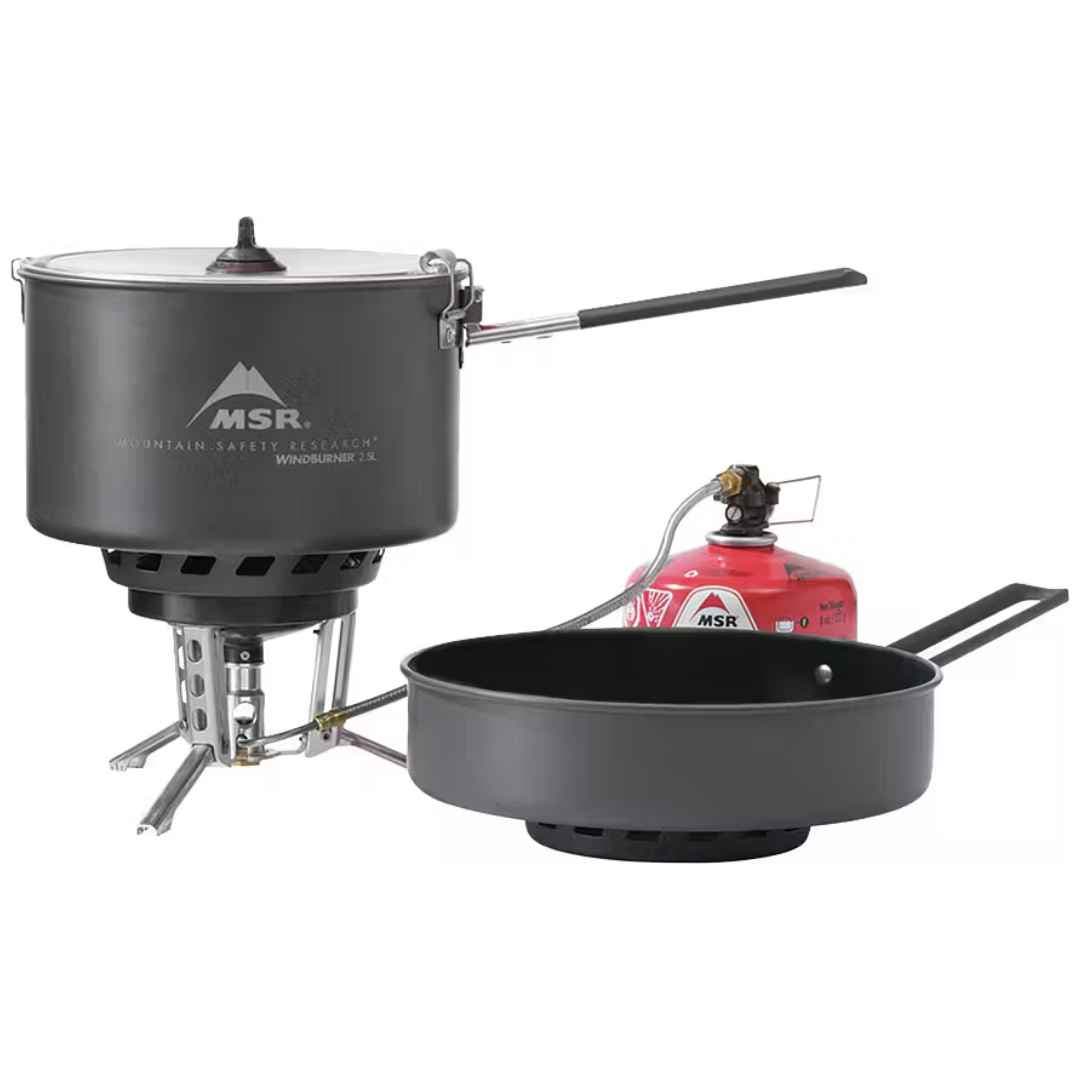
MSR WindBurner Group Stove System: For Real Meals in the Backcountry
Editor’s Assessment: Designed for climbers who aspire to meals beyond basic freeze-dried options, the MSR WindBurner Group Stove System is our preferred choice for preparing substantial meals in the backcountry. The spacious 2.5-liter pot comfortably served peanut noodles for three individuals during an overnight trip in Moab, Utah. Even when faced with 45-mph winds that unfortunately toppled our tent, the windproof burner remained consistently operational. Its precise simmer control allows for perfect sautéing of vegetables, and the non-stick ceramic coating simplifies cleanup by preventing food buildup. While initially appearing somewhat bulky, the entire 1.3-pound (590g) system nests together efficiently, with ample space for an 8-ounce fuel canister, utensils, and a dish rag.
Price: $250
Availability: cascadedesigns.com
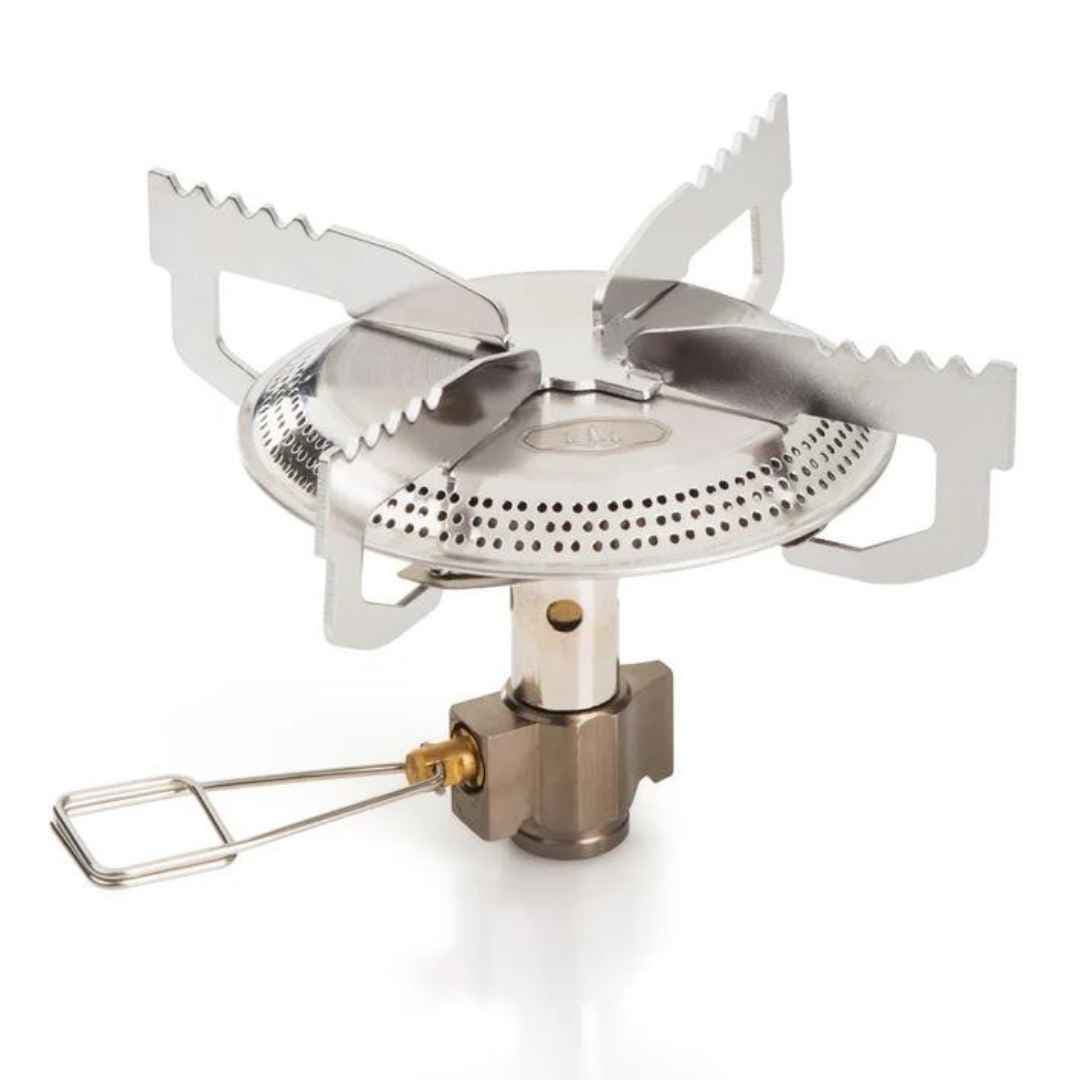
GSI Outdoors Glacier Camp: Budget-Friendly Performance
Editor’s Assessment: While not all budget-friendly gear delivers, the Glacier Camp makes strategic compromises. Its 4.9-inch-wide arms effectively support a 3-liter pot, and it maintained a consistent flame at 10,600 feet in Colorado’s Tenmile Range. However, the design is somewhat cumbersome. One tester noted, "You have to twist and remove the arms from the burner head for storage—but doing so doesn’t help it pack much smaller." Further trade-offs for the price include the Glacier Camp’s inability to hold a flame well unless fully engaged and the absence of wind protection and a piezo igniter.
Price: $30
Availability: gsioutdoors.com
MSR Windburner: Exceptional Efficiency and Wind Resistance
Editor’s Assessment: Similar to MSR’s well-regarded Reactor stove, the Windburner offers exceptional efficiency and some of the most effective wind protection observed. Once ignited, the pot (available in 1-liter or 1.8-liter capacities) locks securely in place, further safeguarding against culinary mishaps. This clever locking mechanism is invaluable when the stove is suspended from a portaledge, and equally beneficial when moving swiftly or combating cold in the mountains. Thanks to a fabric cozy that wraps the pot, testers have been able to hold the stove in their hands while melting snow for water during arduous treks through remote valleys in winter.
Price: $270
Availability: cascadedesigns.com
Bonus: FlipFuel Transfer Device: Optimizing Fuel Loads
Editor’s Assessment: The FlipFuel addresses a common challenge for overnight climbers: the accumulation of partially used fuel canisters, necessitating the carrying of multiple, sometimes redundant, containers. Utilizing the principle of temperature differentials, the FlipFuel facilitates the easy transfer of unused fuel from one isobutane canister to another, ensuring that climbers carry only the precise amount of fuel required, thereby minimizing unnecessary weight. This compact device is an indispensable tool for efficient expedition planning.
Price: $36
Availability: flipfuel.co
Meet Our Lead Tester
Anthony Walsh
Anthony is a senior editor at Climbing magazine and actively seeks opportunities to spend nights away from his bed. Based in the Canadian Rockies, Anthony is strategically located to access numerous mountain ranges for his frequent weekend expeditions, including the Bugaboos, Rogers Pass, and the Icefields Parkway. He logged numerous nights bivouacked both below and on routes for this article, enduring temperatures as low as -40 degrees Fahrenheit. His extensive field experience provides invaluable insight into the performance and reliability of alpine climbing gear.