The Apple Watch Ultra 4 represents a calculated evolution in Apple’s premium wearable lineup, maintaining the rugged, familiar aesthetic of its predecessor while fundamentally overhauling the internal architecture. As Apple continues to position its flagship watch as the ultimate tool for athletes, outdoor adventurers, and power users, this latest iteration focuses on the integration of a more potent chipset, doubled memory capacity, and a significantly refined health sensing suite. While the external chassis remains largely consistent with the design language established in 2024, the internal shifts suggest a strategic move to future-proof the device for advanced machine learning tasks and deeper biometric analysis.
The Evolution of the Ultra Lineup: A Brief Chronology
Since the introduction of the original Apple Watch Ultra in 2022, Apple has sought to capture the high-end fitness market previously dominated by brands like Garmin and Suunto. The 2022 model established the hardware baseline: a 49mm titanium case, the Action Button, and a vastly improved battery life. In 2023, the Ultra 2 introduced the S9 SiP (System in Package) and the Double Tap gesture, focusing on interface fluidity. The 2024 cycle saw the Ultra 3 retain the S10 chip, a decision that prompted some criticism regarding the pace of innovation. With the launch of the Ultra 4 in September 2026, Apple appears to be addressing those criticisms by prioritizing raw computational power and sensor precision, effectively creating a wider gap between the standard Apple Watch and the performance-oriented Ultra series.
Computational Power: The S11 SiP and Memory Expansion
At the core of the Apple Watch Ultra 4 is the new S11 chip. While Apple has historically provided iterative updates to its wearable silicon, the S11 marks a significant jump in processing capability. The transition from the S10 to the S11 is not merely about clock speed; it is about enabling on-device processing for more complex health algorithms and the new Audio Intelligence suite.

Perhaps more consequential than the processor itself is the decision to upgrade the device to 4GB of RAM. The Ultra 3, like many of its predecessors, functioned on 2GB of memory. By doubling the available RAM, Apple has effectively provided the operating system with more "breathing room" to handle background tasks, complex watch face complications, and the new, data-intensive Readiness app. This change is expected to reduce stuttering in third-party applications and allow for more robust multitasking, a persistent demand from users who utilize the watch as a standalone device for long-duration outdoor activities.
The New Health Sensing System: Deeper Insights
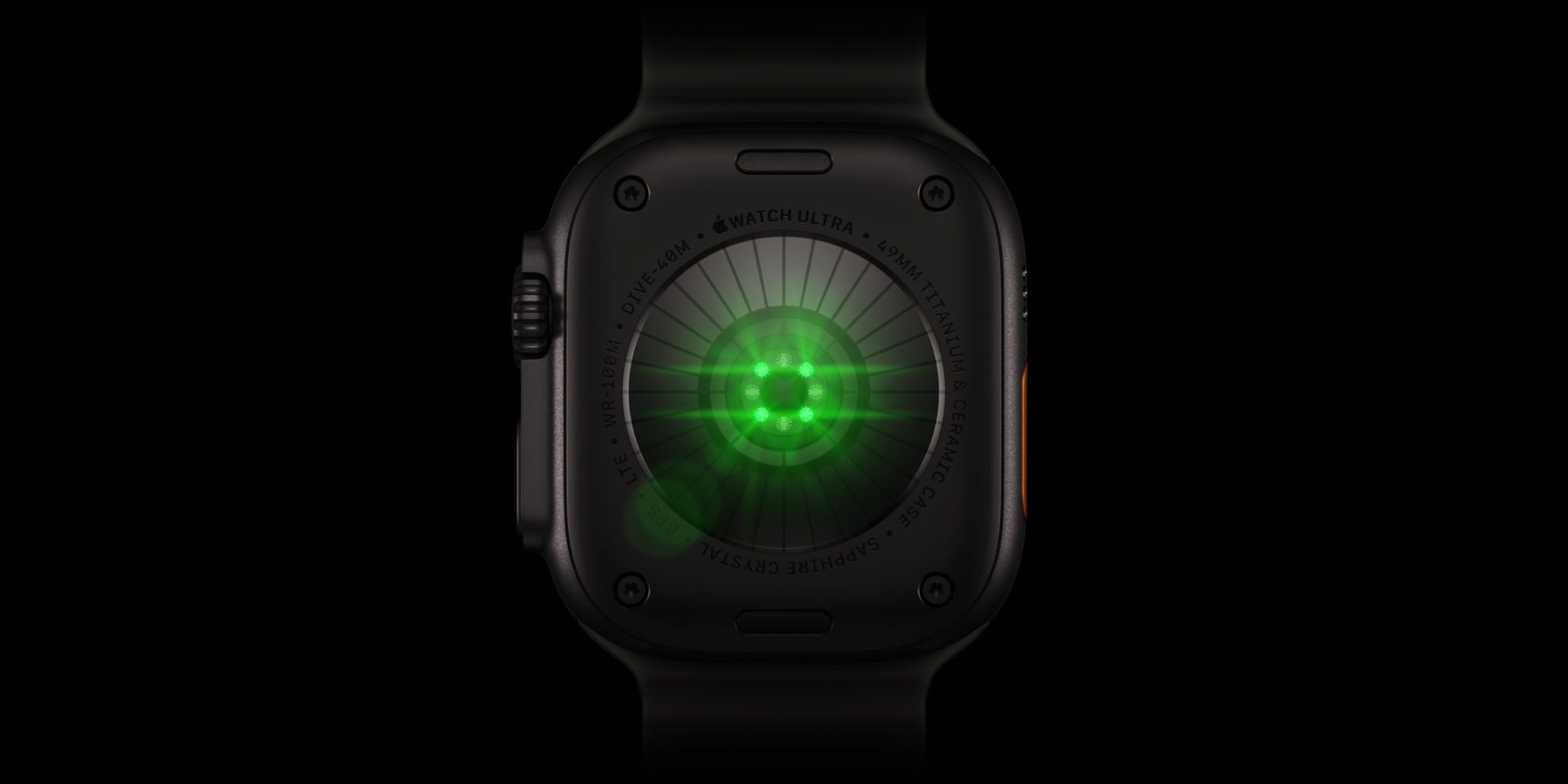
The most significant shift for long-term users is the deployment of an entirely redesigned health sensing array. Apple has long touted its wearable as a "health guardian," but the Ultra 4 moves into the realm of predictive health. The new sensor package is engineered to provide higher-fidelity data across existing metrics—such as heart rate variability (HRV) and blood oxygen levels—but the primary value proposition lies in the interpretation of this data.
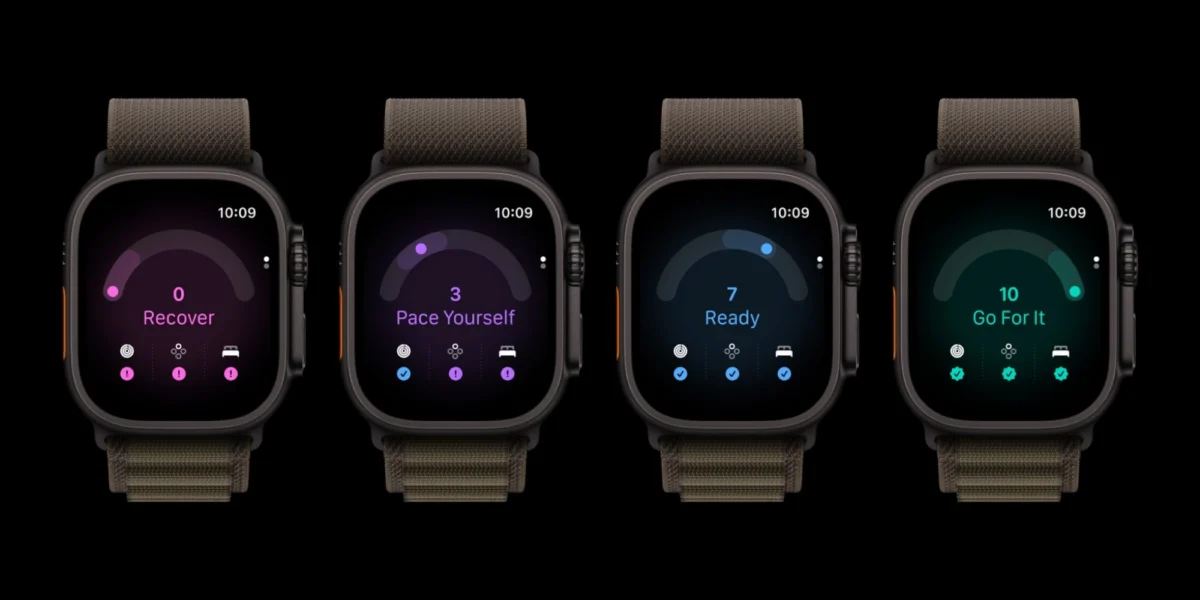
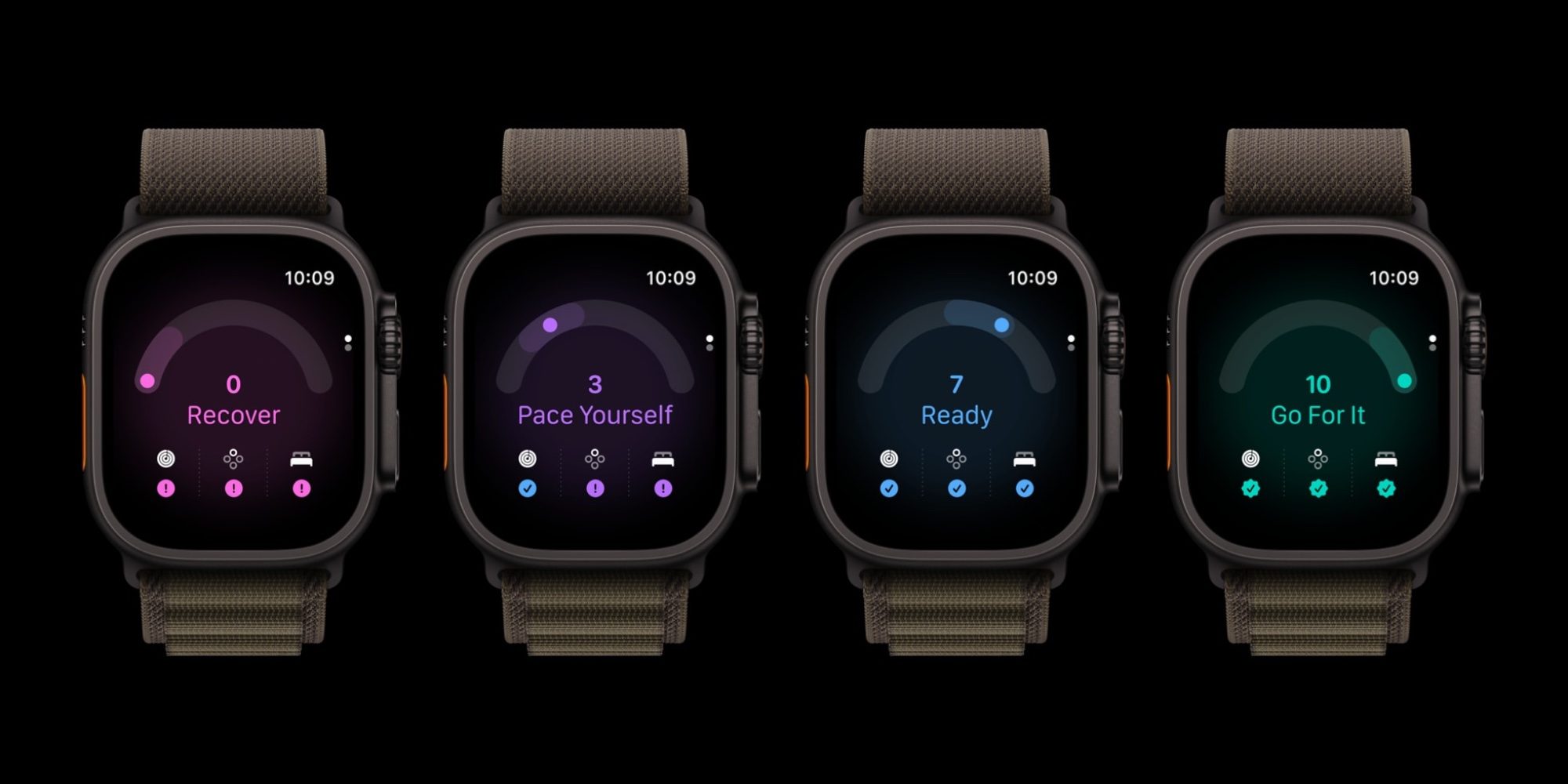
The standout feature enabled by these sensors is the Readiness app. This application aggregates four primary pillars of physiological data: recent activity logs, training load, vital signs, and sleep quality scores. By synthesizing this information, the watch provides a singular, daily score ranging from 0 to 100. This score serves as a diagnostic tool for the user, categorizing their current state into one of four buckets: Recover, Pace Yourself, Ready, or Go For It. This feature mirrors functionality found in specialized sports watches, signaling Apple’s intent to compete directly for the training-focused demographic.
Battery Longevity and Power Efficiency
Despite the increased power demands of the S11 chip and the new sensor array, Apple has managed to maintain and, in some metrics, improve the battery performance of the Ultra 4. In a field where the "ultra" designation is synonymous with multi-day endurance, battery life remains the most critical metric for the target audience.

The Ultra 4 continues the trend of efficient power management, but the real improvement is found in the charging architecture. The device now supports significantly faster charging speeds, specifically leveraging a new power-delivery profile that provides 50% more battery life from a 15-minute charge compared to the Ultra 3. For an ultra-marathoner or a multi-day backpacker, the ability to gain nearly a full day of "typical" usage from a short top-off while at a base camp is a massive functional upgrade.
Audio Intelligence and Software Ecosystem
The Ultra 4 is the debut vehicle for a new suite of "Audio Intelligence" features. These tools utilize the onboard neural engine of the S11 chip to process audio in real-time. Planned features include advanced wind-noise reduction for calls in extreme environments and localized voice isolation, ensuring that even in high-decibel outdoor settings, the device remains a reliable communication tool.
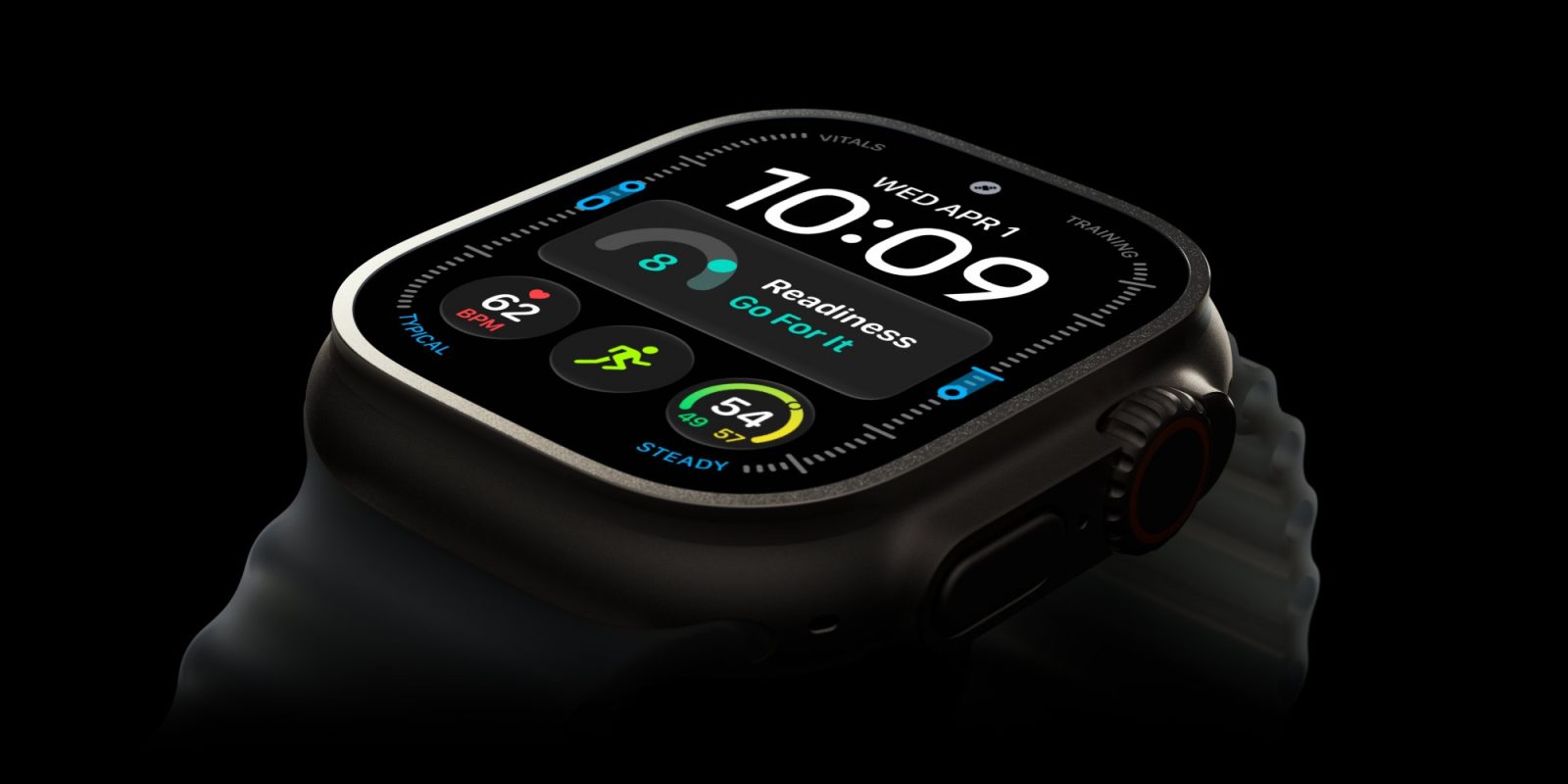
These software enhancements are integrated directly into watchOS 27, ensuring that the interface remains intuitive despite the added complexity. New complications have also been introduced, allowing users to pin their most critical health data—such as real-time heart rate or current readiness scores—directly to the watch face, reducing the need to navigate through menus during physical activity.
Market Implications and Competitive Landscape
The release of the Apple Watch Ultra 4 at a price point of $799 cements its position in the premium tier of the consumer electronics market. From a competitive standpoint, the move to 4GB of RAM and a more powerful sensor suite is a response to the growing capabilities of specialized multisport watches. By integrating the Readiness app, Apple is bridging the gap between a "smart" wearable and a "performance" tracker.

However, the strategy also carries risks. By keeping the external design identical to the Ultra 3, Apple is prioritizing internal engineering over stylistic novelty. For existing Ultra 3 owners, the decision to upgrade will likely hinge on whether they prioritize the new Readiness metrics and the increased memory headroom for future software updates. For those coming from an original Ultra or an older Series watch, the leap in capability is substantial.
Official Stance and Future Outlook
Apple’s official communications regarding the Ultra 4 have focused heavily on the synergy between the S11 chip and the new sensors, framing the device not just as a hardware update, but as a "holistic health companion." In its September 2026 keynote, Apple leadership emphasized that the S11 is the most powerful chip ever integrated into a wearable, designed specifically to handle the next decade of on-device machine learning requirements.

As the device hits the market on September 18, the industry will be watching to see how the new sensors perform in real-world, high-intensity scenarios. If the data provided by the new sensor array proves to be significantly more accurate than previous generations, it will validate Apple’s decision to focus on deep-tissue sensing rather than aesthetic redesigns.
Summary of Key Upgrades
- Chipset: Upgraded from S10 to S11, providing higher efficiency for machine learning.
- Memory: Doubled from 2GB to 4GB, enhancing system stability and app responsiveness.
- Health: Introduction of the Readiness app, utilizing a new sensor array for actionable recovery data.
- Charging: Improved power management, allowing for 18 hours of runtime on a 15-minute charge.
- Intelligence: New Audio Intelligence suite for enhanced communication in adverse conditions.
As the wearable technology market matures, the Apple Watch Ultra 4 serves as a benchmark for how established players can iterate on a proven form factor. By refining the internal components and focusing on the software-driven interpretation of health data, Apple is betting that its users value the precision and capability of their device more than the frequency of physical redesigns. Whether this approach maintains the brand’s dominance in the face of increasingly sophisticated competition will be the defining narrative of the coming year.