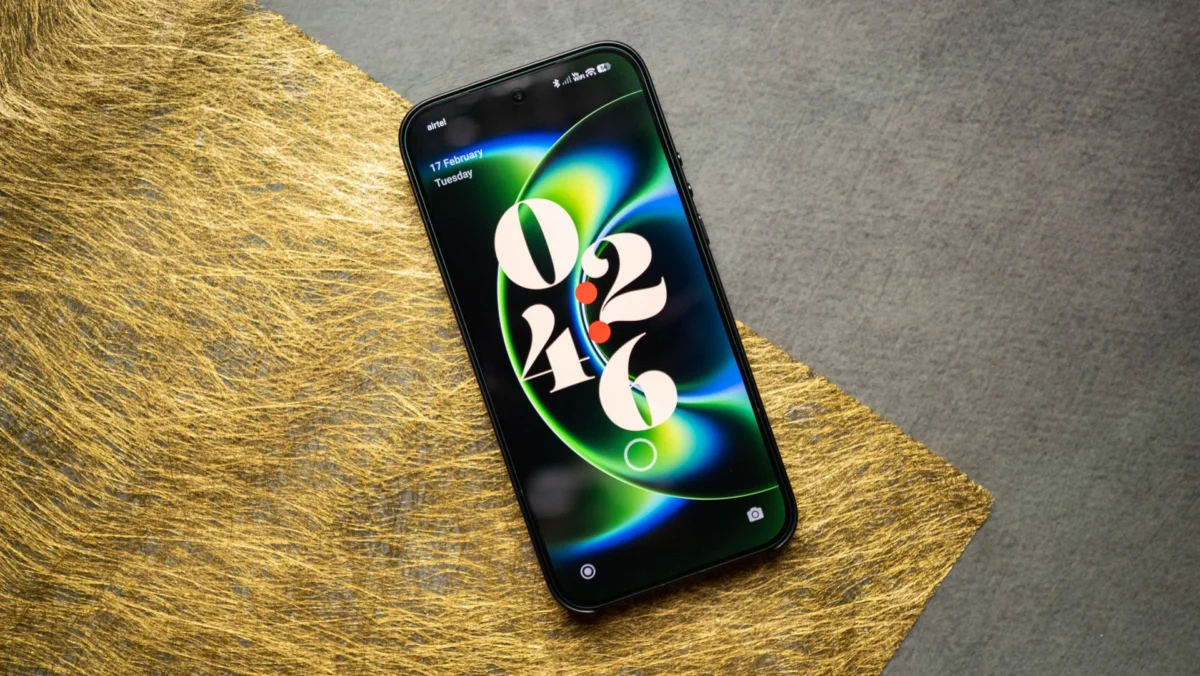
Xiaomi has officially confirmed that its upcoming flagship smartphone lineup, headlined by the Xiaomi 18 Pro, will incorporate a cutting-edge smart privacy display built directly into the device’s hardware. This technological advancement signals a major shift in how mobile manufacturers approach on-device security and user privacy in public spaces. Following similar implementations by major competitors like Samsung with the Galaxy S26 Ultra, Xiaomi’s latest hardware feature aims to eliminate the traditional vulnerabilities associated with viewing sensitive information in crowded environments without sacrificing the visual clarity of the primary user.
The announcement, which was detailed through a series of official teasers published on Weibo, builds on previous confirmations that the Xiaomi 18 series will feature innovative design elements, including a distinctive and functional rear display. As smartphone usage increasingly involves sensitive tasks such as mobile banking, corporate communication, and private messaging in public settings, manufacturers are pivoting toward integrated hardware solutions rather than relying solely on software settings or aftermarket physical accessories.
Evolution of Mobile Privacy Technology
For years, smartphone users seeking to protect their screens from prying eyes have turned to third-party accessories, most notably privacy screen protectors. These tempered glass or plastic filters use micro-louver technology to restrict the viewing angles of the display. While effective at obscuring content from sideways glances, traditional privacy protectors introduce several well-documented drawbacks. They frequently reduce overall screen brightness, degrade color accuracy, introduce a noticeable grainy texture to the display, and interfere with under-display optical fingerprint scanners.
Software-based privacy solutions have offered marginal improvements by dimming notifications or utilizing facial recognition to hide sensitive preview text when unauthorized faces are detected nearby. However, these software fixes do not stop a nearby observer from reading the contents of emails, messaging apps, or financial applications once the phone is unlocked.
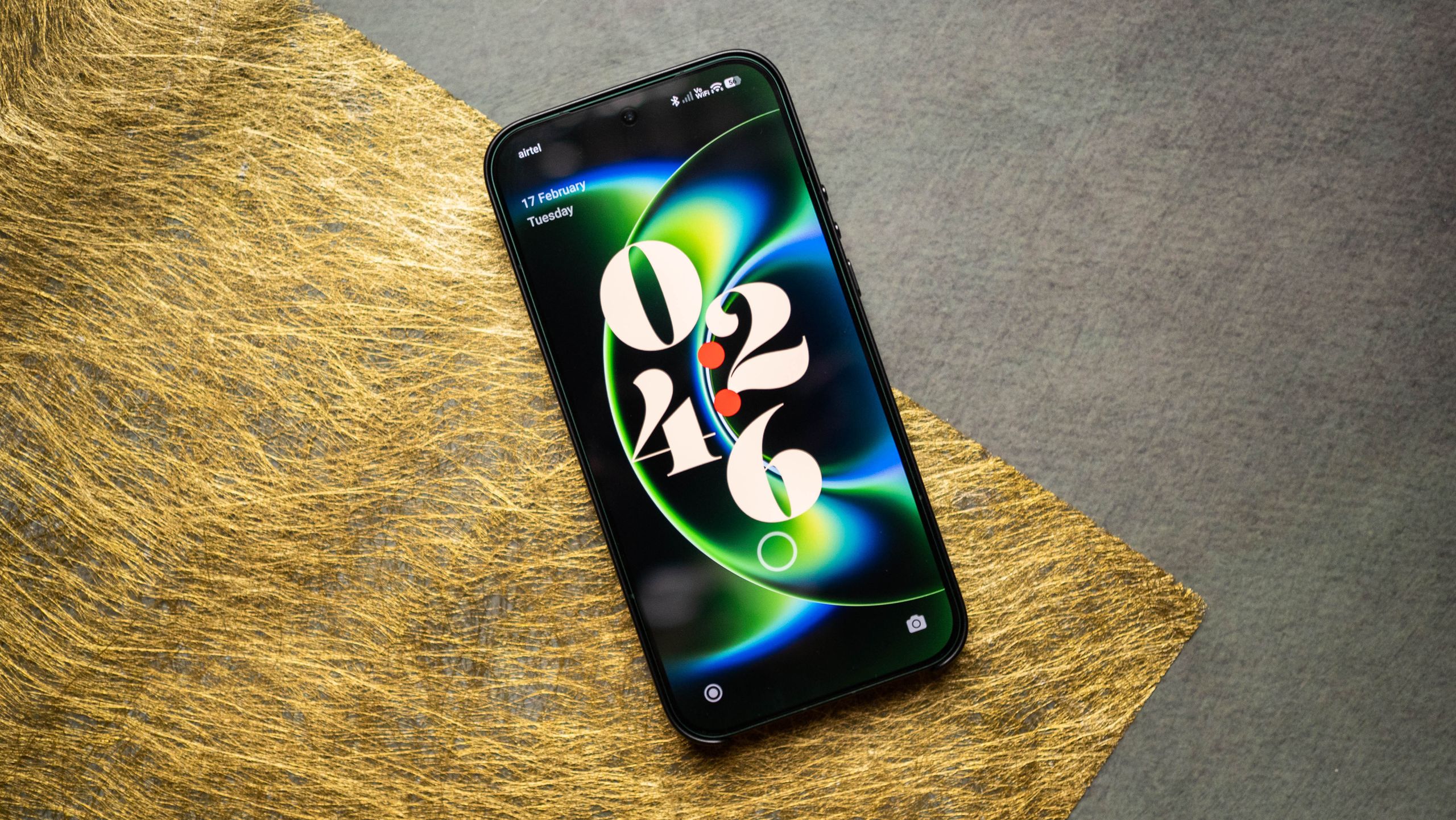
The paradigm shifted significantly when Samsung introduced its proprietary hardware-level Privacy Display on the Galaxy S26 Ultra. By manipulating the physical properties of the display panel itself, Samsung allowed users to toggle a narrow viewing cone electronically. Xiaomi’s upcoming implementation on the Xiaomi 18 Pro follows this hardware-centric approach but introduces proprietary engineering refinements designed to overcome the limitations observed in earlier iterations.
Technical Specifications and Display Performance
According to Xiaomi’s technical disclosures, the smart privacy display on the Xiaomi 18 Pro is engineered to maintain optimal visual performance for the primary user while drastically dropping illumination levels for anyone viewing the screen from an oblique angle.
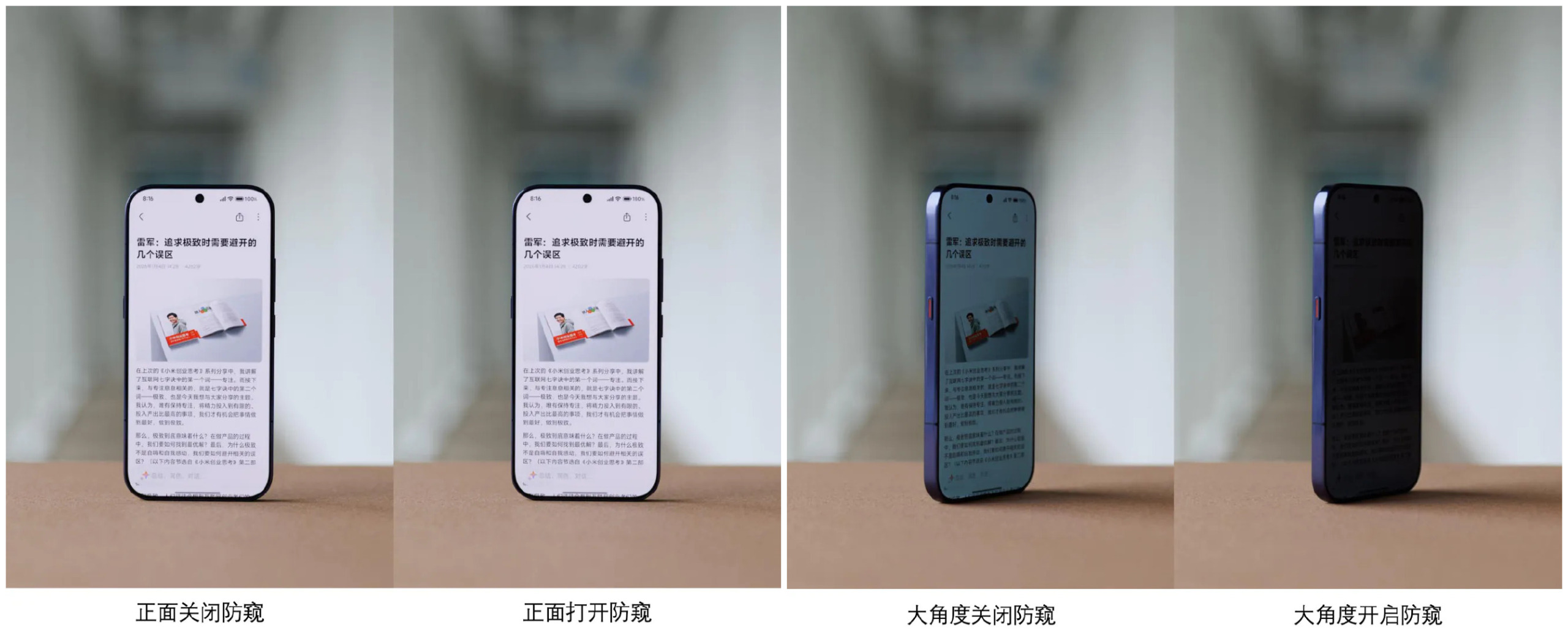
A primary critique of early hardware privacy displays—such as those seen on the Galaxy S26 Ultra—was that activating the privacy mode resulted in a noticeable reduction in brightness for the user directly facing the device. Xiaomi claims to have successfully mitigated this issue. In official demonstrations, the company showed that the Xiaomi 18 Pro preserves normal front-on brightness levels even when the smart privacy mode is fully engaged.
The core mechanics of the system rely on precise control of light emission angles. Once an observer moves beyond a 60-degree viewing angle relative to the center of the screen, the side brightness of the display drops precipitously to approximately 1 percent. At this threshold, the display appears virtually pitch black to anyone positioned to the side of the user, rendering text, images, and video entirely illegible.
Furthermore, Xiaomi has integrated intelligent software controls to automate the activation of the feature. Rather than forcing users to manually toggle the privacy mode on and off throughout the day, the system can be configured to dynamically engage based on context. For example, the display can automatically restrict visibility for specific sensitive notifications on the lock screen or protect private content running inside floating windows and multitasking views.
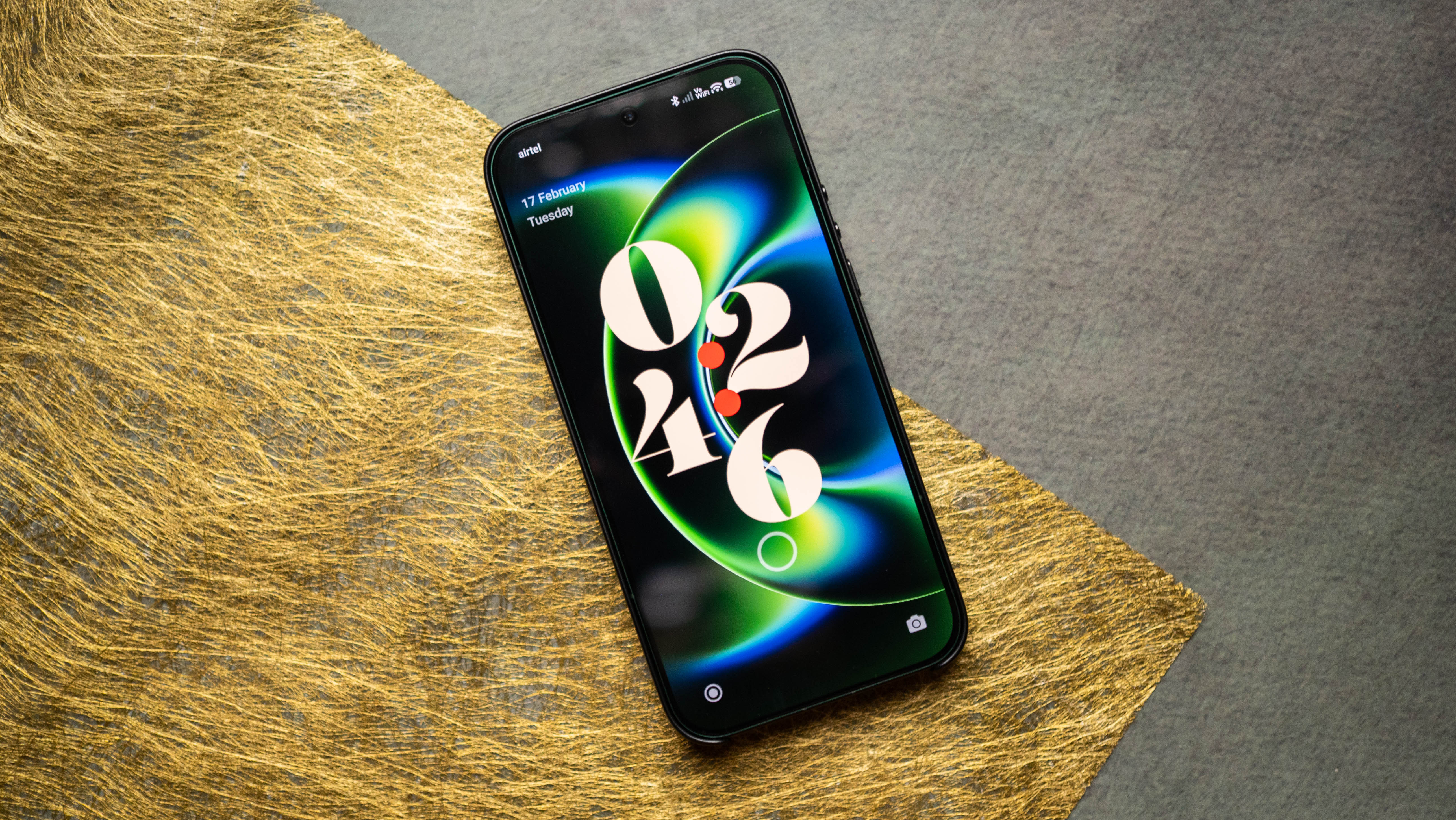
Market Context and Competitive Landscape
The launch of the Xiaomi 18 series comes at a time of intense competition within the global premium smartphone market. As hardware specifications such as processor speeds, RAM capacities, and base camera resolutions reach a point of diminishing returns for the average consumer, manufacturers are actively seeking differentiated features that offer tangible, everyday utility.
Privacy and security have steadily climbed to the top of consumer priority lists. With regulatory frameworks like the European Union’s GDPR and increasing global awareness of digital surveillance, data privacy is no longer confined to backend software encryption. Physical privacy in public spaces—often referred to in tech circles as "shoulder surfing protection"—represents the next frontier in comprehensive device security.
By adopting integrated privacy display technology shortly after Samsung’s rollout in the Galaxy S26 Ultra, Xiaomi is positioning itself at the vanguard of display innovation. Industry analysts note that while Samsung established the viability of hardware-level viewing angle restriction in ultra-premium flagships, Xiaomi’s iterative improvements regarding front-on brightness retention could set a new benchmark for the industry. If consumers respond favorably to the Xiaomi 18 Pro’s execution, the technology is expected to trickle down to upper-mid-range and standard flagship models across competing brands in subsequent product cycles.
Broader Implications for Mobile Design and Manufacturing
Integrating complex privacy hardware directly into an OLED or AMOLED display panel presents significant manufacturing and supply chain challenges. Panel manufacturers must embed specialized polarizing layers or micro-optical structures that can be dynamically altered through electrical current without compromising the structural integrity, refresh rate, or energy efficiency of the screen.
The inclusion of these advanced display layers, combined with the previously teased secondary rear display, underscores Xiaomi’s aggressive R&D investment in hardware differentiation. As Chinese smartphone brands continue to capture market share in high-end segments globally, technological leadership in display engineering serves as a crucial tool for justifying premium price points.
Timeline and Availability
Anticipation for the Xiaomi 18 series has reached a fever pitch following weeks of controlled leaks and official marketing campaigns. With the official launch event scheduled to take place in just a few days, industry observers and prospective buyers will soon have the opportunity to independently test the real-world efficacy of the smart privacy display.
Detailed reviews are expected to shed light on whether Xiaomi’s claims regarding brightness retention hold up under varied lighting conditions, how the feature impacts overall battery consumption, and how seamlessly the automated software triggers operate in daily use. As the official release date arrives, the tech community will closely monitor how this feature performs against established benchmarks, marking a significant milestone in the evolution of smartphone display technology.