
The photography world is abuzz with renewed interest in the Nikon Z6, a camera that, despite its initial release in 2018, is proving to be a remarkably resilient and attractive option for photographers seeking full-frame capabilities without a prohibitive price tag. Recent search trends indicate a surge in attention towards this established mirrorless model, prompting a closer examination of why it continues to capture the attention of both seasoned professionals and aspiring enthusiasts.
The allure of full-frame photography is undeniable. The larger sensor size inherently offers advantages in low-light performance, dynamic range, and the ability to achieve shallower depth of field, resulting in that sought-after creamy bokeh that distinguishes many professional-quality images. For many photographers, the journey often involves a contemplation of upgrading to a full-frame system. While it’s crucial to acknowledge that sensor size alone does not guarantee photographic prowess, and advancements in APS-C, Micro Four Thirds (MFT), and even compact camera technologies have been significant, the aesthetic qualities associated with full-frame imaging remain a compelling aspiration. This desire mirrors the admiration often directed towards medium format systems, highlighting a persistent appreciation for the image rendition capabilities of larger sensors.
However, the primary barrier to entry for full-frame photography has historically been cost. The manufacturing of larger sensors is inherently more expensive, and full-frame cameras often come equipped with cutting-edge specifications and advanced features. Furthermore, the accompanying full-frame lens ecosystem typically commands higher prices compared to their crop-sensor counterparts. This financial reality can render full-frame imaging seemingly out of reach for photographers operating on a tighter budget. This is precisely where the secondary market emerges as a critical and often overlooked avenue for acquiring high-quality imaging equipment. Reputable dealers specializing in pre-owned camera gear, such as MPB and KEH Camera, play a vital role in democratizing access to professional-grade equipment.
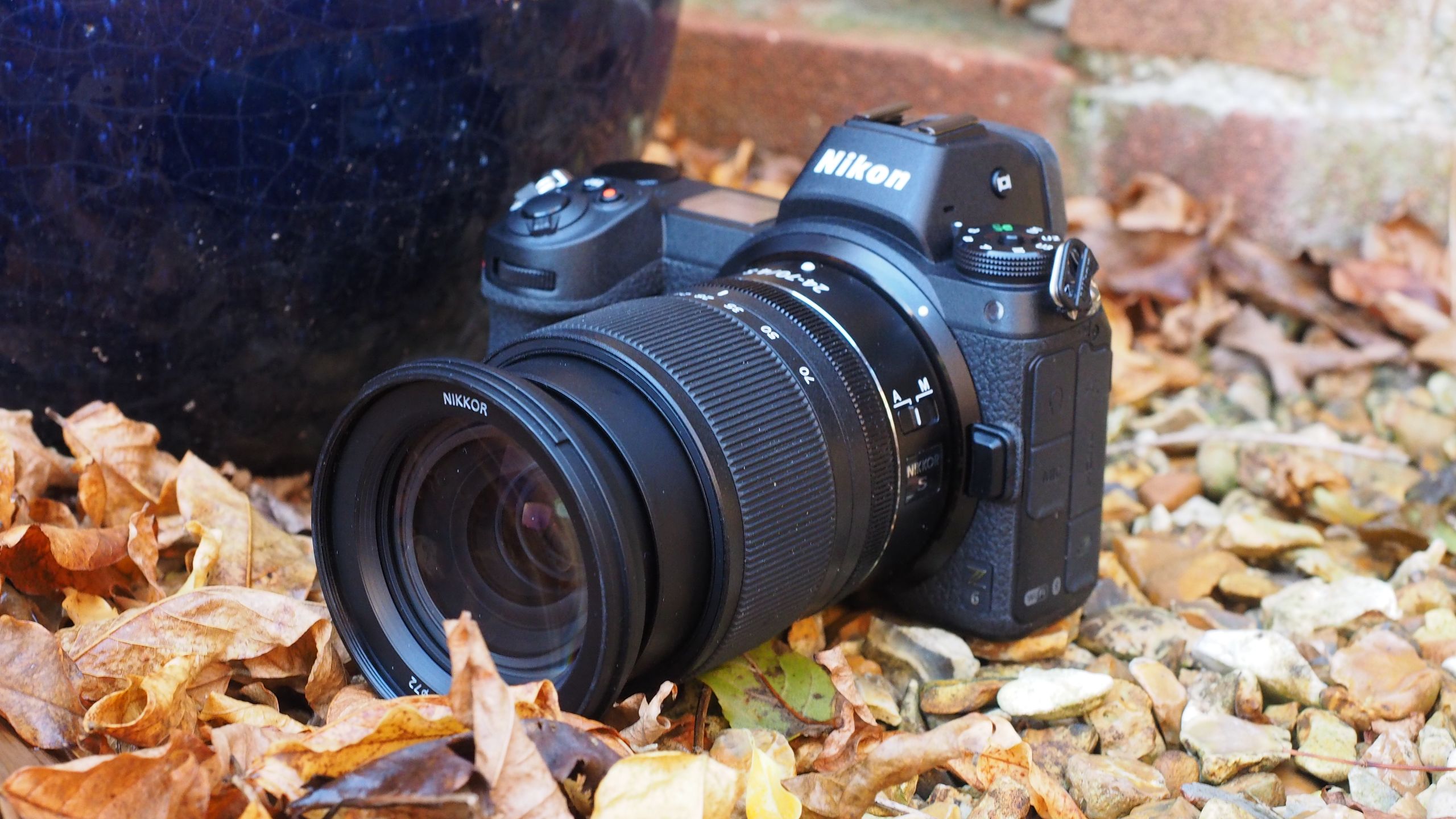
The Nikon Z6, alongside its higher-resolution sibling the Nikon Z7, marked Nikon’s ambitious entry into the full-frame mirrorless arena with the introduction of the innovative Z mount in 2018. This move signaled a significant shift in Nikon’s strategy, aiming to compete directly with established mirrorless systems and the burgeoning market for compact, high-performance cameras.
The Z6 vs. Z7: Key Distinctions
The fundamental difference between the Nikon Z6 and the Z7 lay in their sensor resolution. The Z6 was engineered around a 24.5-megapixel full-frame sensor, offering a balance of image quality and file size, while the Z7 boasted a higher-resolution 45.7-megapixel sensor, catering to photographers who prioritize detail and cropping flexibility. Both cameras were met with generally positive reviews upon their release, but they also faced criticism from some professional circles. Notably, the initial models were equipped with a single XQD/CFexpress card slot, which was considered a limitation for workflows demanding redundancy or rapid data transfer. Additionally, the absence of an integrated battery grip option at launch was a point of contention for those requiring extended shooting times and improved ergonomics for larger lenses.
Addressing Early Criticisms: Firmware and Successors
Nikon was not slow to address the performance concerns raised by early adopters. A significant firmware update was released for both the Z6 and Z7, which notably improved the autofocus (AF) performance, enhancing the cameras’ capabilities in tracking moving subjects and performing in challenging lighting conditions. These updates were crucial in bridging the gap between the initial offerings and the evolving demands of professional photography.
The Z6 and Z7, while pioneering for their time, ultimately paved the way for their successors, the Nikon Z6 II and Z7 II. These Mark II versions were designed to rectify the shortcomings of their predecessors. The Z6 II, for instance, introduced dual card slots (one XQD/CFexpress and one UHS-II SD), a more robust battery grip option, and further autofocus enhancements, solidifying Nikon’s commitment to refining its mirrorless system. The Z7 II similarly benefited from these improvements, offering a more complete and professional-grade package. Consequently, the original Z6 and Z7, while still capable cameras, were gradually phased out of new production, transitioning to the used market.
The Enduring Appeal of the Nikon Z6
Despite the advancements brought by the Mark II models and subsequent generations of mirrorless cameras, the Nikon Z6 continues to hold significant appeal, particularly for photographers who are budget-conscious yet aspire to experience the benefits of full-frame imaging. The resurgence of interest, evidenced by its trending status, is largely attributable to the incredibly attractive prices now available on the used market.
As of 2026, pre-owned Nikon Z6 bodies can be found starting at remarkably low price points, often in the region of $609 USD or £434 GBP from reputable dealers like MPB. This pricing places the Z6 within reach of individuals who might typically consider entry-level APS-C or even advanced compact cameras. This affordability transforms the perceived exclusivity of full-frame photography into a tangible possibility for a wider audience.
Leveraging Existing Glass: The FTZ II Adapter
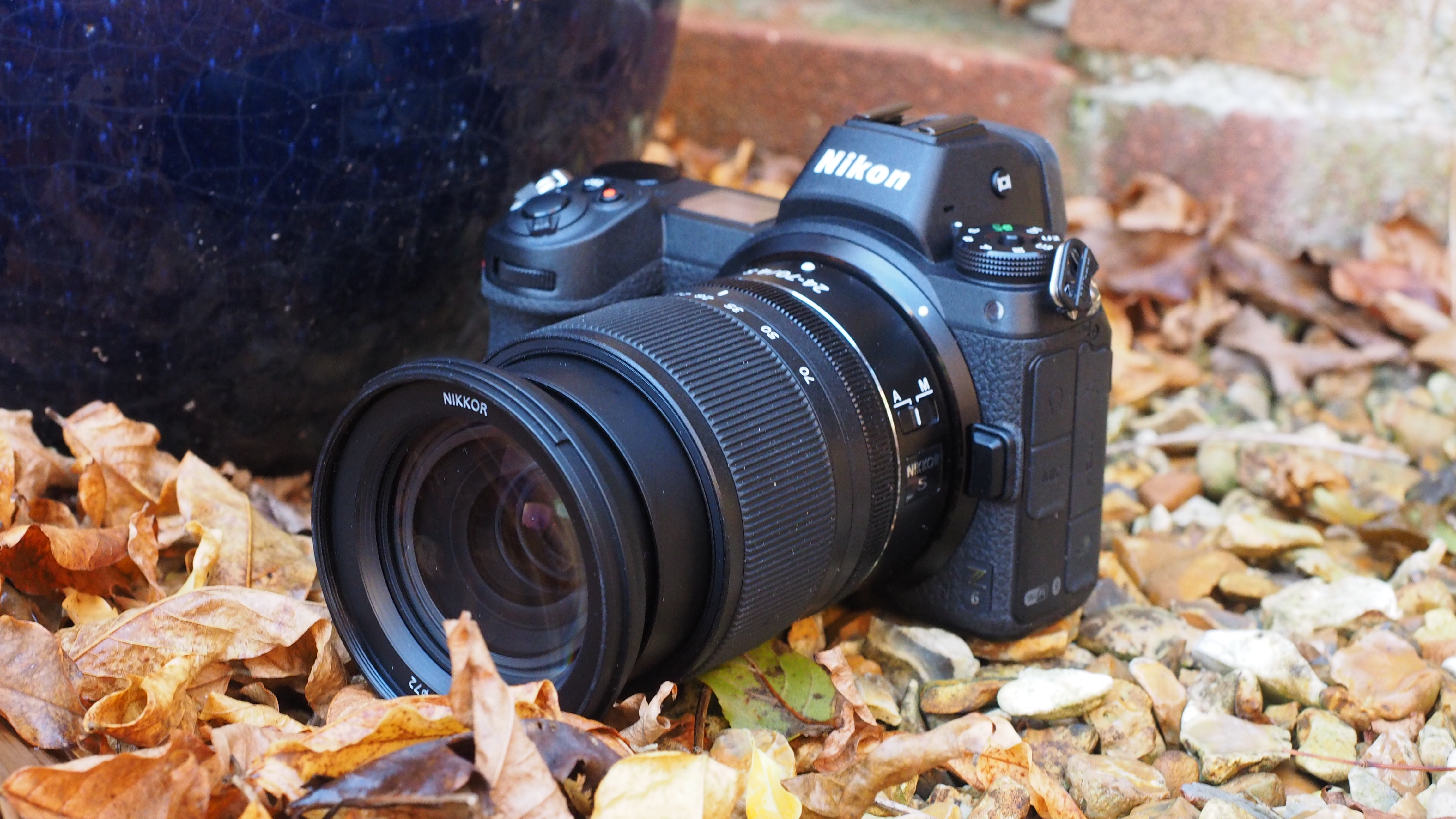
A significant advantage for existing Nikon DSLR users looking to transition to the Z system is the compatibility afforded by the Nikon FTZ II mount adapter. This adapter allows photographers to seamlessly mount a vast array of Nikon F-mount DSLR lenses onto the Z-mount mirrorless bodies. This means that a substantial investment in high-quality NIKKOR lenses need not be abandoned. Full-frame F-mount lenses, in particular, should function flawlessly, retaining their original focal length and optical characteristics. While APS-C (DX) format lenses will inevitably trigger a crop mode on the full-frame sensor, the ability to utilize existing glass significantly reduces the overall cost of adopting the Z system. This pragmatic approach to lens compatibility is a key factor in the Z6’s continued relevance.
Considerations for the Budget-Conscious Buyer
While the Nikon Z6 presents an exceptional value proposition, prospective buyers should be aware of a few key considerations, particularly concerning memory cards. The camera’s single card slot utilizes the XQD or CFexpress format. These cards, while offering high read/write speeds essential for high-resolution shooting and video, can represent an additional investment if the buyer does not already possess them. A suitable memory card can add approximately $100 USD or £100 GBP to the overall cost. Therefore, factoring in the expense of an XQD or CFexpress card is crucial when budgeting for the Z6.
Performance in Context: Is it Still Competitive?
In a direct comparison with the latest generation of full-frame mirrorless cameras, the Nikon Z6, by definition, will not match the cutting-edge specifications in areas such as autofocus speed and subject tracking, burst shooting rates, or the most advanced video capabilities. Modern cameras often feature more sophisticated sensor technologies, faster processors, and more comprehensive feature sets.
However, for photographers whose primary objective is to transition into the full-frame ecosystem and capture images with the characteristic depth, detail, and low-light performance that full-frame sensors provide, the Nikon Z6 remains an exceptionally compelling option at its current price point. Its image quality, particularly in good lighting conditions, is still excellent. The ergonomic design, intuitive user interface, and the overall build quality, characteristic of Nikon products, contribute to a satisfying shooting experience.
Broader Implications and Market Dynamics
The sustained interest in the Nikon Z6 underscores a significant trend in the camera market: the increasing viability of well-established, first-generation professional mirrorless cameras as affordable entry points into advanced imaging. As manufacturers continue to innovate and release newer models, older, yet still highly capable, cameras are becoming available at prices that significantly lower the barrier to entry for many consumers. This dynamic benefits photographers by expanding their choices and making professional-grade equipment more accessible.
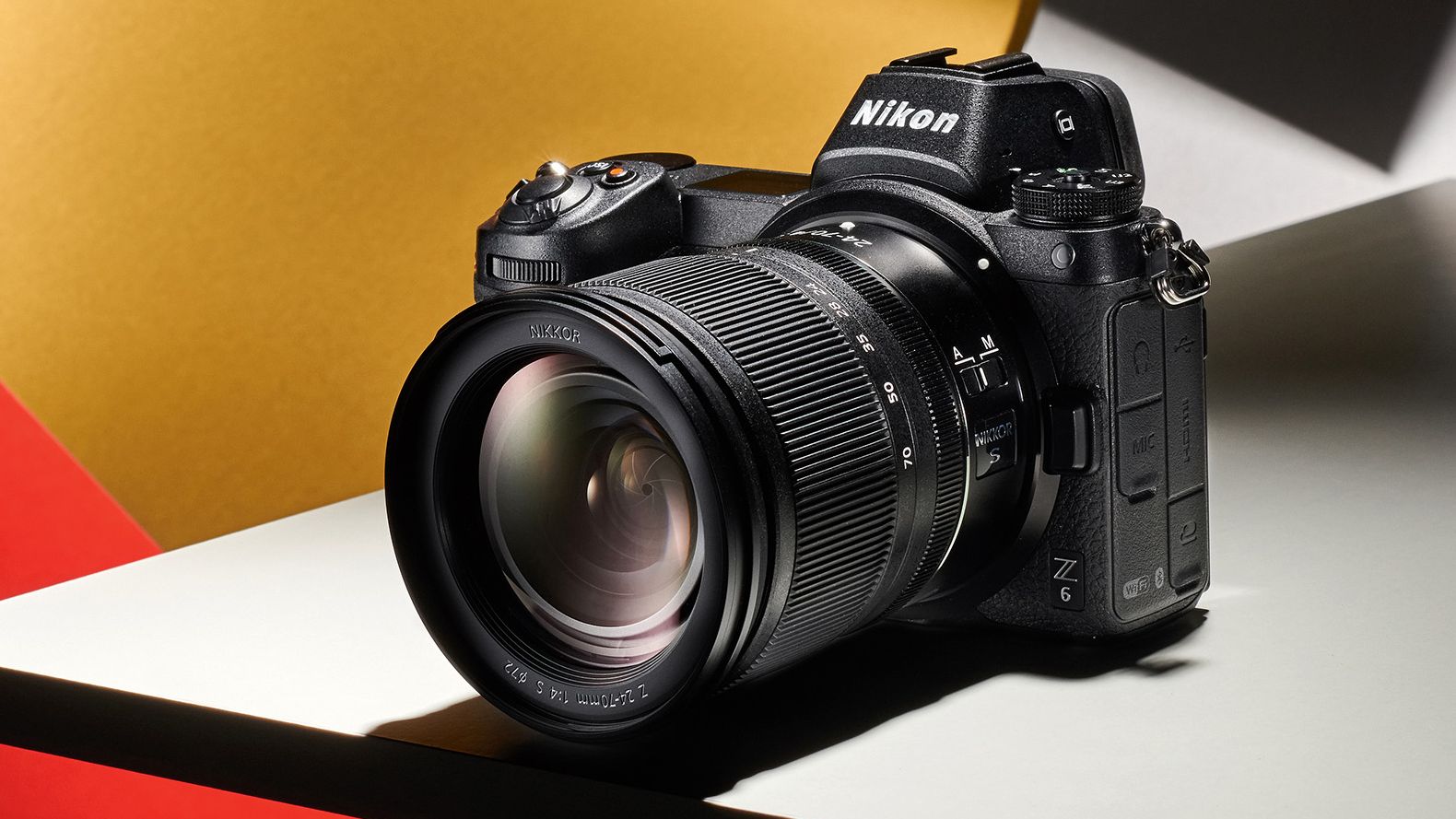
The availability of high-quality used gear also contributes to a more sustainable photography ecosystem, encouraging the reuse and repurposing of valuable equipment. Retailers like MPB and KEH Camera are instrumental in facilitating this circular economy within the photography industry, providing consumers with confidence through warranties and quality checks on pre-owned items.
The Nikon Z6’s journey from a groundbreaking launch to a trending bargain highlights the cyclical nature of technology adoption. While it may no longer be at the forefront of technological innovation, its fundamental strengths in image quality and its inherent full-frame capabilities, combined with its current affordability, make it a standout choice for a specific segment of the photography market in 2026. For those seeking the aesthetic advantages of full-frame imaging without the premium cost of the latest models, the Nikon Z6 represents an astute investment and a testament to the enduring value of well-engineered photographic tools. The ability to leverage an existing collection of Nikon DSLR lenses further solidifies its position as a smart, budget-friendly gateway to the world of full-frame mirrorless photography.