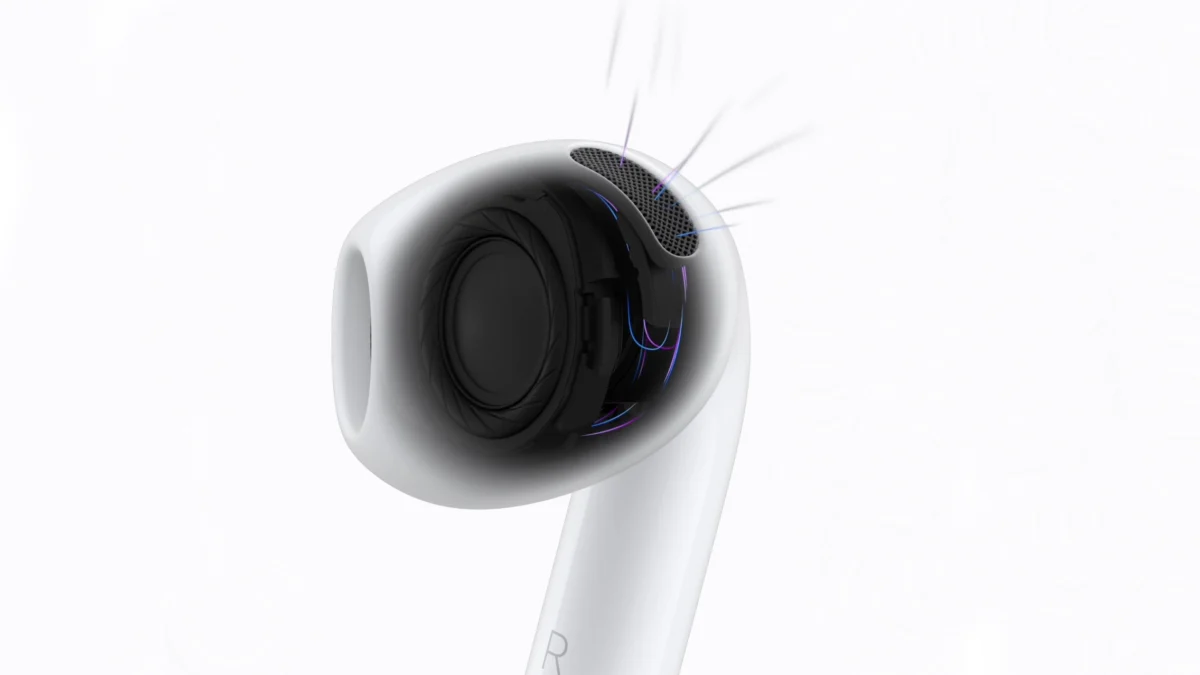
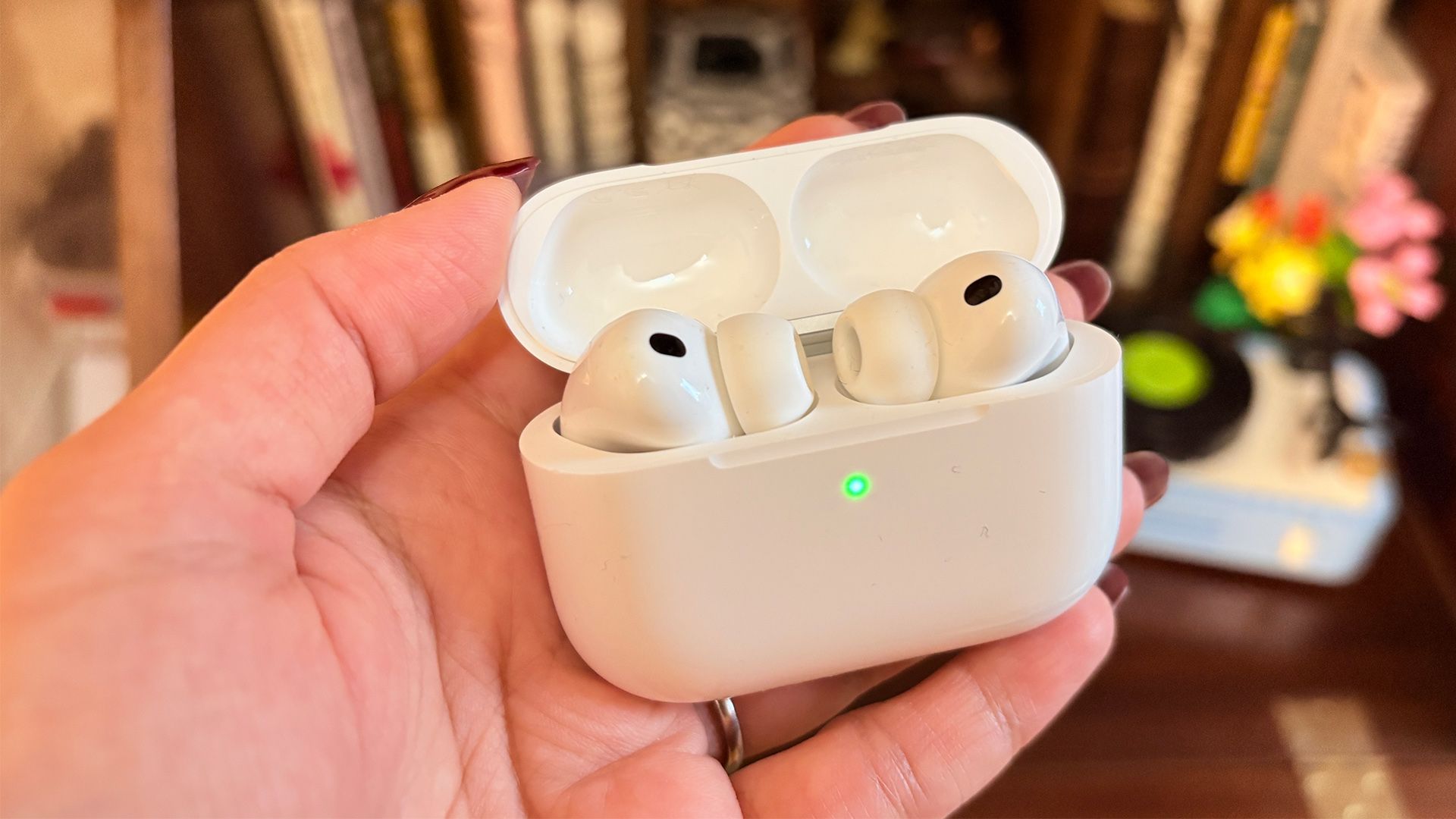
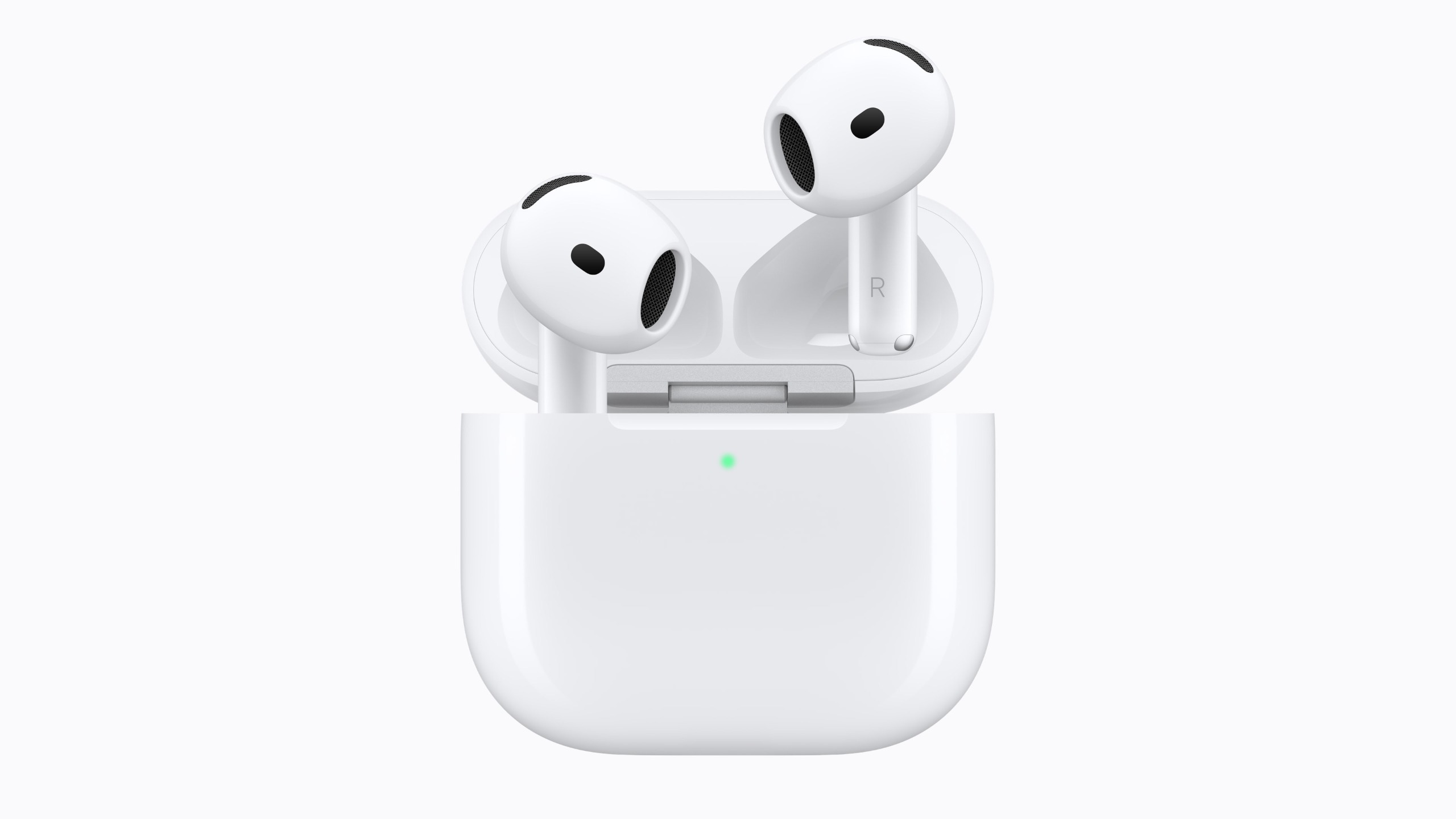
The much-anticipated reveal of Apple’s rumored camera-integrated wireless earbuds, tentatively dubbed the AirPods Ultra, did not materialize during the company’s September 9th iPhone 18 launch event. Industry analysts and supply chain observers have noted a significant shift in the expected product roadmap, with the release window for this advanced audio hardware now reportedly pushed back to 2027. This postponement provides a clearer stage for Apple’s most recent hardware successes, including the newly launched AirPods 5 and the innovative iPhone Duo, while allowing the engineering teams additional time to refine the complex integration of visual sensors into the compact form factor of a hearable device.
The Evolution of the AirPods Roadmap
The concept of integrating cameras into AirPods first gained traction in early 2024, when patent filings and supply chain leaks suggested that Apple was experimenting with embedded infrared (IR) cameras. The technical objective of this initiative appears to be rooted in spatial computing and augmented reality (AR) rather than traditional photography or video recording. By embedding these sensors into the earbuds, Apple aims to enhance its "Visual Intelligence" ecosystem, allowing the hardware to interpret the wearer’s surroundings to provide real-time data overlays or environmental context.
The timeline for this project has been marked by caution. Initial rumors suggested a potential late 2025 or early 2026 window, but the complexity of miniaturizing camera modules without compromising battery life or acoustic performance has necessitated a longer development cycle. Reports emerging from the macOS Tahoe development documentation further support the idea that these sensors are designed for practical, utility-based tasks—such as identifying physical objects like books or landmarks—to facilitate integration with AI-driven assistance features.
Addressing Privacy and Ethical Concerns
The integration of cameras into wearable devices has historically faced significant public and regulatory scrutiny. The recent controversy surrounding smart glasses, which allow users to record images and videos discreetly, has set a high bar for consumer trust. Apple’s decision to delay the AirPods Ultra may be a strategic move to ensure that its implementation of camera technology is perceived as a tool for accessibility and environmental awareness rather than surveillance.
Industry experts suggest that Apple’s focus will likely remain on "Privacy by Design." Unlike competing products that prioritize capture-centric features, the AirPods Ultra are expected to utilize IR cameras primarily for spatial awareness, accessibility, and improving Active Noise Cancellation (ANC) through real-time environmental analysis. By distancing the product from the potential for covert recording, Apple aims to avoid the reputational risks that have plagued competitors in the wearable space.
Technological Hurdles and the H-Series Chip
One of the primary challenges in the development of the AirPods Ultra is the limitation of current silicon. The current H2 chip, while highly efficient at processing audio and managing connectivity, is already operating near peak capacity to handle features such as live translation, adaptive transparency modes, and advanced health monitoring. Introducing camera-driven AI processing would likely require a successor to the H2—potentially an H3 or H4 chip—capable of handling high-speed computer vision tasks without inducing thermal throttling or catastrophic battery drain.
The industry expectation is that these earbuds will likely be positioned as a high-end variant of the AirPods Pro line. Given the already extensive feature set of the AirPods Pro 3, which includes refined acoustic architecture and dynamic sound balancing, the addition of a camera represents a generational leap in hardware complexity. The engineering team must resolve how to maintain the multi-day battery life that consumers have come to expect from Apple’s audio lineup while powering a constant-on or gesture-triggered camera system.
Market Context: AI and the Competitive Landscape
The delay of the AirPods Ultra occurs against a backdrop of intense competition in the AI and wearable tech sectors. Apple is currently navigating a landscape where companies like Google, Meta, and various LLM developers are racing to integrate generative AI into everyday hardware. While the new conversational Siri, launched alongside the iPhone 18, represents a significant improvement in natural language processing, it remains to be seen how the broader Apple Intelligence ecosystem will differentiate itself from the rapid progress of competitors like Gemini or Claude.
The AirPods Ultra are viewed by many as a vital component in Apple’s strategy to embed its ecosystem into the user’s daily life. By moving beyond simple audio playback and into visual data processing, Apple hopes to offer "practical AI"—solutions that assist in real-time decision-making rather than merely generating content. The delay allows Apple to align the launch of these earbuds with a more mature version of its AI software, ensuring that the hardware is not a novelty, but a functional extension of the user’s digital life.
Assessing the Current Audio Ecosystem
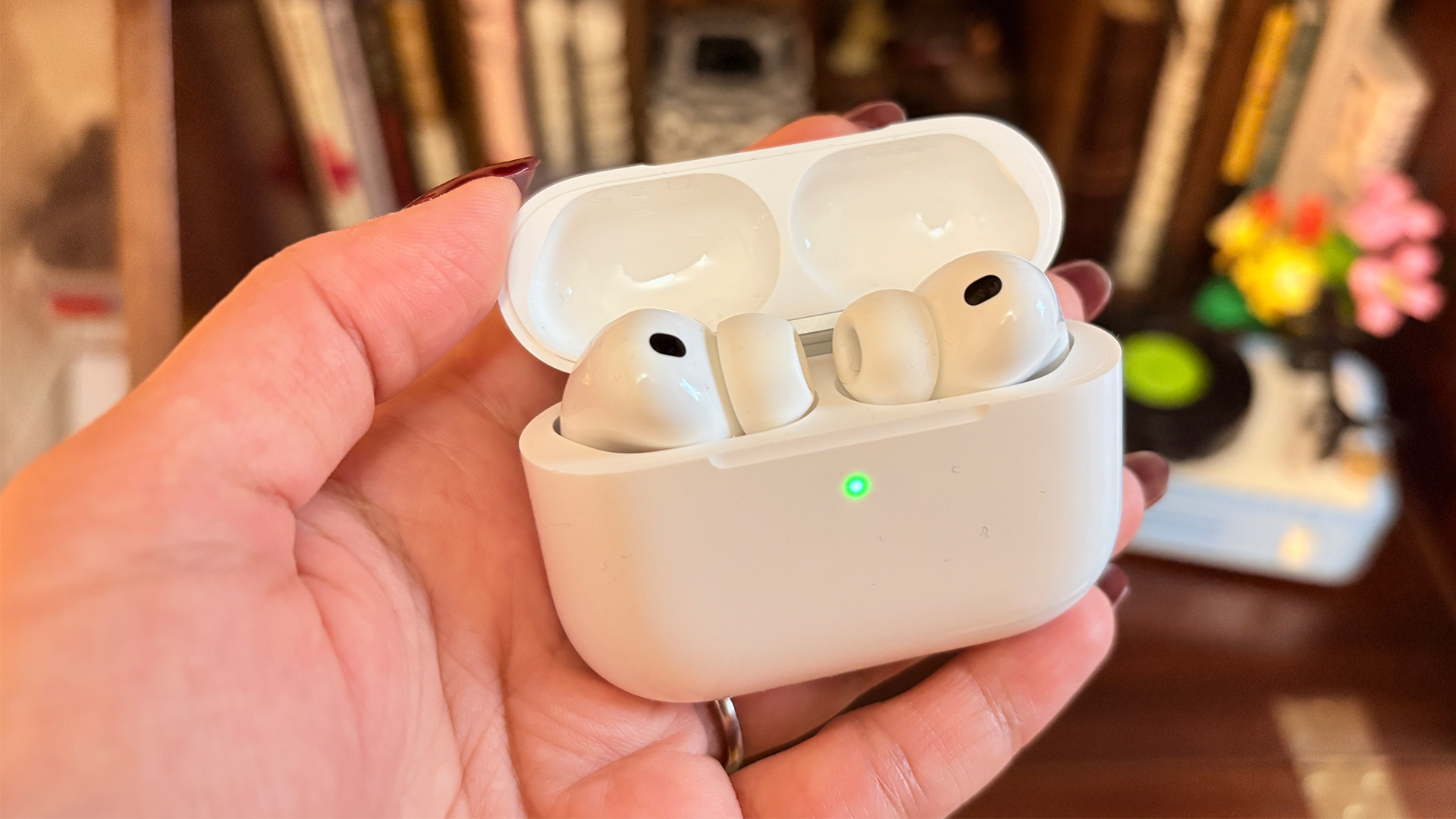
Despite the absence of the camera-equipped models, the core of Apple’s audio portfolio remains strong. The newly released AirPods 5 have been met with positive reception, particularly regarding their 50 percent improvement in ANC performance and updated acoustic architecture. For the average consumer, the priority remains the quality of sound and the reliability of the ANC, areas where the current AirPods Pro 3 continue to compete at a high level.
Comparative analysis shows that while the Sony WF-1000XM6 continues to hold the benchmark for pure audio fidelity and noise-canceling versatility, Apple maintains a dominant position through its seamless integration with the iOS ecosystem. The AirPods Pro 3 remain a five-star recommendation for users deeply embedded in Apple’s hardware suite. The introduction of the AirPods Ultra will likely represent a divergence in the product line: a bifurcated approach where standard models focus on acoustic excellence, while the Ultra tier explores the frontier of spatial computing.
Looking Ahead to 2027
The postponement to 2027 is a significant indicator of the current state of R&D within Cupertino. It suggests that Apple is not willing to release a "first-generation" product that feels incomplete or compromises the brand’s focus on privacy and performance. The two-year extension allows the company to:
- Refine Sensor Technology: Optimize the IR camera modules to be smaller, more efficient, and less obtrusive.
- Develop Specialized Silicon: Create a dedicated audio/vision processor that can manage AI workloads without sacrificing the 6-to-8-hour battery life benchmarks standard for professional-grade earbuds.
- Software Maturation: Allow the Apple Intelligence platform to evolve, ensuring that the visual data captured by the earbuds has a robust, useful, and private software suite to process the information.
In summary, while the absence of the AirPods Ultra at the September event might have disappointed early adopters, the delay is fundamentally a strategic move. By focusing on the refinement of the AirPods 5 and ensuring that future "Ultra" products meet the high performance and privacy standards expected of the brand, Apple is positioning itself for a long-term evolution of the hearable category. The future of the AirPods appears to be shifting from a passive audio accessory to an active, intelligent assistant, provided the technology can be integrated without undermining the fundamental purpose of the device: delivering high-fidelity audio in a convenient, user-friendly package.