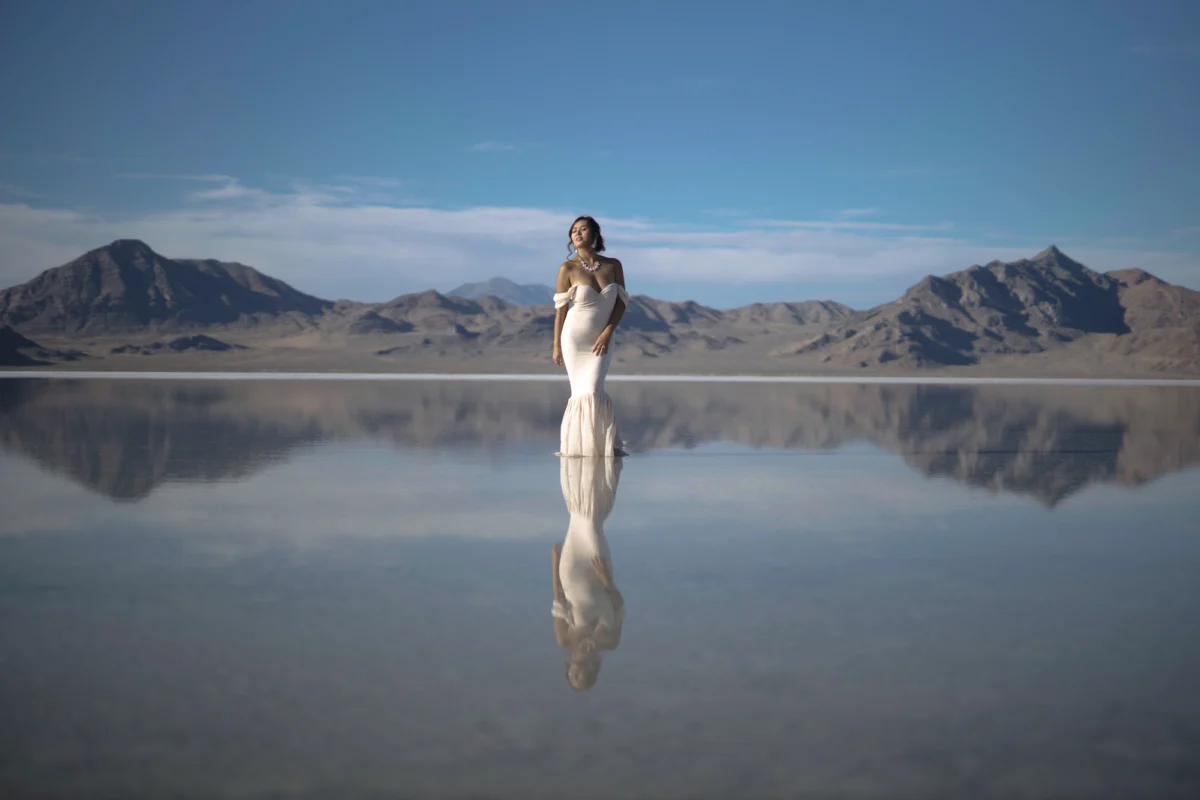
The evolution of digital photography has transitioned from simple documentation to a sophisticated medium of creative expression. While point-and-shoot imagery remains the standard for rapid social media engagement, professional and aspiring photographers are increasingly leveraging complex optical techniques to enhance the aesthetic depth and marketability of their work. Among these techniques, water reflection photography—the art of using reflective surfaces to mirror subjects—has emerged as a foundational skill for landscape, portrait, and architectural photographers. This practice serves not only as a compositional tool to introduce symmetry and negative space but also as a method for managing complex visual environments.

The Physics and Compositional Mechanics of Reflections
At its core, reflection photography operates on the principle of specular reflection, where light rays bounce off a smooth surface at an angle equal to the angle of incidence. When this surface is water, the fluidity of the medium introduces variables that distinguish it from static mirrors. Historical analysis of photography techniques shows that the rise of high-resolution digital sensors has allowed photographers to capture these reflections with unprecedented clarity, turning what was once a serendipitous discovery into a calculated artistic choice.
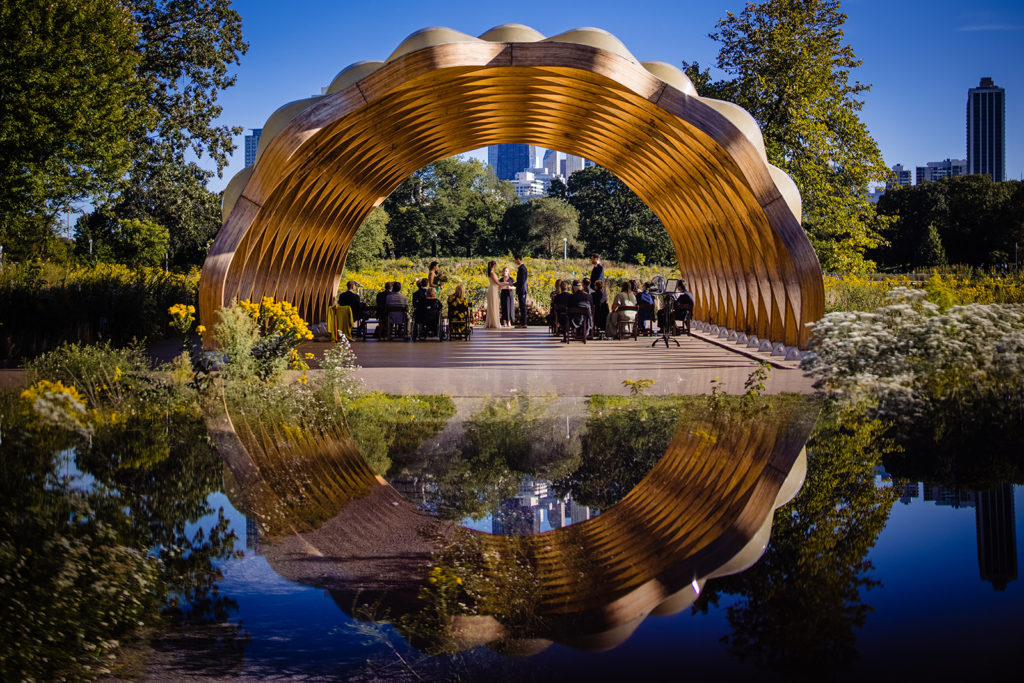
Compositionally, the use of reflections allows a photographer to bypass the limitations of traditional framing. By incorporating a reflection, a photographer can introduce elements from the periphery—such as overhead architectural details or natural canopy structures—into the foreground without necessitating the use of ultra-wide-angle lenses, which often introduce unwanted chromatic aberration or geometric distortion.

Technical Parameters for Optimal Execution
Achieving a high-quality reflective image requires a transition from automated camera settings to manual control. Data from recent industry surveys indicates that while modern AI-driven auto-exposure systems have improved, they frequently struggle with reflective surfaces. Because reflections often appear as darker, high-contrast areas compared to the ambient environment, automatic metering systems tend to underexpose the subject, leading to a loss of detail in the shadows.
Professional photographers recommend the following technical framework:

- Manual Exposure Calibration: By setting the camera to manual mode, the photographer can base the exposure on the reflection itself. This ensures the mirrored subject retains its luminosity, preventing the "muddy" aesthetic common in underexposed water photography.
- Shutter Speed and Movement Dynamics: The state of the water is the primary variable in the equation. Still water provides a mirror-like surface, ideal for sharp, high-fidelity imagery. However, moving water—affected by wind or current—requires a strategic choice in shutter speed. Slowing the shutter speed, a process known as "shutter dragging," can turn choppy, chaotic water into a smooth, painterly blur. This technique is often used to emphasize the abstract nature of the reflection rather than its literal representation.
- Aperture Management: To maximize the detail in a sharp, mirror-like reflection, narrowing the aperture to the f/8 to f/22 range is standard practice. This increases the depth of field, ensuring both the subject and the reflection remain in sharp focus.
Chronology of Environmental Considerations
The timing of a shoot is critical to the quality of light reflected. Observations from professional landscape photographers confirm that the "Golden Hour"—the periods shortly after sunrise and shortly before sunset—offers the most favorable lighting conditions. During these times, the sun’s low angle reduces the intensity of direct glare, which is the primary antagonist of water reflection photography. Midday sun, conversely, creates harsh highlights that often overwhelm the camera’s dynamic range, necessitating the use of specialized optical accessories.
To mitigate these challenges, the use of circular polarizing filters has become an industry standard. These filters function by blocking specific light waves, effectively reducing the glare on the surface of the water. This not only clarifies the reflection but also allows for slower shutter speeds under brighter conditions, providing greater creative flexibility.

The Role of Perspective and Focal Length
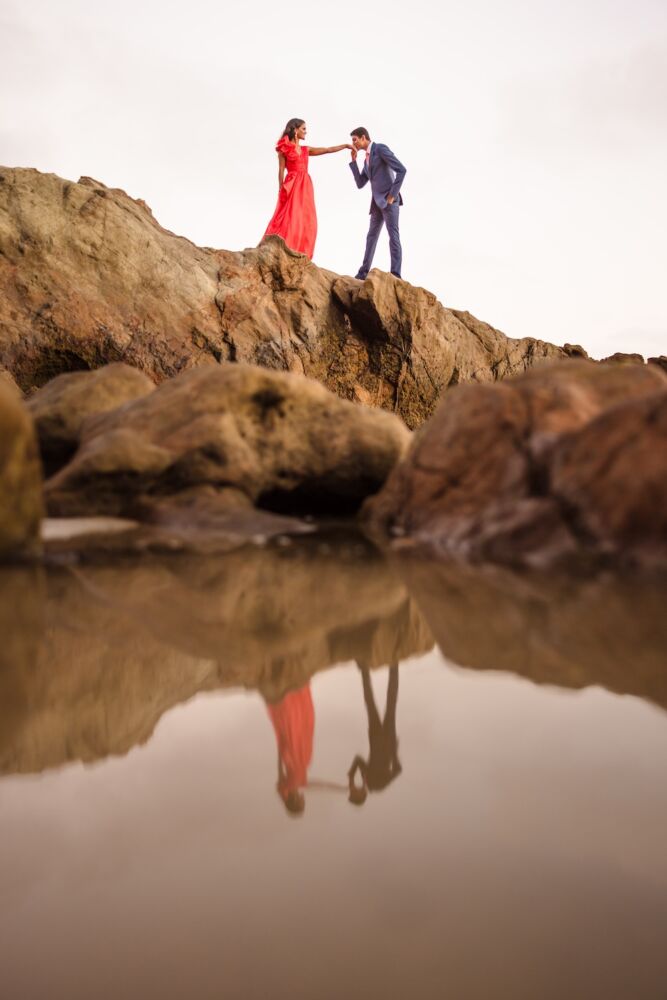
The physical positioning of the camera significantly alters the narrative of the image. The "low-angle" approach—where the lens is positioned as close to the water’s surface as possible—is the most effective way to create a seamless transition between the subject and its reflection. This technique is particularly prevalent in wedding and engagement photography, where creating a sense of intimacy and scale is paramount.
Focal length also plays a pivotal role in the final composition. Wide-angle lenses provide context, allowing the viewer to understand the environment surrounding the water. In contrast, telephoto or "tight" framing isolates the reflection, often removing the surrounding landscape. When the frame is inverted during post-processing, this isolation creates an abstract piece of art that challenges the viewer’s perception of reality. By removing context clues, the photographer forces the audience to engage with the shapes, colors, and textures of the reflection rather than the subjects themselves.
Beyond Natural Water Bodies: The Expansion of Reflective Surfaces
While natural lakes and rivers are the traditional canvases for this technique, contemporary photographers are increasingly utilizing urban environments to similar effect. Puddles, polished metallic surfaces, glass facades, and even high-gloss architectural flooring serve as valid alternatives. This shift has democratized the technique, allowing photographers in urban centers to practice reflective photography without access to natural landscapes.
Industry experts note that this versatility has had a broader impact on commercial photography. Retail and fashion brands now frequently request "reflective" imagery to create a sense of sophistication and ethereal beauty in their marketing campaigns. The implication for the craft is clear: the ability to identify and utilize reflective surfaces is no longer a niche skill but a required competency for any versatile photographer.
Data-Driven Implications for Professional Development
As cameras continue to evolve, the distinction between high-end digital SLR systems and mobile devices is narrowing. While smartphones are increasingly capable of capturing complex reflections, the lack of manual control over physical aperture remains a limitation. However, software-based computational photography is beginning to fill this gap. Despite this, the professional consensus remains that optical, hardware-based techniques provide a level of detail and artistic integrity that software cannot yet fully replicate.
Ultimately, the mastery of water reflection photography is a study in patience and precision. It requires the photographer to account for the physics of light, the behavior of water, and the limitations of their equipment. By systematically applying these techniques—ranging from the selection of the correct focal length to the precise timing of the shoot—photographers can significantly improve the visual impact of their portfolios. The transition from capturing a simple photograph to constructing an artistic composition is often found in the subtle, mirrored details that water reflections provide. Through diligent practice and an understanding of these technical parameters, photographers can ensure their work remains compelling in an increasingly visual-centric digital landscape.