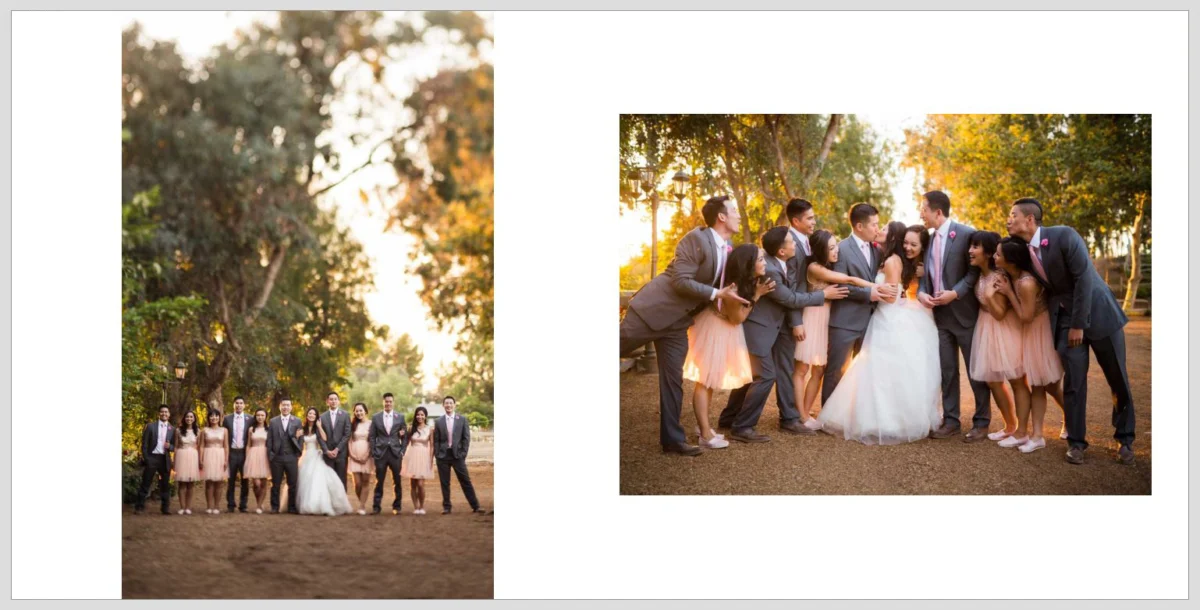
The seemingly minor decision of how a photo album is oriented—landscape, portrait, or square—can profoundly influence the final presentation and overall impact of cherished images. This choice extends beyond aesthetics, impacting design flexibility, image selection, and even practical considerations like storage. For both professional photographers curating client portfolios and individuals organizing personal memories, selecting the optimal orientation is key to enhancing storytelling, maximizing visual impact, and achieving a cohesive narrative. This comprehensive guide delves into the advantages and disadvantages of each orientation, common album dimensions, and strategic applications for achieving superior results.
Understanding Photo Album Orientations: A Quick Overview
Navigating the choices for your photo album’s orientation can feel complex. This guide provides a clear breakdown to help you pinpoint the most suitable format for your specific project.
Horizontal Albums (Landscape Orientation): The Panoramic Narrative
Landscape-oriented albums, characterized by their width exceeding their height, are a popular choice, particularly for traditional wedding albums, travel photography, and expansive nature or outdoor scenes. This format naturally lends itself to showcasing wide vistas and panoramic shots, allowing viewers to immerse themselves in the scene.

Advantages of Landscape (Horizontal) Albums:
- Enhanced Storytelling for Wide Scenes: Landscape orientation excels at capturing sweeping vistas, panoramic landscapes, and the grandeur of outdoor events like weddings or travel adventures. Images that are inherently wider than they are tall are presented without awkward cropping or wasted space.
- Impactful Single-Image Displays: A single, compelling landscape photograph can command a full page or even a two-page spread, creating a powerful focal point and drawing the viewer’s eye. This is particularly effective for "hero" shots that encapsulate the essence of an event or location.
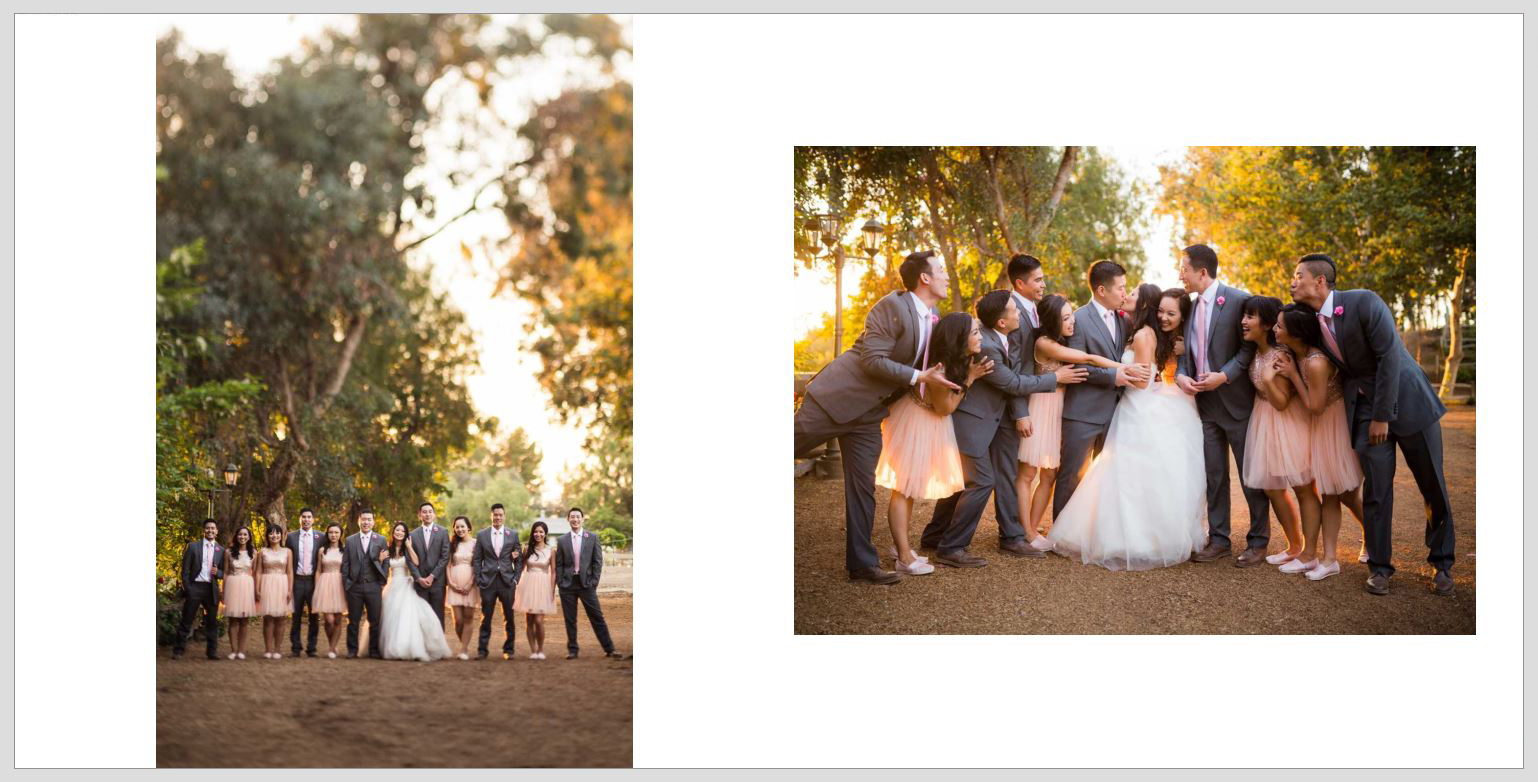
- Natural Flow for Group and Event Shots: Many group photographs, such as wedding party portraits or family gatherings, are naturally composed horizontally. Landscape albums accommodate these compositions comfortably, preserving the relationships between subjects and the overall scene.
- Accommodates Text and Accents: The wider format provides ample space to integrate text elements, such as captions, quotes, or even short narratives, alongside images without feeling cramped. It also allows for the inclusion of smaller, complementary images that add context or detail to a larger featured photograph.
- Traditional and Familiar: This orientation aligns with the historical prevalence of landscape-oriented prints and albums, offering a sense of familiarity and tradition that many clients appreciate, especially for significant life events.
Disadvantages of Landscape (Horizontal) Albums:
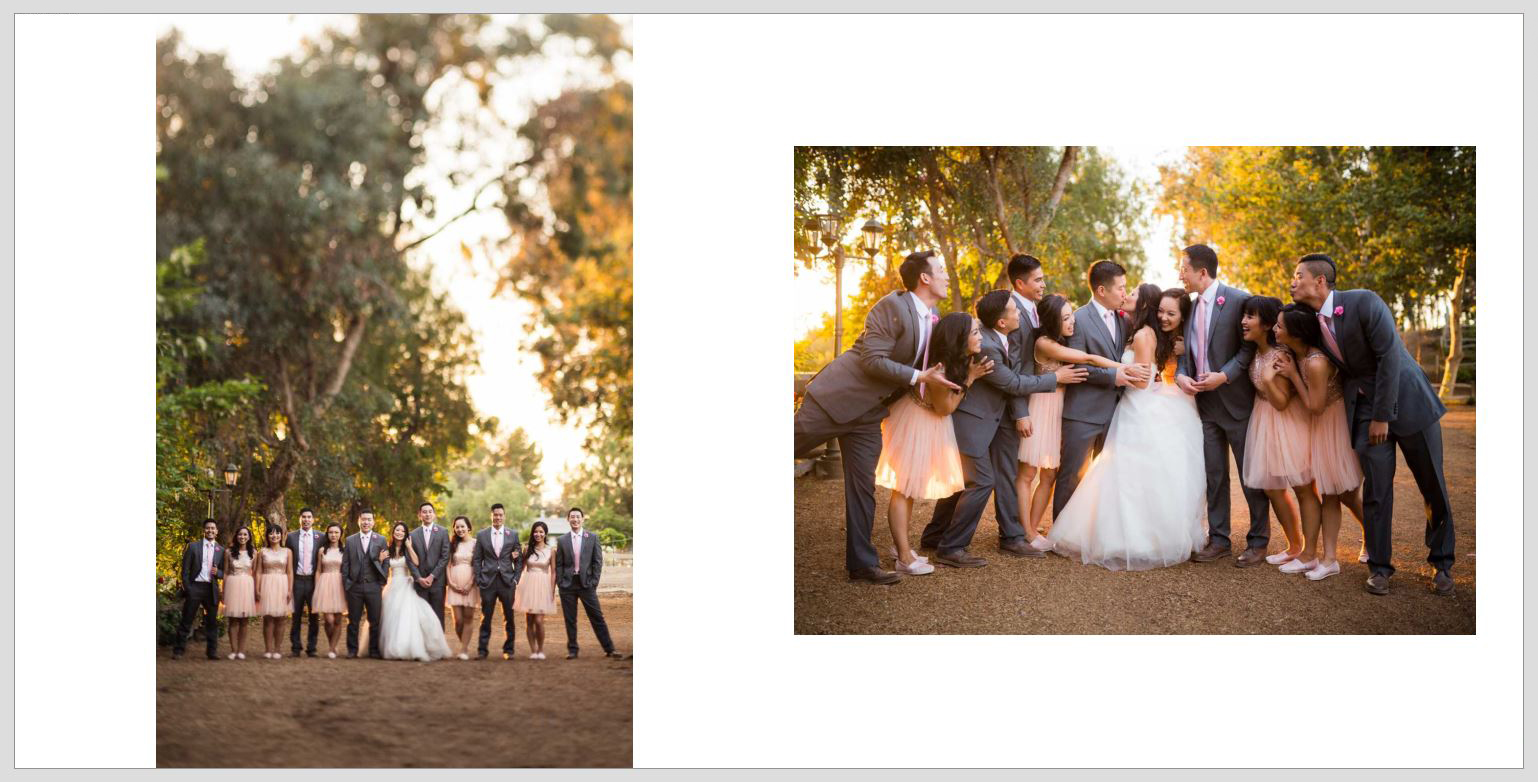
- Challenges with Portrait-Oriented Images: Displaying predominantly vertical photographs in a landscape album can be problematic. They may require significant cropping, potentially losing important elements, or they may appear small and unbalanced on the wide page, leading to a less impactful presentation.
- Design Constraints for Vertical Dominance: If the majority of your photographic collection consists of vertical shots, a landscape album will necessitate more complex design solutions to ensure visual harmony. This might involve pairing multiple vertical images or accepting some degree of visual compromise.
- Storage Considerations: Wider albums can occupy more shelf space, which might be a consideration for individuals with limited storage capacity or those wishing to create a substantial collection of albums.
Common Sizes for Landscape Albums:
Landscape albums are available in a variety of dimensions to suit different needs. Popular choices include 12×9 inches, 14×11 inches, and 16×12 inches, offering substantial space for impactful displays. Smaller options like 10×8 inches also exist for more compact collections.
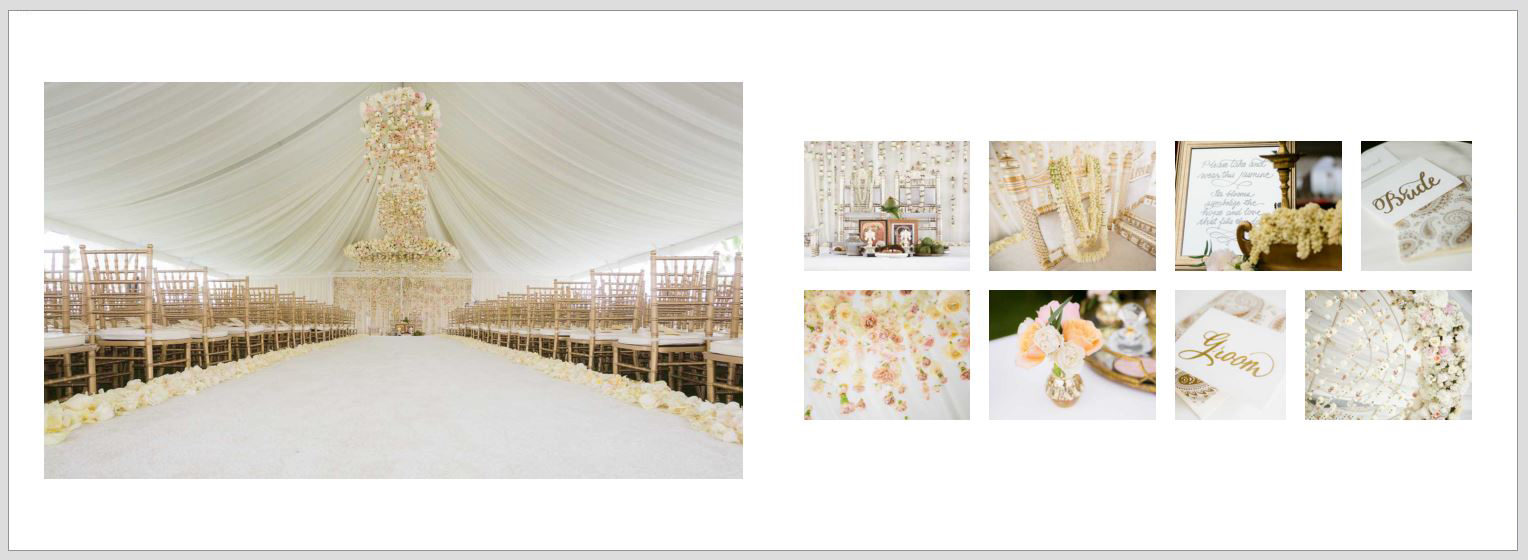
Landscape-oriented albums are ideal for wedding photography, travelogues, nature and landscape collections, and any project where horizontal images are the predominant style. If your most striking images are wider than they are tall, this format is often the most straightforward and visually effective choice.
Square Albums: The Epitome of Versatility
The square album, once a staple of traditional "slip-in" photo albums due to its inherent flexibility with mat orientation, continues to be a highly popular choice in modern photography. This balanced format offers a unique aesthetic and remarkable adaptability for a wide range of photographic styles.
Advantages of Square Albums:
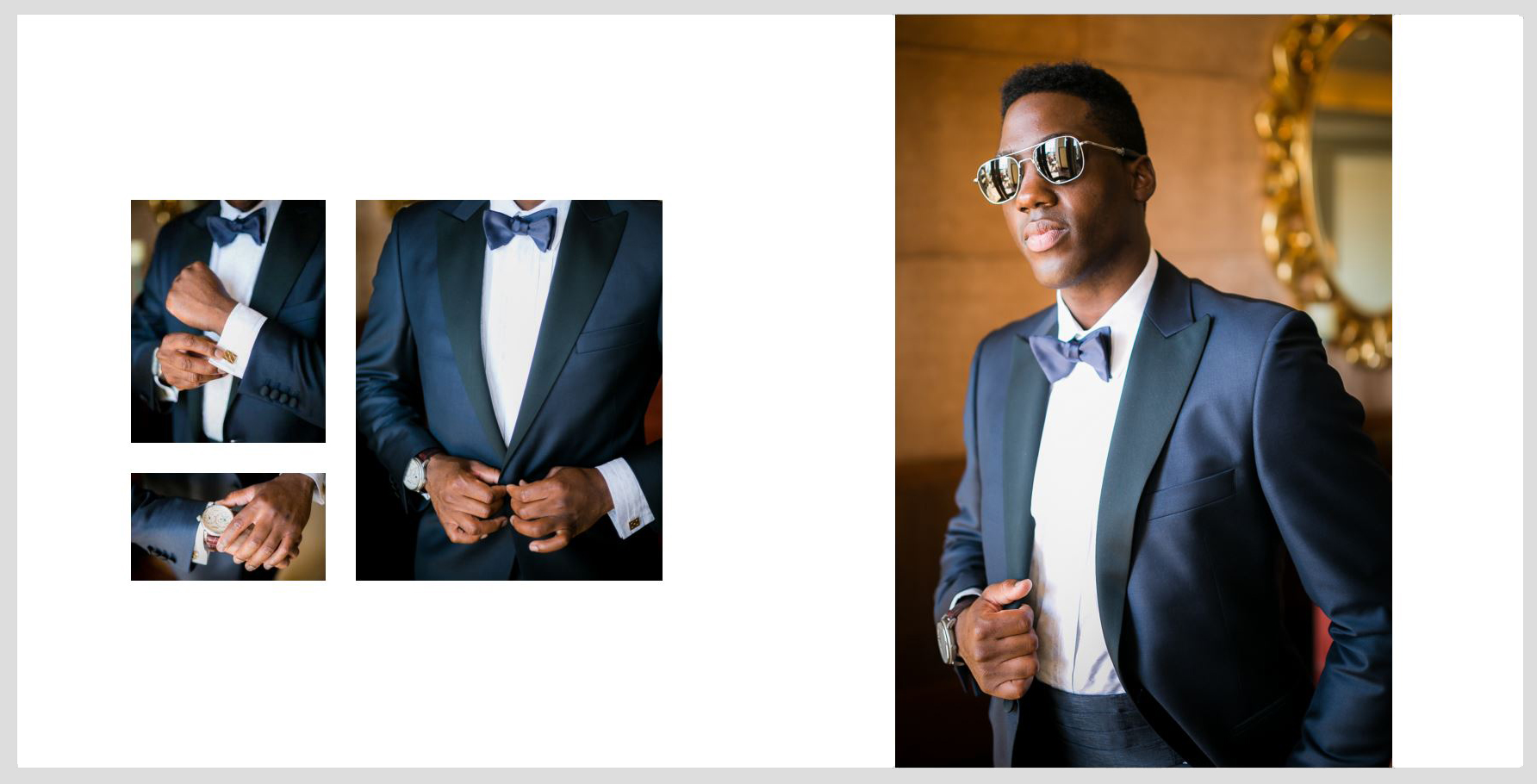
- Exceptional Versatility for Mixed Orientations: Square albums are exceptionally accommodating to both horizontal and vertical photographs. They allow for balanced layouts that feature single images or multiple images of varying orientations without appearing lopsided or requiring excessive cropping.
- Modern and Balanced Aesthetic: The symmetrical nature of a square album creates a clean, contemporary, and visually pleasing look. This can lend a sophisticated and artistic feel to the final product, making it suitable for a wide array of photographic genres.
- Ideal for Social Media and Digital Natives: In an era dominated by square-format social media feeds, square albums resonate with a contemporary audience. They offer a familiar and digestible visual experience for digital-first photographers and their clients.
- Ease of Design Scaling for Packages: For photographers offering tiered album packages, square albums are particularly practical. A single design can be created at a larger size and then scaled down to smaller square dimensions for parent albums or mini books without the need for significant reformatting, saving considerable design time.
- Full-Bleed Impact: Square formats lend themselves beautifully to full-bleed spreads where a single, powerful image can span both pages, creating an immersive and dramatic effect. This is particularly effective for portraits or striking landscape shots.
Disadvantages of Square Albums:

- Potential for Less Dramatic Panoramas: While capable of displaying panoramic images across two pages, a square album may not offer the same expansive, wide-screen feel as a dedicated landscape album for truly vast scenes.
- Design Complexity for Specific Layouts: While versatile, achieving highly dynamic and varied layouts within a square format can sometimes require more creative design thinking compared to the straightforward integration of wide images in a landscape album.
- Can Appear Less Formal: In certain contexts, a square album might be perceived as less formal than a traditional landscape wedding album, though this is highly subjective and dependent on the overall design and print quality.
Common Sizes for Square Albums:
Square albums are widely available in popular sizes such as 8×8 inches, 10×10 inches, and 12×12 inches. These dimensions provide ample room for creative layouts and impactful image display.
Square-oriented albums are excellent choices for social media photo books, baby albums, family memory books, and creative portfolios. They offer a balanced and contemporary feel, working effectively with both horizontal and vertical images, making them a popular selection for digital scrapbooks, social media-inspired collections, and art-focused presentations.
Vertical Photo Albums: The Formal Portraiture Statement
Portrait (vertical) oriented albums are taller than they are wide, resembling a vertical rectangle. This format is often associated with school yearbooks, formal portraits, and certain types of family albums. When executed with careful design, a vertical album can possess a distinctive presence. However, poorly designed vertical albums can sometimes evoke comparisons to less sophisticated formats.
Advantages of Portrait (Vertical) Albums:
- Emphasis on Vertical Subjects: This orientation is ideal for collections where vertical images are the dominant format, such as formal portraits, fashion photography, or architectural details that emphasize height.
- Unique Presentation: A well-designed vertical album can stand out from more common orientations, offering a unique and memorable presentation for specific types of photography.
- Accommodates Tall Subjects Naturally: For photographs featuring tall subjects, such as full-body portraits or towering structures, the vertical format allows them to be displayed without any loss of height or awkward cropping.
Disadvantages of Portrait (Vertical) Albums:
- Significant Design Challenges with Mixed Orientations: The primary drawback of vertical albums arises when incorporating horizontal images. A single landscape photo on a vertical page can result in substantial wasted space and an unbalanced visual composition, often requiring significant cropping or pairing with multiple smaller images.
- Limited Appeal for Broad Narratives: For events or themes that naturally lend themselves to wide-angle shots or panoramic views (like weddings or extensive travel), a vertical album can feel restrictive and less immersive.
- Perception of Informality or Youthfulness: Unless designed with exceptional care and premium materials, vertical albums can sometimes be perceived as less sophisticated or more akin to yearbooks, which may not align with the desired presentation for certain professional or high-end personal projects.
- Potential for Unwanted Cropping: If the majority of a photographer’s portfolio is not strictly vertical, fitting landscape images often leads to cropping that can sacrifice key elements of the composition.
Common Sizes for Portrait Albums:
Common sizes for portrait albums include 8×10 inches, 9×12 inches, and 11×14 inches. Opting for larger dimensions can help mitigate the feeling of a yearbook and enhance the perceived quality and impact of the album.
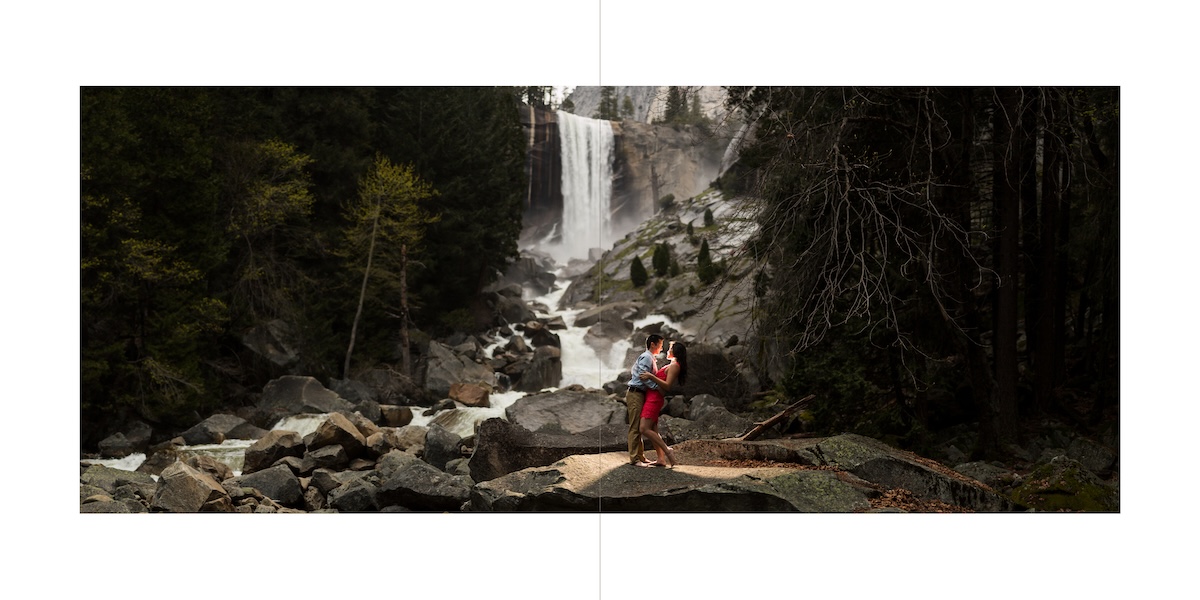
Portrait-oriented albums are best suited for formal events, specific family albums, and occasions where vertical photographs constitute the majority of the collection. When choosing a vertical album, selecting a larger size is recommended to convey a sense of fine art quality and avoid an overly simplistic or yearbook-like appearance.
Strategic Considerations for Choosing Your Album Orientation
The selection of a photo album’s orientation should be a deliberate process, guided by several key factors:
- Dominant Image Orientation: Analyze your photographic collection. If the majority of your strongest images are horizontal, a landscape album is a natural fit. If you have a balanced mix, or if vertical images are prevalent, a square album offers greater flexibility.
- Subject Matter and Narrative: Consider the story you aim to tell. Panoramic landscapes, expansive event scenes, and wide group shots benefit immensely from the horizontal format. Formal portraits, individual subjects, or architectural studies might be better served by a vertical or square orientation.
- Aesthetic Goals: What is the overall mood and style you wish to achieve? Landscape albums often convey tradition and grandeur. Square albums offer a modern and versatile aesthetic. Vertical albums can be striking for formal portraiture but require careful design.
- Client Lifestyle and Usage: For professional photographers, understanding the client’s lifestyle is crucial. A couple who frequently hosts guests might appreciate a large landscape album as a coffee table centerpiece. A family with limited shelving might prefer a more compact square or portrait album that fits neatly into a bookcase. Aligning the album’s orientation with the client’s daily life ensures long-term satisfaction.
- Print Lab Capabilities and Design Workflow: Different print labs offer a wide array of standard and custom sizes for each orientation. Familiarize yourself with these options, as they can influence your design choices and the final product. Furthermore, consider your own design process; square albums, as noted, can streamline the scaling of designs for tiered packages.
Frequently Asked Questions About Photo Album Orientation
What is the most popular photo album orientation for wedding photographers?
Landscape (horizontal) is overwhelmingly the preferred choice for professional wedding photographers. This format effectively captures the breadth of ceremonies, receptions, and group portraits. It also allows for stunning full-spread panoramic images and aligns with the typical horizontal composition of many wedding venues and group shots. Square albums are a popular secondary option, particularly for parent albums and smaller companion books.

Can I mix portrait and landscape images in a landscape album?
Yes, but it demands thoughtful design. Vertical images in a landscape album are best showcased when paired together on one side of a spread or used as smaller accent images alongside a dominant horizontal photograph. If a substantial portion of your collection consists of vertical images, a square album might offer a more harmonious solution to avoid excessive cropping.
What size photo album should I order for a wedding client?
For primary wedding albums, 10×10 inches (square) or 12×9 inches (landscape) are highly popular, providing ample space for impactful image display. Parent albums are commonly ordered at 8×8 inches (square). The ultimate decision should consider your print lab’s offerings, your design aesthetic, and the client’s budget.
Is a square album easier to design than landscape or portrait?
In terms of scalability for tiered packages, yes, square albums offer a significant advantage. A single design can be adapted across various square dimensions without reformatting. However, creatively arranging a mix of image orientations within a single square page can present its own set of design challenges compared to the more straightforward integration of wide images in a landscape spread.
Does photo album orientation affect print quality?
While the orientation itself doesn’t degrade print quality, it directly impacts how much of an image is utilized. When an image’s orientation doesn’t match the album page, it requires cropping or scaling, which can reduce the effective resolution of the printed image. Selecting an album orientation that closely matches your key images will preserve the most detail and prevent unwanted loss of critical subjects.
Conclusion: Crafting a Lasting Legacy
The choice of photo album orientation is a foundational element in the art of visual storytelling. While landscape albums offer unparalleled scope for expansive narratives and impactful single images, and portrait albums can provide a unique formal presentation, the square album stands out for its remarkable versatility and adaptability.
For photographers and memory keepers alike, the ideal orientation is one that harmonizes with the photographic style, the album’s theme, and the intended display and usage. Through careful planning and an understanding of the strengths inherent in each format, a photo album can transcend mere collection and become a beautifully curated keepsake, preserving memories in their most compelling and enduring form.