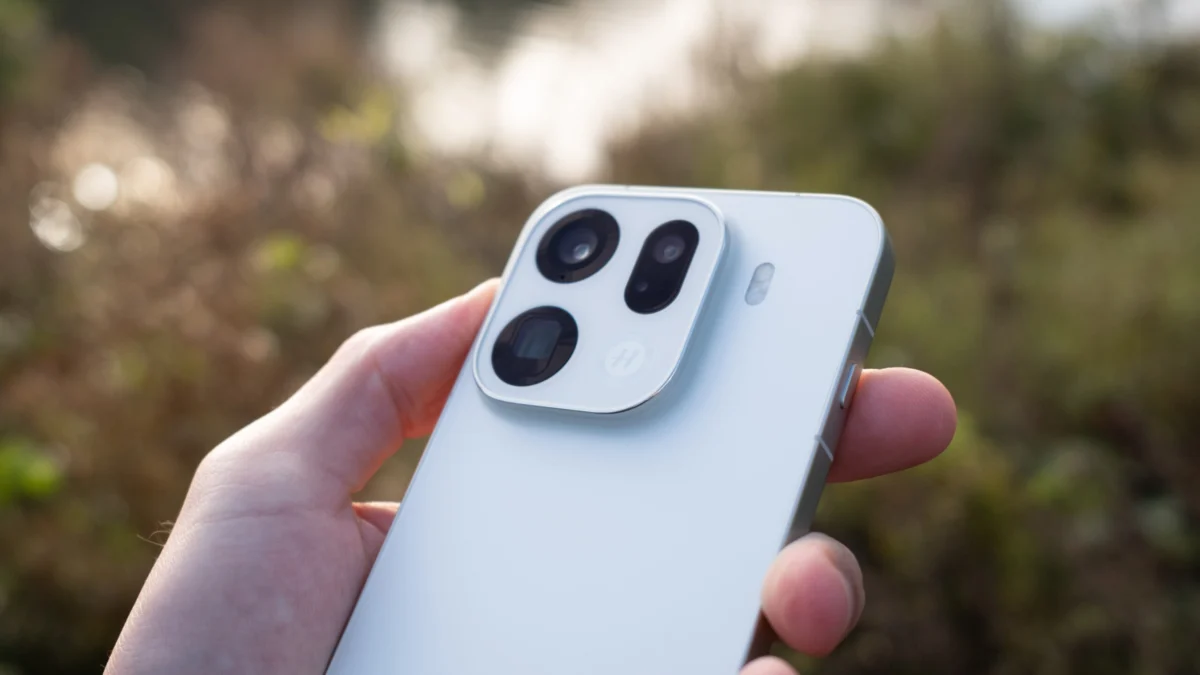
OnePlus has officially announced its strategic withdrawal from the North American and European markets, marking a significant pivot for the once-disruptive smartphone brand. The company confirmed that no new products will be launched in these regions moving forward. While existing customers in North America and Europe will continue to receive software updates, aftersales service, and have their warranty obligations honored, the cessation of new product releases signifies a definitive end to OnePlus’s presence as a device manufacturer in these key Western markets.
This decision, according to company statements, is not a hasty reaction but a carefully considered long-term strategy. Crucially, it was not dictated by its parent company, Oppo, nor was it a unilateral move by OnePlus. Instead, it appears to be a synchronized strategic realignment within the broader BBK Electronics conglomerate, which also owns Oppo, Realme, and Vivo.
A Strategic Shift: Focusing on Strengths

The primary beneficiary of this strategic realignment is the Indian market. OnePlus has identified India as a region where it can better serve its customer base and believes it holds significant growth potential. This focus aligns with OnePlus’s origins, as India has historically been one of its most crucial and successful markets. The company aims to deepen its commitment to Indian consumers, potentially through enhanced product offerings, localized marketing efforts, and a more robust service network.
In Europe, Oppo has signaled its intention to fill the void left by OnePlus. The parent company plans to increase its investment in European operations, placing a greater emphasis on its flagship smartphone lineup and expanding its overall product availability. This move is consistent with Oppo’s ongoing efforts to bolster its brand presence in Europe, exemplified by its prominent sponsorship of the UEFA Champions League. For European consumers who have favored OnePlus, this presents a direct pathway to Oppo’s premium devices.
However, the situation for North American consumers presents a more complex scenario. Oppo phones are not officially sold in North America, meaning there isn’t a readily available, direct brand replacement for OnePlus devices. This leaves a significant gap in the market for consumers who have come to appreciate OnePlus’s distinct approach to smartphone design and software. The implications for the existing OnePlus user base in North America, particularly regarding future device availability and potential resale value, remain to be seen.
The Rise and Evolution of a "Flagship Killer"

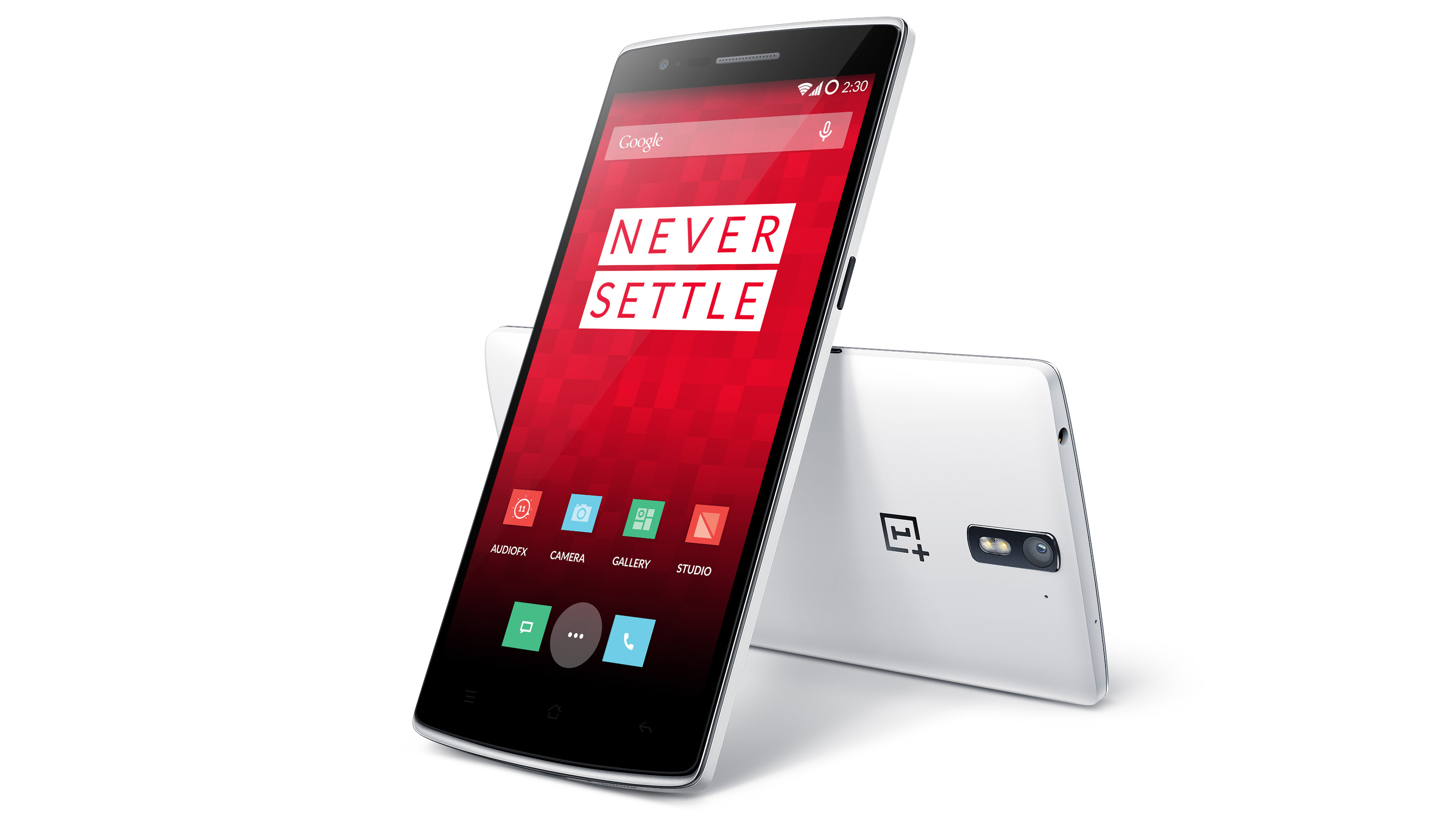
The departure of OnePlus from Western markets marks the end of an era for a brand that dramatically reshaped the smartphone landscape. Launched in 2014, OnePlus burst onto the scene with the ambitious "Flagship Killer" slogan, epitomized by its inaugural device, the OnePlus One. This smartphone offered a compelling combination of high-end specifications and a significantly more accessible price point compared to established giants like Samsung and HTC.
The OnePlus One’s appeal was multifaceted. Beyond its value proposition, it introduced a unique purchasing model: an invite system. This strategy deliberately limited supply, creating an aura of exclusivity and driving demand among early adopters and tech enthusiasts. The device also ran on OxygenOS, a custom Android interface that was lauded for its clean, near-stock Android experience, free from the bloatware that often hampered performance on other manufacturers’ devices. This user-centric approach quickly garnered a loyal following.
In the years that followed, OnePlus continued to build on this foundation, consistently delivering smartphones that offered strong value for money. However, the smartphone market has undergone a seismic shift. By 2026, the competitive landscape, particularly in the value-for-money segment, is vastly different. Brands like Nothing (and its sub-brand CMF), Redmi, Poco, and Realme (itself an Oppo sub-brand) are now direct competitors, offering devices that challenge OnePlus’s traditional stronghold.
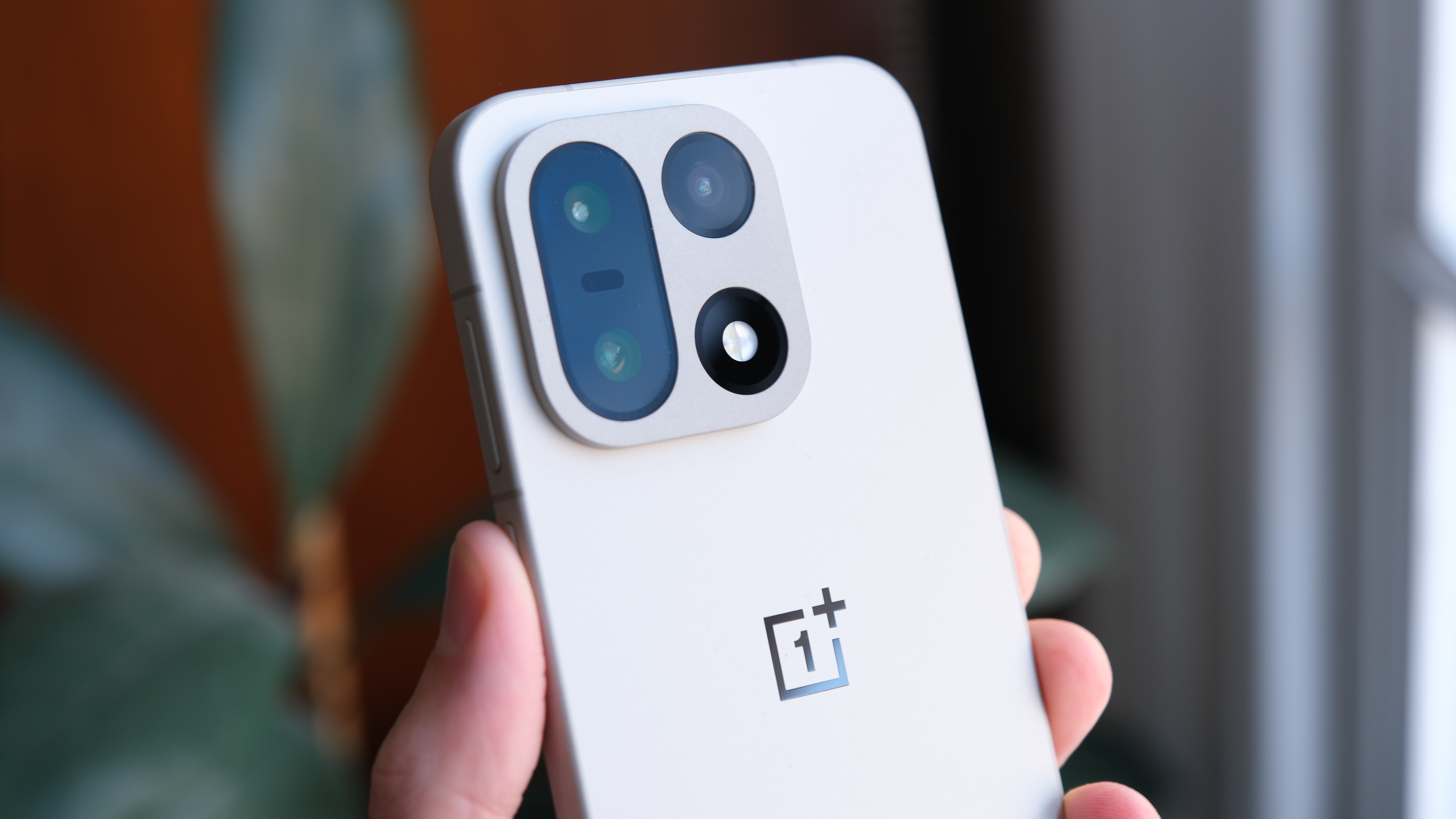
Concurrently, OnePlus’s own strategy evolved. The brand gradually increased its pricing, aiming to position itself in the more premium segment of the market. This shift also coincided with a deepening integration with its parent brand, Oppo. The software development for OxygenOS and Oppo’s ColorOS began to converge, sharing the same underlying platform. This convergence has become increasingly apparent in hardware design as well, with recent OnePlus models exhibiting striking similarities to their Oppo counterparts, such as the rear panel design of the OnePlus 15 bearing a resemblance to the Oppo Find X9 Pro.
Operating System Convergence: A Unified Future
Perhaps the most significant strategic development accompanying OnePlus’s market exit is the impending fusion of its operating systems. Oppo has confirmed that, going forward, OnePlus devices will transition to ColorOS. This integration will be rolled out across all regions, including North America, Europe, and India, over the coming months.
Existing OnePlus users will reportedly have the option to migrate from OxygenOS to ColorOS. For older OnePlus models that fall outside the scope of the ColorOS update, the company has pledged continued version maintenance support, ensuring some level of ongoing software upkeep. This move signals a definitive step towards a unified software ecosystem across Oppo and OnePlus brands, streamlining development and potentially offering a more consistent user experience across the conglomerate’s portfolio.
Implications and Future Outlook
The decision by OnePlus to exit North America and Europe is a stark indicator of the intense competition and evolving market dynamics in the global smartphone industry. The brand’s original "Flagship Killer" ethos, while revolutionary at its inception, faced increasing pressure from both established players and emerging challengers. The convergence with Oppo, both in hardware and software, suggests a strategy to consolidate resources and focus on markets where the BBK conglomerate perceives the greatest potential for growth and synergy.
For consumers, this means a less diverse choice of brands in the Western markets. While Oppo’s increased focus on Europe offers a premium alternative, the absence of OnePlus in North America leaves a void that may not be easily filled by existing brands. The long-term impact on brand loyalty, market share, and innovation within these regions will be a subject of ongoing observation.
The story of OnePlus is a compelling case study in the rapid evolution of the tech industry. From its disruptive beginnings to its current strategic realignment, the brand has left an indelible mark on the Android smartphone narrative in the West. While its physical presence may be diminishing in these markets, the legacy of its innovative approach and its contribution to the smartphone ecosystem will undoubtedly be remembered. The company’s statement, "OnePlus, you will be missed," encapsulates the sentiment of many enthusiasts who witnessed its rise and its impact on the consumer technology landscape.