The wedding day is a symphony of emotions, events, and details, with the bride often serving as the central focus of this grand production. For wedding photographers, capturing the essence of the bride on her special day is paramount, demanding a blend of technical skill, artistic vision, and an understanding of the emotional significance of each moment. From the intricate details of her preparation to the radiant glow of her portraits, photographers are tasked with creating a visual narrative that the bride will cherish for a lifetime. This comprehensive guide delves into the essential elements of bridal portraiture, offering practical tips, creative ideas, and inspiring examples to elevate any wedding photography portfolio.

The Demands on Wedding Photographers
Wedding photography is a multifaceted discipline, requiring photographers to master a diverse range of genres within a single, often high-pressure, event. Their day typically begins before dawn, documenting the bride’s meticulous preparation, including the careful arrangement of her attire and the final touches of her hair and makeup. This extends through the solemnity of the ceremony, the joyous celebration of the reception, and often into the late hours of dancing. Among these various stages, bridal portraits hold a special significance. They are not merely snapshots but carefully crafted images designed to encapsulate the bride’s beauty, confidence, and the unique aura she possesses on her wedding day. The ability to capture these moments flawlessly is a testament to a photographer’s expertise and their dedication to their clients’ most treasured memories.

Essential Bridal Portraiture: A Photographer’s Blueprint
While creativity is the lifeblood of photography, a foundational understanding of "must-have" shots provides a crucial framework for wedding photographers. These essential shots ensure that clients receive the comprehensive visual record they anticipate, serving as the building blocks for a compelling wedding album.

1. The Art of Detail Capture:
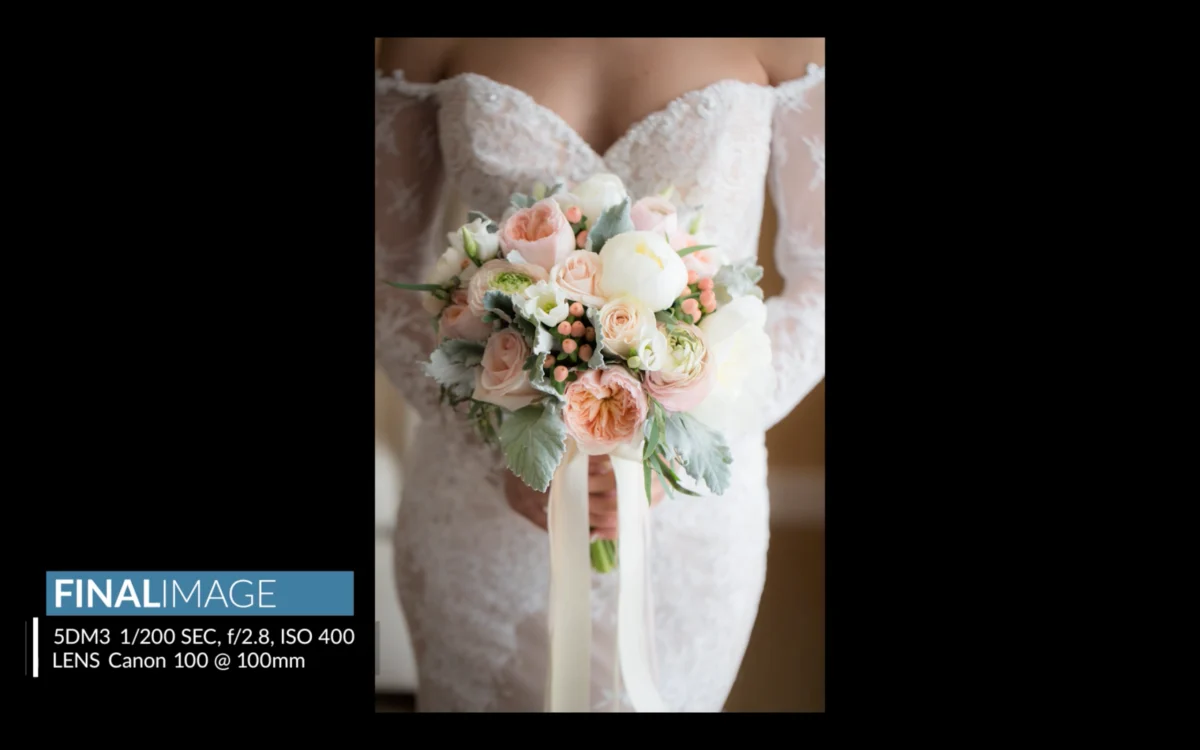
The moments leading up to the bride donning her gown are rich with visual opportunities. Bridal prep is an opportune time to focus on the exquisite details that contribute to the overall bridal look. This includes meticulously photographing the wedding dress, the elegant footwear, the symbolic rings, and the vibrant bridal bouquet. While a product photography approach – arranging these items artfully – can yield stunning results, the most impactful detail shots often integrate the bride herself. Capturing these elements with the bride in proximity or subtly interacting with them imbues the images with a greater sense of context and personal connection, allowing her to remain the focal point.
Beyond the obvious items, photographers should seek out other meaningful details: delicate earrings, intricate beading on the gown, or any unique embellishments that tell a story. An eyelash shot, achieved by having the bride look downward, can add a touch of delicate intimacy. The meticulous arrangement of flowers in the bouquet, or any "something old, something new, something borrowed, something blue" elements, are also prime candidates for detailed capture. If a bride invested significant effort in selecting her attire or if specific floral arrangements hold sentimental value, these details warrant careful photographic attention. The more thoughtful and comprehensive the detail capture, the richer the narrative of the wedding album will become.

2. The Timeless 3/4 Standard Bridal Portrait:
A cornerstone of bridal portraiture is the 3/4 shot, which typically frames the bride from the waist or upper thighs down to just below her knees. This perspective offers a balanced view, showcasing both the bride and a significant portion of her attire without being overly restrictive. A key technical consideration for this shot is to avoid cropping at the natural bending points of limbs, such as knees, ankles, or wrists. Such crops can appear awkward and unnatural. Instead, photographers should aim for clean lines that extend beyond these joints.
The true artistry within the 3/4 pose lies in its versatility. Rather than quickly moving to a new pose, photographers can explore numerous variations within a single 3/4 setup. Subtle shifts in the bride’s posture, a slight turn of her head, or a gentle adjustment of her hands can dramatically alter the mood and composition of the image. Encouraging a range of expressions is equally vital. Instead of merely placing the bride in a pose and expecting perfection, photographers should act as directors, offering gentle cues and prompts to elicit genuine emotions. This "assisted photojournalism" approach encourages natural reactions and candid expressions, moving beyond stiff, posed imagery to capture authentic moments.

3. The Majestic Full-Length Bridal Portrait:
Every bride desires a full-length portrait that beautifully showcases her entire wedding gown. This shot can be captured with the bride standing alone or interacting with her surroundings. The objective is to pose the bride from head to toe in a manner that accentuates her figure and highlights the intricate design and flow of her dress.
Achieving a flattering full-length portrait involves meticulous attention to detail. Small adjustments to the bride’s posture, the drape of her dress, and the placement of her hands can make a significant difference. It is often more effective for photographers to demonstrate poses themselves rather than relying solely on verbal instructions while looking through the viewfinder. This interactive and visual approach ensures the bride can easily mimic the desired stance.

When directing a bride for a full-length shot, consider these instructions:
- "Stand tall, with your weight slightly shifted to one leg."
- "Gently place your hand on your hip, or softly hold your bouquet."
- "Imagine you are walking down a runway; elongate your neck and shoulders."
- "Turn your body slightly towards the light, and then turn your head back towards the camera."
- "Let your dress fall naturally; avoid pulling or bunching the fabric."
4. The Graceful Sitting Bridal Portrait:
Capturing flattering images of a bride while she is seated requires a keen understanding of posture. The key is to maintain the bride’s natural spinal alignment and avoid any slouching that can diminish her elegant silhouette. A hunched posture can lead to a loss of length in the neck and spine, which can be unflattering in photographs.
Photographers should position themselves at an angle that aligns with the bride’s spine, ensuring the camera is level with her posture. This perspective helps to maintain the natural proportions of her body. Taking the time to guide the bride into a graceful and relaxed seated pose will result in images that are both aesthetically pleasing and timeless. This attention to detail elevates the production value of the final photographs, creating images she will undoubtedly adore.
5. The Ethereal Veil Portrait:
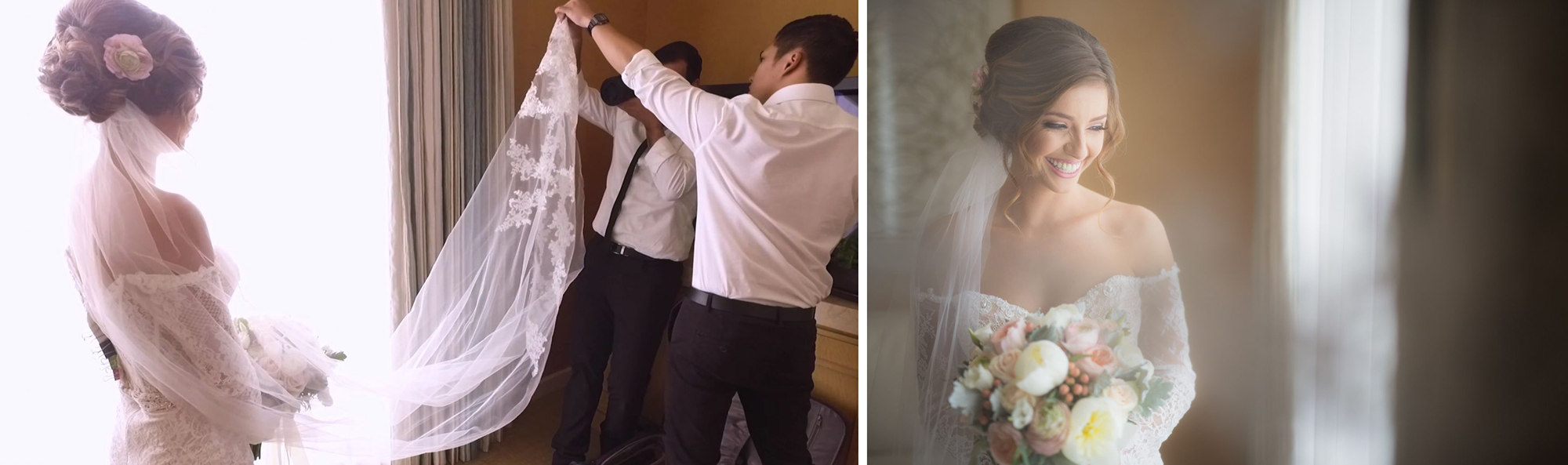
The bride’s veil, if she has one, offers a remarkable opportunity for creative photography. A popular technique is the "shoot-through" method, where the veil is held in front of the lens. This creates a soft, hazy, and textured effect that can add a dreamlike quality to the images. While the veil can obscure parts of the frame, it is crucial to ensure the bride’s face remains sharp and clearly visible. Close attention must be paid to focus, as the fine texture of the veil can easily shift the focal point away from the bride.

Beyond the shoot-through technique, other creative accessories can enhance bridal portraits. Items like a bouquet, a decorative fan, or even a carefully placed piece of fabric can add visual interest and depth. These accessories can be used creatively to conceal distracting backgrounds or simply to add an artistic flourish to the composition.
Additional Bridal Portrait Considerations

Beyond the foundational shots, several other types of bridal portraits can significantly enrich a wedding album and cater to specific client desires.
1. The Relaxed Robe Portrait:
Many brides request portraits taken in their robes before they don their wedding dress. This informal setting is an ideal opportunity to capture the final touches of their hair and makeup, showcasing the artistry of the professionals involved. While the focus shifts to the full gown once it’s on, these robe portraits offer a distinct and intimate glimpse into the bride’s preparation.

2. Journalistic and Environmental Portraits:
After capturing the more traditional poses, photographers should step back and observe their surroundings. Unique reflections in mirrors, architectural elements, or natural features can be incorporated to create distinctive and artistic shots. These environmental portraits, often captured with wider lenses like a 35mm or 24mm, tell a broader story of the bride within her setting. The approach of starting with close-ups and progressively widening the frame creates a compelling visual narrative.
3. Golden Hour Outdoor Portraits:
The "golden hour," the period shortly after sunrise and before sunset, offers photographers unparalleled soft, warm, and flattering light. This time is perfect for capturing bridal portraits and individual shots of the bride with her bridesmaids. Wide shots showcasing the dresses against a scenic backdrop, as well as tighter compositions focusing on expressions, should be included.
Lighting Techniques for Exceptional Bridal Portraits
Effective lighting is crucial for transforming good bridal portraits into exceptional ones. While natural light is often preferred, understanding how to manipulate it or supplement it with artificial light opens up a wider range of creative possibilities.
Lighting Gear Considerations:
Lead photographers on a wedding day may employ various lighting tools to enhance their bridal portraits. This can include reflectors to bounce natural light and fill in shadows, as well as strobes or flashes for more controlled illumination, especially when natural light is insufficient or undesirable. However, it’s important to note that not all sessions will require extensive lighting equipment.
Creative Lighting Techniques:
Windows provide an abundant source of soft, diffused natural light, often serving as a clean backdrop even in less-than-ideal surroundings. A creative technique involves using a collapsible reflector with a cut-out section. By posing the bride in front of a window and shooting through the reflector’s opening, photographers can create a high-key effect with soft, sculpting light wrapping around the subject. A telephoto lens (85mm or longer) is recommended for this technique to achieve a pleasing compression and background blur.

Side lighting, achieved by repositioning the bride relative to the light source (e.g., turning her 90 degrees from the window), can introduce more dimension and shadow, accentuating details like the bouquet or the intricate textures of the dress. This dynamic lighting can add significant visual interest.
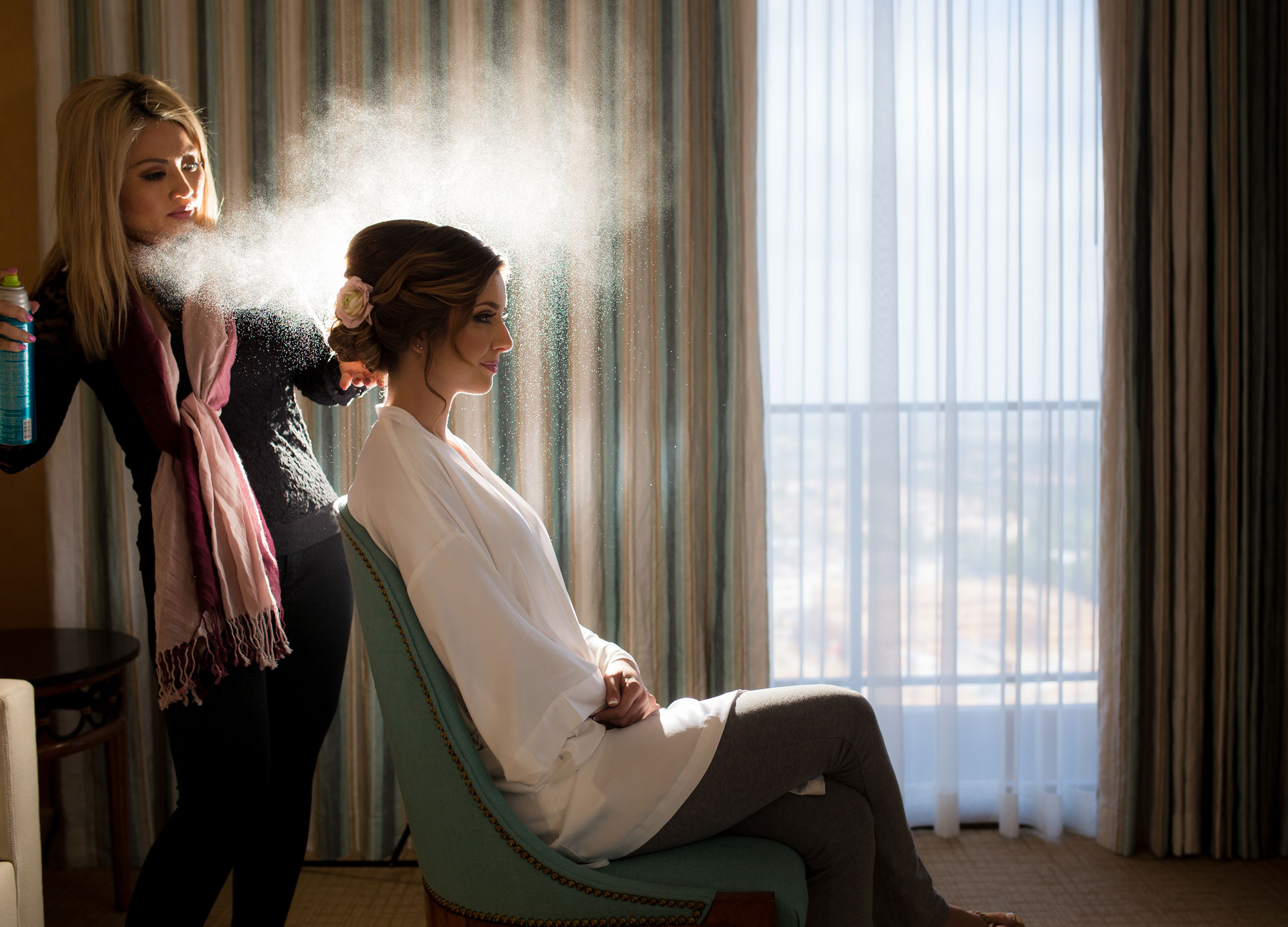
Backlit "Hairspray" Shots:
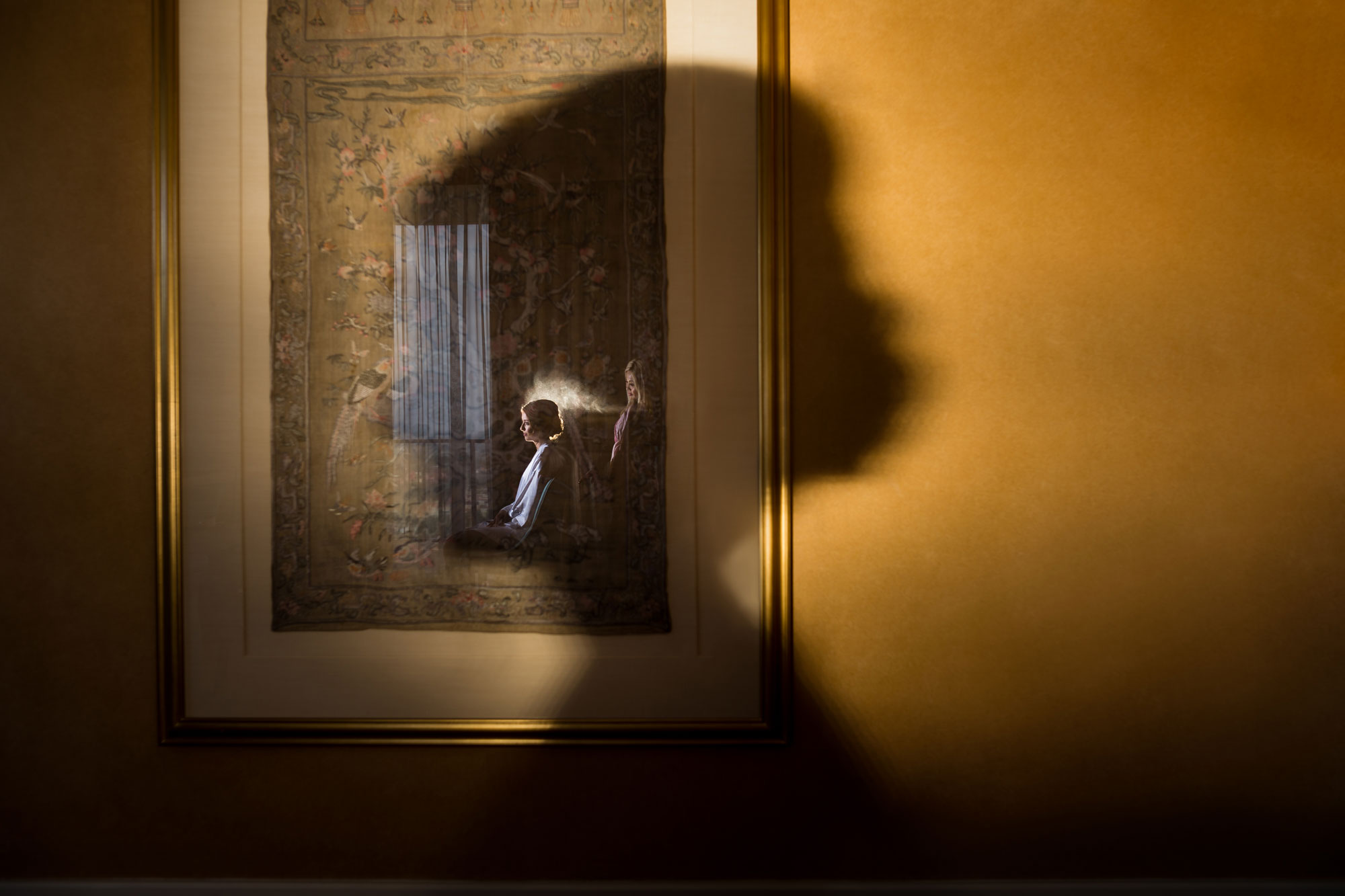
A popular and often requested shot involves backlighting the bride, particularly during hair and makeup. A simple backlit shot can highlight the details of the hairstyle. More creatively, this technique can be extended to create shadow portraits. By using a flash to cast shadows onto a wall, and perhaps incorporating reflective elements like a framed picture, photographers can produce unique artistic images. While some post-processing may be required to refine these shots, the final result can be highly impactful.

Natural Light with a Reflector:
Diffused window light can be masterfully used in conjunction with a 5-in-1 reflector. By cutting a rectangle from a silver reflector and shooting through it with the bride positioned in front of a window, photographers can achieve a soft, high-key look. The window light will illuminate the subject from behind, and the reflector helps to control the light and create desirable catchlights in the eyes. Using a telephoto lens in this scenario further enhances the aesthetic by compressing the perspective and blurring the background.
Shooting for the Edit: Strategic Planning for Post-Production

Effective wedding photography requires foresight. Photographers must plan their shots with the final edit and album design in mind. This involves:
- Pre-visualization: Scouting locations beforehand to understand available light and potential shooting spots is crucial.
- Cohesive Workflow: Planning shots that will create a visually cohesive album. While variety is important, images should flow together, grouped by similar lighting, contrast, or color palettes.
- Time Management: Working efficiently under tight time constraints is essential. A clear game plan allows photographers to capture the desired shots quickly and effectively.
Conclusion

Wedding photography is a demanding yet immensely rewarding profession. The pressure to capture fleeting, significant moments is immense, but the ability to freeze these memories in time for a couple is profoundly fulfilling. Bridal portraits, in particular, represent a critical component of this visual storytelling. By arming themselves with a deep understanding of essential poses, creative lighting techniques, and strategic planning, photographers can confidently navigate the complexities of wedding days. The ultimate reward lies in delivering images that not only meet but exceed the bride’s expectations, capturing her radiant beauty and the joy of one of the most important days of her life. For those seeking to further hone their skills, advanced training systems and workshops offer in-depth guidance and practical demonstrations to elevate their craft to professional excellence.