Advanced Robotic Vacuum Management and Area Mapping
The centerpiece of the 2026.3 update is a fundamental reimagining of how Home Assistant interacts with robotic vacuum cleaners. Traditionally, users have been forced to navigate a fragmented landscape of proprietary vendor applications to perform simple tasks, such as cleaning a specific room. While basic start, stop, and return-to-dock commands were standardized, "zone cleaning" or "room cleaning" often required complex workarounds involving obscure coordinate systems or vendor-specific identifiers.
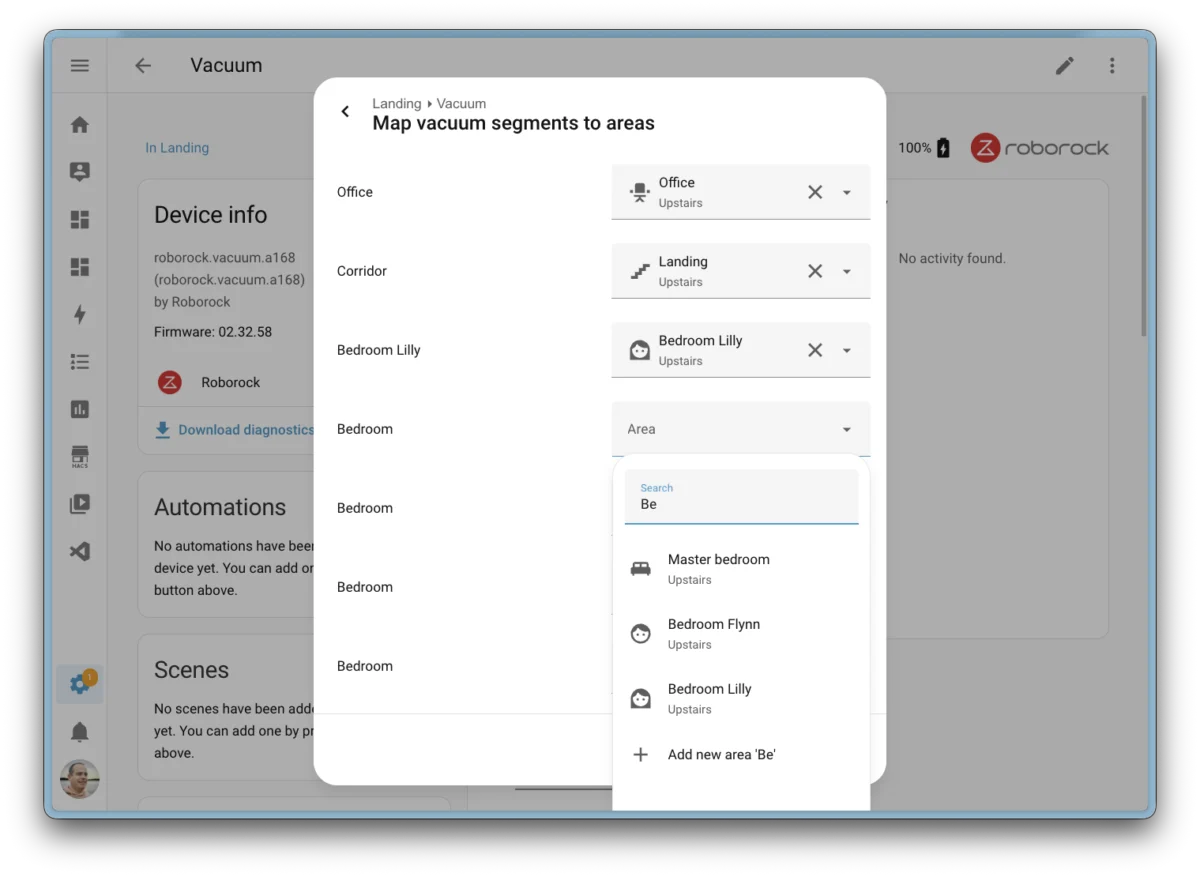
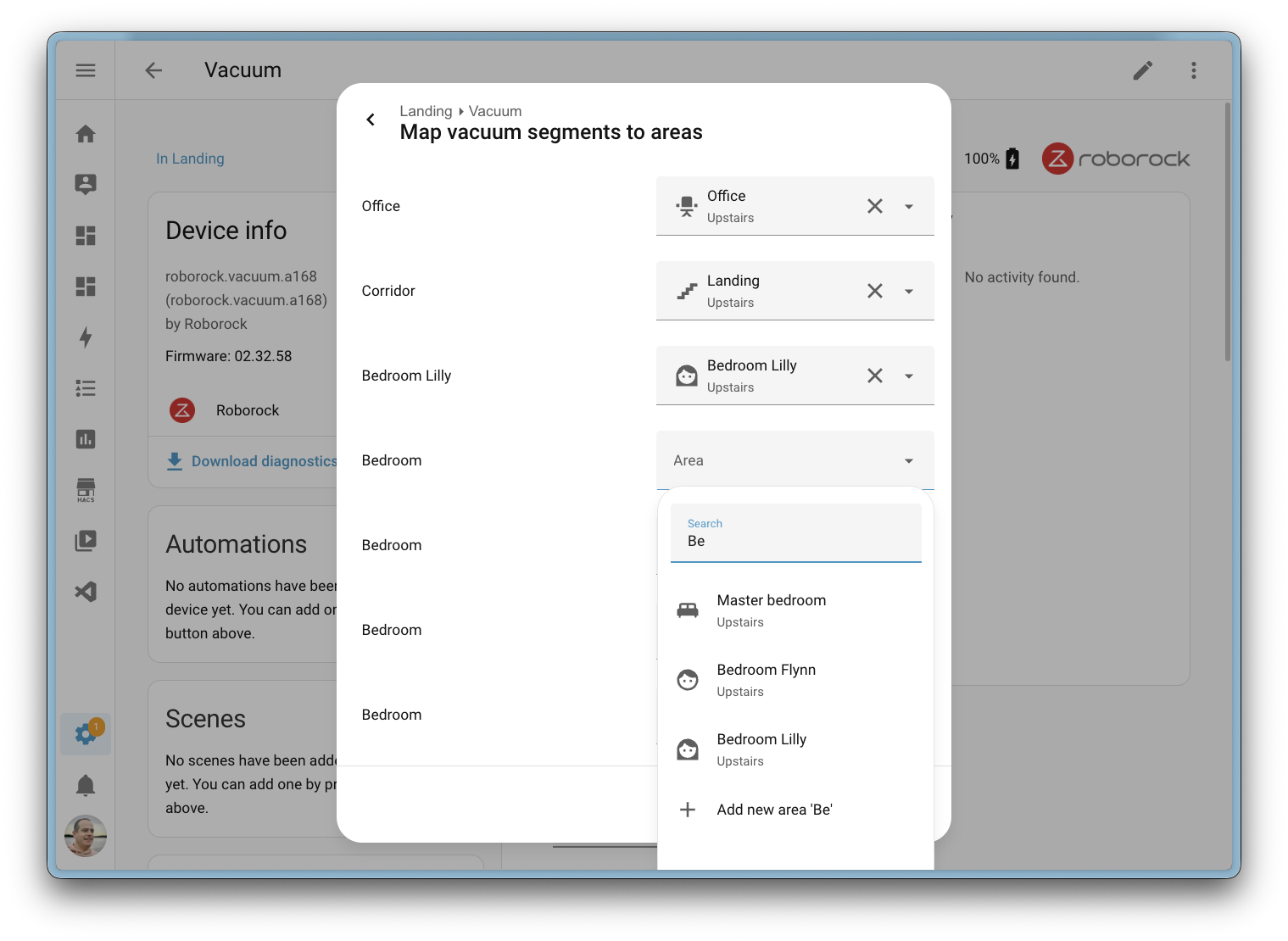
With the introduction of the "clean area" action, Home Assistant now provides a unified interface for room-specific cleaning. This feature allows users to map the internal segments recognized by their vacuum—such as "Segment 1" or "Kitchen"—directly to the predefined "Areas" within the Home Assistant ecosystem. By abstracting the hardware’s internal logic into the user’s established home layout, the platform removes the cognitive load of remembering which room corresponds to which number in a manufacturer’s app.
At launch, this functionality is supported by three major players: Matter, Ecovacs, and Roborock. The inclusion of Matter is particularly noteworthy, as it demonstrates the platform’s commitment to the new industry standard for smart home interoperability. The system is designed with long-term resilience in mind; should a vacuum’s internal map change due to a re-mapping event in the manufacturer’s app, Home Assistant will automatically trigger a "repair issue" notification, guiding the user to re-sync their area mappings. This architectural foundation is widely viewed as a precursor to advanced voice control, where a simple command like "Clean the hallway" can be executed without further configuration.
Data Visualization and the Energy Dashboard
Sustainability and energy monitoring have long been pillars of the Home Assistant experience. The 2026.3 release introduces several high-impact visual updates to the Energy Dashboard to provide more granular, real-time insights into resource consumption. The most visible addition is the "Now" view, which now features real-time badges for power consumption, gas flow rates, and water flow rates.
Water usage tracking has received a significant upgrade with the introduction of a dedicated Sankey chart. Similar to the existing electricity Sankey chart, this visualization allows users to see a live breakdown of water distribution across various appliances and outlets, provided they have the necessary sub-metering hardware. This move aligns with broader global trends toward water conservation and leak detection.
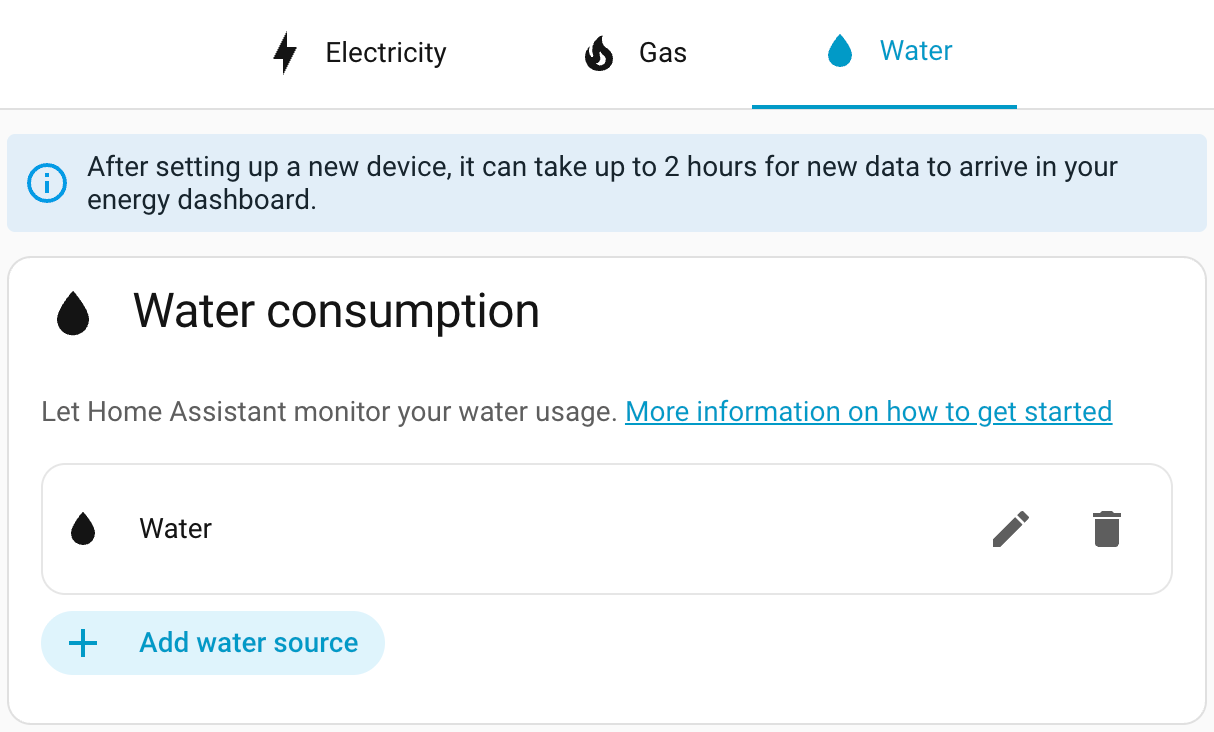
To improve user experience and reduce ambiguity, the dashboard’s navigation has been reorganized. The general "Energy" tab has been renamed to "Electricity" to reflect its specific focus, mirroring the parallel tabs for Gas and Water. On the backend, the configuration settings for these utilities have been split into three distinct management areas, simplifying the setup process for new users who may only be tracking one or two of these resources.
Local Voice Processing: Android as a Satellite
In a move that further separates Home Assistant from cloud-dependent competitors like Amazon Alexa or Google Assistant, the 2026.3 release introduces experimental on-device wake word detection for Android devices. This feature transforms any Android smartphone running the Home Assistant Companion app into a privacy-focused voice satellite.
Leveraging the "microWakeWord" engine—the same lightweight technology used in the Home Assistant Voice Preview Edition hardware—the processing of the wake word occurs entirely on the local hardware. No audio data is transmitted to the cloud for the purpose of listening for the trigger. Users can currently choose between three trigger phrases: "Okay Nabu," "Hey Jarvis," and "Alexa" (the latter intended to facilitate easier transitions for users migrating from legacy systems).
Technical analysts note that this feature effectively bypasses the need for dedicated smart speaker hardware in every room, provided a user has their phone nearby. However, the development team has been transparent regarding the trade-offs; because the microphone must remain active and the CPU must constantly process audio patterns, there is a measurable impact on battery life. To mitigate this, the update includes new notification commands that allow users to automate when wake word detection is active—for example, enabling it only when the device is connected to the home Wi-Fi or when it is placed on a wireless charger.
Technical Infrastructure: The Python 3.14 Migration
Underpinning the entire 2026.3 release is a major upgrade to the core execution environment. Home Assistant now runs on Python 3.14. This transition is significant for the platform’s long-term performance and stability. Python 3.14 introduces a more efficient interpreter and optimized memory management, which translates to faster startup times and a more responsive user interface, particularly for users running the software on resource-constrained hardware like the Raspberry Pi.
The migration to Python 3.14 is handled automatically for users on the Home Assistant Operating System (HAOS) or Supervised installation methods. This update also aligns the platform with the latest security patches and library optimizations available in the Python ecosystem. While most users will not interact with this change directly, the performance overhead reduction is expected to allow for more complex automations and a higher density of integrations without a corresponding increase in hardware requirements.
Automation Refinement and the "Continue on Error" UI
A long-standing request from the power-user community has finally been addressed in the visual automation editor. The "Continue on Error" toggle, which allows an automation to proceed even if a specific action fails, is now accessible via the graphical user interface. Previously, this functionality required users to manually edit the underlying YAML code, creating a barrier for those who prefer the visual drag-and-drop experience.
This feature is critical for the reliability of complex domestic routines. For instance, if an automation is designed to turn off all lights and send three different notifications, the failure of a single notification service (due to an API outage or internet glitch) will no longer prevent the lights from turning off. A visual indicator now appears on any action where this setting is enabled, providing immediate clarity during the debugging process.
Expanding the Integration Ecosystem
The 2026.3 release continues the platform’s aggressive expansion of its supported hardware list. Several new integrations have been introduced, including:

- BlueID: Support for digital access control and smart locks.
- Delta Dore: Enhanced connectivity for French-made smart home systems.
- S-Nomad and Multi-Skid: Specialized integrations for mobile and industrial monitoring.
- G-Stove: Smart control for high-end heating solutions.
Furthermore, the "Integration Quality Scale" has seen several existing integrations promoted to higher tiers. This internal ranking system measures how well an integration handles errors, how quickly it responds, and how thoroughly it is documented. This month, integrations for RainBird, Renson, and several others have reached higher levels of maturity, signaling a more stable experience for users of those specific devices.
The Open Home Foundation and Community Engagement
Beyond the software itself, the 2026.3 release serves as a platform for organizational announcements from the Open Home Foundation. The foundation has officially launched its new merchandise store, with proceeds supporting the ongoing development of the open-source project. This move is part of a broader strategy to diversify the project’s funding beyond the Nabu Casa subscription model.
Additionally, the team announced the "State of the Open Home 2026" event, scheduled for April 8 in Utrecht, the Netherlands. This live event is expected to outline the roadmap for the remainder of the year, with a heavy focus on the "Year of the Voice" refinements and the continued integration of AI-driven domestic assistance that remains strictly local and private.
Critical Migration and Breaking Changes
As with any major update, 2026.3 includes several "breaking changes" that require user attention. The most notable is the deprecation of the "mireds" unit for light color temperature in favor of Kelvin. This change aligns Home Assistant with standard lighting industry practices but will require users to update older automations that rely on the mireds scale.
Additionally, the Tado integration has seen the removal of mobile device tracking to resolve long-standing re-authentication issues and reduce the load on Tado’s servers. Users who relied on Tado for presence detection are encouraged to migrate to the native Home Assistant Companion app tracking.
The transition to zstd compression for Docker container images is another technical shift. While this results in faster downloads and smaller storage footprints, it requires users to be running Docker version 23.0.0 or later. This is unlikely to affect most users but serves as a reminder of the platform’s steady march toward modern technical standards.
Analysis of Implications
The 2026.3 release reflects a maturing ecosystem. By focusing on "polish" and the "quality scale," the developers are signaling that the era of rapid, sometimes unstable, feature expansion is being supplemented by a focus on long-term reliability. The move to standardize vacuum area cleaning via Matter and Home Assistant’s native area logic is a direct challenge to the "walled garden" approach of many hardware manufacturers.
Furthermore, the experimental Android wake word detection highlights the platform’s unique selling proposition: privacy. In an era where mainstream voice assistants are increasingly seen as vectors for data harvesting, Home Assistant’s commitment to local-only processing remains its most significant competitive advantage. As the platform prepares for its major event in Utrecht, the 2026.3 release stands as a stable foundation for the next generation of private, intelligent home automation.