The debate surrounding books in ultralight backpacking has persisted for decades, balancing the psychological benefits of literature against the strict demands of base-weight minimization. For purists striving to trim every superfluous ounce from their packs, traditional paperbacks and standard e-readers are frequently classified as nonessential luxuries and left behind. However, the recent introduction of ultra-compact digital reading technology has reopened this discussion. Evaluating equipment that challenges traditional weight thresholds requires a rigorous examination of utility, durability, and practical backcountry performance. Recent field testing of the Xteink X3 e-reader provides critical insight into whether miniaturized reading devices can successfully integrate into minimalist outdoor kits.
Main Facts and Device Specifications
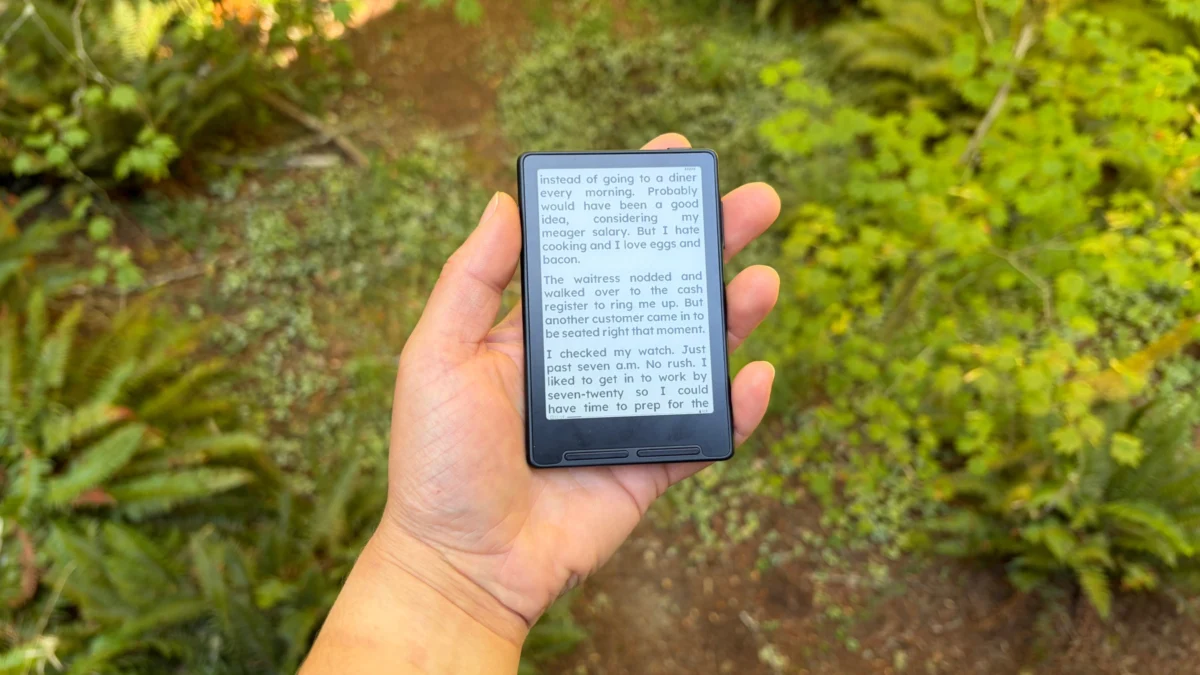
The Xteink X3 is manufactured by Chinese electronics brand Xteink and represents a significant departure from mainstream consumer e-readers. Weighing a mere 58 grams—roughly equivalent to a standard Snickers candy bar—the device is exceptionally light. For context, this is less than half the weight of the lightest mainstream e-readers currently available on the commercial market, such as the base Amazon Kindle.
The physical dimensions of the X3 are equally striking. It features a 3.7-inch e-ink display, roughly equivalent in surface area to a standard playing card, and boasts a slim profile of just 5.1 millimeters thick. Originally conceived as an everyday carry (EDC) gadget intended to slip easily into a pocket or attach via magnet to the rear of a smartphone for quick digital detox sessions, its physical attributes inadvertently align with the strict parameters demanded by ultralight backpacking enthusiasts.
Chronology and Development of Ultra-Portable Reading Tech
The evolution of portable reading devices has historically trended toward larger, high-resolution screens designed to mimic full-sized paper pages. Throughout the late 2000s and 2010s, manufacturers focused on expanding battery capacities, integrating advanced front-lighting systems, and enhancing touchscreen responsiveness. While these improvements benefited home users and casual commuters, they often resulted in heavier, bulkier hardware that alienated backcountry travelers.
In recent years, niche manufacturers have begun exploring the opposite end of the spectrum, driven by demands for digital minimalism and ultra-portable hardware. The Xteink X3 emerged from this movement, targeting consumers seeking relief from constant smartphone engagement. When outdoor enthusiasts adapted the device for trail use, it transitioned from an urban EDC accessory to a specialized piece of backpacking gear. Field testing throughout late 2026 evaluated the device across multiple multi-day backcountry excursions, assessing battery longevity, interface usability, and environmental resilience under actual trail conditions.
Supporting Data and Performance Metrics
Field evaluations of the Xteink X3 yielded measurable data regarding its functional capabilities in remote environments. Manufacturer specifications claim a battery life of 10 to 14 days based on daily reading sessions lasting one to two hours. Extended field testing corroborated these claims, as the low-power e-ink display maintained charge exceptionally well, avoiding the battery degradation common among multifunction devices. Priced at approximately $69, the hardware occupies an accessible market tier compared to premium, full-sized e-readers that often exceed $100 to $150.
Despite these advantages, the hardware design necessitates specific functional compromises. To achieve its ultra-lightweight profile and compact footprint, the X3 omits both a touchscreen interface and an integrated front-lighting system. Navigation relies entirely on four physical buttons embedded in the chassis, introducing a noticeable learning curve for users accustomed to intuitive touch controls. Furthermore, the absence of a front light requires users to rely on external illumination, such as a headlamp, when reading inside a tent after dark.
Integration and File Management Challenges
Compatibility with existing digital libraries represents a critical factor for modern readers. Transferring pre-downloaded EPUB files directly onto the X3 via USB connection functions smoothly and efficiently. However, integration with popular digital library ecosystems presents a distinct hurdle.
Many contemporary readers rely heavily on library aggregation platforms, such as OverDrive’s Libby app, which seamlessly syncs borrowed titles to mainstream applications like the Kindle ecosystem. During testing, researchers identified no streamlined, native method to transfer protected library loans directly to the X3 operating system. Consequently, users accustomed to borrowing digital media via public libraries must convert or manually transfer compatible files, altering standard digital reading workflows.
Durability and Environmental Resilience
Backcountry gear must withstand unpredictable weather, moisture, and rough handling. The Xteink X3 lacks official water-resistance ratings or ruggedized waterproofing features common in outdoor-specific electronics.
Field protocols successfully mitigated this vulnerability by housing the device within a simple polyethylene storage bag (such as a Ziploc) inside the main backpack compartment. While the hardware does not require excessive caution during standard handling, its lack of environmental sealing means users must proactively protect it from heavy rain, condensation, and immersion.
Broader Impact and Implications for Minimalist Systems
The emergence of ultra-compact reading devices forces a reevaluation of how backpackers manage camp downtime versus base weight. Traditionally, hikers faced a binary choice: endure added weight for the psychological comfort of literature, or eliminate reading material entirely to preserve physical energy.
When weighed against alternative methods, the X3 offers a nuanced compromise. Reading on a primary smartphone avoids adding physical items to the pack, but doing so depletes critical battery reserves required for GPS navigation, digital mapping, photography, and emergency communication. Furthermore, utilizing a smartphone in the wilderness undermines the restorative, offline ethos that many backpackers seek. Conversely, carrying a full-sized e-reader penalizes base weight for a non-essential function.
By bridging this gap, specialized micro-devices like the X3 suggest a growing market segment for hyper-specialized minimalist electronics. While the absence of a touchscreen, front light, and native library integration limits its universal appeal, its negligible weight and modest price point redefine what is permissible within an ultralight kit. Ultimately, the Xteink X3 demonstrates that technological miniaturization can successfully cater to niche outdoor subcultures, provided users are willing to adapt to specific mechanical compromises in exchange for gram-level weight savings.