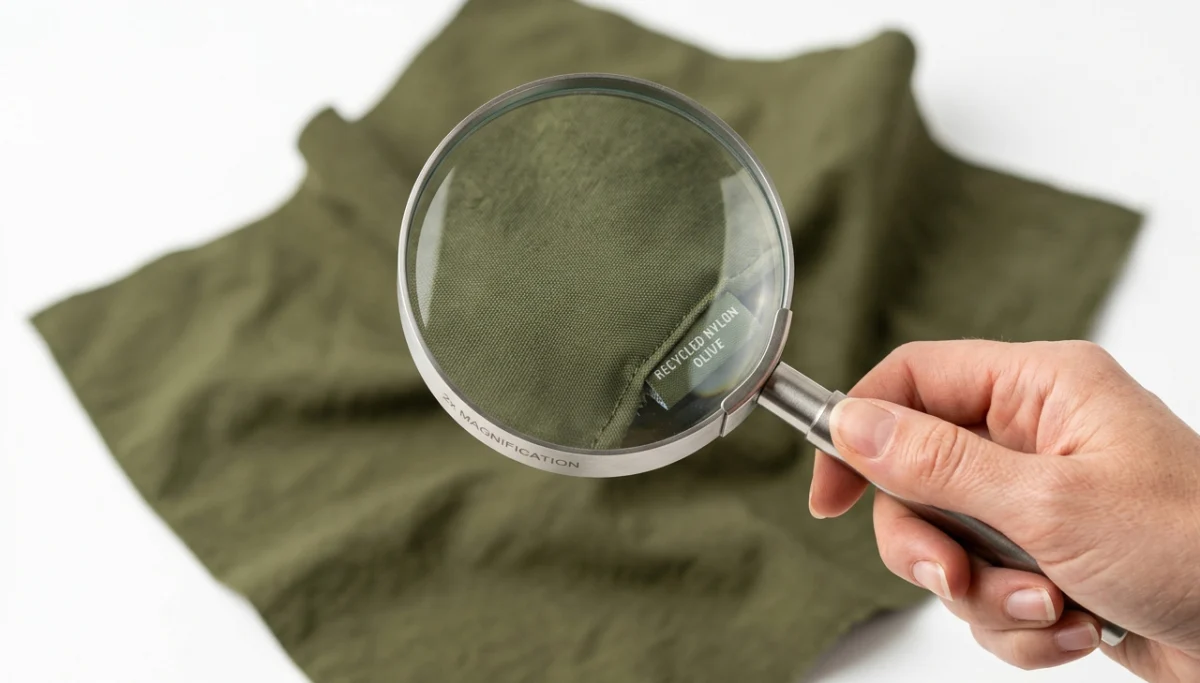
In the specialized world of technical gear and luggage design, few terms are tossed around with as much frequency—and as much misunderstanding—as "denier." Often treated by consumers as the definitive yardstick for a backpack or duffel’s toughness, denier is frequently misinterpreted as an absolute measurement of overall strength and durability. However, material scientists, product developers, and seasoned gear manufacturers understand that fabric selection is a far more nuanced engineering discipline. A higher denier rating does not automatically translate to a superior fabric; rather, when evaluated alongside fiber type, weave density, and modern composite technologies, a lower-denier material can frequently outperform a heavier alternative for specific applications.
To address widespread consumer confusion and demystify the complex nomenclature of technical textiles, industry educators and media platforms have launched comprehensive educational initiatives. A prominent example is the ongoing "Carry 101" educational series, which recently released an in-depth visual breakdown titled "How do you read a fabric?". This installment aims to strip away marketing hype and equip designers and enthusiasts with the vocabulary and technical comprehension required to truly understand what they are carrying.
Deconstructing Denier: What the Numbers Actually Mean
To comprehend the limitations of denier as a standalone metric, one must first understand its precise definition. Originating from the French system of weighing silk yarn—where a denier was historically defined as the weight in grams of 9,000 meters of a given yarn—the measurement strictly denotes linear mass density, or yarn weight.
In practical terms, a 500D (denier) nylon yarn weighs twice as much per standard length as a 250D nylon yarn. Historically, thicker yarns required more raw material and typically resulted in thicker, heavier fabrics, which correlated loosely with abrasion resistance in older generations of gear. Consequently, consumer culture naturally gravitated toward the highest number available, assuming that 1000D was inherently superior to 500D, which in turn was superior to 210D.
Yet, this oversimplification ignores critical variables in textile engineering. Denier says nothing about the quality of the polymer, the tightness of the weave, the denier per filament (DPF) count, or the protective coatings applied to the material. Furthermore, it completely excludes advanced high-performance fibers that achieve extraordinary strength-to-weight ratios at remarkably low denier counts.
The Evolution of Technical Textiles: A Chronological Overview
The perception and utilization of fabrics in load-bearing equipment have undergone a dramatic transformation over the past century, moving from natural fibers to sophisticated synthetic engineering.
Early 20th Century: The Foundation of Natural Fibers
Before the advent of synthetics, heavy-duty gear relied almost exclusively on natural fibers such as cotton canvas, heavy duck, and leather. While durable and repairable, these materials suffered from severe drawbacks: they were exceptionally heavy, absorbed significant moisture leading to rot and mildew, and offered poor tensile strength relative to their weight.
Mid-20th Century: The Synthetic Revolution
The landscape of carry goods changed forever in 1935 with the invention of nylon by Wallace Carothers and his team at DuPont. Introduced commercially in the late 1930s and widely adopted for military applications during World War II, nylon provided unprecedented strength, elasticity, and resistance to environmental degradation. Shortly thereafter, polyester was introduced, offering superior UV resistance and lower moisture absorption, though generally with lower abrasion resistance than nylon.
Late 20th Century: The Rise of Branded Performance Polymers
As the outdoor and tactical gear markets expanded in the 1970s and 1980s, manufacturers began utilizing branded nylon variants designed for specific performance metrics. The introduction of Cordura nylon—initially a high-tenacity air-textured nylon fabric—revolutionized backpack construction. During this era, the standard industry grading system solidified around denier ratings, establishing the 500D and 1000D benchmarks that dominated military and civilian markets for decades.
The 21st Century: High-Tenacity Fibers, UHMWPE, and Laminates
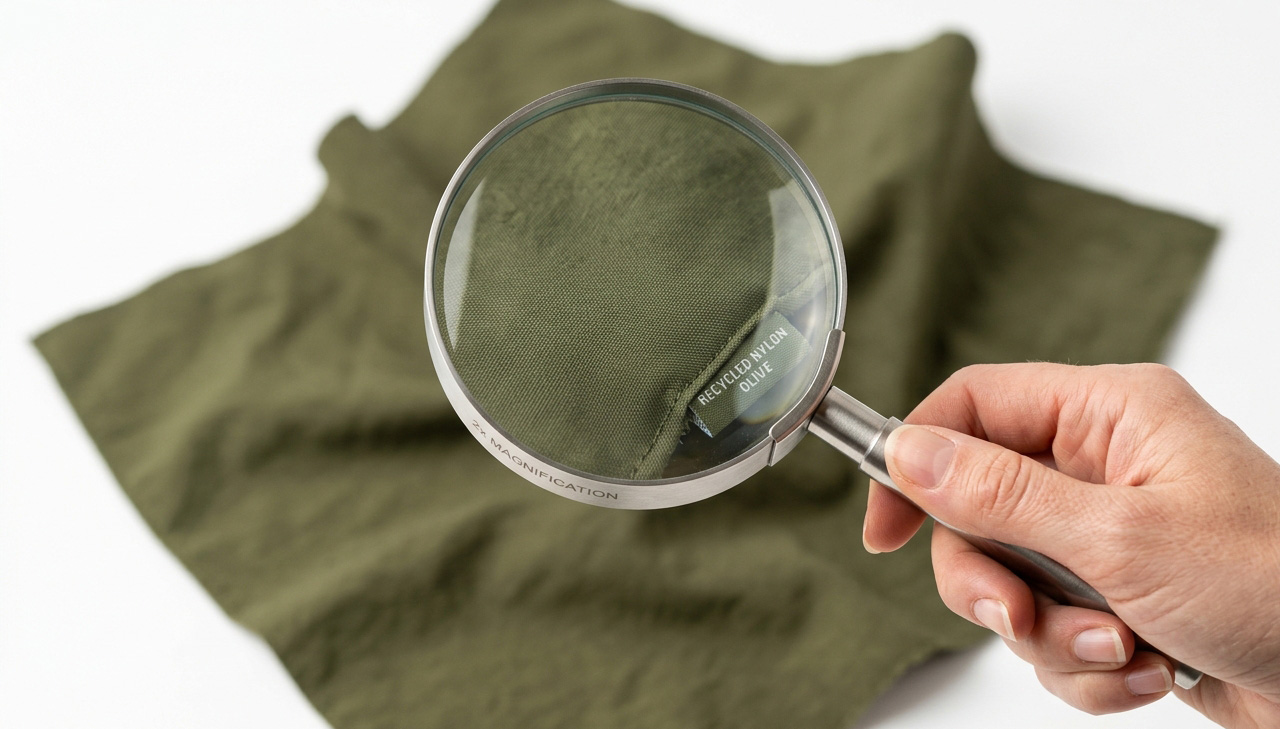
Today, the paradigm has shifted away from simply using heavier yarns to achieve durability. The introduction of Ultra-High-Molecular-Weight Polyethylene (UHMWPE)—commonly known by brand names like Dyneema or Spectra—fundamentally altered the weight-to-strength equation. A fabric constructed with a low denier UHMWPE grid can offer puncture and tear resistance that vastly exceeds traditional high-denier nylons while weighing a fraction of the mass. Additionally, the rise of multi-layer laminate technical fabrics, inspired by sailcloth technology, has prioritized waterproofness, structural integrity, and minimalist aesthetics over traditional heavy woven textures.
Comparative Data: Understanding Material Specifications
When evaluating modern technical fabrics, manufacturers look at a matrix of specifications rather than relying on a single data point. The following breakdown illustrates how different fiber types and metrics interact in real-world gear design:
- Standard Nylon (e.g., 500D / 1000D Cordura): Known for excellent abrasion and tear resistance. High denier counts provide a rugged hand-feel and high shear strength, but add substantial weight to the final product, especially when saturated with water.
- High-Tenacity Nylon (HT Nylon): Manufactured through specialized spinning processes that align the polymer molecules more tightly. A modern 420D high-tenacity nylon can often match or exceed the tear strength of a standard, lower-grade 1000D nylon while saving significant weight.
- UHMWPE Composites (e.g., Dyneema Composite Fabric): Features an incredibly high strength-to-weight ratio (often cited as up to 15 times stronger than steel gram-for-gram). While utilizing very thin yarns or filaments laminated between protective films, these materials offer extreme tensile strength and zero water absorption, though at a significantly higher cost point.
- X-Pac and Laminated Sails: Combines a durable face fabric (often a low-denier polyester or nylon) with an X-grid for bias stability, a waterproof film layer, and a lightweight backing. This layered approach allows designers to engineer specific stiffness and tear properties without inflating the denier weight.
Industry Perspectives and Expert Analysis
Material engineers and industrial designers frequently caution against the "bigger is better" marketing trap. According to design analysts within the technical gear sector, consumer demand for high denier numbers has historically forced brands to over-engineer products, resulting in unnecessarily heavy bags that punish the user before a single item is packed inside.
"When consumers see 1000D, they immediately think indestructible," notes a veteran soft-goods product developer who requested anonymity due to ongoing industry partnerships. "In reality, a poorly woven 1000D fabric made from recycled, low-tenacity polymer will shred faster than a high-grade, tightly woven 420D high-tenacity nylon. Furthermore, the coating—such as polyurethane (PU) or thermoplastic polyurethane (TPU)—often dictates the lifespan of the fabric against hydrolysis and environmental wear far more than the base yarn weight alone."
Industry bodies and educational resources like Carryology’s "Carry 101" series emphasize that material selection must be driven by application. An ultralight thru-hiking backpack requires a completely different material profile—prioritizing moisture management, puncture resistance, and low mass—than a daily commuter briefcase, which faces abrasive desk corners and constant handling. Similarly, tactical deployment bags prioritize raw burst strength and infrared signature reduction over weight savings.
Broader Implications for Consumers and Manufacturers
The ongoing demystification of technical specifications carries significant implications for both the manufacturing sector and the end consumer.
For manufacturers, shifting the consumer focus away from raw denier numbers opens the door to greater material innovation. As environmental sustainability regulations tighten globally, brands are actively exploring recycled nylon and polyester alternatives. Educating consumers on fabric literacy ensures that lower-denier, eco-friendly materials—which utilize fewer resources and reduce shipping weights—are evaluated fairly against traditional heavy-duty synthetics.
For consumers, understanding how to read a fabric specification sheet transforms the purchasing process. Instead of asking "What is the denier?", buyers are increasingly learning to ask more probing questions: What is the fiber composition (e.g., 6,6 nylon versus standard 6 nylon)? What is the weave structure (ripstop, plain weave, ballistic)? What type of waterproofing or face coating has been applied? And how does the fabric’s performance align with the intended use case?
Ultimately, the evolving conversation around technical textiles highlights a maturing gear market. As educational platforms continue to break down the complexities of yarn weight, tensile strength, and composite engineering, the myth of the universal denier standard is steadily giving way to a more informed, performance-driven approach to design.