The modern professional, student, and creative demand more from their portable hardware than ever before. As the boundary between home and office continues to blur, the laptop has transitioned from a stationary workstation to a constant companion that must endure long commutes, back-to-back meetings, and creative marathons. Consequently, battery longevity has become the single most critical metric in consumer electronics. While industry marketing often promises "all-day" battery life, real-world performance frequently falters under the weight of modern software demands.
The current landscape of mobile computing is defined by a shift toward high-efficiency architectures. The emergence of Apple’s M-series silicon and the recent maturation of Qualcomm’s Snapdragon X Elite platform have fundamentally altered the efficiency equation. These advancements allow users to experience desktop-class performance without being tethered to a wall outlet, effectively ending the era where portability required a compromise in raw power.
Understanding the Testing Methodology
To provide consumers with accurate, standardized data, Laptop Mag utilizes the Battery Test 2.0. Unlike synthetic benchmarks that often loop a single video file—a scenario that rarely reflects real-world usage—this protocol involves continuous web browsing over a Wi-Fi connection. Each unit is calibrated to a screen brightness of 150 nits. By maintaining consistent variables across every review, the testing team ensures that the results are comparable across different operating systems, whether the machine is a Windows-based business laptop or a macOS-powered creative powerhouse. This methodology provides a baseline for transparency, though individual performance will fluctuate based on local brightness settings, background tasks, and thermal conditions.
The 2025 Market Leaders
The current hierarchy of portable computing is dominated by machines that balance power-efficient chipsets with high-capacity battery cells.
Apple MacBook Pro 16-inch (M4 Pro)
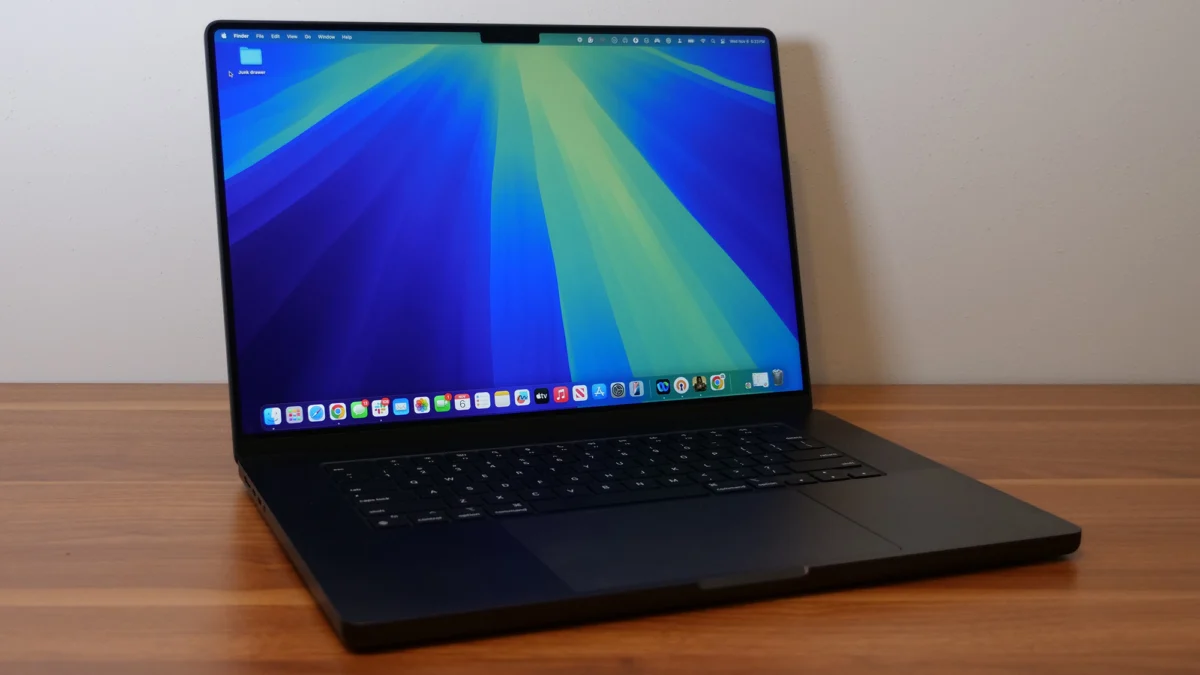
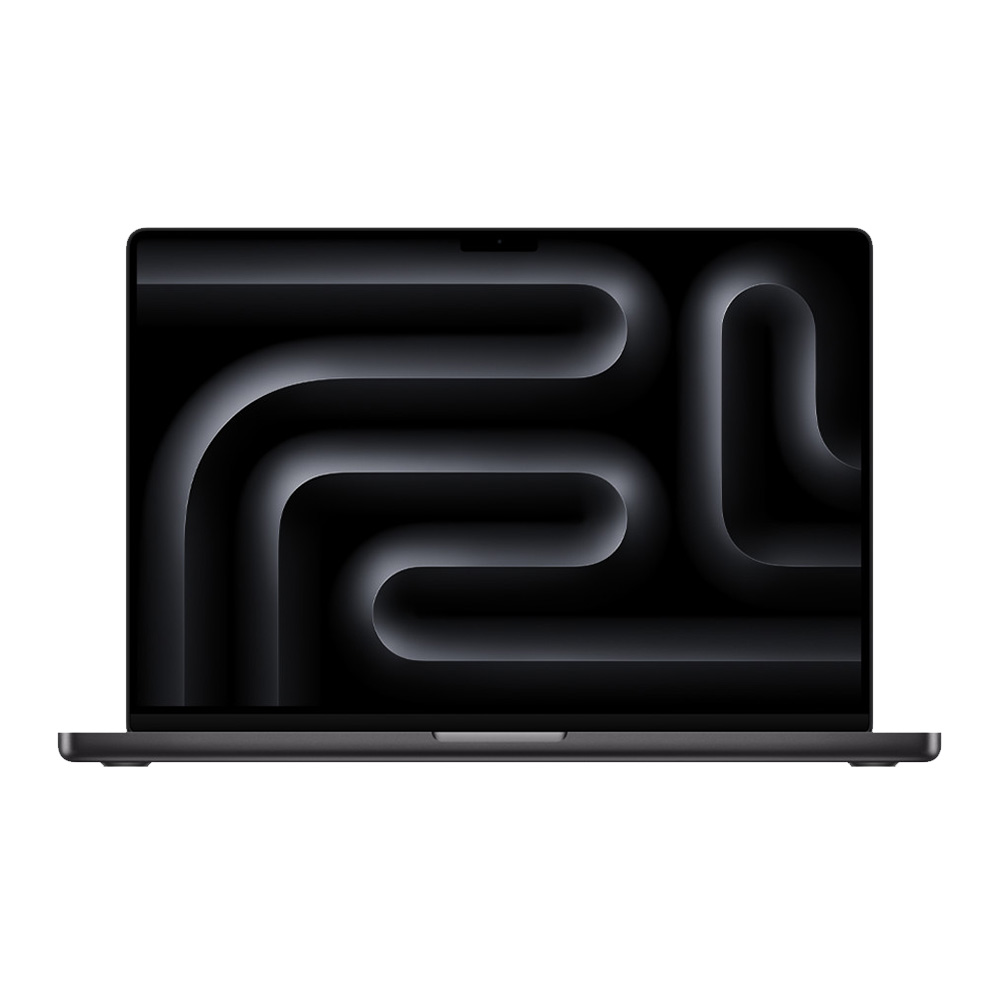
Holding the title of the best overall performer, the 16-inch MacBook Pro continues to set the standard for high-performance mobile computing. In recent testing, the M4 Pro-equipped model achieved a runtime of 20 hours and 46 minutes. This result is particularly significant because the device does not rely on low-power components; it is a powerhouse designed for video editing and complex code compilation. The combination of the M4 Pro’s efficiency and the Liquid Retina XDR display demonstrates that high-fidelity visuals do not necessarily demand an energy tax that compromises longevity.
Lenovo ThinkPad T14s Gen 6
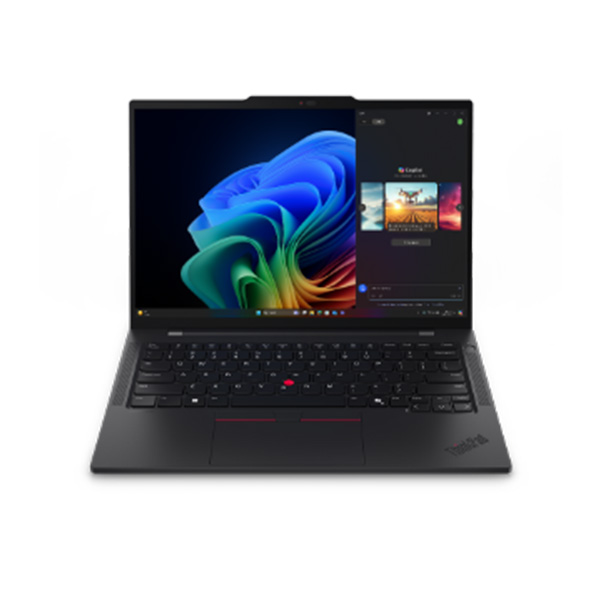
For users prioritizing pure endurance, the Lenovo ThinkPad T14s Gen 6 represents a milestone in Windows-based portability. Utilizing the Qualcomm Snapdragon X Elite processor, this machine recorded 21 hours and 3 minutes of battery life. This performance is a testament to the "AI PC" era, where ARM-based architectures provide a significant leap in energy efficiency for enterprise users. Weighing in at just 2.7 pounds, the ThinkPad T14s is the ideal solution for frequent travelers who require a machine that survives transcontinental flights and full workdays without a power adapter.
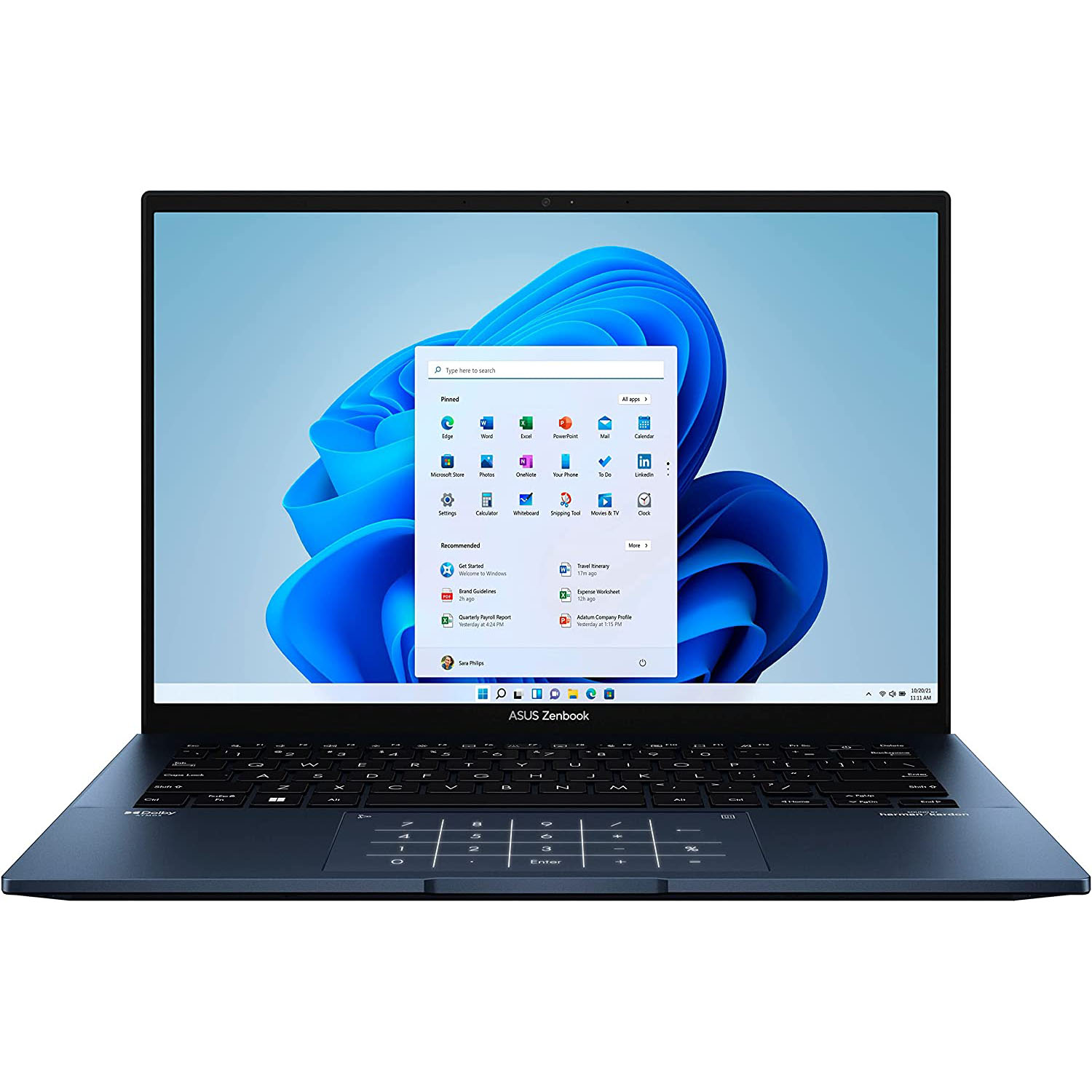
Asus Zenbook 14 OLED (Q425M)
The value segment of the market has also seen drastic improvements. The Asus Zenbook 14 OLED proves that an affordable price point does not preclude impressive battery performance. By leveraging the Intel Core Ultra 7 155H, this device achieved 15 hours and 52 minutes of uptime. It serves as an essential option for students and office workers who need a reliable, lightweight machine with a vibrant OLED display that won’t require mid-afternoon charging.
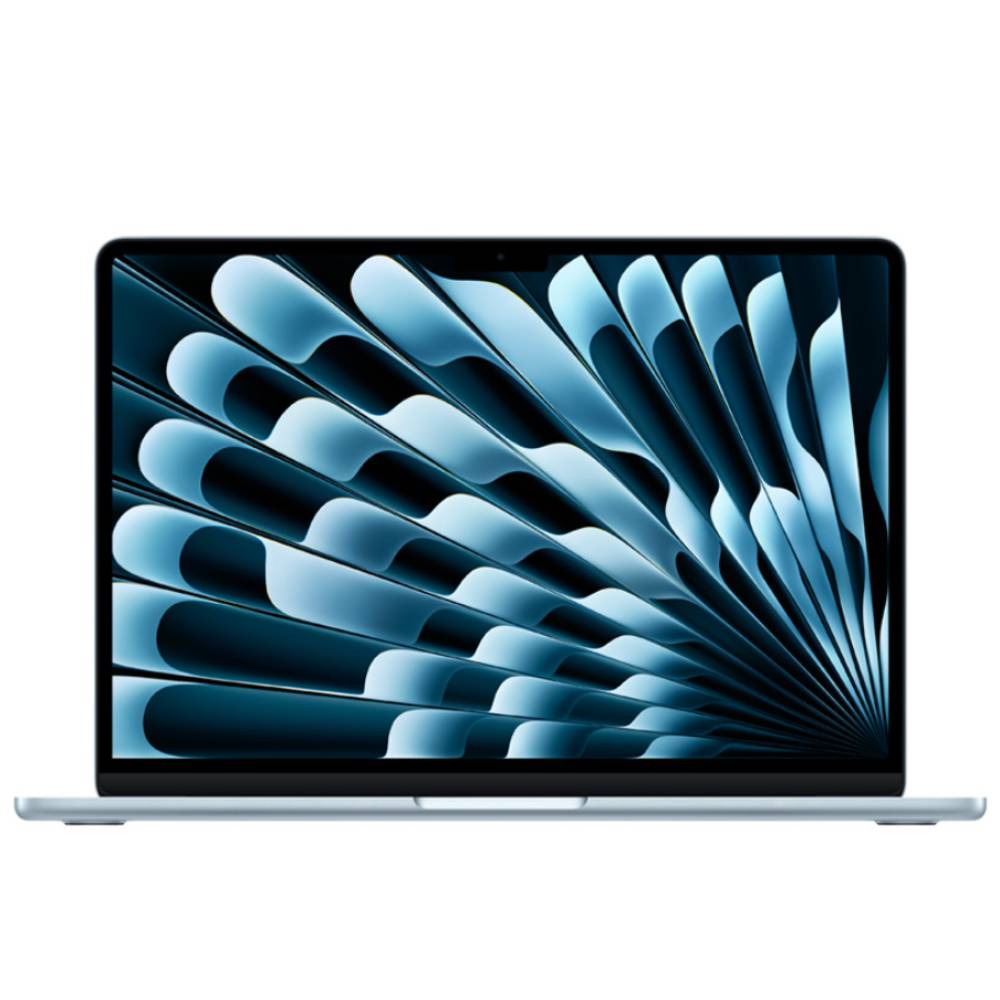
Apple MacBook Air 13-inch (M4)
The M4-powered MacBook Air remains the gold standard for value-driven creative work. Clocking in at 15 hours and 30 minutes, it provides a consistent, fanless experience. By lowering the starting price compared to previous iterations, Apple has made high-efficiency computing more accessible, ensuring that the performance-to-battery-life ratio remains competitive for a broad spectrum of users.
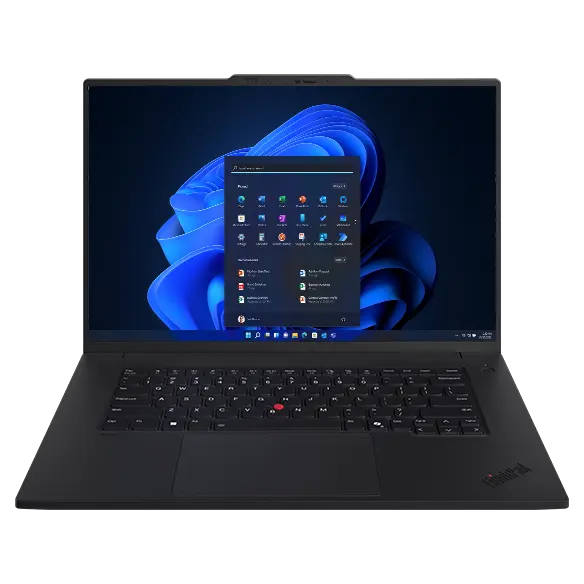
Lenovo ThinkPad P1 Gen 7
Targeted at workstation users, the ThinkPad P1 Gen 7 manages to bridge the gap between heavy-duty graphical performance and mobility. Despite the power requirements of its professional-grade internals, it sustained 17 hours and 23 minutes of operation. This is a critical development for engineers and designers who require mobile access to high-end rendering capabilities without being anchored to a desk.
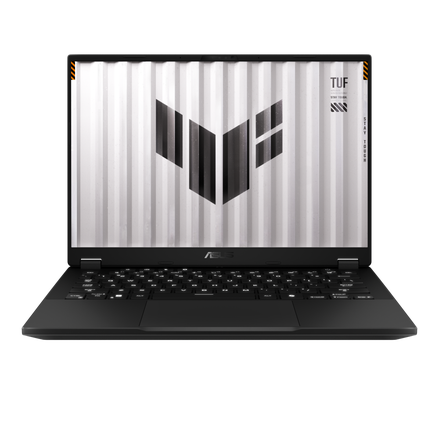
Asus TUF Gaming A14
The gaming sector has historically been the most challenging for battery efficiency due to the high power draw of dedicated GPUs. The Asus TUF Gaming A14 has defied these constraints by delivering 10 hours and 4 minutes of battery life. While typical gaming laptops struggle to exceed five hours, the TUF A14’s ability to handle AAA titles while offering double-digit battery longevity marks a significant shift in the gaming hardware ecosystem.
Fact-Based Analysis of Market Trends
The current shift toward longer battery life is driven by two primary factors: the adoption of smaller transistor nodes (3nm and 4nm processes) and the integration of heterogeneous computing. By offloading specialized tasks to dedicated neural engines or efficiency cores, manufacturers are reducing the load on the primary CPU, which in turn reduces heat and power consumption.
Furthermore, the data highlights a clear divergence in how manufacturers approach display technology. OLED panels, while superior in color reproduction and contrast, remain more power-hungry than traditional IPS panels at high brightness levels. Consumers must weigh their preference for visual fidelity against their need for absolute runtime. The disparity between the ThinkPad T14s’ IPS-based efficiency and the Zenbook’s OLED-based vibrance illustrates the trade-offs inherent in modern laptop design.
Practical Tips for Maximizing Battery Longevity
Regardless of the hardware chosen, users can significantly extend their runtime by following a few evidence-based practices:
- Screen Brightness: Display backlighting remains the largest consumer of battery power. Reducing brightness by even 20% can add an hour or more of usage time.
- Background Process Management: Modern operating systems allow users to track which applications consume the most power. Closing resource-intensive, non-essential background processes—particularly those that rely on continuous cloud synchronization—is vital.
- Hardware Maintenance: Battery health is a finite resource. Keeping the device in a cool environment and avoiding deep-discharge cycles (letting the battery hit 0%) can prevent premature chemical degradation of lithium-ion cells.
- Software Optimization: Keeping operating systems and firmware updated ensures that power management drivers are operating at peak efficiency, as manufacturers frequently release patches to improve power efficiency based on telemetry data.
Conclusion and Future Outlook
As we look toward the remainder of 2025, the trend toward high-efficiency computing appears set to accelerate. The success of the Snapdragon X Elite and M4 architectures suggests that future laptops will continue to push the boundaries of what is possible on a single charge. For the consumer, this means the historical compromise—choosing between performance and portability—is rapidly disappearing. Whether the requirement is for a rugged business workstation, a value-oriented student device, or a gaming machine that can survive a commute, the current market offers options that fundamentally redefine the meaning of "mobile."