The tech industry witnessed a monumental shift this week as Apple concluded its highly anticipated autumn hardware showcase with the unveiling of the iPhone Duo. After years of intense market speculation, industry leaks, and intense competition from rivals like Samsung and Google, Apple has finally entered the foldable market. The device, which adopts a "passport-like" folding form factor, represents a significant departure from the company’s traditional rigid-chassis smartphone lineup.
A Long-Awaited Entry into the Foldable Market
The road to the iPhone Duo was far from linear. Since the inception of the foldable category nearly a decade ago, Apple maintained a stance of calculated patience, often citing the need for display maturity and durability. While competitors raced to release early iterations of foldable hardware—some of which suffered from high failure rates and visible creases—Apple invested heavily in R&D, focusing on hinge longevity and material science.
The chronology of this development is marked by several key phases:
- 2021-2022: Initial patent filings for flexible display mechanisms began surfacing, suggesting Apple was experimenting with multi-layer screen structures.
- 2024: Reports emerged indicating that Apple had begun serious, large-scale supply chain procurement for foldable panels, signaling that a product was finally in the late stages of prototyping.
- Early 2026: Samsung released the Galaxy Z Fold 8, which set a new standard for aspect ratios, moving away from the narrow, tall designs of the past. Apple’s design team reportedly used these industry benchmarks to refine the "passport" orientation of the Duo.
- September 2026: The official announcement at the company’s Cupertino headquarters, positioning the Duo as the "most capable" device in the current iPhone ecosystem.
Engineering the Future: Design and Display Specifications
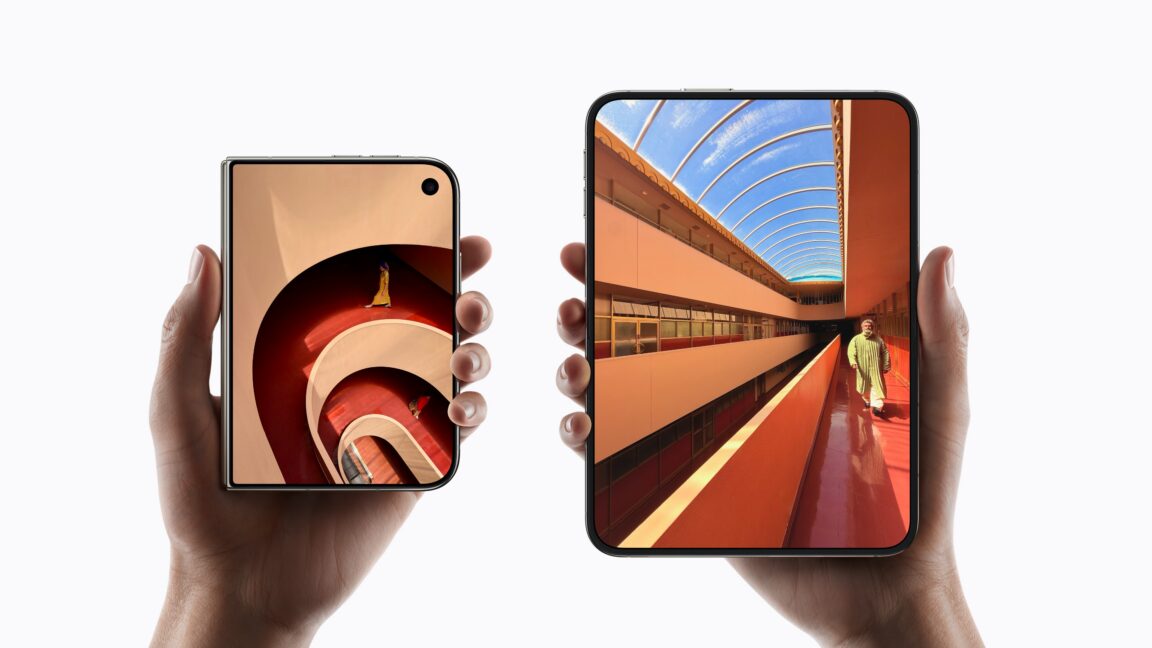
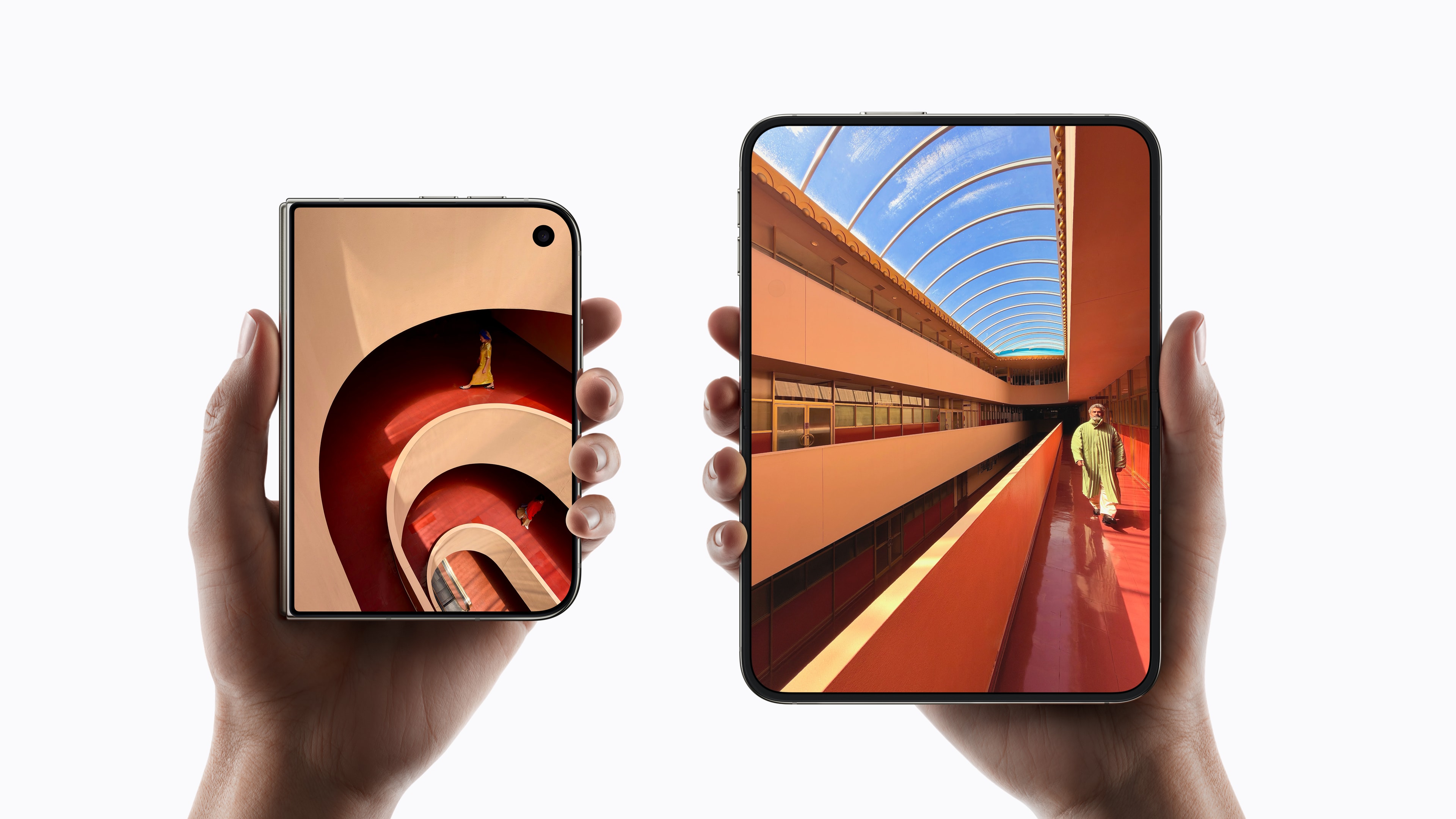
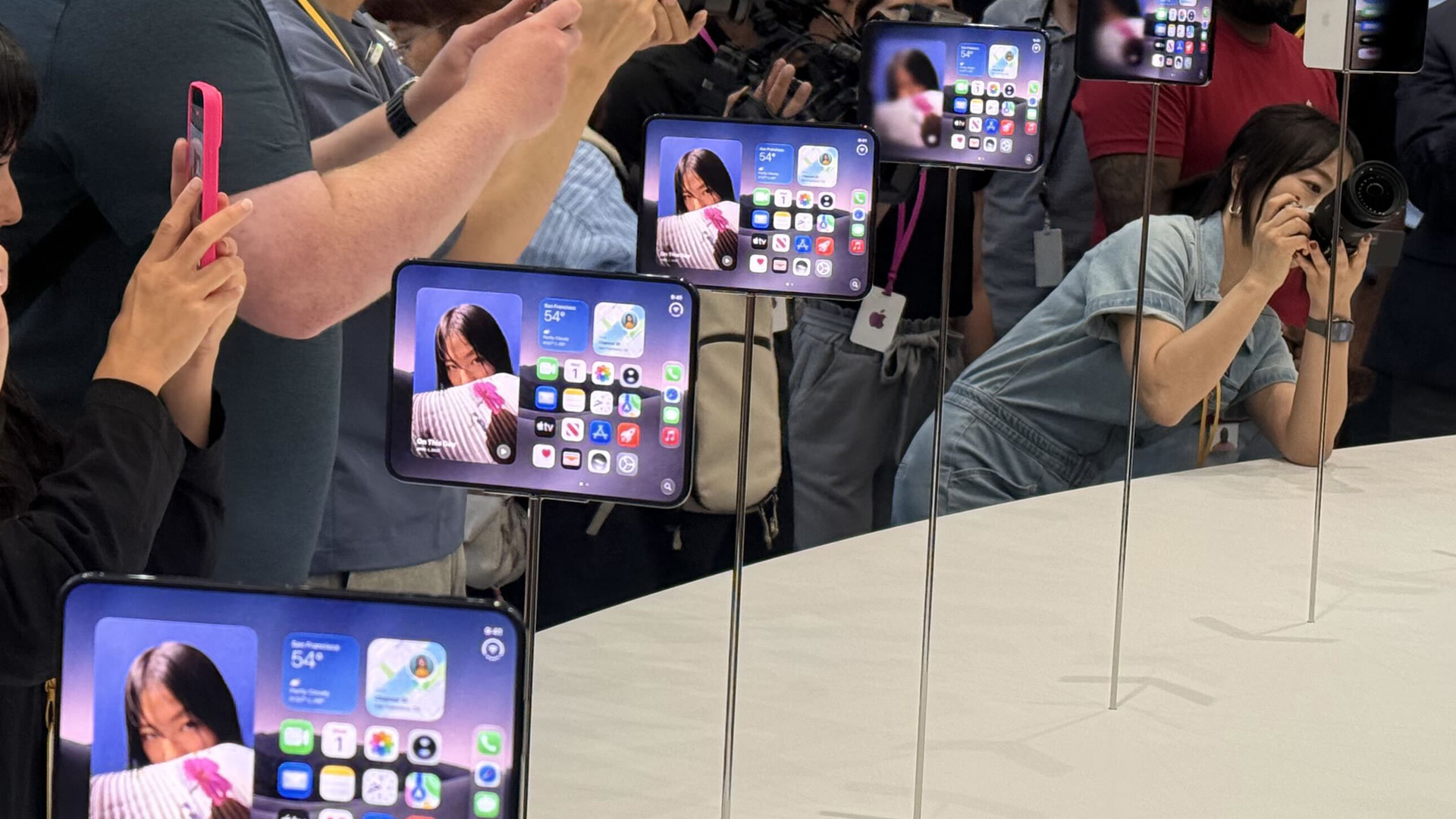
The iPhone Duo arrives with a 7.6-inch Super Retina XDR inner display, paired with a 5.4-inch outer screen. A critical design decision was the 1:1.4 aspect ratio, a choice aimed at solving the primary user frustration with foldable devices: the "square" screen problem. By opting for a wider, shorter chassis, Apple ensures that standard mobile applications and video content do not suffer from the jarring letterboxing or awkward stretching seen on competing devices.
Central to the Duo’s engineering is its multi-layer display architecture. Apple has utilized a custom polymer top layer treated with a nano-texture finish, which the company claims is substantially stiffer than traditional foldable substrates. This material choice is intended to address the persistent issue of display creases. By employing a complex lamination process, Apple claims the device will remain free of a visible fold line over the duration of the device’s lifecycle.
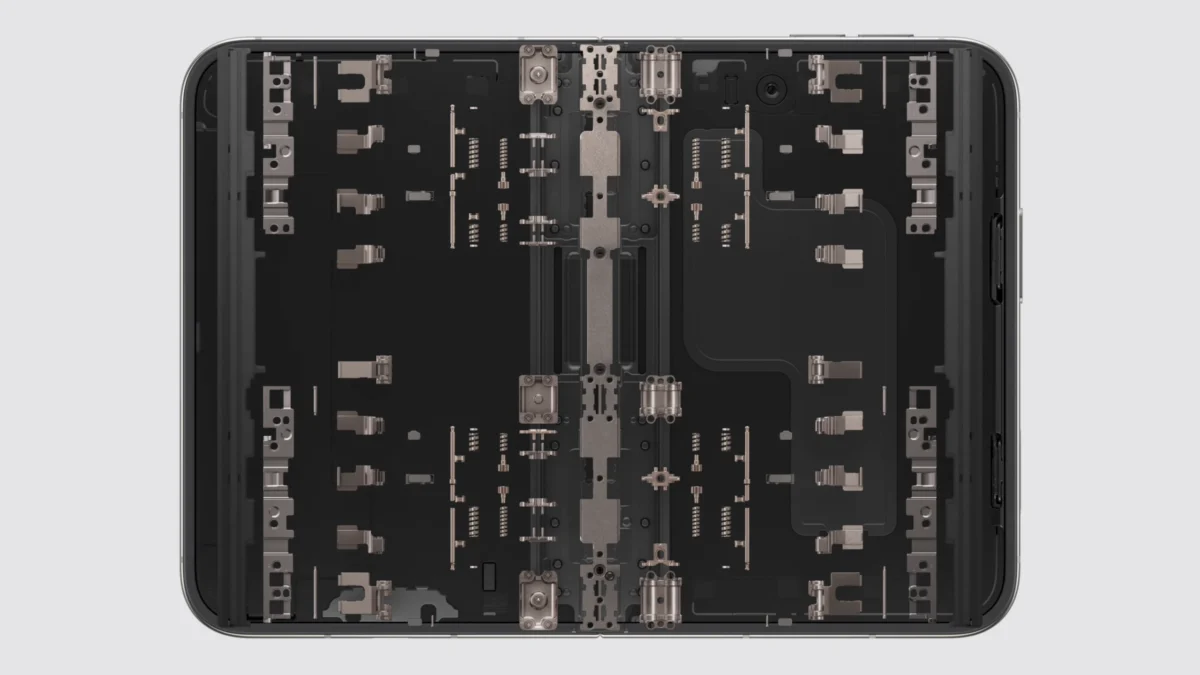
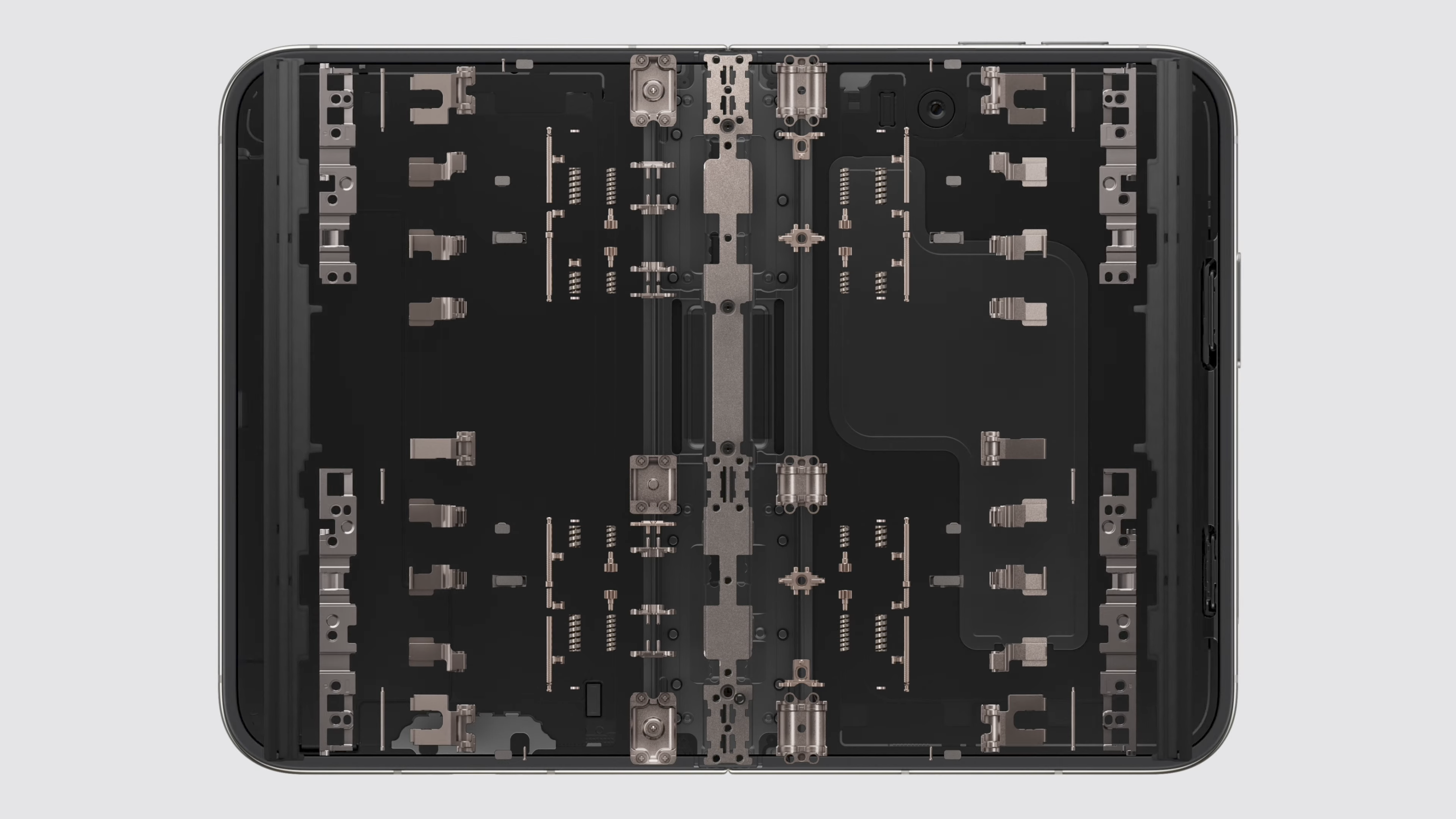
The structural integrity of the device is further reinforced by a titanium frame integrated with internal ceramic fibers. This combination serves a dual purpose: it provides the rigidity necessary for the folding mechanism while managing the weight of the device. The hinge itself is a feat of precision engineering, utilizing over 100 individual components to provide a "custom variable torque" that allows the phone to stay open at various angles.
Technical Performance and Battery Longevity
Under the hood, the iPhone Duo is powered by the A20 Pro chip, the same silicon driving the latest non-foldable flagship models. Despite the immense power draw required to illuminate two displays, Apple has optimized the power management system to deliver impressive results.
According to official specifications, the device provides up to 31 hours of video playback on the inner display and 44 hours on the outer display. For the average power user, this translates to a full 24-hour cycle of mixed-use on a single charge. This efficiency is largely attributed to the ProMotion technology integrated into both panels, which dynamically adjusts refresh rates to conserve energy.
Software Integration and User Interface Enhancements
The transition to a foldable form factor necessitated a significant overhaul of iOS. The software is designed to treat the folding action as a core interface element. When the phone is partially bent, the UI triggers a "Flex-Mode" that repositions elements to suit the angle. For example, the keyboard splits to the lower half, while content remains focused on the upper half.
Furthermore, Apple has shifted the status bar and the home screen app dock to the right edge of the screen when the device is unfolded. This creates a "sidebar" effect, which is designed to keep controls reachable for the thumb while the rest of the display remains dedicated to primary content. This, combined with advanced split-screen multitasking capabilities, aims to bridge the gap between a smartphone and a tablet, essentially offering an "iPad in your pocket."
Market Positioning and Pricing Strategy
The iPhone Duo enters a high-end market segment, starting at $1,999 for the 256GB base model. While this price point is steep, it aligns closely with the pricing of established competitors like the Samsung Galaxy Z Fold 8 and the Google Pixel 11 Pro Fold.
Pricing Breakdown:
- 256GB: $1,999
- 512GB: $2,199
- 2TB: $3,199
Market analysts have noted that while the pricing is high, it is not "obscenely" so by Apple’s historical standards, particularly when compared to the $3,500 launch price of the Vision Pro. The inclusion of support for the Apple Pencil—a feature recently dropped by Samsung—is a clear play to capture the productivity-focused demographic that values digital illustration and note-taking.
The Trade-Offs: Camera and Portability
To achieve the thin, foldable form factor, some hardware compromises were inevitable. The camera system, while highly capable, does not mirror the sophisticated adjustable-aperture array found in the iPhone 18 Pro series. The Duo features a 48MP primary sensor and a 12MP 2x telephoto lens. While high-quality, this is a distinct step down from the "Pro" camera arrays that enthusiasts have come to expect. Furthermore, the inclusion of an under-display selfie camera—which is invisible when not in use—represents a aesthetic choice that prioritizes a clean, uninterrupted display over the absolute highest sensor resolution.
Implications for the Smartphone Industry
The arrival of the iPhone Duo is expected to normalize the foldable form factor for the general consumer. By entering the space, Apple brings its massive ecosystem and developer community, which will likely incentivize more third-party app developers to optimize their software for foldable aspect ratios.
However, the device also faces the challenge of durability. While Apple has rated the device as IP68 for water and dust resistance, the long-term wear and tear of a folding hinge remains a point of skepticism among tech critics. The company’s focus on "reinforced antenna lines" and ceramic fibers suggests that they are aware of these concerns and have attempted to mitigate potential failure points that have plagued earlier generations of foldable phones from other manufacturers.
Looking Ahead: Availability and Demand
The tech community is already anticipating the initial reception of the device. Preorders are scheduled to open on October 16, with the first units shipping to customers on October 23. While industry experts suggest that the iPhone Duo is unlikely to replace the base model iPhone 17 for the average user, it is positioned to dominate the "enthusiast" and "professional" tiers.
The success of the iPhone Duo will likely be measured not just by initial sales figures, but by how quickly it can persuade developers to embrace the foldable interface. If Apple’s UI optimizations prove successful, it may very well define the next decade of smartphone evolution, shifting the industry away from static screens and toward dynamic, multi-modal devices. For now, the world waits to see if the reality of the iPhone Duo can live up to the immense hype that preceded its launch.