Published July 22, 2026 03:27PM
The annual OMA media show, a pivotal event for outdoor gear innovation, has once again provided a glimpse into the future of backpacking and hiking equipment. This year, held in late July 2026, the show highlighted a significant push by major brands towards achieving unprecedented levels of ultralight performance, alongside smart refinements of existing favorites and the emergence of accessible, inventive solutions from beloved industry names. Gear editors from Backpacker magazine were on hand to assess the cutting edge, with a particular focus on advancements expected to influence the 2027 gear landscape. The rigorous testing process will soon determine which of these anticipated releases will earn a coveted spot as a Gear Guide finalist in the spring of 2027.
OMA’s media show, a long-standing tradition in the outdoor industry, serves as a critical platform for manufacturers to unveil their upcoming product lines to influential media outlets. This event, typically held mid-summer, allows editors to get an early look at gear that will hit the market the following season, providing ample time for in-depth testing and review. For 2027, the prevailing theme was a relentless pursuit of weight reduction across all gear categories, from essential shelter systems to highly technical apparel and hydration solutions. This focus on "less is more" is driven by the evolving demands of modern outdoor enthusiasts, who increasingly prioritize portability and efficiency without compromising performance or durability.
HydraPak 42-MM Filter Cap: A Lighter, Smarter Approach to Water Purification
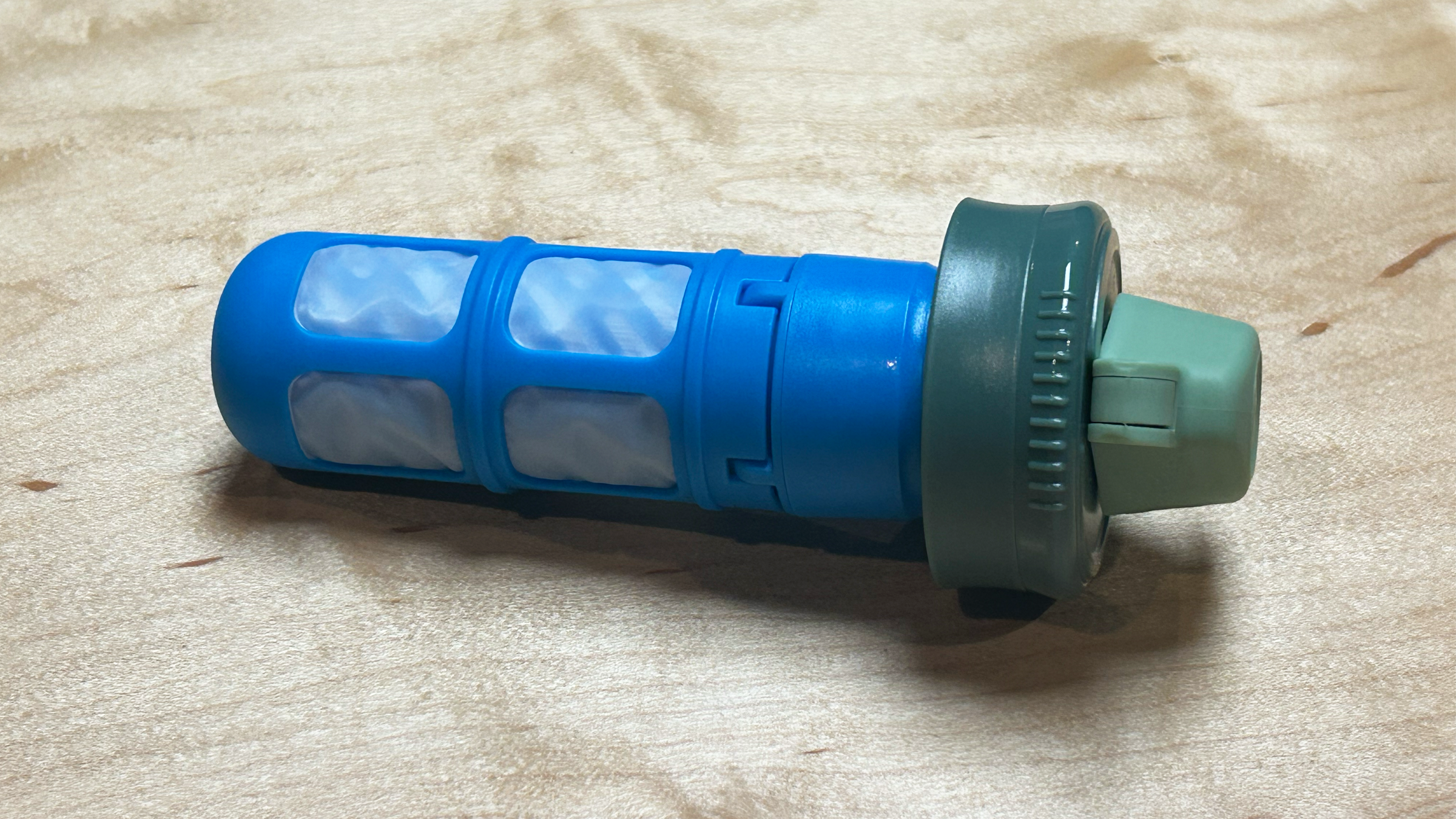
The HydraPak 42-MM Filter Cap, a perennial favorite among backpackers for its exceptional performance, is set to receive a substantial upgrade for 2027. Already lauded as one of the market’s most lightweight, rapid, and user-friendly squeeze filters, the new iteration promises to address the few existing limitations that have been noted by users and reviewers. This evolution in water purification technology is poised to set a new standard for backcountry hydration.
The forthcoming 2027 model boasts a marginal weight reduction, now tipping the scales at a mere 1.4 ounces. Perhaps more significantly for budget-conscious adventurers, the price point has been reduced by $10. A key innovation is the inclusion of a lightweight backflush adapter. This cleverly designed component screws onto a clean water bottle, effectively eliminating the need to carry a separate syringe for filter maintenance in the backcountry. This streamlining of essential maintenance tools is a significant convenience for those aiming to reduce pack weight and complexity.
The most impactful enhancement, however, is the integration of a simple, clip-on prefilter. This mesh attachment is designed to capture the majority of sediment and debris before it reaches the main hollow fiber filter. By taking the brunt of the particulate load, the prefilter significantly extends the lifespan of the inner filter, a crucial component that requires more involved backflushing. The ease of cleaning the mesh prefilter contrasts sharply with the more intricate backflushing procedure for the hollow fiber element, offering a more manageable maintenance routine for users.
Further demonstrating a commitment to sustainability and cost-effectiveness, HydraPak has announced that filter-only replacements will be available. This initiative not only aims to reduce plastic waste destined for landfills but also offers a more economical long-term solution for backpackers. The complete filter kit, including the brand’s popular soft flasks like the Seeker, is slated for release in Spring 2027. Stand-alone filter units are expected to become available in 2028, providing consumers with flexible purchasing options. This multi-phase rollout strategy suggests a comprehensive approach to market integration and consumer accessibility.
Kelty Early Start 2 Tent: Redefining Value in Lightweight Shelters
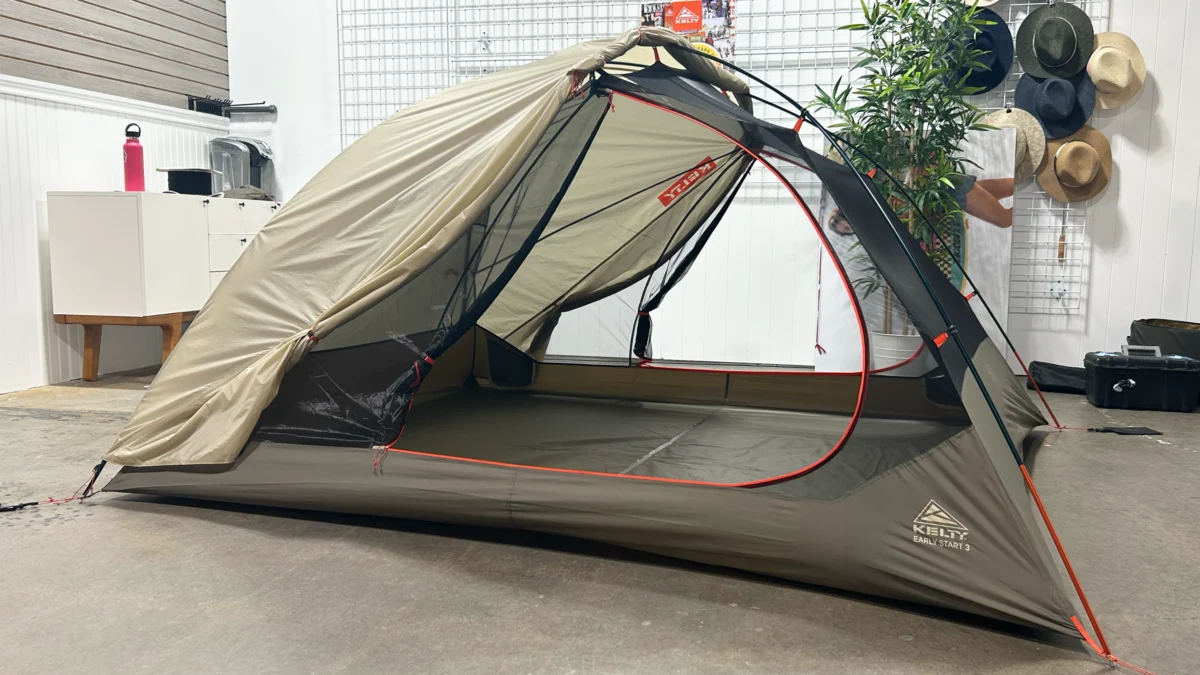
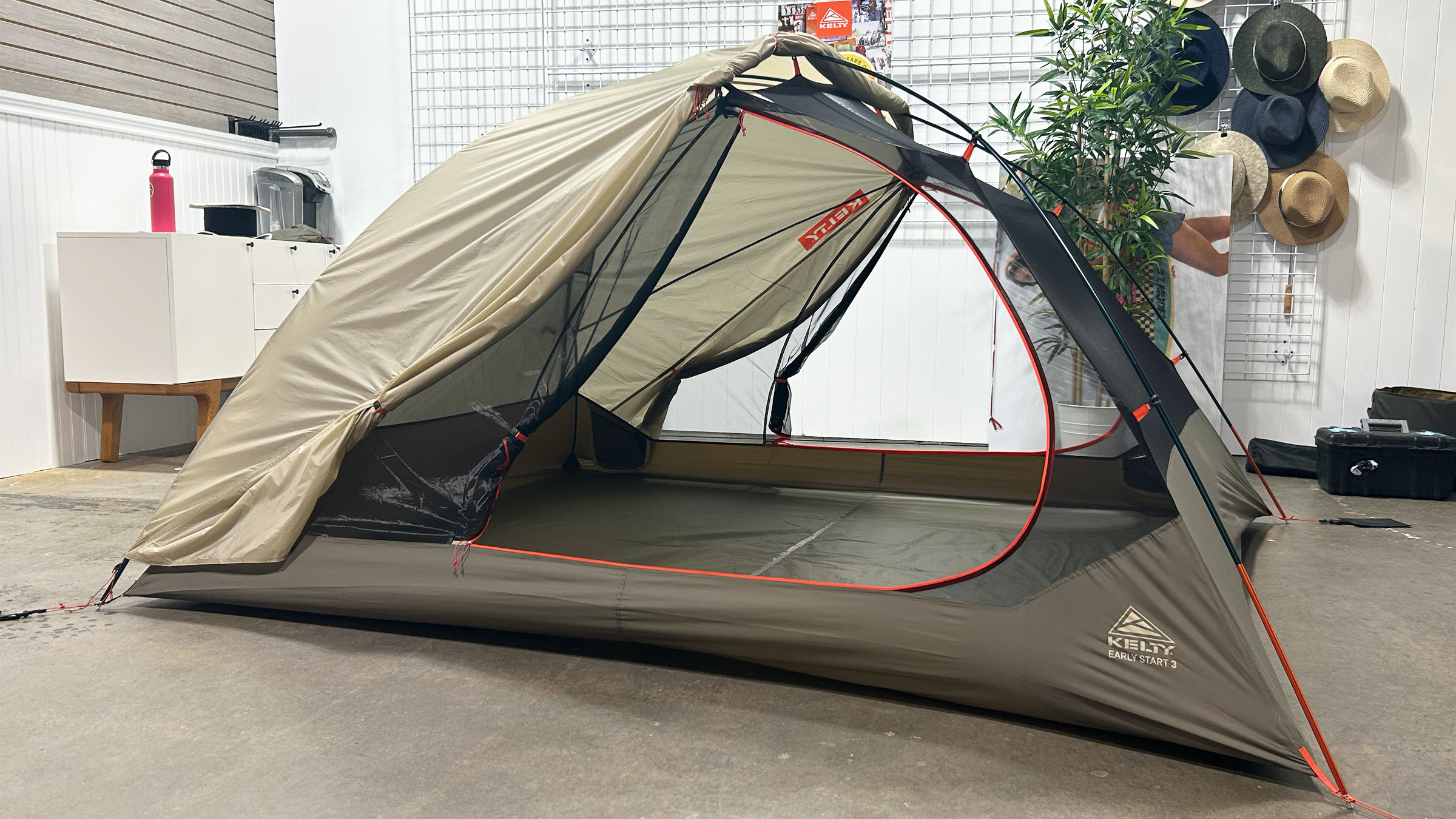
Kelty, a brand historically associated with durable, accessible, and often heavier gear suitable for entry-level campers, has surprised the industry with the introduction of the Early Start 2, a genuinely lightweight backpacking tent. This release signals a strategic shift for the company, aiming to capture a segment of the market that prioritizes both affordability and packability.
Priced at $280, the Early Start 2 undercuts the cost of many established budget-friendly backpacking tents currently available. Its most impressive specification is its trail weight of just 2 pounds and 10 ounces. For comparative context, high-end two-person ultralight tents such as the Big Agnes Copper Spur and the NEMO Dragonfly, which command prices often double that of the Early Start 2, typically weigh in at a similar weight class. This competitive pricing and weight ratio positions the Kelty tent as a significant disruptor in the ultralight shelter market.
Initial impressions suggest that the Kelty Early Start 2 does not compromise on functionality despite its aggressive weight target. The tent’s pole segments are designed to be short enough to accommodate bikepacking setups, a feature highly valued by multi-modal adventurers. Internally, the tent offers ample storage with four mesh pockets located at the bottom and an additional overhead pocket. A notable design feature is the rainfly’s ability to roll up over half of the tent, facilitating stargazing opportunities. Crucially, this roll-up section can be deployed from within the tent, offering flexibility in varying weather conditions. Collectively, these attributes make the Early Start 2 a compelling candidate for the "best value backpacking tent" award, promising to make ultralight camping more accessible to a broader audience.
Rab Mythic Quilt 32F: Pushing the Boundaries of Ultralight Insulation
The pursuit of ultralight backpacking gear often encounters practical limitations, particularly in the realm of sleeping insulation. Once a certain threshold of down fill power and fabric denier is reached, further weight reduction becomes a significant engineering challenge. However, Rab appears to be successfully circumventing these established boundaries with its new Mythic Quilt 32F.
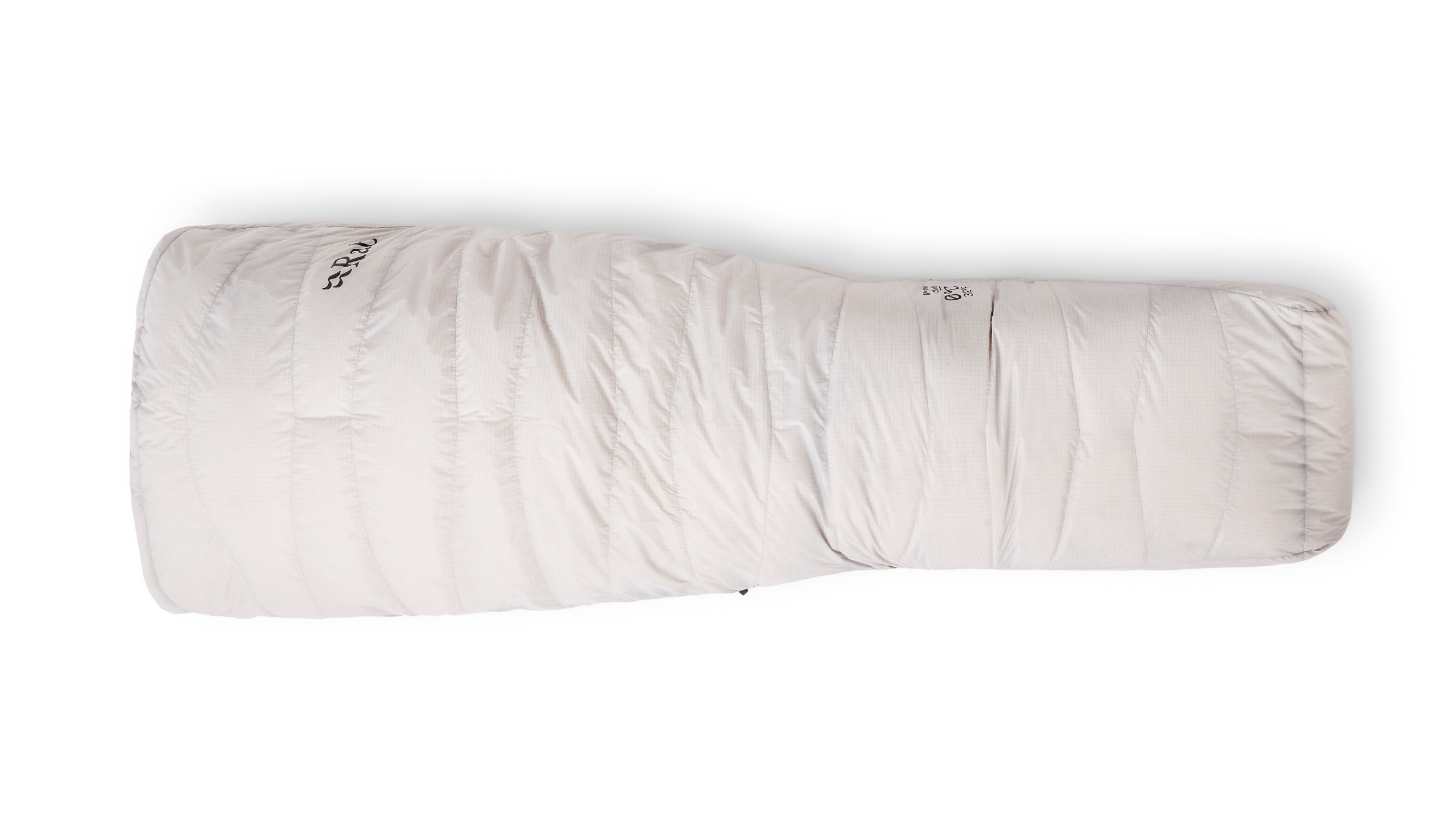
This 32-degree Fahrenheit (0° Celsius) rated quilt, derived from the brand’s highly acclaimed Mythic Bag introduced earlier in 2026, achieves a remarkable weight of just 13.8 ounces. This figure is lighter than any other quilt currently available on the market at this temperature rating. For context, only quilts designed for warmer weather, such as the Zpacks Summer Quilt, can rival this weight, and they typically offer comfort only down to approximately 50 degrees Fahrenheit.
Rab attributes this extraordinary warmth-to-weight ratio to several key technological advancements. In addition to utilizing premium 900-fill goose down, the quilt incorporates a reflective lining and a novel twisted helix baffle design. These features, according to the company, enhance thermal efficiency and insulation performance beyond conventional designs. The Mythic Quilt is equipped with a sewn-in, three-dimensional footbox for enhanced comfort and a secure strap attachment system to minimize drafts and maintain loft. This innovative piece of gear will undoubtedly undergo extensive testing during the upcoming season to validate its performance in chilly backcountry conditions.
Sea to Summit Ion Line: Advanced Sleeping Pad Technology for Lighter Nights
Sea to Summit has long been recognized for producing some of the most comfortable lightweight sleeping pads available, largely due to its proprietary quilted baffle design, which deviates from traditional horizontal or vertical configurations. However, until now, the brand has struggled to compete with industry leaders like Exped, NEMO, and Therm-a-Rest in terms of the crucial weight-to-R-value ratio. The introduction of the new Ion line, the successor to the XR Insulated series, signifies a significant leap forward, bringing Sea to Summit squarely into contention.
The Ultralight Ion 5, the flagship model of the new line, boasts an R-value of 5 and an astonishingly low weight of just 11.5 ounces. This makes it one of the lightest sleeping pads on the market for its warmth rating, rivaling even the highly regarded Exped Ultra 6.5. The broader Ion range includes the Ether Light Ion 6 and 8, offering R-values of 6 and 8 respectively, with marginally increased weights.
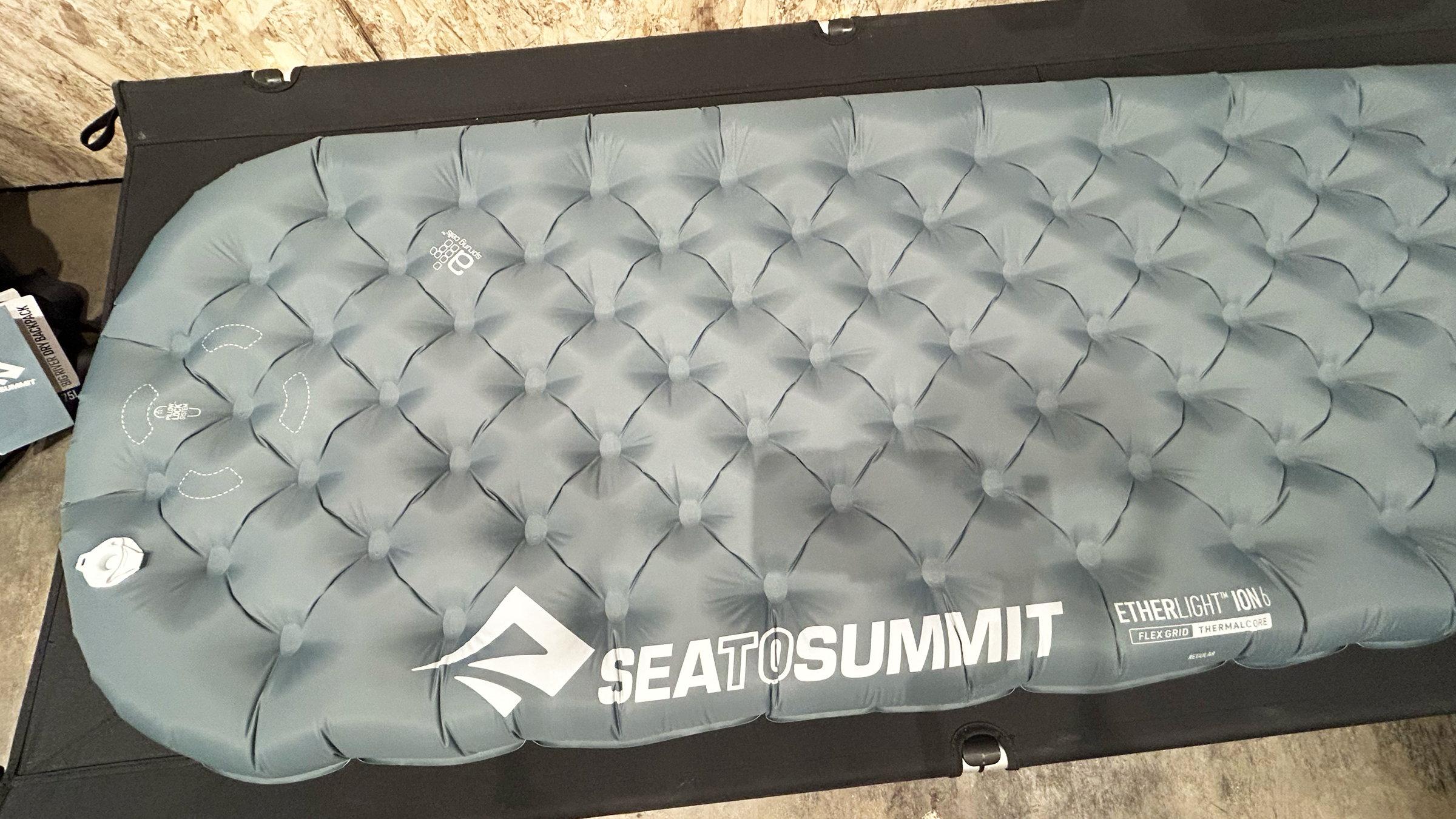
Sea to Summit has achieved this significant weight reduction through an innovative construction method. Instead of employing a full sheet of TPU (thermoplastic polyurethane), the brand has developed a TPU "skeleton" that is integrated along the dot welds, which are the uninsulated sections of the quilted baffles. This strategic reinforcement reduces material usage without compromising structural integrity. The pads are constructed using 20-denier fabric, which is notably thinner than the fabric used in the brand’s current Ether Light XR sleeping pads. Comprehensive testing will be conducted over the next season to fully assess the actual warmth, durability, and comfort of the Ion line.
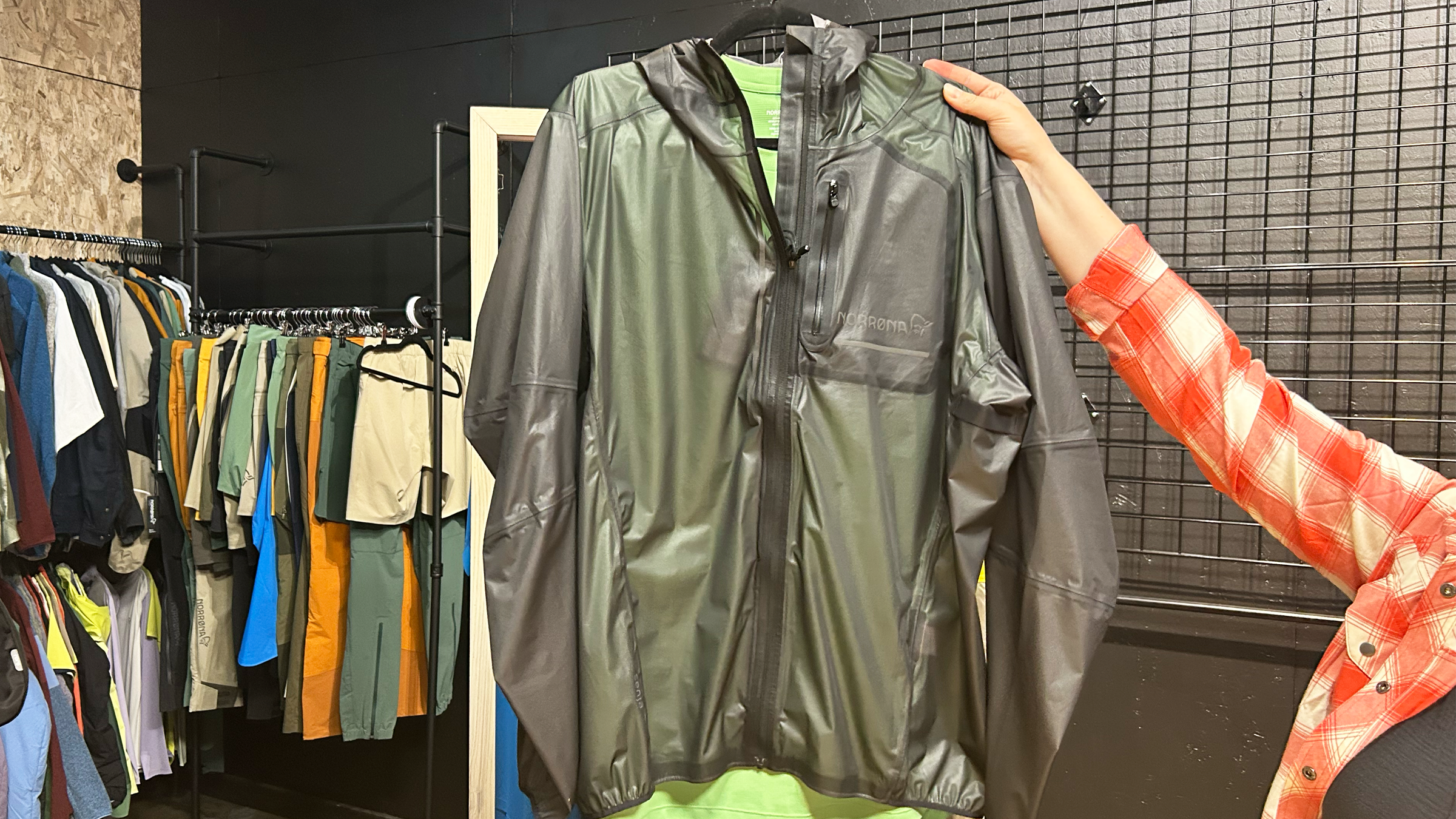
Norrona Senja Driflex 3 Lightweight Jacket: A Post-ShakeDry Contender in Breathable Rainwear
The outdoor apparel market has faced a significant void since the discontinuation of Gore-Tex’s ShakeDry technology in 2023, a result of environmental concerns regarding PFAS chemicals. ShakeDry was celebrated for its unparalleled combination of ultralight weight, exceptional breathability, and complete waterproofness, creating a benchmark that has been difficult to meet.
Norrona’s new Senja Driflex 3 Lightweight Jacket emerges as a promising contender in this post-ShakeDry era, mimicking the discontinued fabric’s look, feel, and weight. While specifically targeted towards trail runners, this jacket is likely the first iteration of Norrona’s new proprietary waterproof-breathable technology. The Driflex 3 is a genuine three-layer construction, boasting an impressive waterproof rating of 20,000mm and a breathability rating of 50,000g/m²/24h. These figures, particularly the high breathability index, are highly competitive in the ultralight rainwear category.
The jacket’s construction features a 15-denier polyester face fabric and a 7-denier nylon backer, resulting in a total weight of just 5.6 ounces. Notably, the jacket includes pit zips, a feature essential for active ventilation during strenuous activities, further enhancing its appeal for high-output pursuits. The Senja Driflex 3 represents a significant step towards filling the gap left by ShakeDry, offering a compelling option for outdoor athletes seeking top-tier protection and performance.
Lowa Paceterra Pro: The Ultralight Trail Runner Redefined
Lowa has showcased a range of compelling new footwear, but the Paceterra Pro has garnered particular attention for its groundbreaking ultralight design. Weighing in at an astonishing 7.3 ounces per shoe, this 6-millimeter-drop sneaker has established itself as the lightest trail runner currently available on the market.
The remarkable lightness of the Paceterra Pro is achieved through a combination of advanced design and material choices. It features a strobel-free construction, where the midsole is directly bonded to the upper, eliminating unnecessary layers and adhesives. The upper is crafted from Matryx mesh, a highly breathable and durable material. The outsole utilizes a Vibram MegaGrip Litebase compound with strategically placed cutaways to reduce weight. Further contributing to its minimalist design are a perforated sock liner and a supercritical TPEE midsole, which offers responsive cushioning with minimal mass.
It is crucial to note that the Lowa Paceterra Pro is engineered as a race-day shoe. Lowa estimates its trail life to be approximately 180 miles, indicating that it is not intended for the prolonged, high-mileage demands of ultralight hiking or thru-hiking. Its primary purpose is to provide maximum speed and agility for shorter, performance-oriented endeavors on the trail, setting a new benchmark for lightweight trail footwear.
The innovations presented at the OMA media show for 2027 underscore a clear industry trend towards maximizing performance while minimizing weight. From enhanced water purification systems and more accessible ultralight shelters to revolutionary insulation and breathable rainwear, the upcoming gear season promises exciting advancements for outdoor enthusiasts seeking to push their limits with lighter, more efficient equipment. The coming months of rigorous testing will be crucial in validating these early impressions and determining which of these pioneering products will ultimately redefine backcountry adventures.