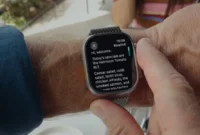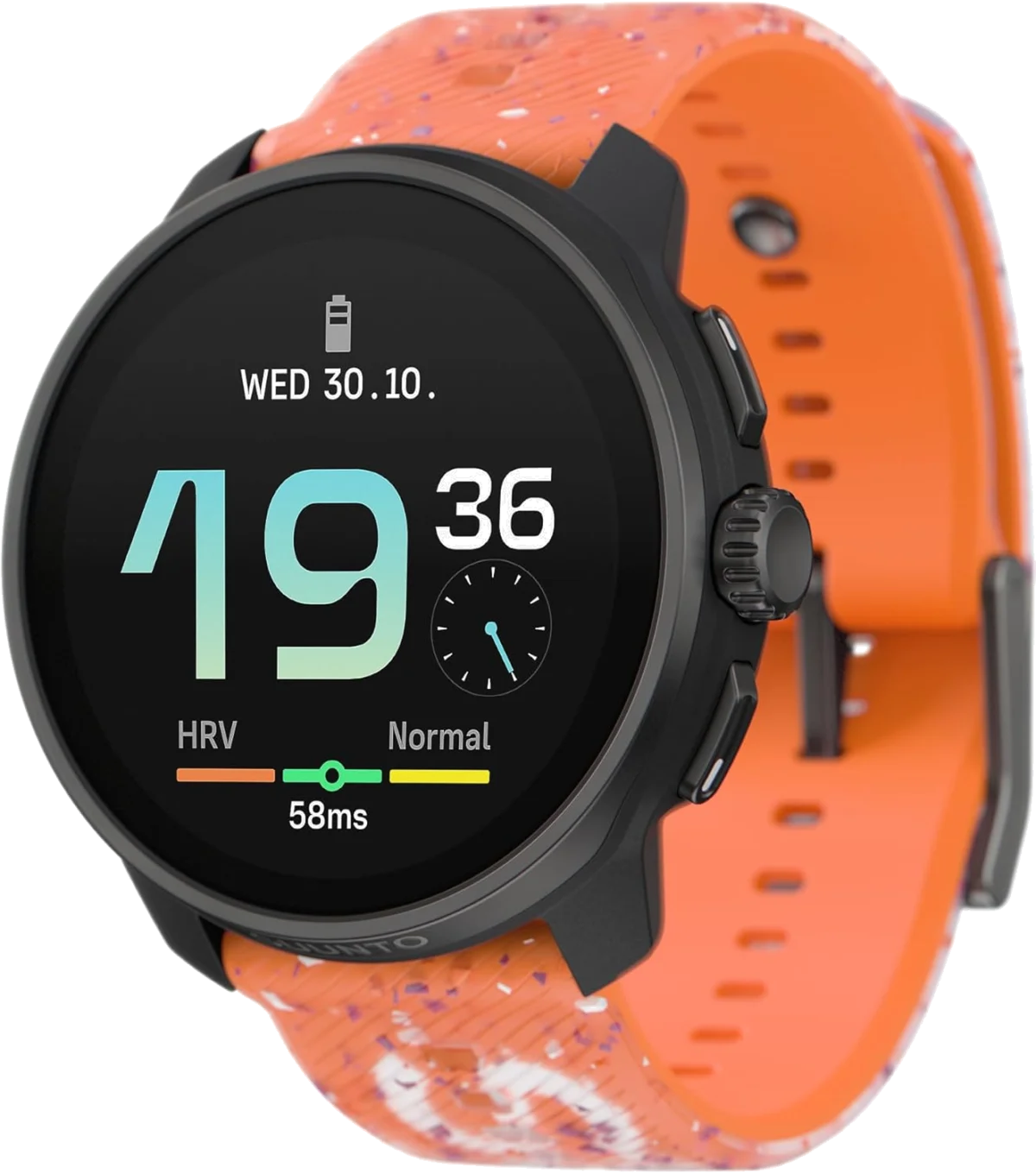
Suunto has officially announced a comprehensive firmware update across its premium and mid-tier sports watch lineup, marking a significant milestone in the company’s recent aggressive software development cycle. This latest release, targeting the Suunto Vertical 2, Suunto Race 2, Suunto Race, and Suunto Race S, introduces a suite of features designed to bridge the gap between proprietary ecosystems and third-party hardware. Most notably, the update facilitates heart rate broadcasting and provides a pathway for integration with Garmin’s Varia radar systems via the Suunto App Store, signaling a shift toward a more open and interconnected fitness technology environment.
The April 2026 update follows a series of rapid-fire releases from the Finnish manufacturer. In January, the company deployed a major firmware overhaul, followed by an expansion of the Suunto App Store in March. This third major update within the first half of the year suggests a strategic pivot for Suunto, focusing on software longevity and feature parity with industry leaders such as Garmin and Coros. By enhancing the utility of existing hardware, Suunto aims to retain its user base while attracting athletes who rely on a diverse array of sensors and third-party platforms.
A Chronology of Rapid Innovation
The trajectory of Suunto’s software evolution over the past year highlights a commitment to iterative improvement. In late 2025, the company launched the Suunto Race 2 and Vertical 2, hardware platforms built with increased processing power and memory to support more complex software features. The January 2026 update focused on refining the user interface and basic training metrics. By March 2026, the focus shifted to the "open platform" philosophy, allowing third-party developers to create specialized apps for the Suunto ecosystem.
This latest April release represents the culmination of these efforts, integrating advanced navigation, physiological testing, and sensor compatibility. For many users, the most anticipated feature is the ability to broadcast heart rate data from the watch to external devices. This allows the Suunto watch to act as a heart rate strap for bike computers, gym equipment, or indoor cycling platforms like Zwift—a functionality that has been a standard request from the Suunto community for several years.
Enhanced Navigation and Outdoor Capabilities
Suunto’s heritage is deeply rooted in outdoor navigation, and this update reinforces that identity with several high-end mapping features. The Suunto Vertical 2 and Race series now include enhanced watch maps featuring place names, contour line elevations, and specific location icons. This improvement is aimed at trail runners and mountaineers who require high-fidelity topographic data directly on their wrists.
The update also introduces "Smart Turn-by-Turn" navigation. This system utilizes automatic zoom and timely notifications to ensure users remain on their designated path. For those who venture off-course, the new "Off Route Guidance" provides the distance and direction required to return to the route. Additionally, a "Track Back" feature has been implemented, allowing users to follow their exact path back to the starting point, a critical safety feature for explorers in unfamiliar terrain.
The "Climb Guidance" tool has also seen significant refinements. Users can now zoom into specific sections of a climb to see detailed distance and elevation data. The bottom data fields on the navigation map and climb views are now customizable, allowing athletes to prioritize the metrics most relevant to their specific activity, such as vertical speed or remaining ascent.
Third-Party Integration: The Garmin Varia and Concept 2 Breakthrough
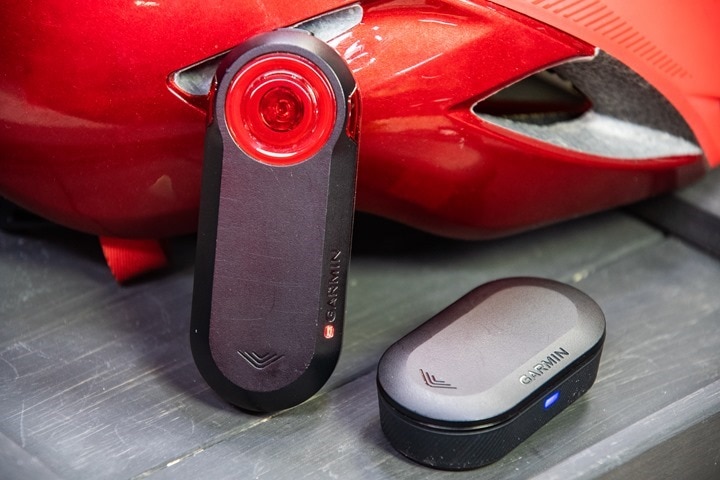
Perhaps the most surprising element of this update is the introduction of third-party apps that enable compatibility with hardware typically associated with the Garmin ecosystem. Through the Suunto App Store, users can now download an application that allows Suunto watches to connect to Garmin Varia radar devices via Bluetooth.
The Varia radar system is widely considered the gold standard for cycling safety, providing visual and audible alerts about approaching vehicles. While the integration currently supports models like the RTL515, RVR315, and RCT715, technical analysts note that the newer Varia 820 may remain incompatible due to its requirement for a secure Bluetooth connection, a protocol Garmin has historically kept proprietary. Nevertheless, the ability to view radar alerts on a Suunto device is a major development for multi-sport athletes who prefer Suunto’s hardware but utilize Garmin’s safety sensors.
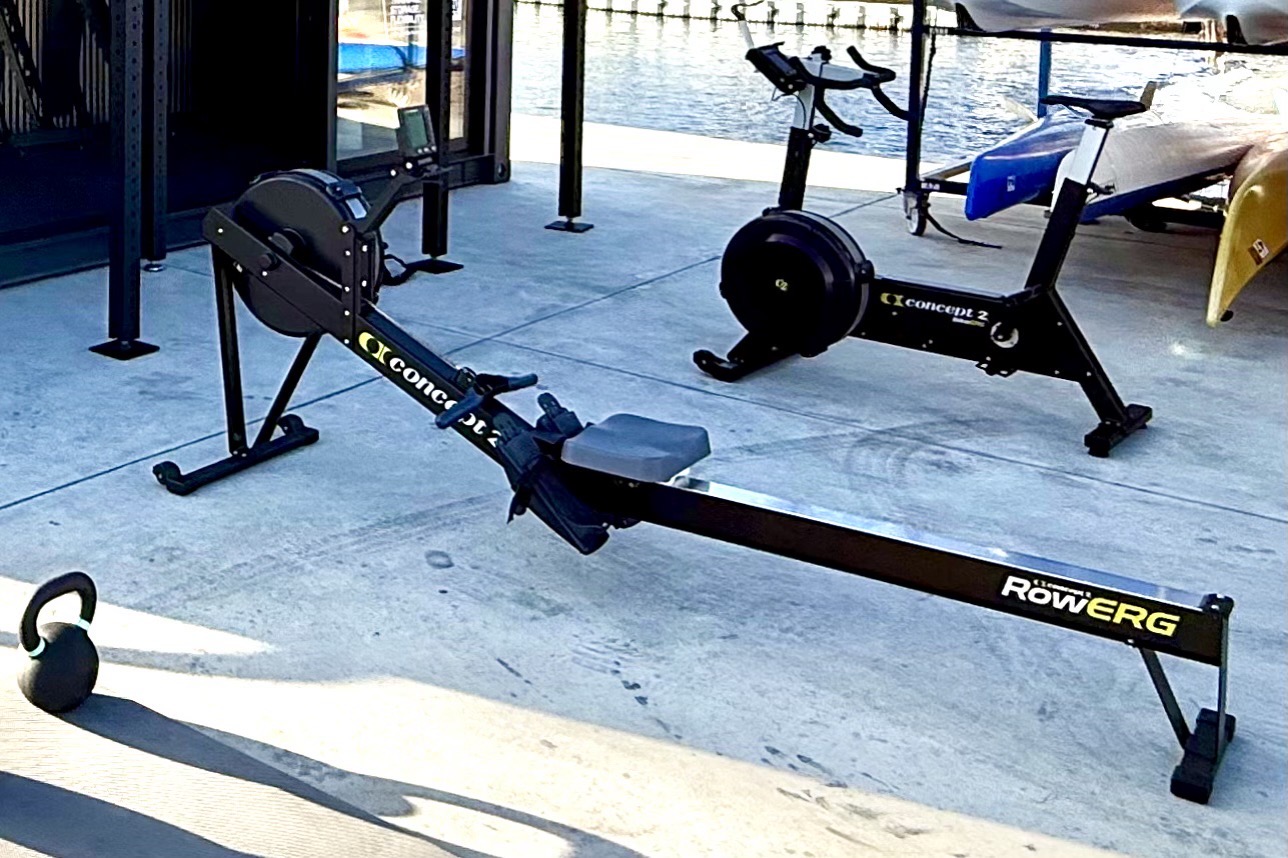
Furthermore, the "ErgSync" app has been launched to facilitate data synchronization with Concept 2 rowers equipped with PM5 monitors. This integration allows the watch to pull in real-time data, including strokes per minute (SPM), wattage, and distance. This move directly addresses the needs of indoor rowers and Crossfit athletes, further diversifying the watch’s utility beyond traditional running and cycling.
Physiological Insights and Training Tools
Beyond hardware compatibility, Suunto has introduced new tools for physiological monitoring and training management. A new Heart Rate Recovery (HRR) test can now be performed immediately following a workout. This metric is a vital indicator of cardiovascular fitness and autonomic nervous system health, providing users with a clearer picture of their recovery status.
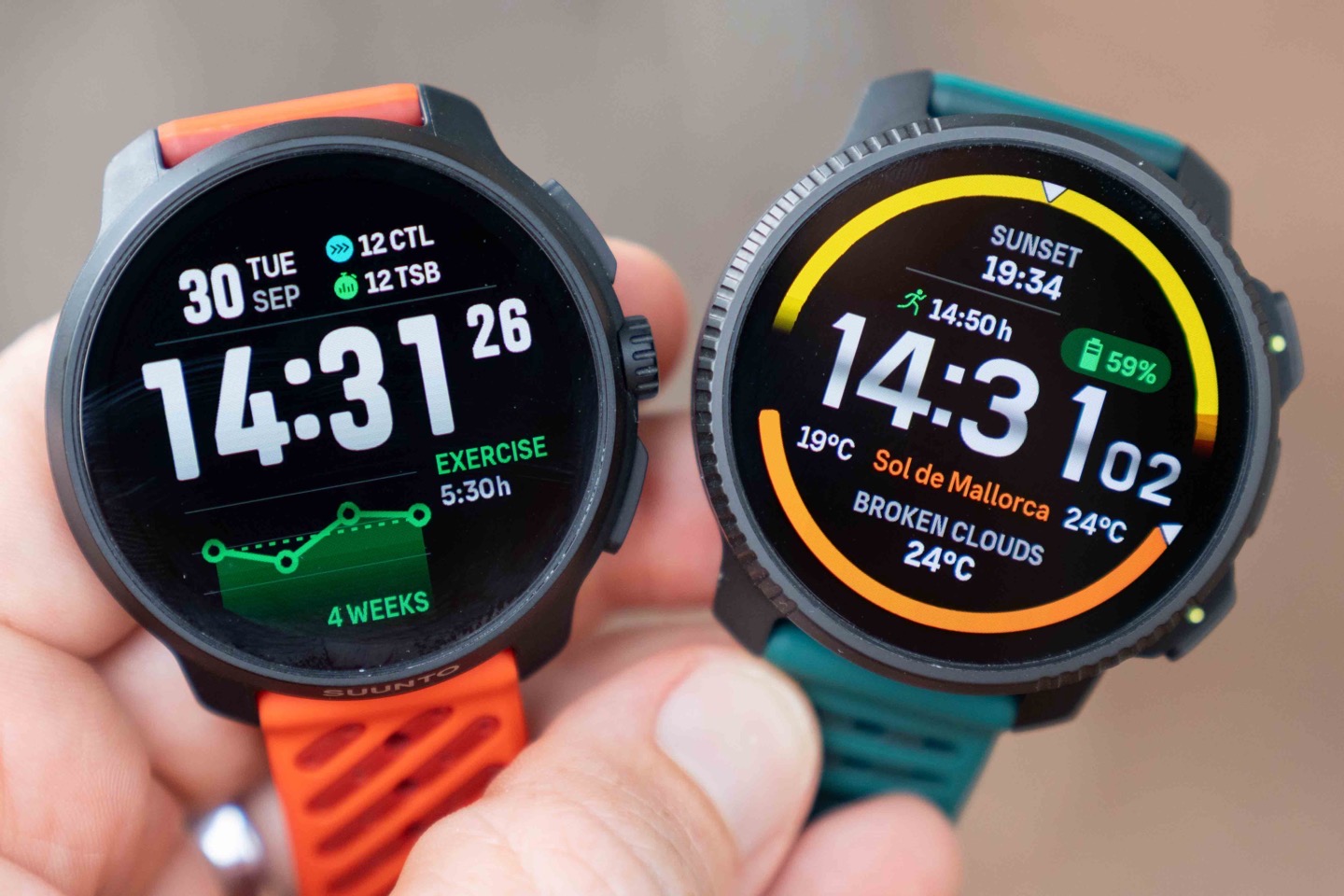
The Suunto App has also been updated to include:
- Suunto AI Coach: Now supports strength training sessions, offering personalized insights into volume and intensity.
- Recovery Analysis: New feeling and fatigue graphs have been added to the recovery tab, helping athletes balance training load with rest.
- Training Plans: Users can now view and manage their training plans directly within the app’s progress view.
For swimmers, the firmware adds pool swimming drill sets and improved manual lap controls for interval timing. These features bring Suunto’s swimming profile closer to the specialized capabilities found in dedicated swim trackers.
User Experience and Global Accessibility
In an effort to improve daily usability, Suunto has implemented several "quality of life" tweaks. The interface now supports mixed units, allowing users to, for example, track distance in miles while viewing elevation in meters. This is particularly useful for athletes who train in different geographical regions or follow international training programs.
The update also adds:
- Indonesian Language Support: Expanding the brand’s reach in the Southeast Asian market.
- Day-Specific Alarms: Allowing for different wake-up times throughout the week.
- Sunrise/Sunset Data: Now included in the morning report to assist in daily activity planning.
- Improved Data Pickers: The interface now uses looped numbers for easier selection of times and distances.
Analysis of Market Implications
Industry analysts view this update as a defensive yet innovative move by Suunto. By opening their platform to third-party developers and creating bridges to Garmin hardware, Suunto is acknowledging that modern athletes operate in a "mixed ecosystem." Few users own equipment exclusively from one brand; they may use a Suunto watch, a Garmin radar, a Wahoo bike computer, and a Concept 2 rower.
By becoming the "hub" that connects these disparate devices, Suunto increases the value proposition of its hardware. The Suunto Vertical 2 and Race series are often praised for their build quality, battery life, and aesthetic design, but they have historically lagged in software ecosystem breadth. This update narrows that gap significantly.
Furthermore, the focus on the "Vertical" and "Race" lines suggests that Suunto is prioritizing its high-performance segments. The inclusion of offline maps with route planning in the Suunto App—even for devices that do not support on-watch mapping—shows a commitment to providing a premium experience across the entire user journey, from planning to execution and analysis.
Official Response and Future Outlook
While Suunto has not released an official statement regarding the specific 3rd-party developers behind the Varia and ErgSync apps, the company’s product leads have been active in demonstrating these features through official channels. The message from the company is clear: Suunto is no longer a closed system.
This update sets a precedent for future releases. If Suunto continues to leverage its App Store to solve compatibility issues that other manufacturers might ignore for competitive reasons, it could carve out a unique niche as the most flexible high-end sports watch on the market.
As of late April 2026, the firmware is rolling out globally to all compatible devices. Users are encouraged to sync their watches with the Suunto App to receive the update. With this release, Suunto not only improves the functionality of its current lineup but also sends a strong signal to the market that it remains a formidable competitor in the rapidly evolving world of wearable technology. For the end-user, the result is a more capable, more connected, and more versatile tool for athletic performance and outdoor exploration.