







The modern ultralight backpacking community has long prized aesthetic minimalism alongside weight reduction. For years, discarding traditional gear components in favor of stripped-down alternatives has served as a defining hallmark of advanced thru-hiking culture. Among these practices, the adoption of frameless, hipbelt-less packs has emerged as a prominent trend, popularized by early cottage industry prototypes and viral social media movements. However, as more long-distance hikers embrace the beltless philosophy, physical therapists, ergonomic specialists, and pack designers are raising concerns about the long-term musculoskeletal consequences of transferring total pack weight directly onto the shoulders, upper back, and cervical spine.
The Evolution of Minimalist Load-Carrying
The elimination of the hipbelt is not a recent development, though its cultural footprint has expanded significantly over the past three decades. In the late 1990s, pioneering designs such as the GoLite Breeze introduced the concept of frameless and beltless packs to a broader audience of lightweight backpackers. Throughout the 2000s, cottage gear manufacturers like Mountain Laurel Designs refined these concepts with offerings such as the Burn, gradually integrating minimalist principles into the collective consciousness of the long-distance hiking community.
The trend reached a critical inflection point around 2017, driven largely by the viral popularity of early prototypes from brands like Pa’lante Packs. These designs—characterized by their absence of internal frames, rigid structures, and traditional padded hipbelts—became symbols of elite ultralight efficiency. What began as a niche philosophy practiced by seasoned gear tinkerers rapidly transformed into a mainstream aspiration for backpackers tackling major routes like the Pacific Crest Trail (PCT), the Appalachian Trail (AP), and the Continental Divide Trail (CDT).
For many practitioners, shedding the hipbelt offered an immediate psychological and physical sensation of freedom, reminiscent of discarding restrictive clothing. Yet, this stylistic shift often overshadowed the foundational biomechanical principles of load distribution.
Biomechanical Implications of Beltless Hiking
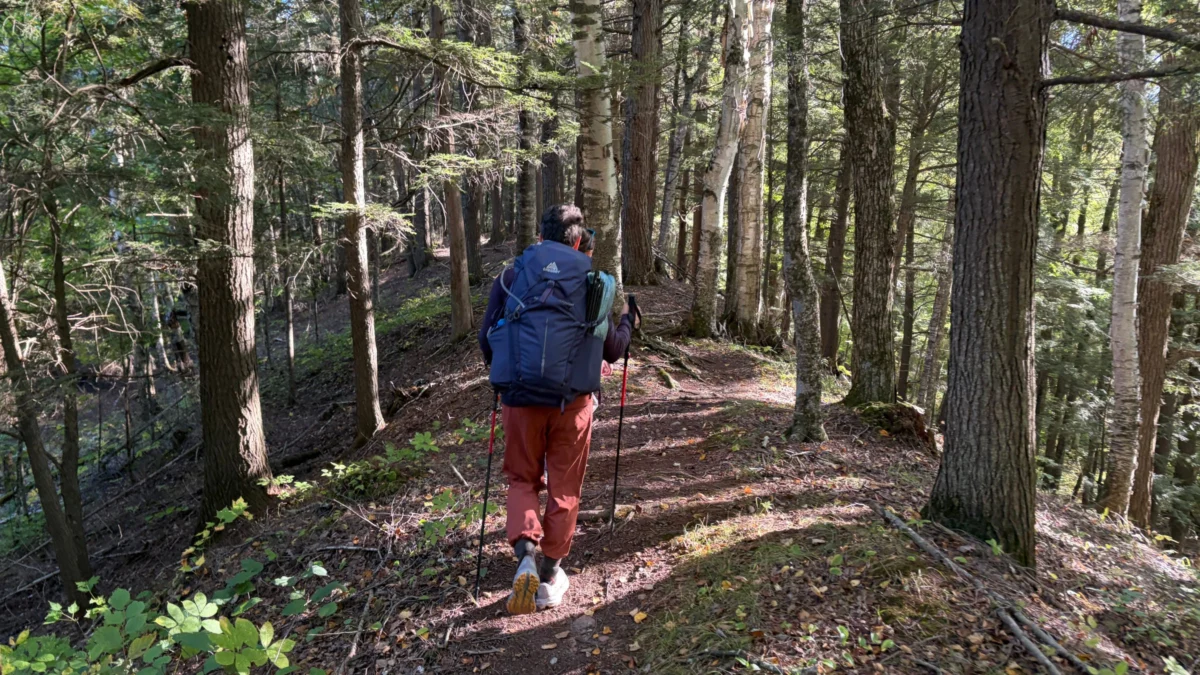
To evaluate the physiological impact of carrying a loaded pack exclusively via shoulder straps, medical professionals point to fundamental principles of human anatomy. When a traditional backpack is worn correctly, a substantial percentage of the total load—frequently cited by ergonomists as 60 to 80 percent—is transferred through a padded hipbelt directly to the pelvis and lower limbs. This allows the body’s strongest muscle groups, including the gluteus muscles, quadriceps, and core stabilizers, to bear the brunt of the weight.
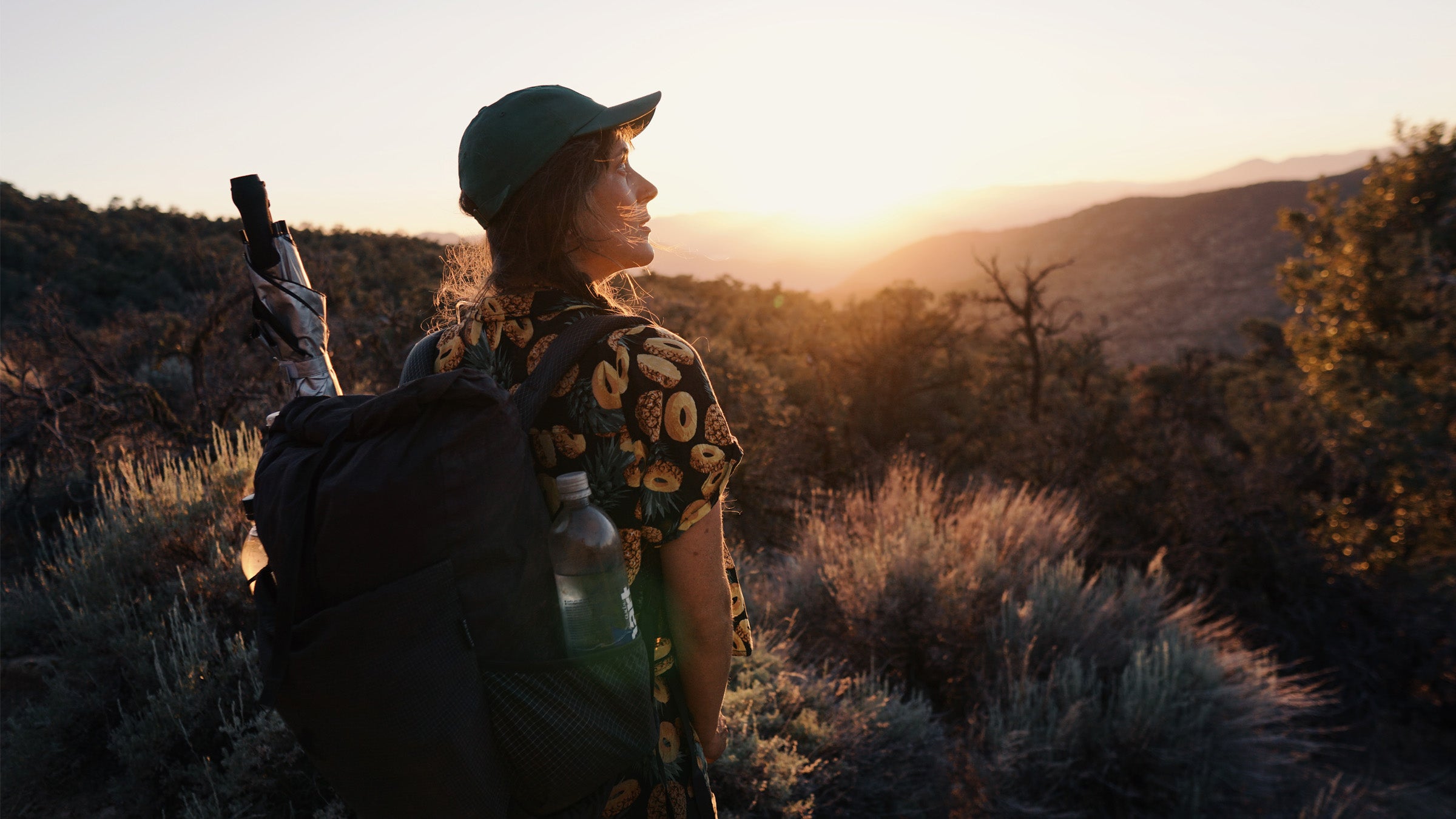
When the hipbelt is removed, the entire load vector shifts upward and forward, concentrating forces onto the trapezius muscles, clavicle, anterior deltoids, and the thoracic spine. According to physical therapists specializing in endurance athletes, sustained compression in this region places extraordinary stress on soft tissues, nerves, and vascular pathways.
Clinical observations from physical therapists indicate that continuous shoulder compression can compress the brachial plexus—a network of nerves passing from the neck through the shoulder region into the arm. Prolonged pressure on these nerves frequently manifests as localized fatigue, progressing to paresthesia (tingling sensations), numbness, and motor weakness in the upper extremities. Furthermore, hikers with pre-existing postural stiffness in the upper back or underdeveloped scapular stabilizers are significantly more vulnerable to acute overuse injuries under these conditions.
The Adaptation Timeline and Tolerance Thresholds
Proponents of beltless backpacking often argue that physical discomfort can be mitigated through progressive adaptation and strict adherence to low base weights—typically defined as keeping the weight of all gear excluding consumable items under 10 pounds.
However, medical and design experts emphasize that human physiological adaptation varies widely and cannot be rushed by ideological commitment to gear minimalism. Physical therapists who specialize in thru-hiking populations note that soft-tissue adaptation requires months or even years of gradual exposure to mechanical stress.
Industry experts suggest a practical self-assessment metric for hikers considering a beltless setup: evaluating physical comfort during the final hours of a day’s journey while carrying maximum consumable loads, such as dense food provisions and multi-liter water carries. If structural pain or nerve irritation emerges during periods of peak load, it serves as an empirical indicator that the musculoskeletal system has exceeded its current load-bearing threshold. Ignoring these warning signs frequently leads to chronic injuries that can force hikers off the trail prematurely.
Industry Response and Gear Engineering Realities
Gear designers face a complex balancing act between consumer demand for minimalist aesthetics and the mechanical realities of variable trail loads. Modern ultralight packs designed without traditional hipbelts—such as the Cutaway manufactured by the Nashville Pack and Equipment Company—frequently utilize wide, running-vest-style shoulder straps distributed across the chest to optimize stability and distribute pressure more evenly.

However, design engineers point out a fundamental operational challenge: a backpack’s total weight fluctuates dramatically between resupply points. While a frameless, beltless pack may perform exceptionally well when carrying less than 20 pounds of total weight, its performance degrades rapidly when forced to accommodate heavy water carries or multi-day food supplies common on arid or remote routes.
Consequently, many modern cottage manufacturers have begun reintroducing modular features, such as removable webbing belts or hybrid support structures. Industry analysts note that adding a lightweight, detachable hipbelt increases a pack’s overall weight by only four to five ounces while substantially expanding its operational versatility across varying terrain and resupply intervals.
Broader Impact and Future Outlook
The cultural conversation surrounding hipbelt-less backpacking highlights a broader tension within the outdoor recreation community between aesthetic purity and functional ergonomics. As lightweight backpacking continues to evolve, industry stakeholders and medical professionals advocate for a more pragmatic approach to gear selection—one that prioritizes individual biomechanical realities over ideological dogma.
Ultimately, the ongoing debate suggests that the future of ultralight design lies in modularity and adaptability rather than rigid minimalism. By utilizing gear systems that allow hikers to adjust their load-distribution strategies based on environmental demands and physical conditioning, outdoor enthusiasts can mitigate the risk of overuse injuries while continuing to pursue long-distance objectives safely.