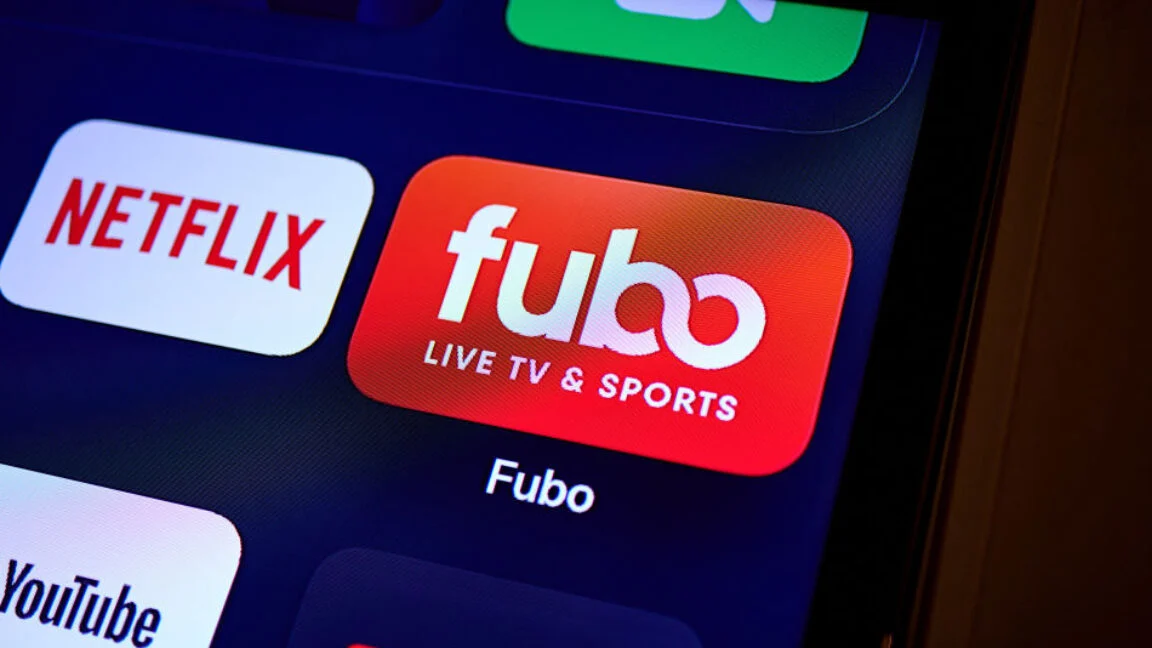
Fubo, a prominent virtual multichannel video programming distributor (vMVPD) known for its sports-centric programming, has announced a substantial $15 per month increase across all its subscription tiers, directly attributing the hike to a newly forged agreement that restores a selection of NBCUniversal channels to its platform. This move marks a significant shift in Fubo’s pricing strategy, pushing monthly rates beyond their pre-blackout levels, even as some notable NBCUniversal channels remain conspicuously absent from the newly restored lineup, raising questions among subscribers and industry analysts about the evolving economics of streaming television.
The latest development follows a tumultuous period for Fubo subscribers, characterized by a major content dispute that culminated in the removal of NBCUniversal channels from the service late last year. For many years, Fubo had offered a comprehensive suite of NBCUniversal programming, a cornerstone of its content offering, particularly appealing to its sports-focused audience. This long-standing carriage agreement, however, dissolved in November of last year, due to what was described as a protracted contract dispute between Fubo and NBCUniversal. The blackout resulted in the immediate loss of a wide array of popular channels, including local NBC affiliates, the Spanish-language network Telemundo, nine crucial regional sports channels (RSNs), and 32 national channels, severely impacting the breadth of content available to Fubo subscribers.
A Tumultuous Timeline: The NBCUniversal Dispute and Its Aftermath
The journey to the current price adjustment is punctuated by a series of events that underscore the volatile nature of content licensing in the modern media landscape.
- Pre-Blackout Era (Prior to November last year): Fubo’s service packages, such as the Essential, Pro, and Elite plans, included a robust selection of NBCUniversal channels, integrating them seamlessly into its live TV offering. The Essential and Pro plans were priced at $85 per month, while the Elite plan stood at $95 per month. This period represented a relatively stable phase in Fubo’s content agreements with major broadcasters.
- November Last Year: The Blackout: Negotiations between Fubo and NBCUniversal reached an impasse, leading to the abrupt removal of all NBCUniversal-owned channels. This included not only the flagship NBC broadcast network and its local affiliates but also popular cable channels, crucial regional sports networks, and Spanish-language programming. The loss was substantial, leaving a noticeable void in Fubo’s lineup, especially for sports fans relying on regional coverage.
- December Last Year: The Price Adjustment: In what was widely regarded as a sensible, though rare, strategic decision for a vMVPD, Fubo opted to proactively lower its subscription prices following the content loss. Recognizing that subscribers were receiving a diminished service, the company adjusted its pricing downwards. The Essential plan saw a reduction from $85 to $74 per month, the Pro plan dropped from $85 to $75 per month, and the Elite plan decreased from $95 to $84 per month. This move was largely seen as an attempt to retain subscribers by aligning service cost with perceived value, a strategy that stood in contrast to many historical content disputes where prices often remained static despite channel losses.
- Early This Year: The New Deal and Price Reversal: After a period of intense negotiation, Fubo and NBCUniversal reached a new carriage agreement. While the specific terms of the deal were not publicly disclosed, its immediate consequence for subscribers is the reintroduction of a significant portion of the previously lost NBCUniversal channels. However, this restoration comes at a direct and substantial cost to the consumer. All monthly subscription prices are now increasing by $15, effectively erasing the previous price drops and establishing new, higher baseline prices than those prior to the blackout. For instance, the Essential plan, which was $85, dropped to $74, and is now set to rise to $89 per month. Similarly, the Pro plan moves from $85 to $75, then to $90, and the Elite plan from $95 to $84, then to $99. These new price points represent a premium over the pre-blackout rates, sparking considerable debate among the subscriber base.
Restored Channels vs. Lingering Gaps: A Partial Return
While the return of NBCUniversal content is a welcome development for many, Fubo’s subscribers are discovering that the new agreement does not fully restore the channel lineup they enjoyed before the dispute. The reinstated channels include critical components like NBC affiliates, Telemundo, several regional sports channels (which are often high-value for Fubo’s core demographic), and popular entertainment channels such as Bravo, Cozi, NBC News NOW, Universo, True CRMZ, and NBCSN.
However, a notable omission persists: nine specific cable channels that NBCUniversal spun off into a separate entity named Versant in January of this year are not part of the new Fubo deal. These missing channels represent significant gaps in the entertainment and news offerings, including CNBC (essential for business news and market coverage), SYFY (a popular destination for science fiction and fantasy content), USA Network (known for its original dramas, WWE programming, and syndicated shows), E! (a staple for celebrity news and reality television), and MS NOW (formerly MSNBC, a key source for progressive news and political commentary). The absence of these channels means that subscribers are paying a higher price than ever before for a service that, while improved, is still not equivalent to its pre-blackout iteration. This situation highlights the increasing fragmentation of content ownership and the complex web of licensing agreements that streaming providers must navigate.
Fubo’s Justification and Mounting Subscriber Reactions
Fubo has communicated the price adjustments and channel restoration directly to its subscribers via email and through an online support page. The company’s official statement regarding the price increase underscores the broader financial pressures facing content distributors: "The rising cost of bringing you the programming you enjoy means that, unfortunately, we need to pass some of these increases on to you." This statement echoes a common refrain heard across the vMVPD industry, where content acquisition costs, particularly for live sports and premium entertainment, continue to escalate dramatically.
Subscriber reactions, as evidenced by discussions on platforms like Reddit, have been a mixture of relief and frustration. While the return of essential channels, especially local NBC affiliates and regional sports networks, is generally positive, the significant price hike—especially when coupled with the incomplete channel restoration—has generated considerable discontent. Many subscribers feel they are being asked to pay more for less, or at the very least, paying a premium for a service that was once available at a lower price point. The sentiment reflects a broader "streaming fatigue" among consumers who are increasingly burdened by multiple subscriptions and escalating costs across the digital entertainment landscape.
The Broader Landscape of vMVPDs and Content Licensing Challenges
Fubo’s situation is not an isolated incident but rather a microcosm of the systemic challenges facing the entire virtual multichannel video programming distributor industry. The vMVPD model, initially conceived as a leaner, more flexible, and more affordable alternative to traditional cable television, is grappling with the same fundamental economics that drove up cable prices for decades.
- Rising Content Acquisition Costs: The primary driver of price increases across all pay-TV platforms, including vMVPDs, is the ever-escalating cost of content, especially live sports. Sports rights, in particular, command astronomical fees, and their inclusion is often non-negotiable for services like Fubo that market themselves as sports-centric. Major media conglomerates that own these channels leverage their content as essential bargaining chips, often demanding higher per-subscriber fees with each new contract cycle.
- The Regional Sports Network (RSN) Dilemma: Regional Sports Networks represent a particularly thorny issue. While they offer highly valuable local sports content, their carriage fees are notoriously high and often distributed across all subscribers, regardless of whether they watch the RSNs. The industry has seen several RSN bankruptcies and carriage disputes, highlighting the unsustainable financial model for many of these channels. Fubo’s emphasis on sports means RSNs are critical, but they also contribute disproportionately to the overall cost burden.
- The Promise vs. Reality of "Skinny Bundles": The initial appeal of vMVPDs was their promise of "skinny bundles"—smaller, more curated channel packages at a lower price point. However, market pressures, subscriber demand for a wider variety of content, and the imperative for content owners to secure broad distribution have led to "bundle creep." Services like Fubo, YouTube TV, and Hulu + Live TV have seen their channel lineups expand and, consequently, their prices rise, making them increasingly resemble the traditional cable packages they were designed to replace.
- Cord-Cutting and Market Fragmentation: While millions of consumers continue to "cut the cord" from traditional cable and satellite providers (with an estimated 6 million households cutting the cord in 2023 alone, according to industry reports), many are simply migrating to a fragmented ecosystem of vMVPDs and direct-to-consumer (DTC) streaming services. This fragmentation means that consumers often end up subscribing to multiple services, leading to a cumulative monthly cost that can rival or even exceed their old cable bills. The decision by NBCUniversal to spin off certain channels into a separate entity (Versant) and potentially reserve them for other distribution strategies or its own Peacock streaming service exemplifies this trend of content owners seeking greater control and direct revenue streams, further complicating vMVPD offerings.
Implications for Fubo’s Business Strategy
Fubo’s decision to re-engage with NBCUniversal at a higher cost, despite not regaining all channels, speaks to the critical importance of this content for its business model. As a platform that heavily emphasizes live sports, the return of NBC affiliates and regional sports networks is paramount for subscriber acquisition and retention. NBC holds rights to significant sporting events, including the Olympics, Premier League soccer, and various college sports, all of which are central to Fubo’s brand identity.
However, this strategy carries inherent risks. The substantial price increase, particularly when it pushes prices beyond pre-blackout levels and still leaves channels missing, could lead to subscriber churn. In a highly competitive market populated by alternatives like YouTube TV, Hulu + Live TV, and Sling TV (which also face similar content cost pressures but may have different channel mixes or pricing strategies), Fubo must carefully balance profitability with subscriber satisfaction. The long-term viability of vMVPDs hinges on their ability to offer a compelling value proposition that justifies their increasing cost in the eyes of consumers. The current move suggests Fubo prioritizes securing critical content, even if it means testing the limits of subscriber price sensitivity.
The Consumer’s Dilemma: Navigating the Streaming Labyrinth
For the average consumer, Fubo’s price hike is yet another reminder of the growing complexity and cost of accessing desired television content. The initial promise of streaming—flexibility, affordability, and customization—is increasingly being challenged by rising subscription fees, content fragmentation, and the re-emergence of "bundle creep." Consumers are now faced with difficult decisions:
- Value Proposition: Is the added cost for the restored NBCUniversal channels worth it, especially with some key channels still missing?
- Alternative Services: Should subscribers explore other vMVPDs that might offer a different channel mix at a more palatable price, or consider a combination of a cheaper live TV service with separate direct-to-consumer subscriptions?
- Direct-to-Consumer Options: For those primarily interested in specific shows or sports, is it more cost-effective to subscribe directly to platforms like Peacock (NBCUniversal’s own streaming service), which might carry some of the missing Versant channels or offer a cheaper way to access NBC content?
The ongoing evolution of streaming services continues to redefine how people consume television. Fubo’s latest pricing adjustment and content restoration saga illustrate the intricate dance between content owners, distributors, and consumers in an ever-changing media landscape where the cost of delivering "the programming you enjoy" continues to climb, often at the expense of the end-user’s wallet. As the industry matures, the pressure on vMVPDs to innovate their business models and offer compelling value will only intensify, dictating their success in the battle for shrinking entertainment budgets.