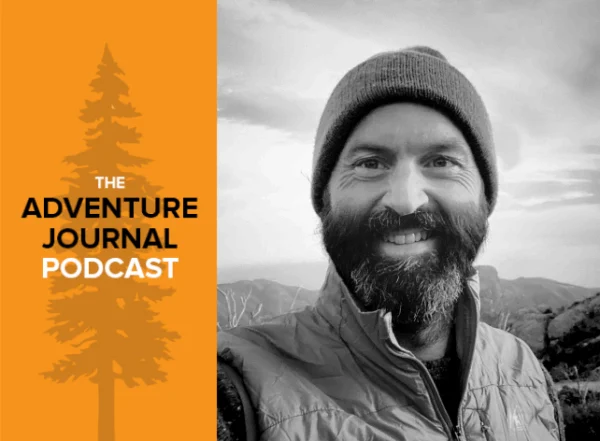
In a profound exploration of personal growth and the enduring allure of the wild, Jay Carson, the executive director of the Boulder Outdoor Survival School (BOSS), recently detailed his remarkable metamorphosis from an urbanite to a dedicated steward of the wilderness. His narrative, shared in a compelling conversation, underscores the transformative power of survival training, emphasizing the critical role of embracing discomfort, cultivating resilience, and fostering a deep, intrinsic connection with the natural world. Carson’s journey, illustrated through vivid personal anecdotes, reveals how the skills honed at BOSS transcend mere survival techniques, leading to a more profound understanding of life’s fundamental values and priorities. The discussion also illuminated the significant psychological benefits derived from confronting fears and the indispensable importance of community and mutual dependence when navigating the challenges of the wild.
The Genesis of a Wilderness Advocate
Carson’s transition is not merely a change in lifestyle but a fundamental reorientation of his perspective. His early life, rooted in the concrete jungles of urban environments, offered little preparation for the profound impact the wilderness would eventually have. This contrast between his former existence and his current role as a leader in outdoor survival education highlights a growing trend of individuals seeking authentic experiences and a reconnection with the natural world, often as a counterbalance to the complexities and stresses of modern, technology-driven lives. The Boulder Outdoor Survival School, established in 1972, has a long-standing reputation for providing comprehensive training in wilderness skills, survival techniques, and personal development. Its curriculum, known for its rigorous approach, aims to equip participants not only with practical skills but also with the mental fortitude to face challenging situations.
The narrative arc of Carson’s journey is a testament to the human capacity for change and adaptation. His willingness to step outside his comfort zone, to embrace the inherent discomfort of wilderness living, has evidently been a catalyst for profound personal growth. This concept of embracing discomfort is a cornerstone of many resilience-building programs, suggesting that avoiding challenging situations can, paradoxically, lead to greater vulnerability. By actively seeking out and navigating adversity in a controlled, educational environment, individuals can develop coping mechanisms and a stronger sense of self-efficacy.
Survival Skills as Life Lessons
Carson’s insights suggest that the skills taught at BOSS are far more than just the ability to build a shelter or find potable water. They are, in essence, life lessons distilled into practical applications. The act of survival necessitates a deep level of self-reliance, problem-solving, and resourcefulness. When stripped of the conveniences of modern life, individuals are forced to confront their limitations and discover their inner strengths. This process of self-discovery is often a primary motivator for those who seek out survival training.
The emphasis on reconnecting with nature, as highlighted by Carson, speaks to a burgeoning awareness of environmental stewardship and the psychological benefits of spending time outdoors. Numerous studies have documented the positive effects of nature exposure on mental health, including reduced stress, improved mood, and enhanced cognitive function. In an era where screen time often dominates, the deliberate immersion in natural environments offered by survival training can provide a much-needed antidote.
Facing Fears and Building Community
A significant aspect of Carson’s testimony revolves around the psychological benefits of confronting fears. Wilderness environments inherently present a range of potential anxieties, from the fear of the unknown to the primal fear of predators. Survival training provides a structured framework for systematically addressing these fears, not through avoidance, but through education, preparation, and gradual exposure. This process can lead to a significant boost in self-confidence and a reduction in generalized anxiety. The ability to remain calm and make rational decisions under pressure is a critical skill that extends far beyond the wilderness and into all facets of life.
Furthermore, Carson’s mention of community and interdependence is crucial. While survival training often emphasizes self-reliance, the reality of wilderness expeditions frequently involves working collaboratively with others. The shared experience of overcoming challenges, relying on each other’s skills, and offering mutual support can forge exceptionally strong bonds. This sense of camaraderie and shared purpose is a powerful antidote to the social isolation that many experience in contemporary society. The wilderness, in this context, becomes a crucible for building and strengthening human connections.
Supporting Data and the Growing Interest in Outdoor Education
The growing interest in outdoor education and survival skills is not merely anecdotal. Data from various sources indicate a significant surge in participation in outdoor recreation and wilderness-based programs. For instance, the U.S. National Park Service has reported consistent increases in visitation numbers over the past decade, with millions of Americans engaging in activities such as hiking, camping, and backpacking annually. This trend is often attributed to a desire for stress relief, a pursuit of physical fitness, and a yearning for authentic experiences away from digital distractions.
A 2023 report by the Outdoor Industry Association indicated that outdoor recreation contributes billions of dollars to the U.S. economy and supports millions of jobs. This economic impact underscores the significant societal value placed on outdoor pursuits. Furthermore, a survey conducted by the American Camp Association revealed a growing demand for experiential learning programs, including those that focus on outdoor skills and survival. Parents and educators are increasingly recognizing the educational and developmental benefits of these programs for children and young adults, fostering independence, problem-solving abilities, and environmental awareness.
The Boulder Outdoor Survival School, as a prominent institution in this field, likely sees a diverse clientele, ranging from novice enthusiasts to seasoned adventurers seeking to hone their skills. The school’s curriculum, which often spans from introductory weekend courses to extended expeditions, caters to a broad spectrum of needs and interests. This adaptability is key to its continued success and relevance in a dynamic outdoor education landscape.
Chronology of Transformation: A Hypothetical Timeline
While specific dates of Jay Carson’s personal journey are not provided in the original content, a hypothetical chronology can illustrate the typical progression of such a transformation:
- Early Life: Carson likely spent his formative years in an urban setting, experiencing the typical lifestyle associated with city living – education, career development, and social engagement primarily within built environments.
- Initial Exposure to the Wilderness: This could have been through a casual outdoor trip, a family vacation, or perhaps a chance encounter with someone deeply involved in outdoor pursuits. This initial exposure may have sparked curiosity or a nascent interest.
- Introduction to Survival Training: Carson might have enrolled in a basic survival course, perhaps at BOSS or a similar institution, initially as a recreational activity or to acquire new skills. This marked the beginning of his formal engagement with the wilderness.
- Deepening Engagement and Skill Development: As he progressed through more advanced courses and spent increasing amounts of time in the wild, his understanding and appreciation for survival skills would have deepened. This period would involve practical application, overcoming challenges, and learning from experienced instructors.
- Embracing the Wilderness Philosophy: Beyond the technical skills, Carson would have begun to internalize the core philosophies of wilderness living – resilience, self-reliance, environmental respect, and the importance of community. This is the point where the wilderness starts to influence his worldview and life choices.
- Transition to Leadership: His passion and expertise would have naturally led him to a position of leadership. This could have involved becoming an instructor, a guide, or eventually taking on an administrative role within an organization like BOSS. His personal transformation would then inform his professional mission.
- Executive Director Role: Assuming the role of Executive Director of BOSS signifies a culmination of his journey. He is now in a position to shape the experiences of others, sharing his transformative insights and fostering a new generation of wilderness stewards. This role requires not only practical knowledge but also a deep understanding of the psychological and philosophical underpinnings of outdoor education.
Broader Impact and Implications
Jay Carson’s narrative and the work of institutions like BOSS have broader implications for how society views nature and personal development. In an era marked by environmental challenges and increasing societal disconnection, the skills and philosophies promoted by outdoor survival education offer a potent pathway to a more resilient, self-aware, and environmentally conscious populace.
1. Mental Health and Well-being: The emphasis on facing fears and embracing discomfort directly addresses the growing mental health crisis. By providing practical tools and experiences that build confidence and coping mechanisms, wilderness training can be a powerful adjunct to traditional mental health support. The therapeutic benefits of nature are well-documented, and survival programs amplify these benefits through active engagement and skill-building.
2. Environmental Stewardship: Individuals who spend time in the wilderness and learn to depend on its resources often develop a profound respect for the natural environment. This firsthand experience fosters a deeper understanding of ecological interdependence and the consequences of human impact. Carson’s journey from city dweller to wilderness steward exemplifies this shift, suggesting that direct experience is a powerful catalyst for environmental advocacy.
3. Resilience in a Changing World: The skills learned in survival training – problem-solving, adaptability, resourcefulness, and emotional regulation – are highly transferable to everyday life. As the world faces increasing uncertainties, from climate change to economic instability, individuals equipped with these skills are better positioned to navigate challenges and contribute to community resilience.
4. Reconnecting with Fundamental Values: By stripping away the distractions of modern life, survival training forces individuals to confront what is truly essential. This can lead to a recalibration of priorities, a greater appreciation for simple necessities, and a deeper understanding of human connection. The emphasis on community and interdependence in the wilderness highlights the fundamental human need for social bonds and mutual support.
5. Educational Innovation: The success of organizations like BOSS demonstrates the value of experiential learning. As educational systems evolve, there is a growing recognition of the need for hands-on, immersive experiences that foster critical thinking, practical skills, and personal growth. Outdoor survival education represents a successful model for such innovative approaches.
Official Responses and Future Outlook
While direct statements from other parties are not available in the provided text, it is logical to infer that institutions and individuals involved in outdoor education and conservation would likely view Carson’s message with strong endorsement. Organizations such as The Wilderness Society, Leave No Trace Center for Outdoor Ethics, and various university outdoor programs often collaborate and share similar philosophies regarding the importance of wilderness experience and responsible outdoor ethics.
The continued growth in popularity of outdoor recreation and survival training suggests a sustained demand for the services offered by institutions like BOSS. As awareness of the benefits of wilderness immersion increases, so too will the potential for these programs to shape individuals and, by extension, contribute to broader societal well-being and environmental consciousness. Jay Carson’s personal journey serves as a compelling case study for the profound and lasting impact that embracing the wild can have, offering a beacon of inspiration for those seeking a more resilient, connected, and meaningful existence. The conversation highlights a critical need in modern society: to actively seek out experiences that challenge us, connect us to the natural world, and ultimately, help us understand ourselves and our place within it more profoundly.