








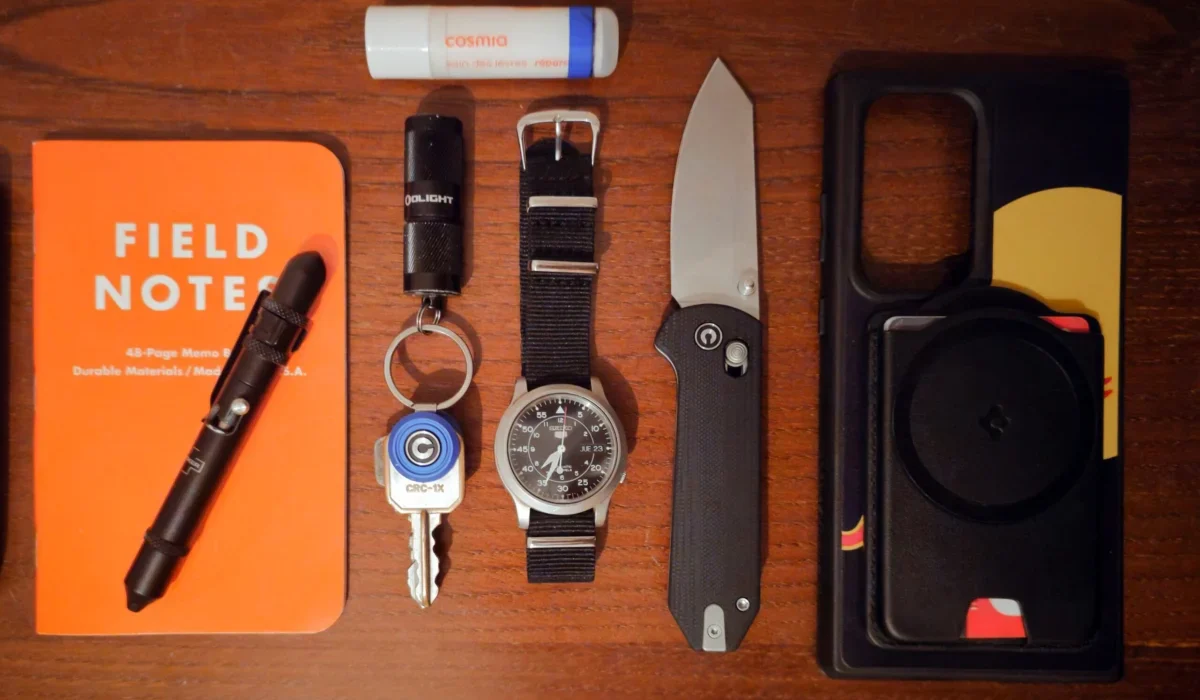
The evolution of professional equipment, commonly referred to as Everyday Carry (EDC), has shifted from a niche hobbyist pursuit to a deliberate methodology for enhancing operational efficiency in high-stakes environments. Ruben Caeiro, an aeronautical automation operator based in Portugal, exemplifies this transition. By curating a precise selection of tools—most notably the award-winning CIVIVI Yonder—Caeiro demonstrates how professionals in technical fields utilize compact, high-utility gear to streamline their workflows and mitigate the friction of daily logistical demands. This article explores the philosophy of intentional gear selection, the technical merits of the tools currently setting industry benchmarks, and the broader implications of minimalist loadouts for modern professionals.
The Anatomy of Professional Efficiency
For an aeronautical automation operator, the work environment is defined by precision, time sensitivity, and the necessity of rapid problem-solving. In such settings, the gear an individual carries serves as an extension of their technical capability. Caeiro’s approach reflects a philosophy centered on "minimalist high-value" utility. Rather than burdening oneself with an expansive array of specialized tools, the focus is placed on versatile, durable, and easily accessible items.
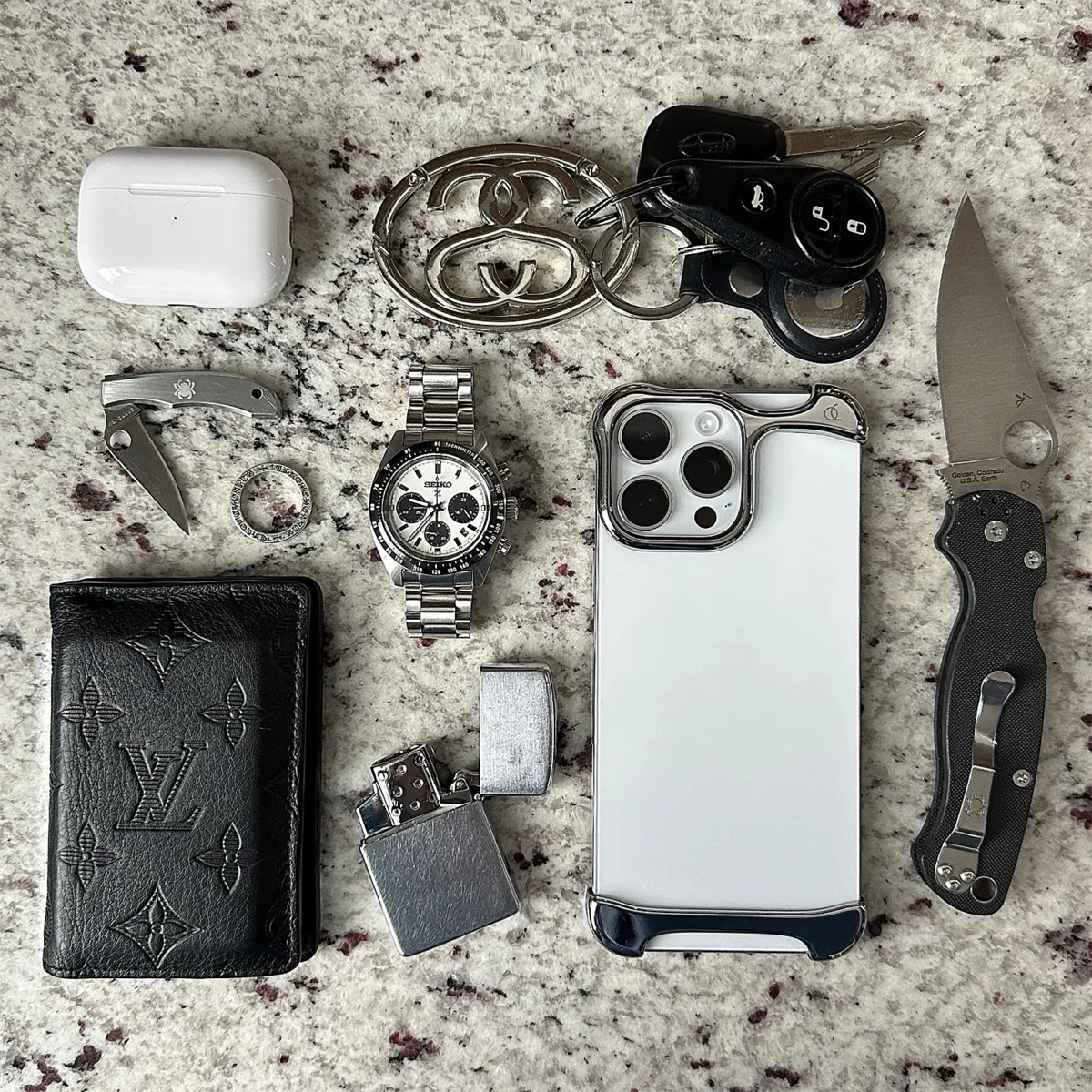
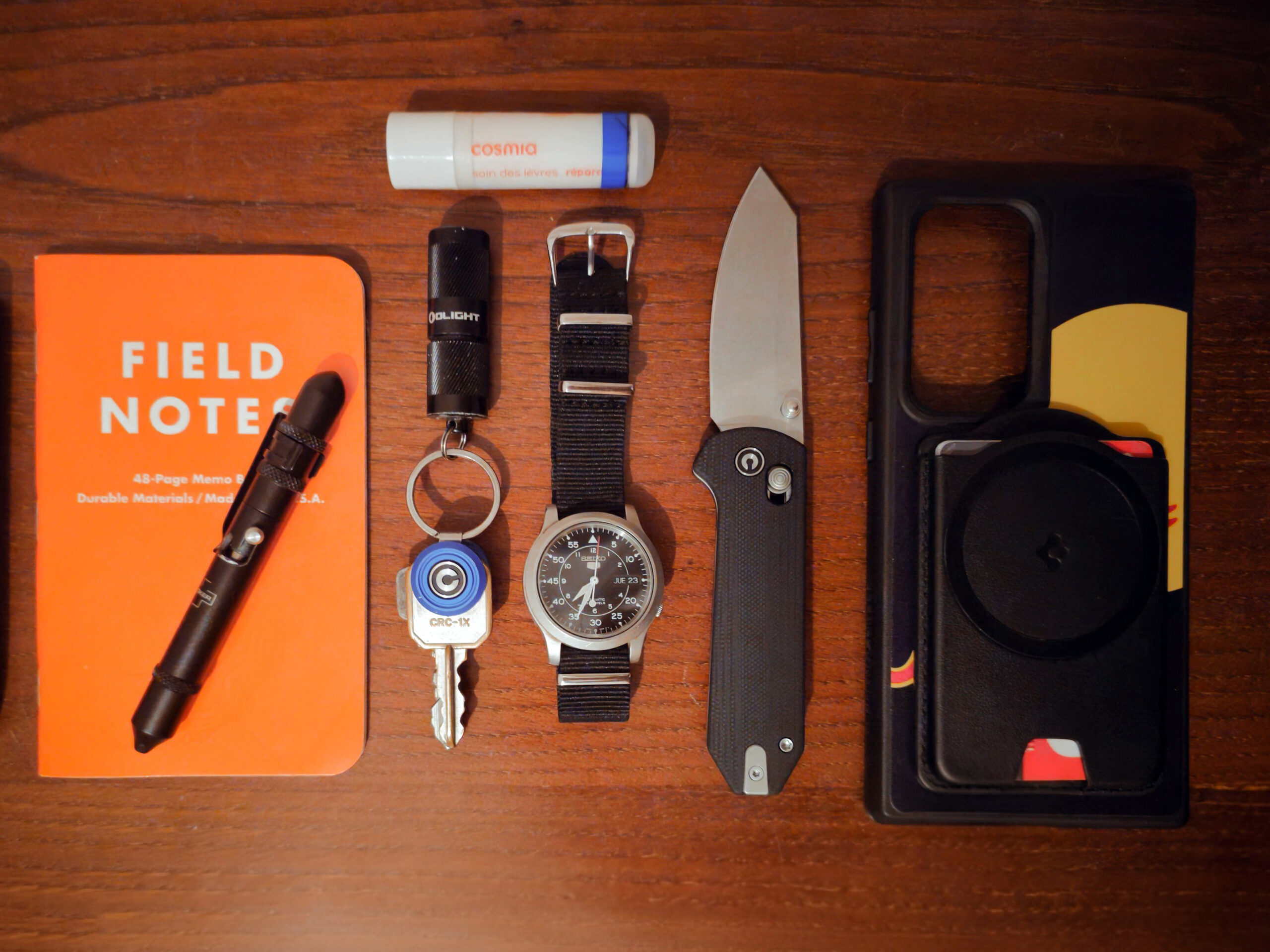
The core of this carry includes a consolidated magnetic wallet system, an ultra-compact key management solution, a mini bolt-action pen, and a high-lumen keychain flashlight. These items represent a shift away from the traditional, bulky multi-tool toward a modular system where each component serves a distinct, high-frequency purpose. By consolidating these items, Caeiro maximizes pocket space, allowing for the integration of analytical tools like Field Notes notebooks, which are increasingly favored by engineers for their reliability in documenting mechanical anomalies or procedural updates in real-time.
Spotlight: The CIVIVI Yonder and Modern Blade Engineering
The centerpiece of Caeiro’s recent acquisition is the CIVIVI Yonder, a pocket knife that has garnered significant industry attention. Designed by Zac Whitmore, the Yonder was recognized as the "Best Buy of the Year" at the 2024 Blade Show, an annual international event that serves as the barometer for the cutlery industry.
The significance of the Yonder lies in its integration of the crossbar lock mechanism, a feature previously reserved for higher-tier, premium-priced knives. By bringing this secure, ambidextrous locking system to a more accessible price point, the Yonder addresses a long-standing gap in the market. From an engineering standpoint, the knife’s construction—which prioritizes lightweight ergonomics without sacrificing structural integrity—aligns with the demands of an automation operator who requires a reliable cutting tool that can be deployed under pressure with minimal effort.
Chronology of Equipment Evolution
The adoption of EDC as a professional standard is not a recent phenomenon but rather the culmination of years of iterative development. In the early 2010s, the "tactical" trend dominated the EDC community, focusing on heavy-duty, military-grade materials and over-built construction. However, the period between 2020 and 2025 has seen a marked pivot toward "urban minimalist" gear.
- 2018–2020: The rise of the "pocket dump" culture on social media platforms, where professionals began sharing their curated daily kits. This period saw the normalization of carrying specialized tools like bolt-action pens and titanium pry bars in office and industrial environments.
- 2021–2023: The supply chain disruptions and the increased emphasis on remote or flexible work environments led to a surge in demand for modular, portable office gear. The "work-from-anywhere" model required tools that could easily transition from a clean-room environment to a field site.
- 2024–2025: The current era, represented by Caeiro’s selection, focuses on aesthetic cohesion and value optimization. The recognition of the CIVIVI Yonder at the 2024 Blade Show signaled a maturity in the market, where design excellence is now expected even at the entry-level price point.
Supporting Data and Market Trends
Industry reports from the retail sector indicate that the EDC market is currently experiencing a compound annual growth rate (CAGR) of approximately 5-7%. This growth is largely driven by a demographic of 25- to 45-year-old professionals who prioritize "quality over quantity."
Data from consumer behavior studies suggests that the "minimalist carry" trend is not merely an aesthetic preference but a response to the complexity of modern life. By reducing the number of physical items carried, individuals report lower cognitive load. In an aeronautical setting, where situational awareness is critical, the ability to reach for a tool without conscious searching is a distinct competitive advantage.
Furthermore, the secondary market for high-quality pocket knives and watches has become a robust economic indicator. The interest in products like the Casio Edifice—noted by Caeiro as a potential addition for "dressier" occasions—illustrates a trend toward "GADA" (Go Anywhere, Do Anything) watches. These timepieces, characterized by sapphire crystals and high water resistance, serve as a bridge between the rugged requirements of the job site and the professional expectations of corporate or social environments.
The Role of Analytical Documentation
The addition of a Field Notes notebook to Caeiro’s daily kit warrants specific attention. While digital devices like smartphones and tablets have become ubiquitous, the analog notebook remains a standard in aviation and engineering. The physical act of writing serves as a secondary form of memory retention and provides a reliable record that is not subject to battery failure, electromagnetic interference, or software glitches. In aeronautical automation, where records must often be maintained in environments where electronics may be restricted or unreliable, the notebook remains an essential, low-tech fail-safe.
Broader Impact and Industry Implications
The implications of this movement toward curated, professional-grade EDC extend beyond the individual. Companies are increasingly recognizing that providing or encouraging the use of high-quality, ergonomic personal tools can lead to improved employee satisfaction and higher operational output.
For the manufacturing and design sectors, the success of products like the Yonder sends a clear signal: there is a high demand for "democratized quality." Consumers are no longer willing to settle for poorly manufactured tools simply because they are cheap. They are demanding products that offer the same materials and locking mechanisms as luxury items but designed with the pragmatic needs of the everyday worker in mind.
Moreover, the cross-pollination of hobbies and professional duties—seen here as Caeiro transitions his gear from "on the job" to "off the clock"—suggests a lifestyle integration that is becoming increasingly common. The "dressier" duo of the Kizer Feist and the Casio Edifice reflects a desire for continuity; the user wants to maintain the same standards of performance and reliability regardless of the setting.
Conclusion
The equipment carried by professionals like Ruben Caeiro provides a unique lens through which to view modern industrial efficiency. It is a calculated, objective approach to resource management that prioritizes durability, ergonomics, and reliability. As the market for EDC continues to evolve, the focus will likely remain on refining these tools to be even more compact, more durable, and more integrated into the daily lives of those who build, maintain, and operate the systems that keep the world running.
By balancing the technical requirements of an aeronautical automation operator with the personal aesthetic of a minimalist, Caeiro provides a template for others to follow. Whether it is through the selection of a crossbar-locked knife or the choice of a high-visibility, sapphire-crystal watch, the message is clear: in a world of increasing complexity, the most effective tools are those that simplify, perform, and endure. As these trends continue to develop, the professional EDC sector will undoubtedly remain a key area of innovation for designers and a point of essential focus for high-performance professionals worldwide.