








The technology giant has officially added two new narratives to its ongoing promotional series, "True Apple Watch Story," reinforcing the brand’s pivot toward positioning its wearable technology as a critical medical and wellness tool rather than a mere consumer electronic. The latest videos, released via Apple’s official YouTube channel, document the experiences of two individuals—Josh and Morgan—whose lives were significantly impacted by the specific health-tracking and activity-monitoring capabilities of the Apple Watch. These stories serve as the latest installment in a strategic communication effort by Apple to humanize the data-driven capabilities of its hardware, moving beyond technical specifications to focus on the tangible, real-world outcomes that influence consumer purchasing decisions and brand loyalty.
A Chronology of the "True Apple Watch Story" Initiative
The evolution of Apple’s health-focused marketing began years ago with the integration of heart rate sensors, but it has recently accelerated into a more narrative-driven format. The "True Apple Watch Story" campaign emerged from a series of highly successful "Dear Apple" segments, which were originally featured during major product unveilings. In those initial presentations, users from across the globe would share short testimonials directly with Apple executives, such as Tim Cook, detailing how their devices had alerted them to underlying cardiac issues or assisted them in emergency situations.
By 2025, these segments had matured into a full-fledged multimedia marketing campaign. Apple’s strategy has involved consistent cross-platform dissemination, including regional-specific campaigns such as the 2026 initiative in China, which utilized podcasts and localized digital advertising to highlight health and rescue stories. This latest release continues the tradition, bringing the total number of documented cases in the series to a significant archive that serves as a cornerstone of the company’s health-centric brand identity.
Detailed Case Studies: Josh and Morgan
The first of the two new videos focuses on a user named Josh. Before his journey with the Apple Watch, Josh reported a body weight of approximately 340 pounds. His story is centered on the utility of the device’s "Activity Rings"—a gamified approach to tracking movement, exercise, and standing hours throughout the day. By leveraging the data visualization provided by the watch, Josh was able to set incremental, manageable goals that contributed to a long-term, sustainable improvement in his physical fitness. This narrative is intended to illustrate the device’s role in behavioral modification and the prevention of chronic illnesses associated with sedentary lifestyles.

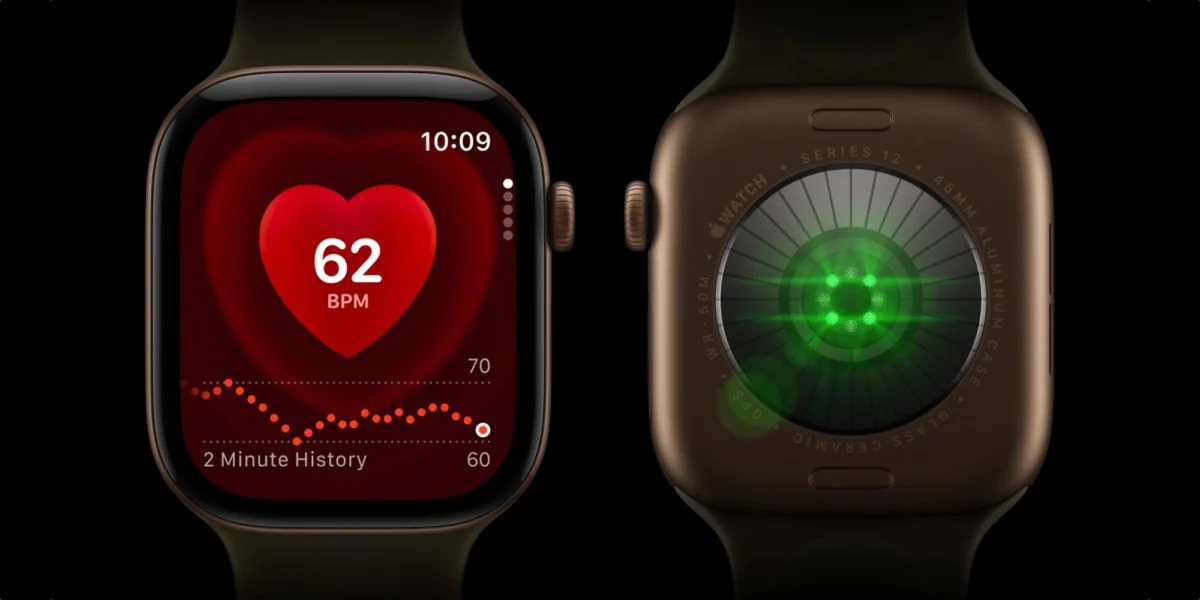
The second video highlights the story of Morgan, which underscores the medical-grade diagnostic potential of the Apple Watch’s sensor suite. Morgan’s experience involved a critical health event where the device’s high heart rate notification feature became the primary catalyst for seeking medical intervention. Upon receiving an alert from her watch, she sought professional medical care, which led to the diagnosis of a severe kidney infection that had progressed into septic shock. This story serves as a poignant example of how asymptomatic or early-stage physiological stress can be detected by wearable sensors before a user might otherwise seek help, potentially preventing fatal outcomes.
Supporting Data and the Rise of Wearable Health Tech
The focus on these individual stories is supported by broader industry trends. According to recent market analysis, the wearable health technology sector has seen an annual growth rate of over 15% in the last three years. This growth is largely driven by consumers seeking proactive monitoring solutions. The Apple Watch, in particular, has become a subject of numerous peer-reviewed clinical studies. Researchers have analyzed the efficacy of the device’s electrocardiogram (ECG) and heart rate variability (HRV) sensors in detecting atrial fibrillation (AFib) and other arrhythmias.
Data from the American Heart Association (AHA) suggests that early detection of cardiovascular irregularities can reduce the risk of stroke and other heart-related emergencies by up to 30%. While Apple has been careful to state that the Apple Watch is not a diagnostic tool in the clinical sense, the data gathered by the device is increasingly being used by primary care physicians and cardiologists as a starting point for formal diagnostic assessments. The company’s continued emphasis on these "True Story" segments acts as a bridge between high-level engineering and the clinical reality faced by millions of patients.
Corporate Strategy and Market Implications
Apple’s move to amplify these testimonials is not merely altruistic; it is a calculated effort to maintain its dominant market share in the wearable sector. As competitors like Samsung, Garmin, and Google (Fitbit) enhance their own health-tracking suites, Apple differentiates itself through the "ecosystem effect." By linking hardware, software, and real-life success stories, the company creates a powerful emotional value proposition.
This strategy also addresses the increasing demand for data transparency. By showcasing users who have successfully used their data to change their health trajectory, Apple validates the privacy-focused nature of its health app—the Health app on iPhone acts as a central repository for this data, which Apple keeps encrypted on-device. This is a critical component of their competitive strategy: convincing users that not only is the device helpful for their survival, but their medical data remains secure.

The Broader Impact on Public Health
The cumulative effect of these campaigns is a shift in public perception regarding the utility of smartwatches. Five years ago, wearables were widely viewed as fitness trackers for athletes. Today, they are increasingly viewed as essential health monitors for the general population, including the elderly and those with chronic medical conditions.
Medical experts have noted that the "Apple Watch effect"—a phenomenon where patients bring their watch data to doctor visits—has changed the landscape of preventative medicine. It fosters a more informed dialogue between patients and providers. However, some professionals caution against "data anxiety," where users may misinterpret sensor information. Apple appears to be addressing this by pairing its marketing with educational resources, encouraging users to consult with medical professionals, as seen in the concluding segments of their recent testimonial videos.
Conclusion and Future Outlook
As the "True Apple Watch Story" series continues to expand, it remains clear that Apple’s core messaging for the wearable category is deeply rooted in the concept of "empowerment through data." Whether it is aiding in weight loss or flagging life-threatening infections, the underlying message is consistent: the technology is designed to be a partner in the user’s health journey.
Looking ahead, industry analysts expect the next iteration of Apple’s wearable technology to integrate even more advanced sensing capabilities, potentially including non-invasive blood glucose monitoring or advanced blood pressure tracking. As these features move from the laboratory to the wrist, the role of these narrative-based campaigns will likely become even more prominent, serving as the primary vehicle for educating the public on how to interpret and act upon the complex health metrics provided by their devices.
For now, the stories of Josh and Morgan provide a compelling look at the current capabilities of the hardware, reminding the consumer base that while the technology is complex, its most important function remains simple: providing the information necessary to lead a healthier, more informed life. These testimonials act as a testament to the fact that, in the modern digital age, the most valuable accessory a person can own may be the one that provides the earliest warning when things go wrong.