The Resurgence of a Domestic Robotics Icon
The transition from a US-based independent corporation to a subsidiary of a Chinese manufacturing giant follows a turbulent period for iRobot. After a high-profile acquisition attempt by Amazon was blocked by regulatory hurdles in early 2024, iRobot faced a liquidity crisis that culminated in a voluntary bankruptcy filing toward the end of 2025. The restructuring process saw Shenzhen PICEA Robotics, the firm long responsible for the physical assembly of Roomba units, take the helm.
This change in ownership has facilitated a rapid overhaul of the product development cycle. By integrating design and manufacturing more closely, the "reborn" iRobot has managed to launch an expansive new fleet of robots that address the primary criticisms of previous generations: bulky dimensions and inferior suction power compared to modern rivals. The new models are characterized by a 25 percent reduction in overall size for many units, allowing them to navigate more effectively beneath low-profile furniture and between narrow chair legs where previous Roombas often struggled.
Technical Specifications and the New Flagship Standard
At the top of the new hierarchy sits the Roomba Max 775 Combo, a flagship device that represents a massive leap in technical capability for the brand. Most notably, the unit boasts a suction power of 30,000 Pascals (Pa). To put this in perspective, previous high-end Roomba models typically operated within the 5,000 to 10,000 Pa range, and many current market leaders hover around 12,000 Pa. This nearly threefold increase in suction is aimed at deep-cleaning carpets and extracting fine dust from floor crevices.

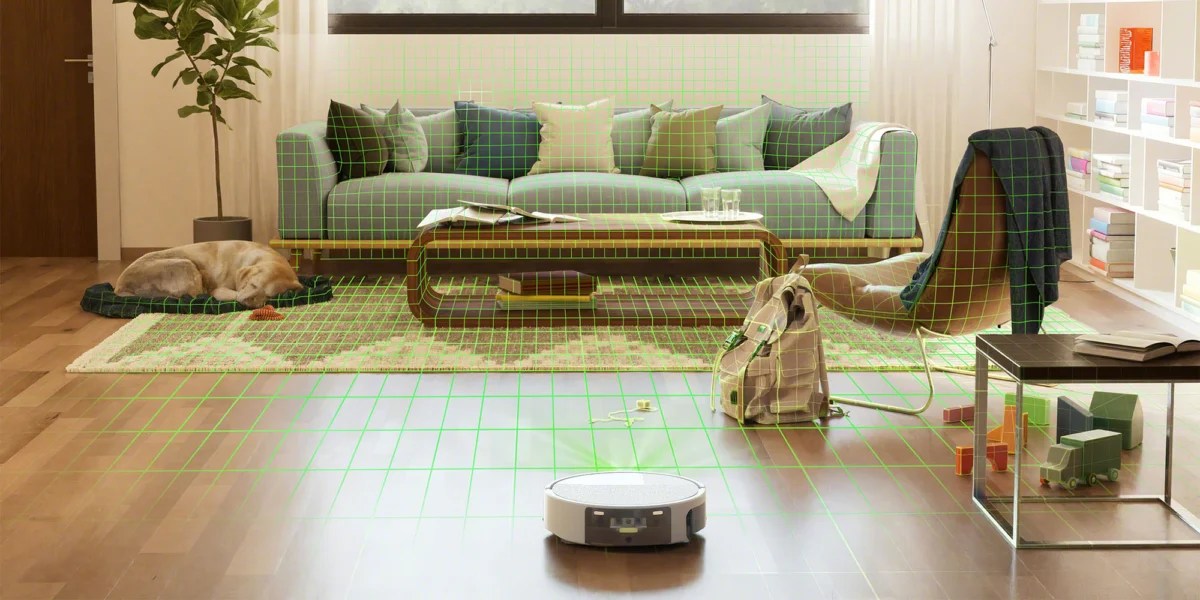
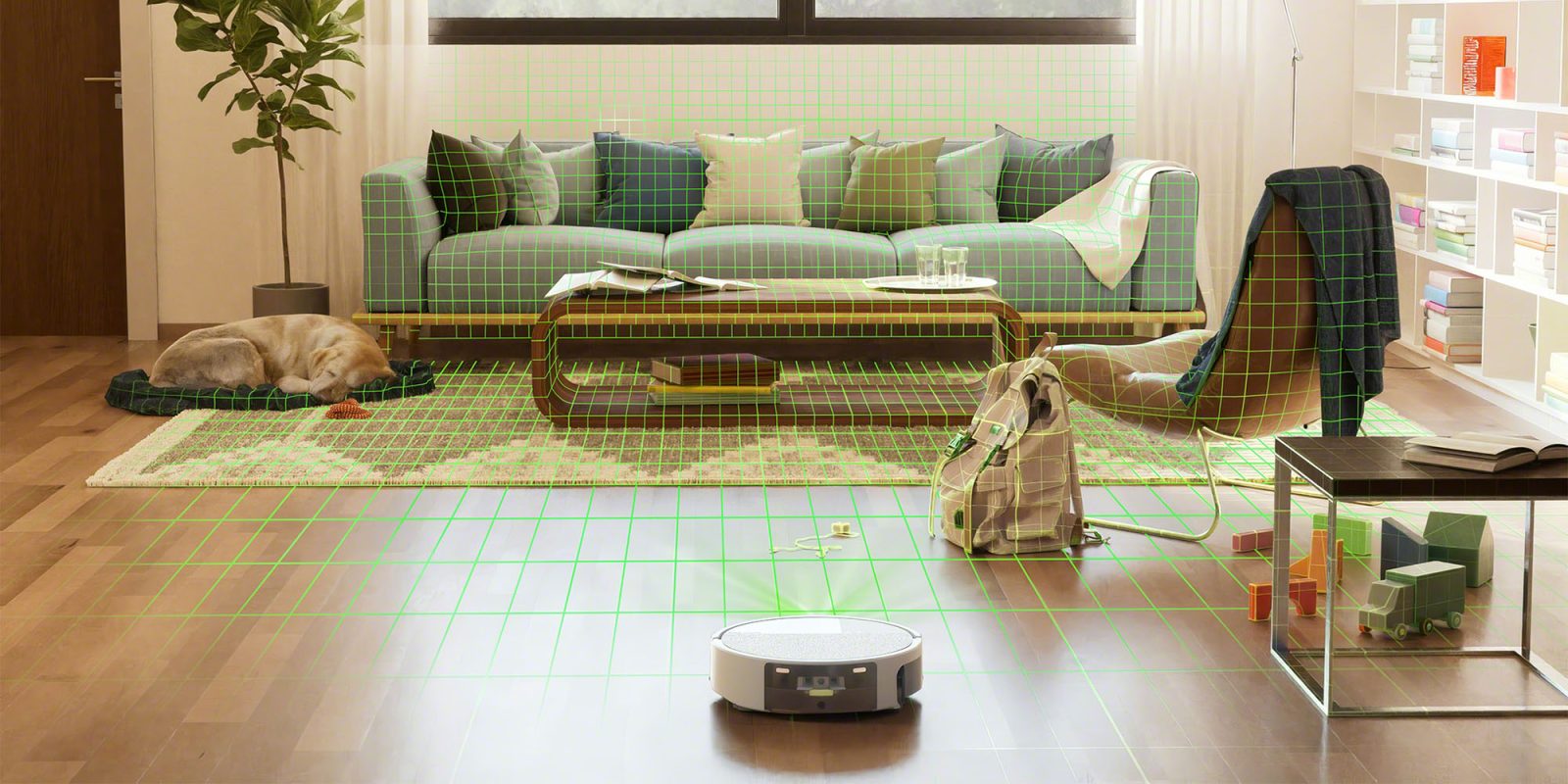
The Max 775 Combo also introduces "hot spot mopping" and a pressurized hot spray pretreatment system. Unlike traditional mopping robots that merely drag a damp cloth, this system targets stubborn stains with heated water application before the scrubbing mechanism engages. The navigation suite remains a hybrid of LiDAR (Light Detection and Ranging) and AI-powered camera systems, ensuring the robot can map homes in three dimensions while identifying and avoiding specific obstacles such as pet waste or charging cables.
The accompanying "all-in-one" dock for the flagship model has also been modernized. It features an automated system that empties the robot’s internal dustbin, refills its water tank, washes the mop pads with hot water to eliminate bacteria, and utilizes a hot air drying cycle to prevent the development of mold and odors.
Accessibility and the Entry-Level Roomba 115
While the flagship targets the premium market, the Roomba 115 Combo serves as the new entry-point for the brand. Priced at approximately £229 (roughly $309 USD), the 115 Combo offers a significant upgrade over previous budget models. It provides 15,000 Pa of suction power—doubling the performance of its predecessors in the same price bracket—and includes basic mopping capabilities.
To maintain a competitive edge, iRobot is offering an optional auto-empty dock for the 115 series for an additional £70 ($95). This modular approach allows consumers to enter the ecosystem at a lower price point while retaining the ability to upgrade to a more autonomous cleaning experience later. The inclusion of both vacuuming and mopping in the base model reflects the industry-wide shift toward "combo" units as the standard consumer expectation.
A Chronology of iRobot’s Evolution
The journey from a Massachusetts Institute of Technology (MIT) spin-off to a Shenzhen-owned brand reflects the broader shifts in the global technology landscape:
- 1990: iRobot is founded by Rodney Brooks, Anita Flynn, and Colin Angle, initially focusing on space exploration and military robots.
- 2002: The first Roomba is launched, creating the consumer floor-care robotics category.
- 2015: iRobot sells its military division to focus exclusively on the "Smart Home" market.
- 2022: Amazon announces its intention to acquire iRobot for $1.7 billion.
- 2024: The Amazon deal is terminated due to opposition from the European Commission and the US Federal Trade Commission over competition concerns.
- Late 2025: iRobot files for voluntary bankruptcy to restructure its debt and operations.
- 2026: Shenzhen PICEA Robotics completes the acquisition, and the company announces its first post-bankruptcy product lineup.
Market Analysis: Navigating a Crowded Field
The primary challenge for the new iRobot will be differentiating itself in a market that has become increasingly commoditized. For years, iRobot relied on its extensive patent portfolio and brand recognition. However, competitors like Roborock and Dreame successfully bypassed many of these advantages by iterating faster on hardware features, such as laser-based navigation and high-pressure mopping, which iRobot was slower to adopt.
Industry analysts suggest that the new ownership by Shenzhen PICEA Robotics could be the company’s greatest asset. By moving the core of its operations closer to the supply chain, iRobot can reduce manufacturing costs and accelerate the time-to-market for new features. The decision to lead with a 30,000 Pa suction specification is seen as a "shock and awe" tactic to reclaim the narrative of being the performance leader in the industry.
Furthermore, the 25 percent reduction in size across the lineup addresses a significant pain point for urban dwellers. As living spaces become more compact, the demand for smaller, more agile robots has grown. A robot that can clean under a modern sofa or navigate a cluttered apartment floor more reliably than a full-sized unit provides a tangible benefit that goes beyond raw specs.

Official Positioning and Global Pricing Strategy
While US-specific pricing for all eight models has yet to be finalized, the UK pricing provides a clear roadmap for the brand’s global strategy. The flagship 775 is positioned at £799 ($1,080), which is notably lower than the previous flagship’s launch price of £999. This suggests that the new iRobot intends to compete not just on technology, but on value.
In a statement following the announcement, representatives for the new management emphasized a commitment to the "legacy of innovation" while acknowledging the need for operational efficiency. "The goal is to marry the iconic user experience of the iRobot OS with the world-class manufacturing capabilities of our new parent company," the statement noted. "We are focusing on making the Roomba more powerful, more compact, and more accessible to a wider range of households."
Broader Implications for the Smart Home Industry
The re-emergence of iRobot has significant implications for the smart home ecosystem. As one of the few brands with deep integration into platforms like Amazon Alexa, Google Home, and Apple HomeKit (via Matter support), a revitalized iRobot ensures that consumers have a high-performance option that remains compatible with their existing setups.
However, the shift of ownership to a Chinese firm may raise questions regarding data privacy, a topic that has historically been a point of contention for robot vacuum manufacturers that use cameras to map homes. iRobot has traditionally maintained a strong stance on data security, and the new management will likely need to provide transparent assurances that these standards will be maintained under the new ownership structure to retain the trust of its Western user base.

Future Outlook
The launch of these eight models is only the first step in what is expected to be a multi-year recovery plan. By diversifying the lineup and pushing the boundaries of suction and mopping technology, iRobot is attempting to transition from a legacy brand to a modern tech innovator once again. The success of the Max 775 and the 115 Combo will serve as a bellwether for whether the brand can truly regain its footing or if the market has moved too far ahead during the company’s period of financial distress.
For now, the message from the new iRobot is clear: the company is no longer just a pioneer of the past, but a revitalized competitor ready to fight for its place at the center of the modern automated home. With smaller footprints, massive suction increases, and more competitive pricing, the Roomba is effectively being "rebooted" for a new generation of consumers.