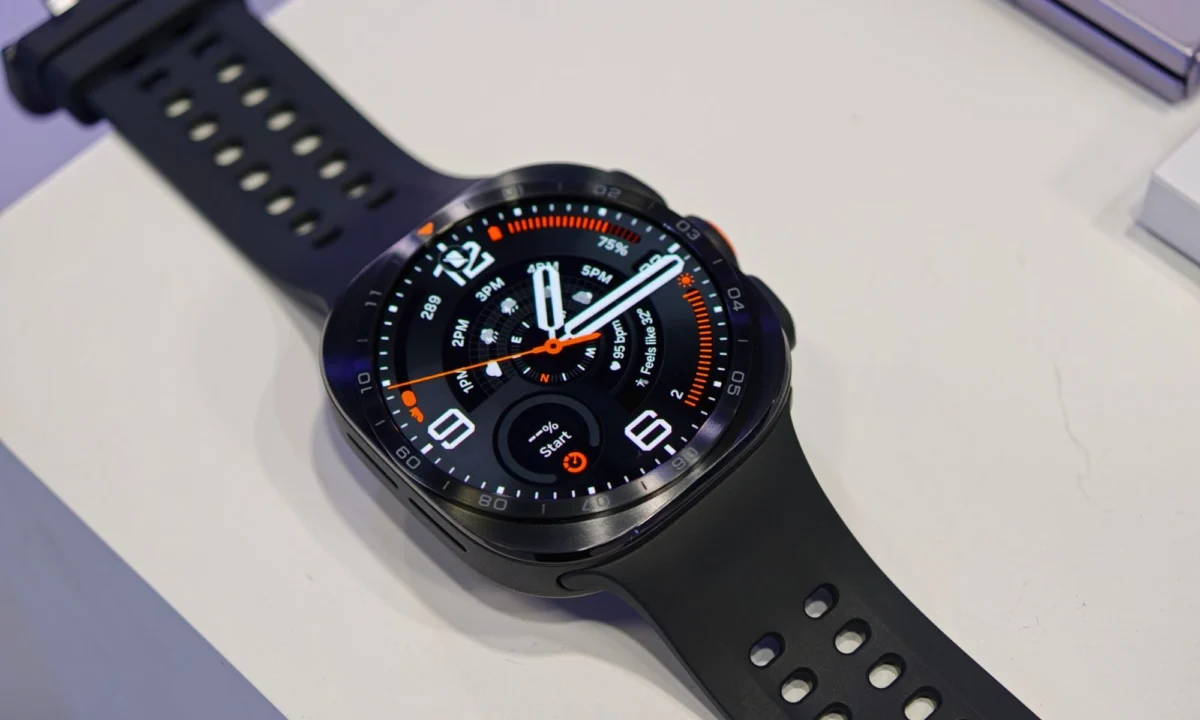
Samsung’s recent Unpacked event in London served as the global stage for the debut of the Galaxy Watch Ultra 2, the tech giant’s most ambitious wearable to date. Positioned as a direct competitor to high-end rugged smartwatches, the device boasts a significant array of hardware upgrades, including a massive 800mAh battery, a peak brightness that rivals the industry’s best, and the integration of the cutting-edge Snapdragon Wear Elite chipset. However, as consumers begin to evaluate the $699.99 investment, a new report suggests that one of the device’s most heavily marketed capabilities—professional-grade diving—may be locked behind a multi-tiered subscription model.
The partnership between Samsung and Mares, a legendary name in the scuba diving equipment industry, was intended to transform the Galaxy Watch Ultra 2 into a legitimate dive computer. While the hardware is certainly capable, featuring 10 ATM water resistance and IP69K certification, the software required to utilize these physical attributes safely and effectively under the waves will reportedly require an ongoing financial commitment.
The Hardware Foundation: Built for the Deep
To understand the controversy surrounding the rumored subscription, one must first look at the hardware Samsung has engineered. The Galaxy Watch Ultra 2 is designed to withstand environments that would destroy a standard smartwatch. Its 10 ATM rating theoretically allows the device to survive pressures equivalent to 100 meters of depth, although in practice, for scuba diving, this typically translates to a safe operating limit of 30 to 40 meters—the standard range for recreational diving.
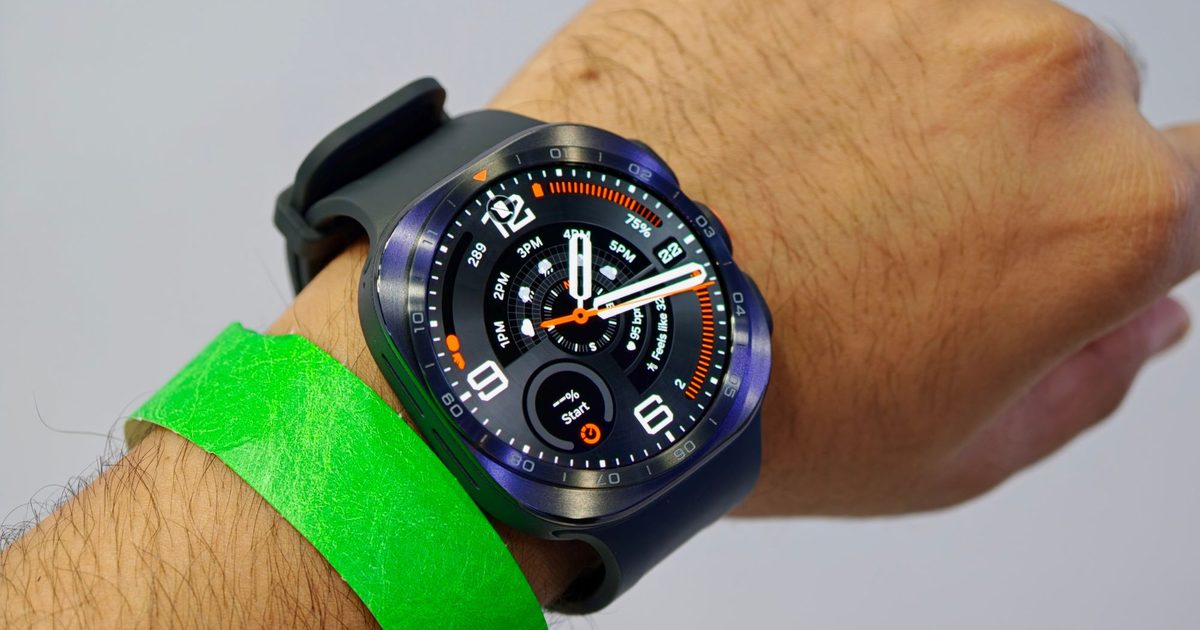
The inclusion of the IP69K certification is particularly noteworthy. While many devices are IP68 rated, the "9K" suffix indicates protection against high-pressure, high-temperature water jets. For a diver, this means the watch is better equipped to handle the stresses of water entry, rapid movement through the water column, and the post-dive cleaning process where salt and debris must be rinsed away.
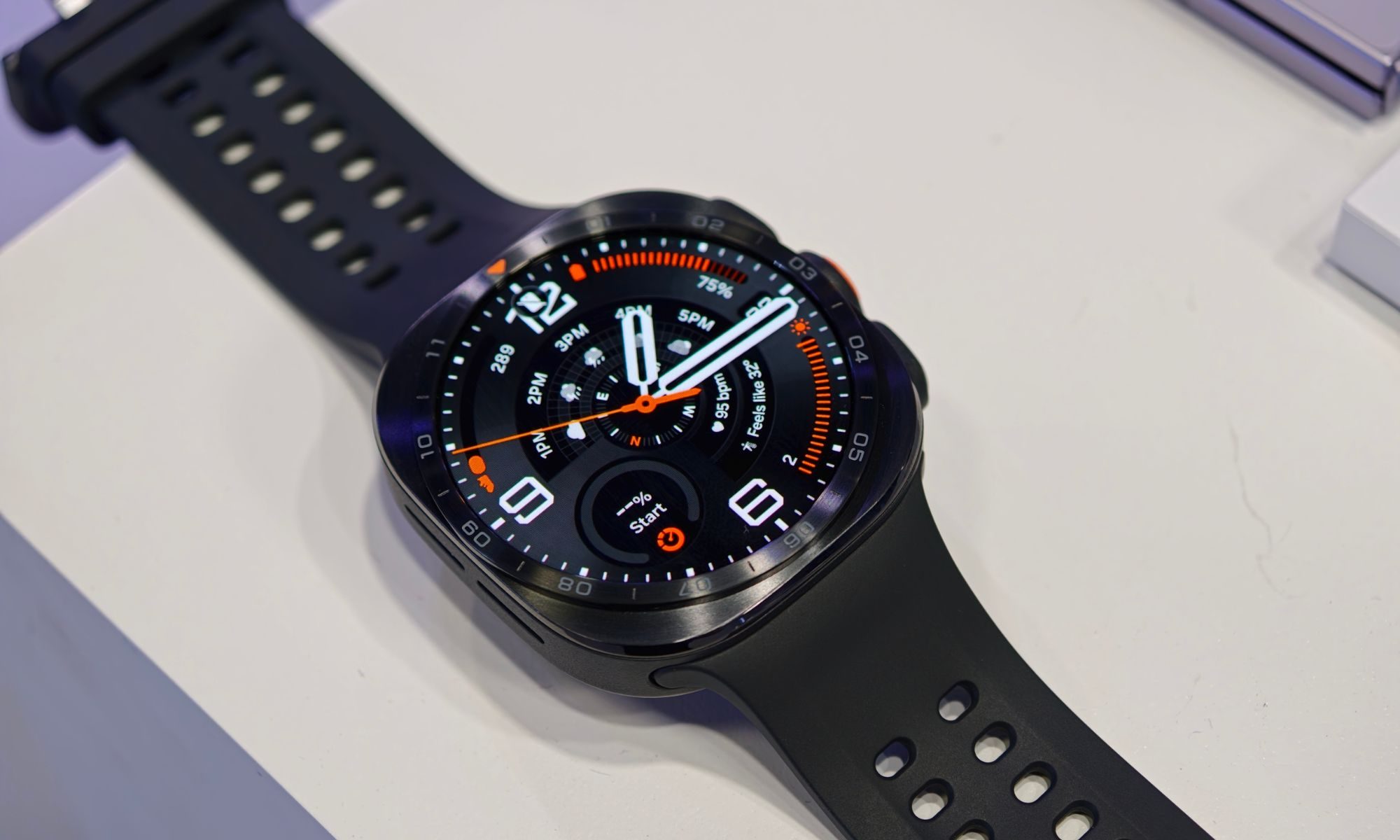
Powering the experience is the Snapdragon Wear Elite chip, Qualcomm’s latest architecture built on a 3nm process. This chip is designed not just for speed, but for the extreme power efficiency required to maintain a bright, always-on display during a dive without draining the 800mAh battery. The display itself reaches up to 3,000 nits, a critical feature for visibility in the murky or high-contrast environments found underwater.
The Mares Diving App: A Three-Tiered Revenue Strategy
According to a detailed report from Android Authority, the exclusive Mares Diving app will not be a monolithic service. Instead, it is expected to launch with three distinct subscription tiers, each catering to a different level of aquatic activity.
The Basic Tier (Free)
The free version of the app is reportedly designed for casual swimmers and shallow-water enthusiasts. It provides essential telemetry such as current depth, total dive time, and an ascent rate alarm. While these features are functional, they lack the computational power required for safe decompression management. For a serious diver, the free tier acts more as a digital depth gauge than a safety tool.
The Intermediate Tier (Estimated $2.99 per month)
The second tier is rumored to be priced at approximately $2.99 per month. This level introduces features that bridge the gap between swimming and snorkeling. Users at this level would gain access to GPS route tracking—allowing them to map their entry and exit points—as well as compass integration and heart rate monitoring. While useful for surface-level exploration or skin diving, this tier still lacks the critical algorithms necessary for scuba diving.
The Premium Tier (Estimated $7.99 per month / $59.99 per year)
The top-tier subscription is where the Galaxy Watch Ultra 2 truly becomes a dive computer. This level reportedly unlocks Nitrox support, allowing divers to adjust for enriched air mixtures to extend their bottom time. More importantly, it includes decompression algorithms—likely based on the industry-standard Bühlmann ZHL-16C model—which calculate the amount of nitrogen absorbed by the body. This tier also provides safety stop alerts, no-decompression limits (NDL), and tissue loading graphs. These are the tools that divers rely on to prevent decompression sickness, commonly known as "the bends."
Comparative Market Analysis: Samsung vs. Apple and Garmin
The move toward a subscription model for specialized hardware features is not unprecedented, but it remains a point of contention among enthusiasts. Samsung’s primary rival, Apple, paved the way for this strategy with the Apple Watch Ultra and its partnership with Huish Outdoors for the Oceanic+ app.
On the Apple ecosystem, the Oceanic+ app currently charges $9.99 per month or $79.99 per year for full dive computer functionality. If the rumored pricing for the Samsung/Mares partnership holds true at $7.99 per month or $59.99 per year, Samsung would be positioning itself as the more affordable alternative in the "smartwatch-as-a-dive-computer" category.

However, both Apple and Samsung face stiff competition from Garmin. Garmin’s Descent series of dive watches, such as the G1 and the Mk3, include full dive computer functionality as a native feature with no recurring fees. While Garmin’s hardware often carries a higher upfront cost—sometimes exceeding $1,000—the lack of a subscription makes it a more attractive long-term investment for frequent divers. Samsung’s strategy appears to target the "prosumer" who dives occasionally and might prefer the lower upfront cost of a $700 watch, even if it means paying for the software only when they have a trip planned.
The Technical Necessity of the Subscription
From a corporate perspective, the decision to charge for dive software is often defended by the high costs of liability and continuous algorithmic updates. Dive computers are life-support devices. The software must be rigorously tested and updated to reflect the latest safety standards in hyperbaric medicine.
Mares, having been in the industry since 1949, brings a wealth of data and trust to the table. By utilizing a subscription model, Mares and Samsung can ensure the app remains compatible with new firmware updates and that the decompression models are constantly refined. Furthermore, the specialized nature of diving means that only a small percentage of Galaxy Watch Ultra 2 owners will ever use these features. By separating the cost, Samsung can keep the base price of the watch lower for the general public while charging the niche user base for the high-risk, high-development-cost software they require.
Chronology of the Ultra Wearable Trend
The emergence of the Galaxy Watch Ultra 2 and its associated subscription model is the latest step in a multi-year shift in the wearable market:

- 2021-2022: The "Ruggedization" Phase. Brands began moving away from delicate glass and aluminum toward titanium and sapphire crystal.
- Late 2022: Apple launches the Ultra, introducing the concept of a "lifestyle" watch that doubles as a technical tool via third-party subscriptions.
- 2023: Samsung responds with the "Pro" moniker but lacks the specialized software partnerships to compete in the technical sports arena.
- 2024 (London Unpacked): Samsung officially enters the "Ultra" tier, matching Apple’s hardware and adopting the subscription-based software model through the Mares partnership.
Consumer Implications and Industry Impact
The "subscription-ification" of hardware is a growing trend across the tech industry. From heated seats in cars to advanced health metrics in fitness trackers like Oura and Fitbit, the concept of paying for a physical product and then paying again to use its internal components is becoming a standard business model.
For the diving community, the reaction is mixed. Professional divers often prefer dedicated, standalone dive computers that are not prone to the distractions or battery limitations of a smartwatch. However, for the recreational diver who travels once or twice a year, having a single device that handles daily notifications, sleep tracking, and a week of diving in the Caribbean is a compelling value proposition—even with an $8 monthly fee.
The broader implication for the smartwatch market is the potential for other specialized activities to follow suit. If the diving subscription is successful, it is not difficult to imagine Samsung or other manufacturers introducing "Premium Hiking" tiers with high-resolution topographic maps or "Professional Golf" tiers with advanced swing analysis and green slope data.
Final Analysis: A Calculated Risk
Samsung’s decision to gate the Galaxy Watch Ultra 2’s best diving features behind a Mares subscription is a calculated risk. It allows the company to market a "rugged, go-anywhere" device to the masses while outsourcing the technical and legal complexities of diving to a specialized partner.

As the watch moves from pre-order to general availability, the success of this model will depend on the transparency of the pricing. If consumers feel that the "10 ATM" and "Diving App" marketing misled them into thinking they were buying a complete dive computer out of the box, Samsung may face a backlash. However, if the Mares app delivers a premium, seamless experience that rivals dedicated equipment, the Galaxy Watch Ultra 2 could become the new gold standard for Android-using adventurers.
For now, potential buyers should look closely at the fine print. The Galaxy Watch Ultra 2 is undoubtedly a masterpiece of wearable engineering, but its most specialized capabilities will require a persistent connection to your wallet long after the initial purchase.