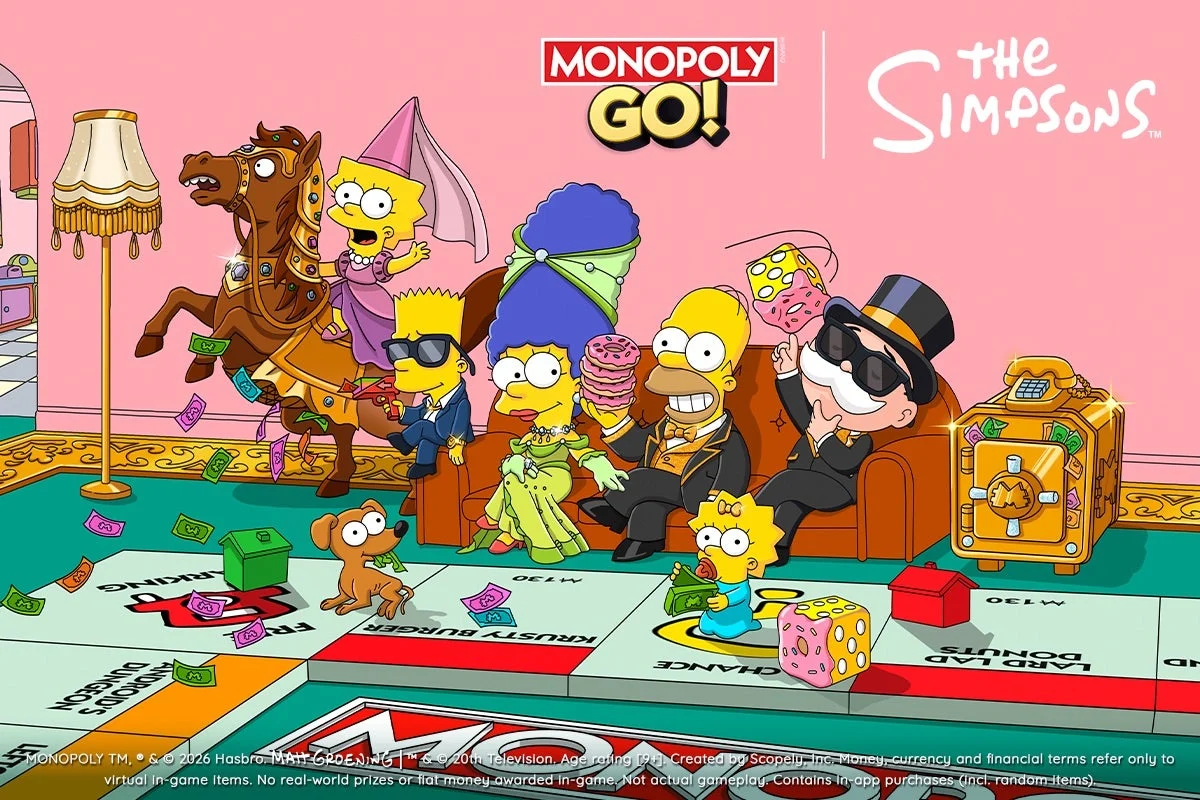
The mobile gaming landscape has witnessed several massive crossovers over the years, but few have generated the sheer volume of anticipation and preliminary leaks as the latest collaboration between Scopely’s blockbuster hit Monopoly Go and television’s longest-running animated series, The Simpsons. Following months of speculation and data-mined rumors that circulated widely across online communities, developer Scopely has officially confirmed the rollout of a sweeping, multi-month event that brings the fictional town of Springfield straight to the digital boards of millions of players worldwide. This landmark partnership represents more than just a standard seasonal update; it marks a significant milestone for intellectual property integration in mobile gaming, serving as The Simpsons’ first appearance in a mobile-exclusive game in over a decade.
Running from June 3 through July 29, the extensive crossover event transforms the core Monopoly Go experience. Players are invited to explore a heavily redesigned digital ecosystem where classic properties, Chance cards, and board mechanics have been reimagined through the distinct lens of Matt Groening’s iconic animated universe. Rather than operating as a fleeting weekend tournament, the Springfield event introduces deeply integrated narratives, customized seasonal maps, unique sticker collections, and high-definition animated sequences designed to immerse players fully in the daily lives of Homer, Marge, Bart, Lisa, and the notoriously affluent Montgomery Burns.
Main Facts of the Crossover Event
The core mechanics of the Monopoly Go and The Simpsons event are designed to blend the addictive, roll-based gameplay of Scopely’s flagship title with the satirical, suburban charm of Springfield. Throughout the nearly two-month duration, participants will encounter prominent landmarks from the show, effectively replacing traditional board tiles with iconic locations such as Moe’s Tavern, the Kwik-E-Mart, the Springfield Nuclear Power Plant, and the Simpson family residence at 742 Evergreen Terrace.
In addition to visual overhauls, the event introduces custom gameplay interactions. Notably, players landing in jail will no longer face standard escape requirements; instead, the system incorporates localized flavor by allowing players to interact with and bribe Chief Wiggum to secure their freedom. Furthermore, the collaboration features specialized sticker albums containing rare character cards, custom emojis, and themed token pieces that players can collect to customize their gaming profiles. The integration goes far beyond surface-level aesthetics, as Scopely’s development teams worked closely with the show’s original creative forces to ensure that the tone, humor, and visual fidelity remained authentic to the television series.
Chronology and Development Background
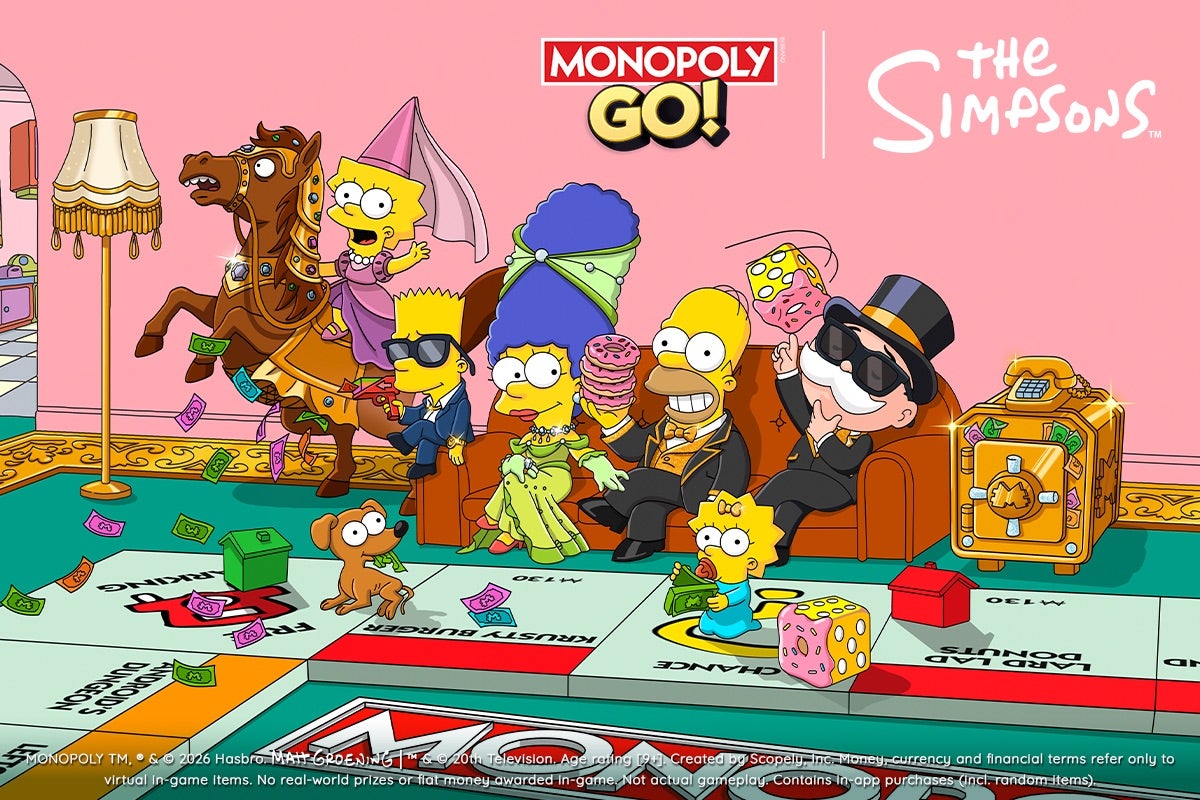
The genesis of this collaboration dates back well before its official announcement. Industry analysts note that negotiations and technical preparations for intellectual property crossovers of this scale typically require twelve to eighteen months of close coordination between game developers and entertainment conglomerates—in this case, The Walt Disney Company and Fox Corporation, which oversee the rights to The Simpsons.
Rumors of a potential Springfield integration began swirling in early spring, when dedicated dataminers uncovered hidden assets within the game’s backend files. These leaks hinted at upcoming character tokens, custom dice designs, and themed board layouts, setting off a wave of discussions across Reddit, Discord, and specialized gaming forums. Despite the extensive premature disclosures, the official announcement delivered tangible surprises, most notably the release of an exclusive, newly produced animated short film. Created specifically for the collaboration by the show’s actual writing and animation staff, the short features a humorous corporate rivalry between Mr. Monopoly and industrialist billionaire Mr. Burns, establishing the narrative foundation for why the two wealthy tycoons have crossed paths.
Supporting Data and Market Context
To fully understand the gravity of this event, one must examine the unprecedented economic and cultural footprint of Monopoly Go since its launch in April 2023. Developed by Scopely—which was acquired by Savvy Games Group for $4.9 billion earlier that same year—Monopoly Go quickly ascended to become one of the most lucrative mobile games in history. Within its first year, the title surpassed billions of dollars in lifetime revenue, consistently topping both the iOS App Store and Google Play Store download charts. By blending a universally recognized board game license with modern free-to-play mechanics, Scopely cultivated a massive, highly engaged daily active user base.
Conversely, The Simpsons represents one of the most enduring cultural touchstones in television history. Having debuted as a standalone series in 1989, the show has produced over 750 episodes across more than three decades. However, its presence in the dedicated mobile gaming market has been relatively sparse in recent years. Aside from Electronic Arts’ long-running town-building simulator The Simpsons: Tapped Out—which launched in 2012—the franchise has largely avoided mobile-exclusive gaming tie-ins. Consequently, this partnership with Monopoly Go marks The Simpsons’ return to the mobile gaming arena after a 13-year hiatus from major new mobile initiatives, providing a massive demographic overlap between casual mobile gamers and nostalgic television viewers.
Official Responses and Creative Collaboration
While corporate partnerships of this magnitude are often driven primarily by revenue generation, both Scopely and the creative teams behind The Simpsons emphasized the artistic synergy required to bring the project to fruition. In promotional materials released alongside the update, representatives from Scopely highlighted the technical hurdles of merging two entirely different visual styles—the clean, corporate minimalism of the Monopoly mascot universe with the vibrant, hand-drawn aesthetic of Springfield.
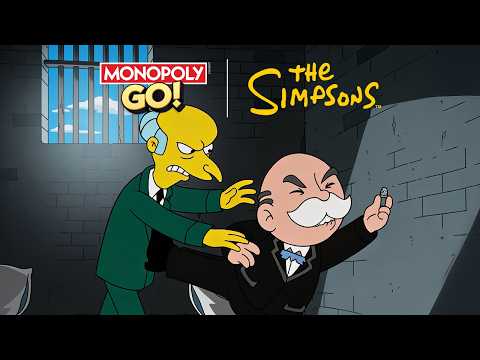
The involvement of the show’s executive producers and writers ensured that the dialogue, character animations, and environmental Easter eggs retained the trademark satirical wit that fans have cherished for decades. Chance and Community Chest cards have been rewritten to feature classic Springfield scenarios, while sound effects and musical cues draw directly from the iconic score composed by Danny Elfman. Although direct public commentary from individual cast members was limited due to the nature of corporate rollouts, statements from production leads indicated an overwhelming enthusiasm for introducing the residents of Springfield to a modern, digitally native audience that may consume media differently than traditional television viewers.
Broader Impact and Industry Implications
The launch of The Simpsons event within Monopoly Go carries significant implications for the broader mobile gaming industry. As player acquisition costs rise and competition within the casual gaming sector intensifies, major publishers are increasingly relying on high-profile, cross-media intellectual property collaborations to sustain user engagement and re-engage churned players.
Historically, such crossovers were common in mid-core genres like battle royales (such as Fortnite or PUBG Mobile) and character collectors. However, the successful integration of a deeply narrative-driven, globally recognized comedy franchise into a casual board game format demonstrates the evolving flexibility of live-service monetization models. By offering time-limited structural changes to the core gameplay loops—such as altering seasonal maps and introducing narrative-driven sticker albums—Scopely has established a blueprint for how legacy brands can be seamlessly woven into evergreen mobile titles without alienating the core player base.
As the event unfolds through July 29, industry observers will closely monitor retention metrics, monetization spikes, and overall player sentiment to gauge the long-term viability of similar massive IP crossovers in the casual genre. For the millions of daily players currently rolling dice on their virtual boards, however, the immediate focus remains squarely on navigating the streets of Springfield, avoiding the watchful eye of Chief Wiggum, and experiencing a historic collision of two pop culture giants.