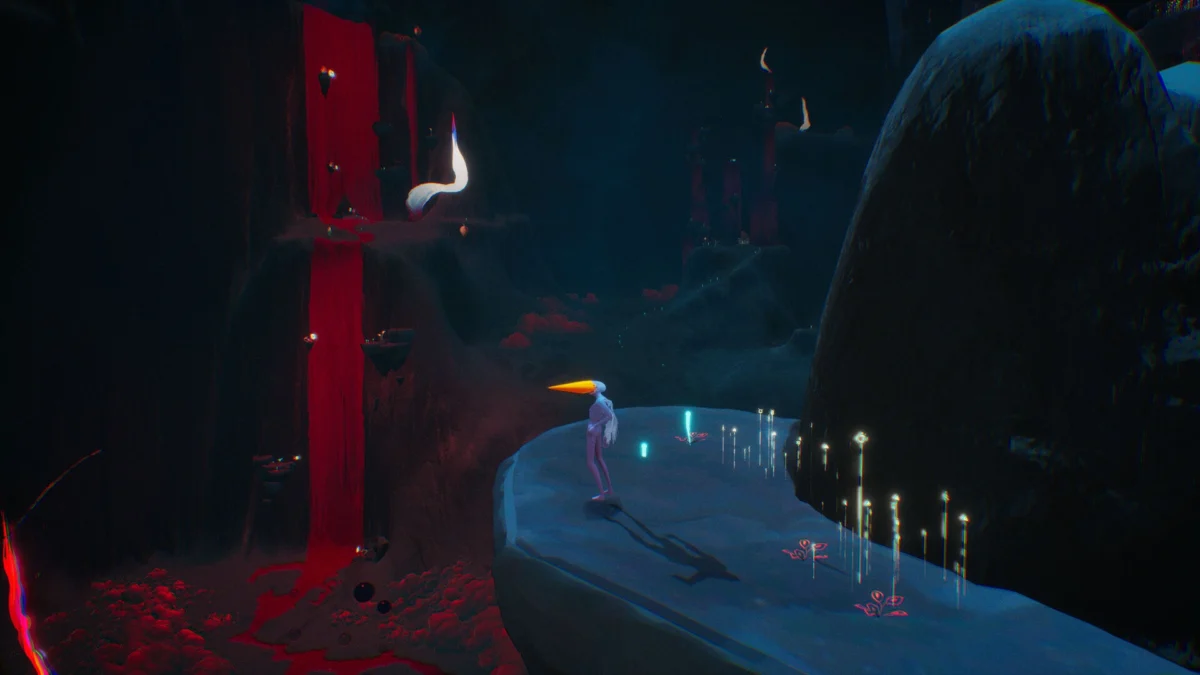
The announcement of Abelina, an upcoming surrealist platformer developed by animator and director Gabe Askew, has sparked significant interest within the independent gaming community. Set for a scheduled release in 2027, the title distinguishes itself through a unique aesthetic sensibility that draws comparisons to Eastern European stop-motion animation and avant-garde cinematic storytelling. As the industry continues to pivot toward titles that prioritize atmosphere and narrative depth over traditional arcade mechanics, Abelina represents a notable case study in the intersection of high-fidelity CG production and indie game development.
The narrative premise of Abelina centers on a protagonist named Vasily, a man who has passed away and currently resides in a realm known as Abelina. This domain is described as an expansive, nature-filled afterlife where the deceased engage in mundane yet existential tasks, such as gardening and crafting masks. The central tension of the game lies in the protagonist’s psychological struggle to avoid confronting the true nature of his surroundings, favoring the pursuit of a fragmented sense of happiness alongside other inhabitants.
Chronology and Development Origins
The development of Abelina is helmed by Gabe Askew, a professional with an extensive background in computer-generated (CG) cinematics. Askew’s previous contributions include high-profile work for Riot Games—specifically on titles such as Valorant and League of Legends—as well as contributions to the acclaimed Netflix anthology series Love, Death + Robots. This pedigree suggests that the game’s visual language is being informed by industry-standard technical expertise, moving away from the lo-fi pixel art trend that has dominated much of the indie platformer space over the last decade.
The production timeline for Abelina is currently in its early-to-mid stages, with a public Steam storefront page having been established to gauge market interest and build a community following ahead of its 2027 launch. This three-year lead time is consistent with the development cycles of small-to-medium-sized independent studios that prioritize bespoke animation assets and complex, hand-crafted level design.
Aesthetic and Mechanical Framework
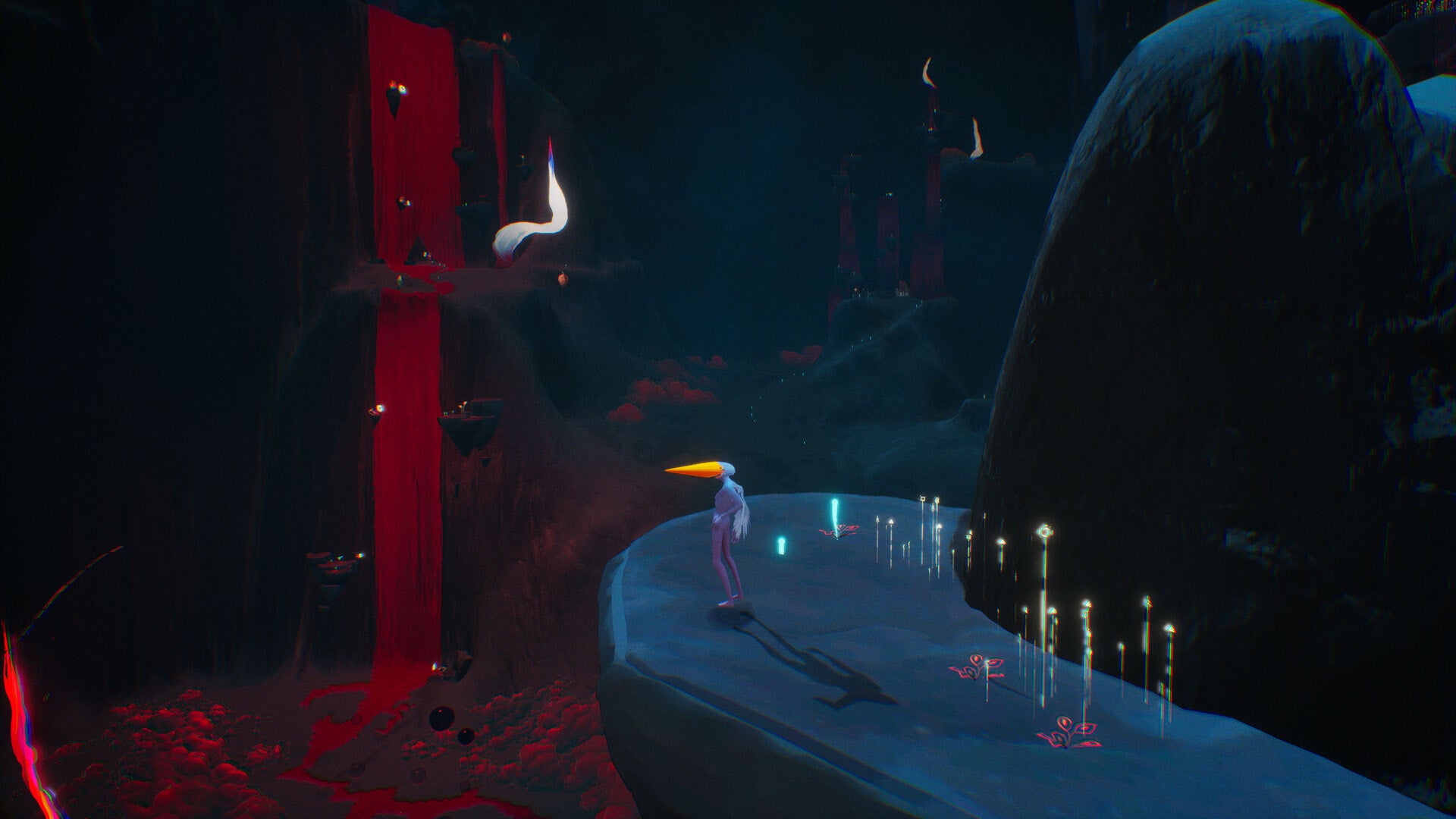
A defining feature of Abelina is its visual style, which deliberately evokes the surrealist tradition of Soviet-era animation. These films, often characterized by heavy use of textures, melancholic color palettes, and fluid, uncanny character movements, have historically influenced experimental cinema. By translating this aesthetic into a playable format, the game seeks to offer a departure from the high-energy, fast-paced environments typical of the platforming genre.
Mechanically, Abelina appears to eschew the linear progression models of traditional platformers in favor of an exploratory approach. Players are tasked with navigating complex, open-ended environments through a variety of movement modes, including flight, rolling, and precise, stamina-oriented jumping. The presence of a "mysterious rabbit-cat" guide serves as a narrative device to facilitate player progression through branching paths, suggesting that the game will emphasize discovery and environmental storytelling rather than traditional combat or score-chasing systems.
Sonic Landscape and Technical Composition
The auditory experience of Abelina is being curated to match its surrealist visual tone. Composer Ryan Holladay, known for his work on the film Weapons and the recent Resident Evil motion picture franchise, has been tapped to lead the game’s soundtrack. The integration of a cinematic composer into the project signals an intent to elevate the emotional resonance of the title. In modern game design, the synergy between environmental design and adaptive audio is a critical metric for player immersion; the partnership between Askew’s visual direction and Holladay’s scoring is expected to be a primary pillar of the game’s market appeal.
Contextualizing the Afterlife in Gaming
Abelina enters a genre space that has seen significant growth over the past several years. The "afterlife exploration" theme is a recurring motif in independent gaming, seen in titles like Spiritfarer, which focused on the administrative and emotional labor of guiding souls, and more experimental titles that use the afterlife as a metaphor for trauma and resolution.
Market data indicates that platformers remain one of the most saturated categories on digital storefronts like Steam. According to SteamSpy and similar analytical platforms, the platformer genre consistently sees the highest volume of new releases annually. However, titles that succeed in this environment often do so by establishing a "niche" identity—either through extreme mechanical difficulty (the "Soulslike" platformer) or, as in the case of Abelina, through high-concept artistic direction and atmospheric world-building.
Broader Industry Implications
The project serves as a clear indicator of the "professionalization" of the indie sector. As veteran developers from major AAA studios transition into independent projects, the technical standards for small-budget games have risen. Abelina is positioned to bridge the gap between boutique, artistic experimentalism and the polished, cinematic quality expected by contemporary audiences.
From an analytical standpoint, the success of such a title will depend on the balance between its artistic goals and player accessibility. While surrealism can create a compelling atmosphere, it also risks alienating players if the mechanical controls—specifically the physics of the "dungbeetle-esque rolling" and aerial movement—do not match the precision of the visual presentation. The industry will be observing how Abelina manages these challenges, particularly as it navigates the competitive landscape of the next several years.
Future Outlook and Anticipation
As the 2027 release date approaches, the development team is expected to release further details regarding the specific platforming mechanics and the scope of the game’s branching narrative. For those interested in the project, the primary method of engagement currently remains the Steam wishlist system, which serves as a vital metric for developers to determine marketing reach and platform interest.
In summary, Abelina represents a fusion of high-end cinematic craftsmanship and indie-style creative freedom. By grounding its narrative in the existential ambiguity of the afterlife and its mechanics in a deliberate, exploratory movement system, the game seeks to provide a distinct experience that challenges the conventions of the platformer genre. Whether the final product can fulfill the ambitious vision set forth in its initial announcement will be determined as more technical demonstrations and gameplay trailers become available in the coming years.
The project’s reliance on established industry veterans like Askew and Holladay provides a level of confidence in the production quality, yet the ultimate success of the game will hinge on the execution of its surrealist themes. As the gaming industry continues to evolve, projects like Abelina provide insight into the changing priorities of developers and the growing sophistication of the independent market. Investors and enthusiasts alike will be watching to see how this blend of Eastern European aesthetic influence and modern game design translates into a functional, engaging, and commercially viable title.