In a strategic move that signals a significant shift in the consumer electronics landscape, Google is reportedly preparing to re-enter the smart glasses market through a high-profile partnership with the luxury fashion house Gucci. The collaboration, confirmed by Kering leadership during a recent industry update, aims to blend Google’s cutting-edge artificial intelligence with the aesthetic prestige of one of the world’s most recognizable luxury brands. According to statements made to Reuters, the Gucci-branded AI eyewear is currently slated for a release as early as 2026 or 2027, marking a pivotal moment for both the technology and fashion sectors.
This partnership represents more than just a product launch; it is a calculated response to the evolving "smart eyewear" market, which has recently seen a resurgence thanks to the success of Meta’s collaboration with Ray-Ban. By aligning with Gucci, Google is attempting to overcome the primary hurdle that derailed its previous wearable efforts: the "geek factor." For Google, the path back to the face of the consumer leads through the runways of Milan, suggesting that the future of wearable technology may be defined by its ability to disappear into high-fashion accessories.
The Strategic Alliance: Why Google and Gucci are Teaming Up
The decision to partner with Kering, the parent company of Gucci, follows a broader trend of "luxury-tech" convergence. For Google, the motivation is largely functional. The original Google Glass, launched over a decade ago, failed primarily because it looked like a medical device or a futuristic prop rather than a piece of clothing. By leveraging Gucci’s design expertise, Google ensures that the hardware will be housed in frames that consumers actually want to wear.

Kering’s CEO has identified eyewear and jewelry as critical growth pillars for the luxury conglomerate. As traditional luxury markets face fluctuating demand, the integration of technology offers a new value proposition for high-net-worth individuals and tech-savvy youth. Gucci is no stranger to this space, having previously collaborated with Oura to produce a luxury smart ring and with various gaming platforms to create digital-first fashion. This latest venture into AI-powered glasses is the most ambitious step yet in their "Connected Luxury" roadmap.
A History of Ambition: From Google Glass to Project Astra
To understand the weight of this announcement, one must look back at Google’s complicated history with head-mounted displays. In 2013, the launch of Google Glass was met with intense media scrutiny and eventual public backlash. The device’s prominent camera and unconventional prism display led to privacy concerns and social ostracization of users, who were famously dubbed "Glassholes."
After pivoting Google Glass to enterprise and industrial use cases, Google largely retreated from the consumer AR market. However, the internal development of AI never stopped. At recent developer conferences, Google showcased "Project Astra," a multimodal AI agent capable of "seeing" and "understanding" the world in real-time through a camera lens. Astra can identify objects, explain complex code on a monitor, or remember where a user left their keys. The Gucci partnership provides the physical vessel for this advanced AI, transforming Google’s software into a lifestyle tool.
The Meta-Ray-Ban Influence and the Competitive Landscape
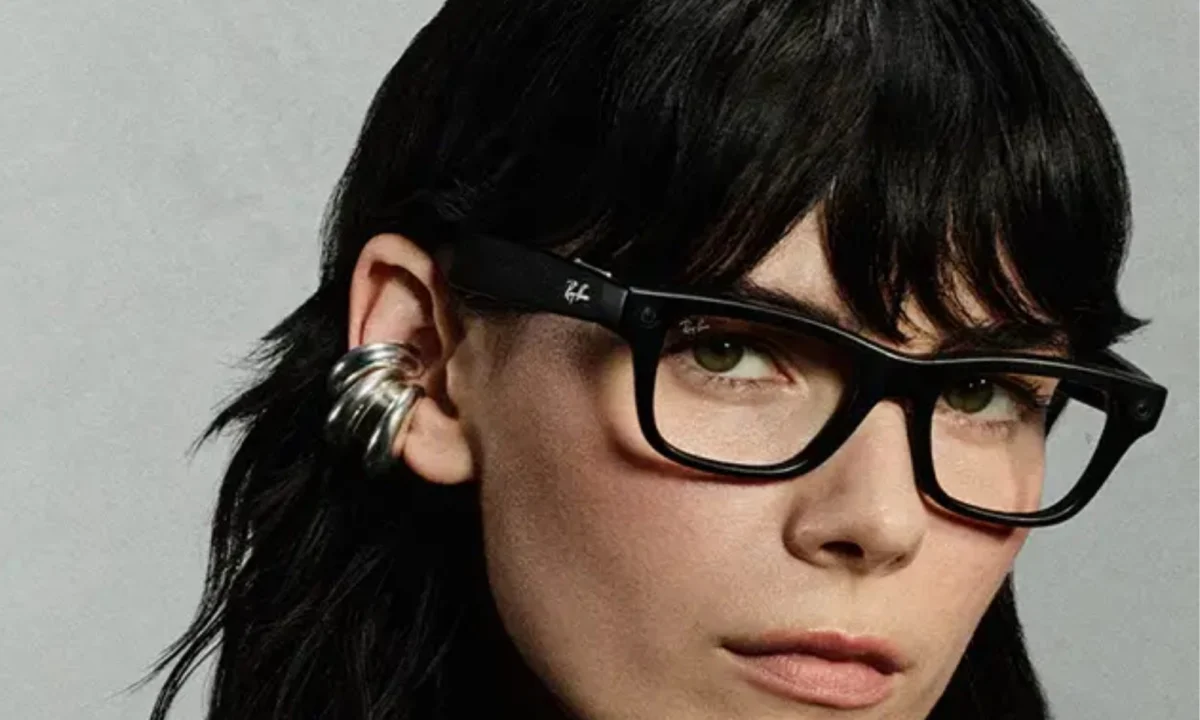
The timing of the Gucci-Google announcement is not coincidental. The market for smart glasses has been radically redefined by Meta (formerly Facebook) and its partnership with EssilorLuxottica, the makers of Ray-Ban. The second-generation Meta Ray-Ban glasses have become a surprise hit, largely because they look identical to the classic Wayfarer frames while offering built-in cameras, open-ear audio, and a voice-activated AI assistant.

Google is now playing catch-up in a market it technically invented. While Meta has focused on social sharing and Meta AI integration, Google’s advantage lies in its vast ecosystem of information. A pair of Gucci glasses powered by Google could theoretically integrate with Google Maps for walking directions, Google Translate for real-time subtitles of foreign speech, and Google Lens for visual searching. The "Gucci" branding allows Google to position its product in a tier above Meta’s more accessible $299 price point, targeting a luxury demographic that prioritizes exclusivity and craftsmanship.
Technical Expectations: What AI Glasses Will Actually Do
While specific hardware specifications remain under wraps, industry analysts expect the Gucci smart glasses to focus on "invisible" technology. Unlike bulky AR headsets like the Apple Vision Pro, these glasses are expected to prioritize a lightweight form factor without a traditional heads-up display (HUD). Instead, the "smart" features will likely manifest through:
- Multimodal AI Assistance: Using a discreetly embedded camera, the glasses will use Google’s Gemini models to process visual information and provide audio feedback to the user via bone-conduction or open-ear speakers.
- Contextual Awareness: The glasses could offer real-time translation of menus or street signs, projecting the audio directly into the user’s ear.
- High-Fidelity Audio: Serving as a replacement for earbuds, the frames will likely support spatial audio for music and calls.
- Health and Wellness Tracking: Following the trend of the Gucci-Oura ring, the glasses may include sensors to monitor UV exposure, posture, or even basic biometrics.
The challenge for Google and Gucci will be battery life. High-fashion frames are notoriously thin, leaving little room for the lithium-ion batteries required to power continuous AI processing and camera usage.
The Economic Impact: Wearables as the New Luxury Frontier
The global smart glasses market is projected to grow at a compound annual growth rate (CAGR) of over 15% through 2030. Within this, the luxury segment is expected to command the highest margins. For Kering, the partnership with Google is a defensive and offensive play. Defensively, it ensures that Gucci remains relevant as "Gen Alpha" and "Gen Z" consumers move toward functional fashion. Offensively, it allows the brand to capture a share of the burgeoning "spatial computing" market.

Market analysts suggest that a pair of Gucci-Google glasses could retail anywhere from $800 to $1,500, depending on the materials used (such as acetate or titanium) and the complexity of the lens technology. This pricing would place them significantly higher than Meta’s offerings but well below the $3,499 price tag of high-end mixed-reality headsets, occupying a "sweet spot" for affluent tech enthusiasts.
Addressing the Privacy Elephant in the Room
One of the most significant hurdles for the Gucci-Google glasses will be navigating the privacy concerns that sank the original Google Glass. In the decade since 2013, the public has become more accustomed to cameras in public spaces and on people’s bodies (via GoPros and Meta glasses). However, a luxury brand like Gucci carries a certain social weight.
To mitigate these concerns, Google is expected to implement prominent "recording" indicators—LED lights that signal when the camera is active—and robust on-device processing to ensure that sensitive visual data is not stored permanently in the cloud. Gucci’s involvement may also help "normalize" the presence of these devices in high-end social settings, such as restaurants and galleries, where the original Google Glass was often banned.
Timeline and Launch Strategy
According to the reports from Kering’s leadership, the development cycle is currently in its mid-to-late stages. A 2026 or 2027 launch window suggests that the companies are taking their time to refine the user interface and ensure the hardware meets Gucci’s rigorous quality standards. The launch is expected to be a global event, likely debuting during a major Fashion Week in Paris or Milan to emphasize the product’s status as a fashion accessory first and a gadget second.

The distribution strategy will also be unique. Unlike typical Google products sold at Best Buy or the Google Store, the Gucci smart glasses will likely be available through Gucci boutiques and high-end department stores like Selfridges and Neiman Marcus. This "boutique-first" approach is essential for maintaining the luxury aura of the collaboration.
Conclusion: A Vision for the Future of Interaction
The partnership between Google and Gucci is a testament to the fact that the next era of computing will not be confined to screens we hold in our hands. As AI becomes more integrated into our daily lives, the interface for that AI must become more natural and less intrusive. By combining Google’s world-class software with Gucci’s world-class design, the two companies are betting that the future of the internet is something we wear on our faces.
If successful, this collaboration could pave the way for a new category of "Couture Tech," where the value of a device is determined as much by its silhouette and brand heritage as it is by its processing power. For Google, it is a chance at redemption—a second act for a vision that was perhaps just a decade too early. For Gucci, it is a bold claim on the future of luxury, proving that even the most historic fashion houses can lead the way into the digital unknown.