






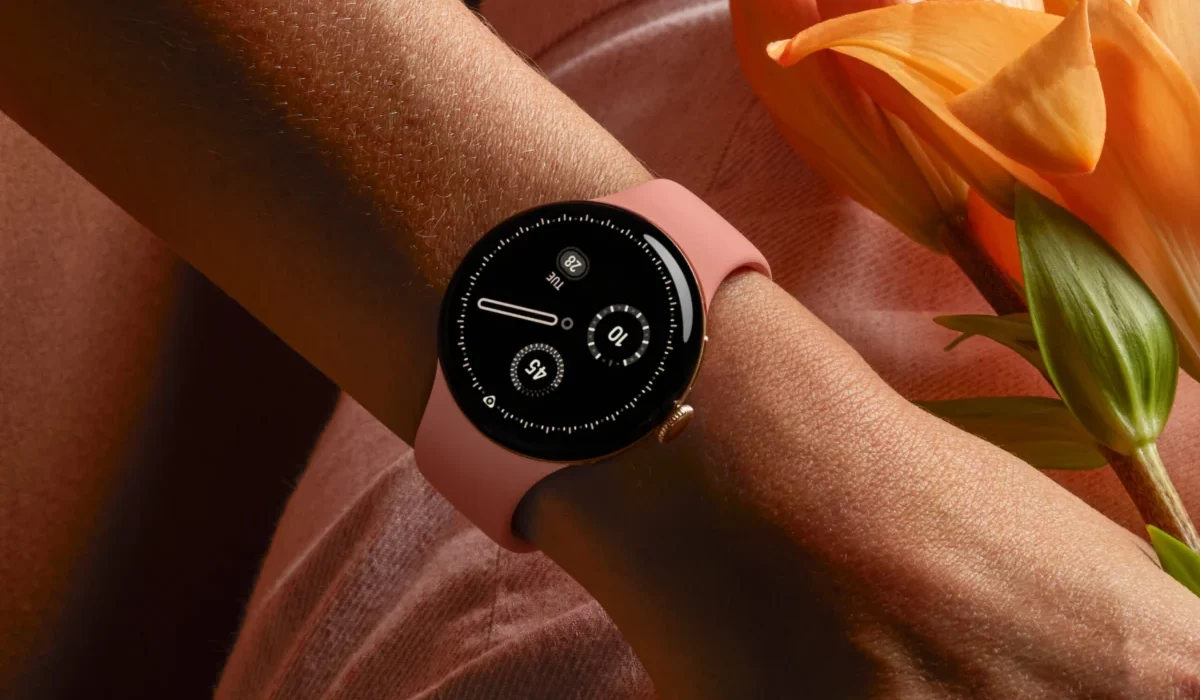
The integration of advanced software features into wearable technology has reached a new milestone as Google continues to refine its health and fitness ecosystem. With the rollout of the November Pixel Drop, Google has introduced a highly anticipated step-by-step workout guidance feature directly to the Pixel Watch interface. This update represents a significant shift in how users interact with their fitness data, moving from passive tracking to active, real-time coaching that minimizes the friction often associated with manual exercise logging.

The Evolution of Google’s Fitness Ecosystem
Over the past several months, Google has aggressively expanded the capabilities of its health suite, leveraging the processing power of its wearable hardware and the analytical depth of the Gemini AI model. The introduction of the Gemini-powered Google Health Coach earlier this year established the foundation for this transition. By allowing users to generate personalized workout plans based on specific fitness goals, recovery metrics, and individual daily routines, Google effectively created a digital personal trainer.
However, the transition from planning a workout to executing it in a gym environment has historically been hampered by the need to interact with a secondary device—usually a smartphone. Users often find themselves interrupting their sets to manually input weights, repetitions, and rest intervals. The latest update, which brings guided, step-by-step instructions directly to the wrist, is designed to eliminate this digital disruption. By surfacing instructions and logging prompts on the Pixel Watch 3 and newer models, Google is positioning its smartwatch as the primary interface for fitness management.

Technical Implementation and User Workflow
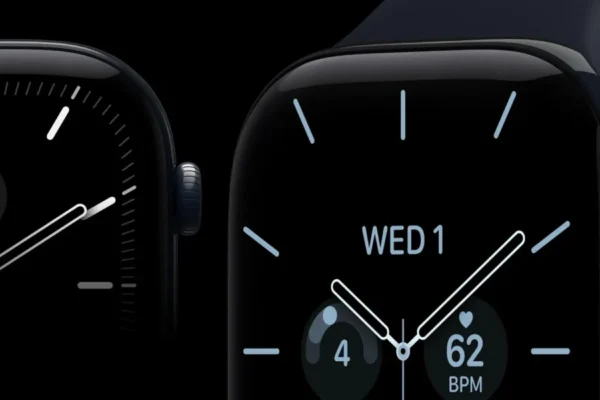
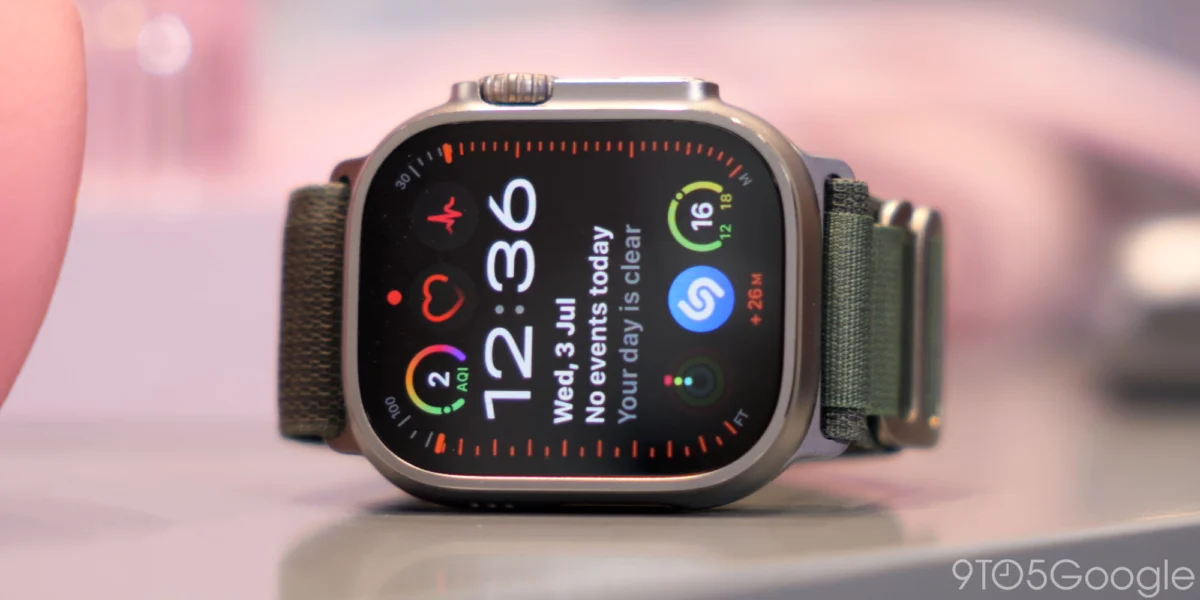
The core of this new functionality lies in its ability to synchronize complex fitness routines with the wearable’s display. When a user initiates a strength training session or a structured circuit, the watch screen now acts as a dashboard. It presents the upcoming exercise, the recommended number of repetitions, and the target weight, all within a high-contrast interface optimized for readability during high-intensity physical activity.
Crucially, the system allows for real-time logging. As a user completes a set, they can input their performance data directly on the watch. This information is then pushed to the connected smartphone, ensuring that the health database remains up-to-date without requiring the user to switch devices. This integration reduces the "dead time" between exercises, which is often a point of frustration for athletes looking to maintain heart rate consistency and focus.

While Google has confirmed that the feature is available for the Pixel Watch 3 and subsequent models, it has remained silent regarding the potential requirement of a Google Health Premium subscription for full access. Market analysts suggest that Google may tier these advanced guidance features, reserving the most complex AI-driven routines for premium subscribers while keeping basic logging functions accessible to all users.
Broadening the Horizon: Additional November Pixel Drop Features
The November update is not limited to workout guidance; it encompasses a broader suite of productivity and security enhancements aimed at increasing the utility of the Pixel Watch line. Among the most notable is the introduction of Gemini Call Screen for the Pixel Watch 5. This feature enables on-demand call screening, providing users with a transcript or context regarding an incoming call before they decide to accept it. Initially restricted to users in the United States, this capability marks an expansion of Google’s AI-driven communication tools from the smartphone to the wrist, further reducing the necessity of reaching for a handset in public or professional settings.

Furthermore, Google is addressing the friction of device security with the upcoming "Phone to Watch Unlock" feature. This capability leverages Ultra-Wideband (UWB) technology to detect when a user’s authenticated smartphone is in close proximity to their watch. By doing so, it automatically bypasses the need for a PIN or pattern entry, significantly streamlining the authentication process. While highly convenient, Google has noted that this feature will be region-dependent, contingent on the local regulatory approval of UWB technology.
Finally, the company is developing AI-powered Notification Summaries, which are slated for arrival on the Pixel Watch 3 and newer devices running Wear OS 7.1. These summaries will distill lengthy notifications into actionable, concise points, helping users manage information flow without being overwhelmed by device alerts.

Strategic Implications for the Wearable Market
The broader implications of these updates suggest a strategic pivot for Google. By integrating Gemini’s processing power into the everyday utility of the Pixel Watch, Google is attempting to differentiate its hardware in a market dominated by incumbents like Apple and Samsung. The focus on "frictionless" interaction—where the watch acts as an extension of the user’s intent rather than a tool they must manage—is a hallmark of the current trend in ambient computing.
Historically, smartwatches served as notification mirrors or basic activity trackers. The current shift toward proactive coaching and AI-assisted task management positions the Pixel Watch as a central hub for personal wellness and productivity. Data from recent industry reports indicates that consumers are increasingly prioritizing health-centric features when selecting wearables, with a clear preference for devices that offer actionable insights rather than raw data logs.

A Chronology of Recent Updates
- Early 2026: Launch of the Gemini-powered Google Health Coach, allowing for natural language workout planning.
- Mid-2026: Implementation of improved manual workout logging and more granular data tracking across the Google Health ecosystem.
- November 2026: Official release of the November Pixel Drop, featuring the new step-by-step workout guidance for the Pixel Watch 3 and newer devices.
- Forthcoming: Anticipated release of AI-powered Notification Summaries and Phone to Watch Unlock functionality.
Industry Analysis and Future Outlook
The success of these features will likely depend on the precision of the AI models powering the health recommendations. If the workout guidance can accurately adapt to a user’s failure on a set or a sudden change in schedule, it will solidify Google’s position as a leader in the digital health space. However, the reliance on proprietary subscriptions and specific hardware generations (e.g., the restriction to the Pixel Watch 3 and newer) could limit the reach of these updates in the short term.
Observers also note that the integration of Gemini Call Screen and Notification Summaries underscores Google’s intent to make the Pixel Watch a standalone communication device. As the gap between smartphone and wearable functionality continues to narrow, the necessity for a phone-centric workflow is diminishing.

In conclusion, the latest updates to the Pixel Watch reflect a maturing strategy focused on deepening user engagement through AI-assisted convenience. By addressing the manual labor of fitness tracking and the cognitive load of digital communication, Google is betting that the future of the smartwatch lies in its ability to act as a sophisticated, intuitive assistant. As these features continue to roll out, the market will be watching to see how user adoption rates respond and whether competitors will be forced to accelerate their own AI integrations to maintain parity in this rapidly evolving space. For now, Pixel Watch users have a more capable, responsive, and intelligent device on their wrists, signaling a promising trajectory for Google’s hardware and software integration efforts.