






Google’s hardware strategy for its wearable ecosystem has entered a new phase with the introduction of the Fitbit Edge. Serving as the functional successor to the popular Fitbit Charge 6 released in 2023, the Edge bridges the gap between traditional lightweight fitness bands and full-featured smartwatches like the Google Pixel Watch series. Evaluated over several weeks across a diverse range of athletic and daily activities—including running, cycling, hiking, and strength training—the Fitbit Edge presents a mixed narrative of hardware refinement and software growing pains. While it delivers substantial improvements in core tracking hardware, design aesthetics, and battery management, certain software limitations and feature omissions distinguish it from its predecessors.
Hardware Redesign and Key Specifications
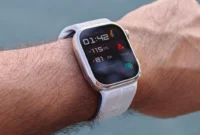
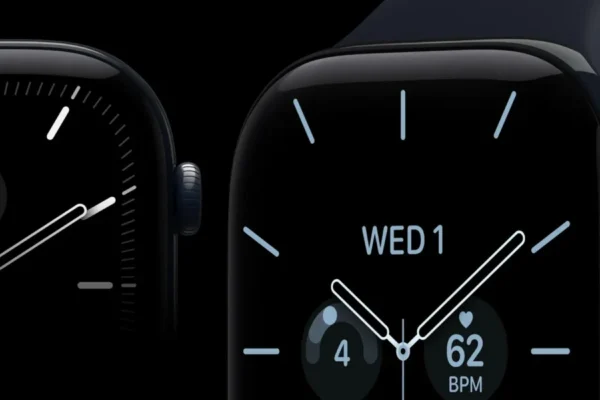
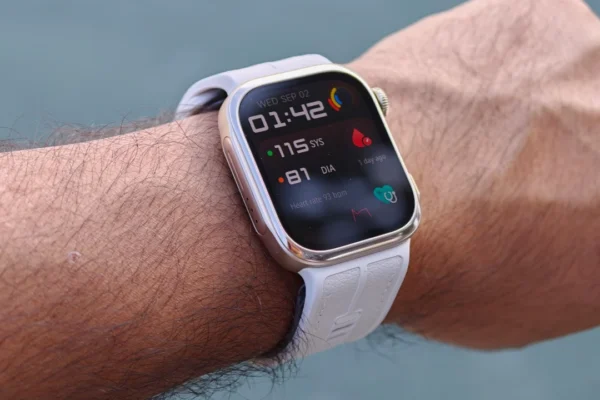
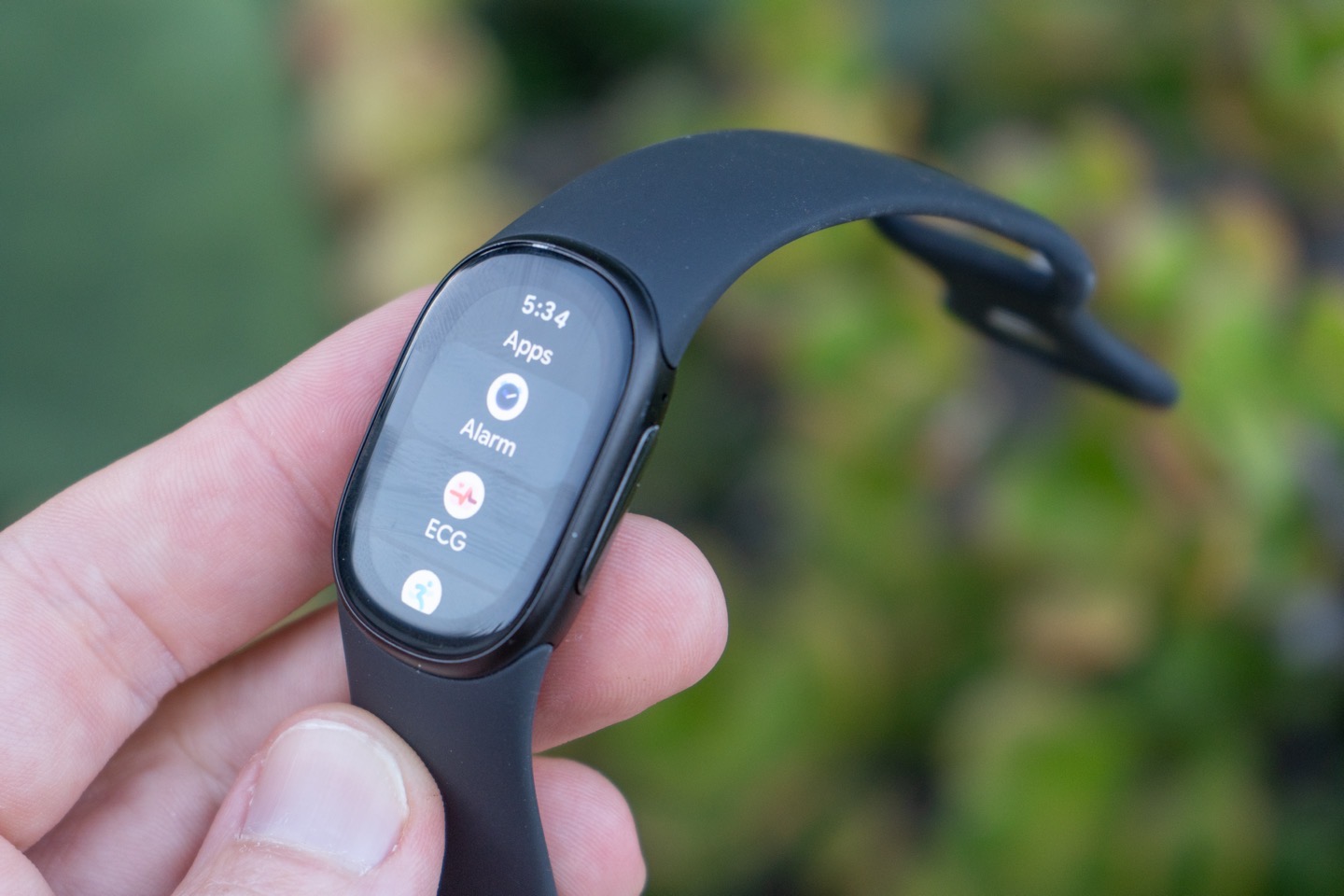
The Fitbit Edge introduces a heavily revamped industrial design, pivoting away from the narrow profile of the Charge 6 toward a more modern, aluminium-based architecture. Built using a 100% recycled aluminum case measuring 11.5mm in thickness, the device features a 1.34-inch (34mm) AMOLED display. This represents a 46-percent increase in screen real estate compared to the previous generation, significantly enhancing legibility under direct sunlight and during high-intensity workouts.
A notable mechanical adjustment is the integration of a physical, tactile side button. Unlike the touch-sensitive capacitive area found on the Fitbit Charge 6, the physical button on the Edge provides tangible feedback when navigating menus, launching applications, or accessing the device’s comprehensive toolset.
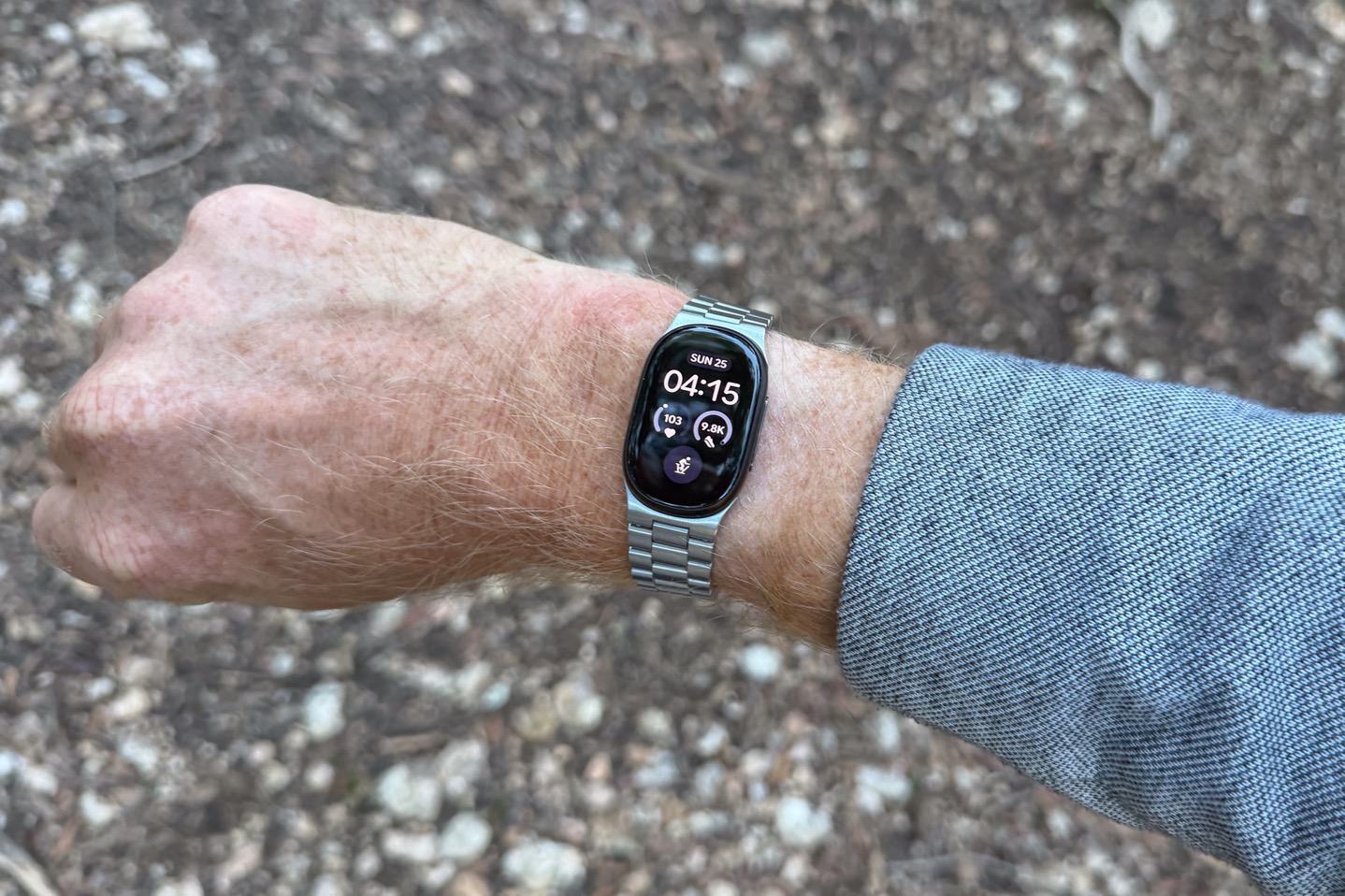
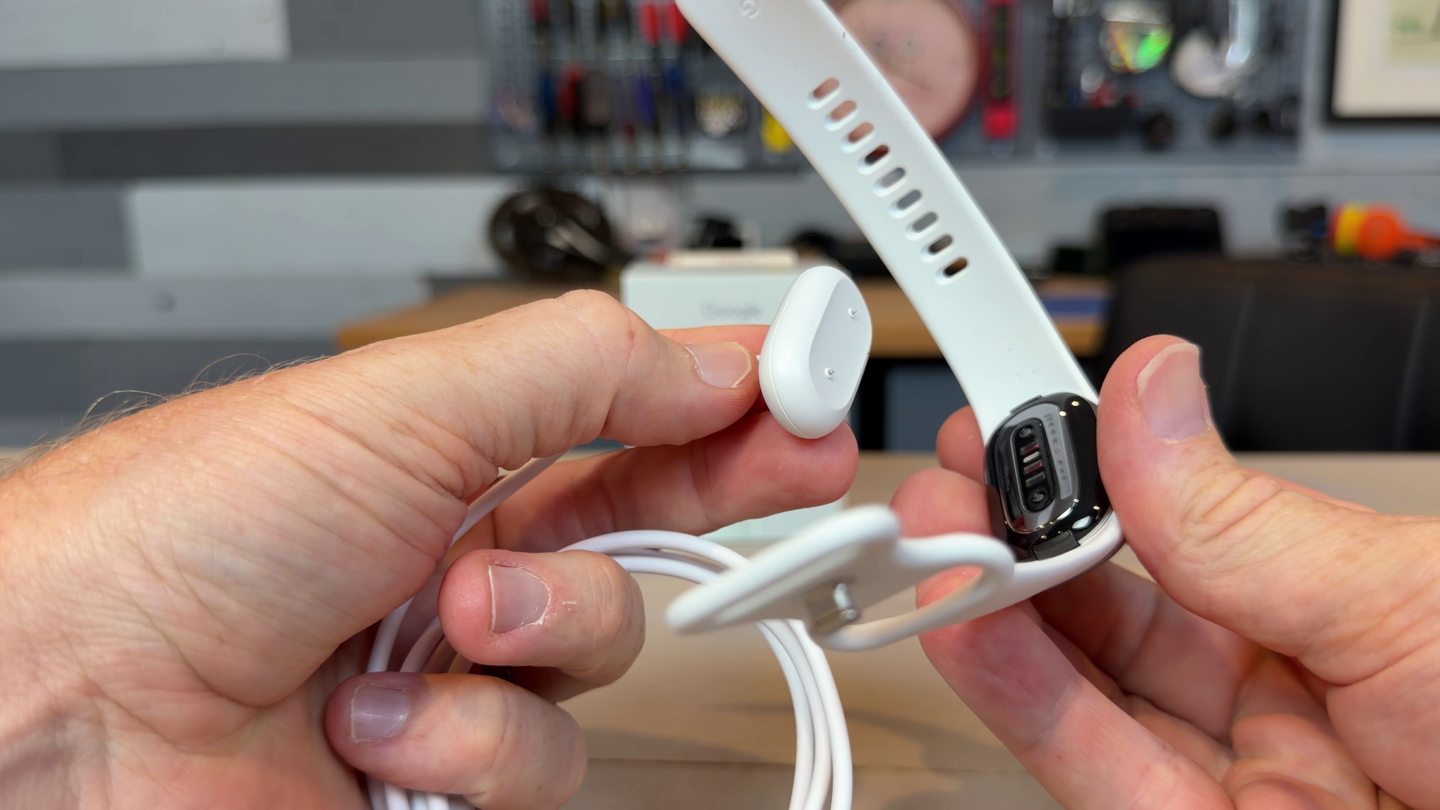
Weighing 17.7 grams without a band, the device carries a 5ATM water-resistance rating (up to 50 meters) alongside an IP68 dust-immersion rating. Powering the system is an Ambiq AP5 MCU paired with a 65mAh battery. Google claims a standard seven-day battery life under default gesture-based display settings, though activating the always-on display (AOD) reduces longevity to roughly two days. Fast-charging capabilities have also been incorporated, yielding a full day of typical usage from a five-minute charge, with a complete 0-to-100 percent charge taking approximately 90 minutes.
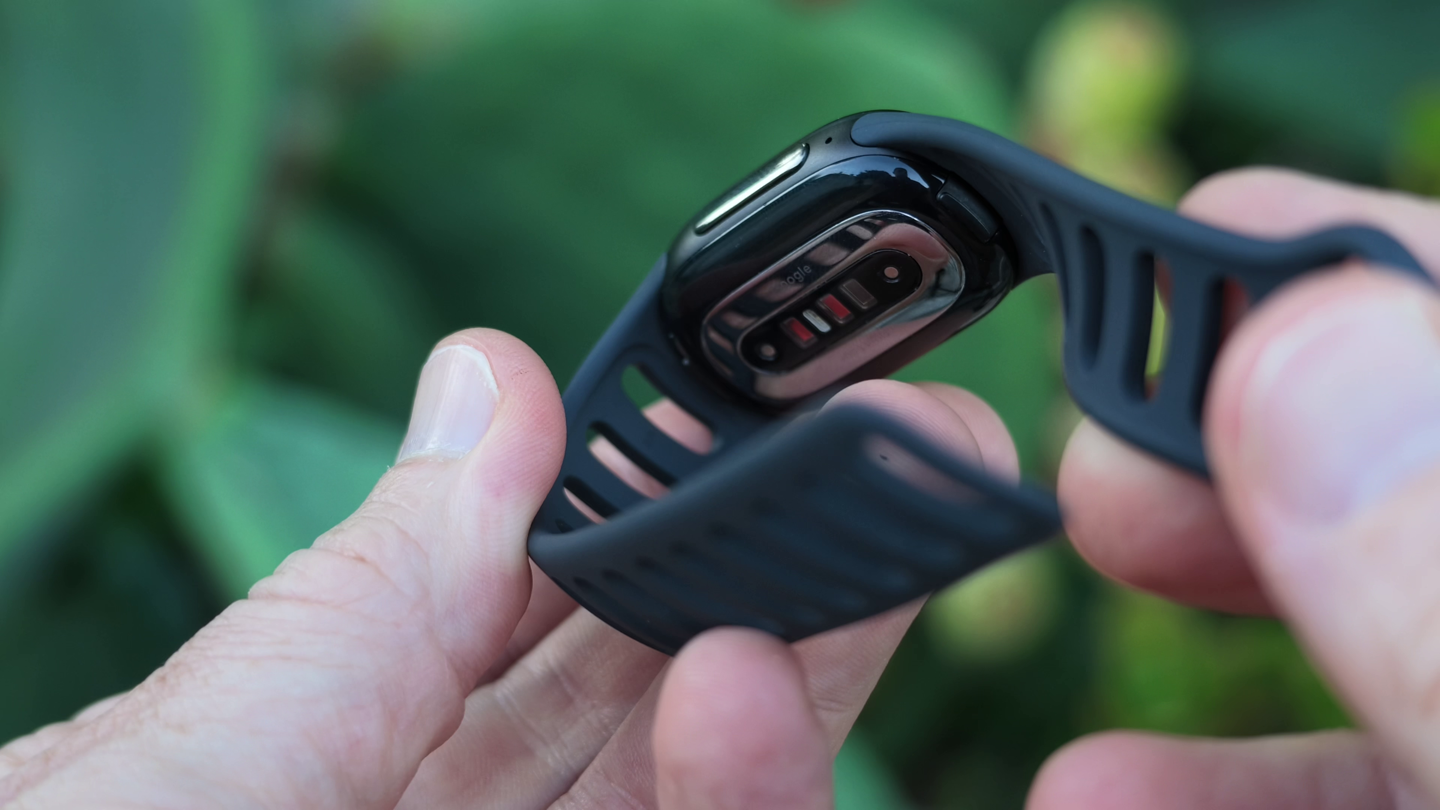
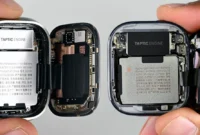
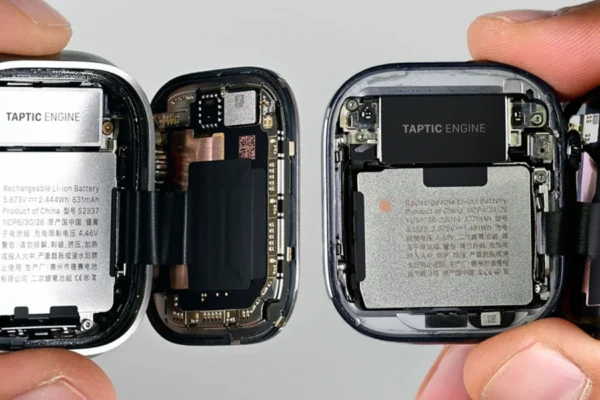
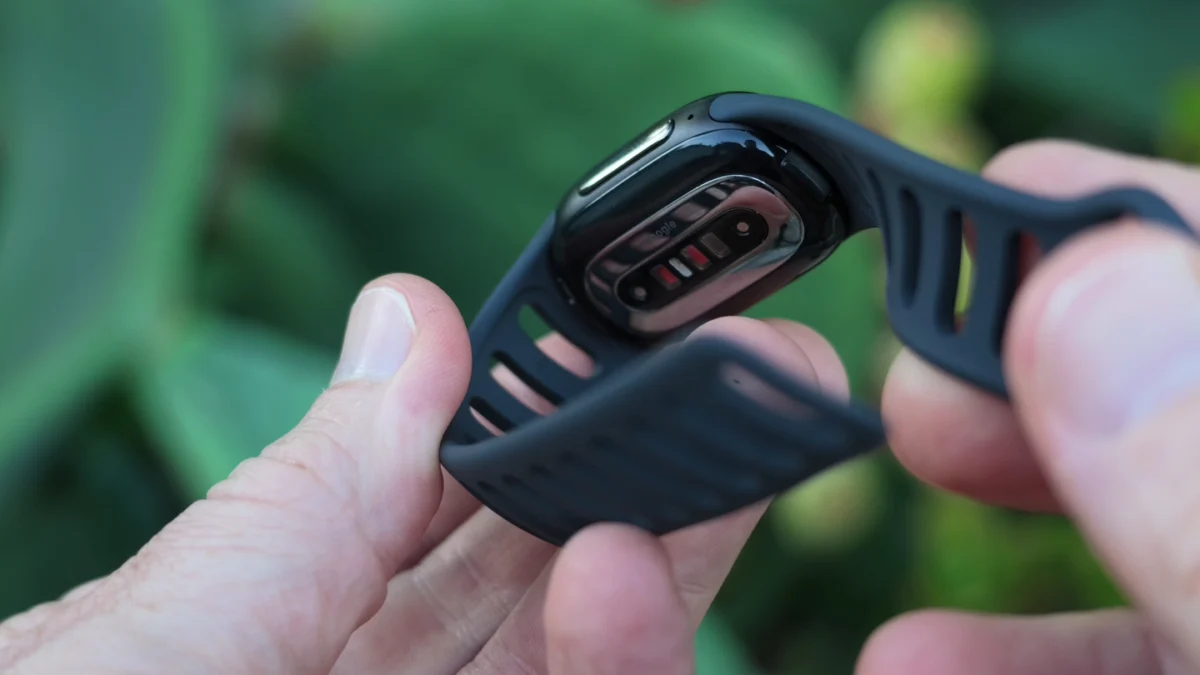
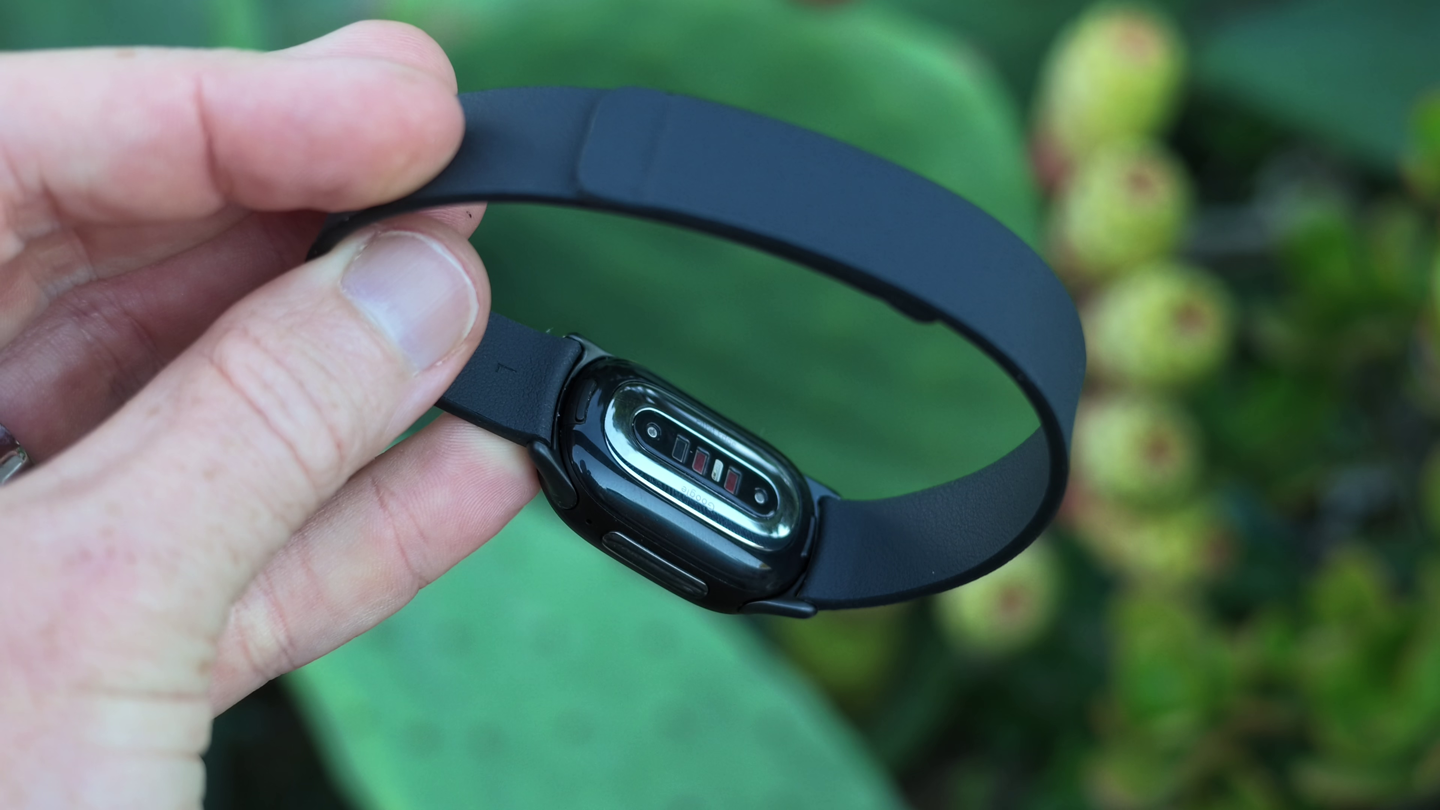
Furthermore, the Fitbit Edge marks a milestone for the brand by introducing a user-replaceable and serviceable battery, making it the first Fitbit-branded product to offer this feature.
Evolution of Tracking and Sensor Capabilities
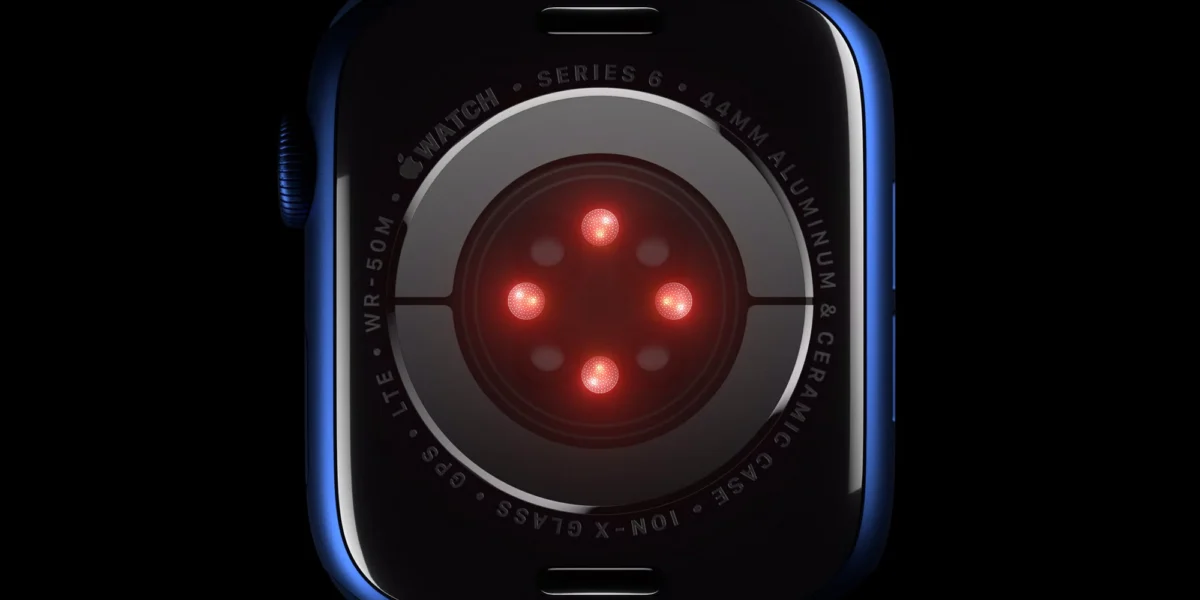
Under the hood, the Fitbit Edge integrates a comprehensive sensor suite designed to capture extensive physiological and spatial data. The internal architecture includes an altimeter for stair and elevation tracking, an accelerometer, a gyroscope, red and infrared sensors for blood oxygen saturation (SpO2) monitoring, a multipurpose electrical sensor for FDA- and EU-approved ECG functionality (including background atrial fibrillation detection), a photoplethysmography (PPG) optical heart rate sensor, an ambient light sensor, and a far-field skin temperature sensor.
Spatial tracking has also seen a technical overhaul. Equipped with a modernized GPS chipset and an aluminum case design intended to minimize signal interference, the Edge supports GPS and Galileo in the United States, while expanding to GLONASS, BeiDou, and QZSS internationally. Google claims a 40-percent improvement in GPS accuracy over the Charge 6—a device heavily criticized for compromises between signal reception and heart rate fidelity.
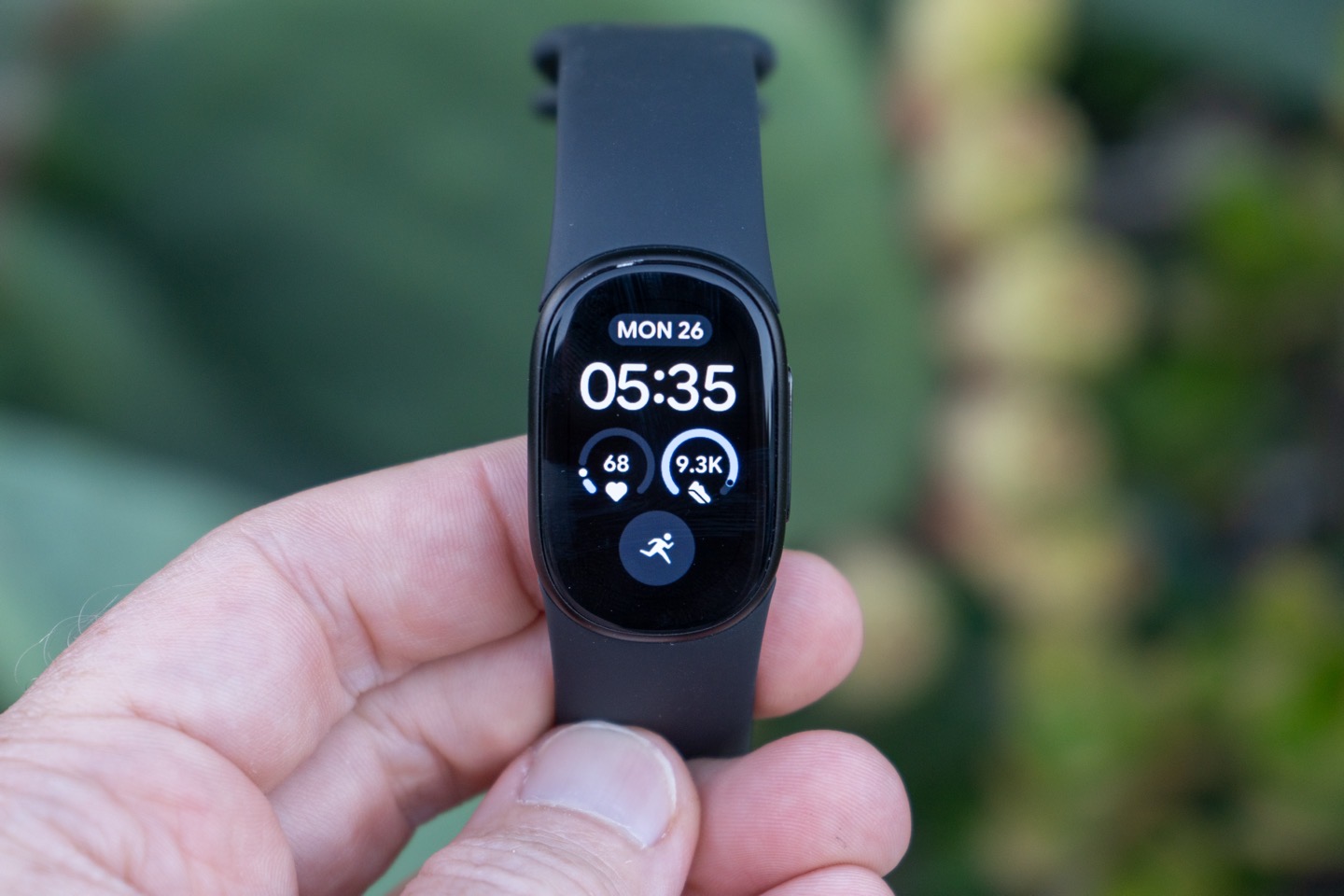
The device supports over 100 automatically detected sports and 50 manually selectable workout profiles. Among the newly added features is structured workout support, allowing users to sync targeted training sessions directly to the device. Additionally, the Edge supports dual-device usage, enabling seamless switching between a Pixel Watch, a Fitbit Air, and the Edge within the Google Health ecosystem.
Feature Removals and Platform Implications
Despite these hardware advancements, Google made the strategic decision to remove several features present in older models. Most notably, the Fitbit Edge omits Google Wallet (NFC contactless payments) and the EDA (electrodermal activity) scan sensor, though continuous background stress monitoring remains active.
Explaining the removal of NFC support, Andy Abramson, Head of Product at Google Health, noted that internal telemetry showed fewer than one percent of Charge 6 users utilized the contactless payment feature. Consequently, engineering resources were redirected toward enhancing the physical design, integrating the altimeter, and preserving week-long battery performance.
However, industry analysts point out that the omission of NFC—combined with Google’s ongoing policy of restricting high-end Pixel Watch compatibility to Android devices—leaves iOS users with limited options within the Google wearable portfolio. While the Fitbit Edge maintains compatibility with iOS 16.4 and newer (as well as Android 11 and newer), Apple users remain restricted from processing rapid replies to notifications or utilizing contactless payment solutions through Google hardware.
Daily Usage, Sleep Tracking, and Interface Architecture
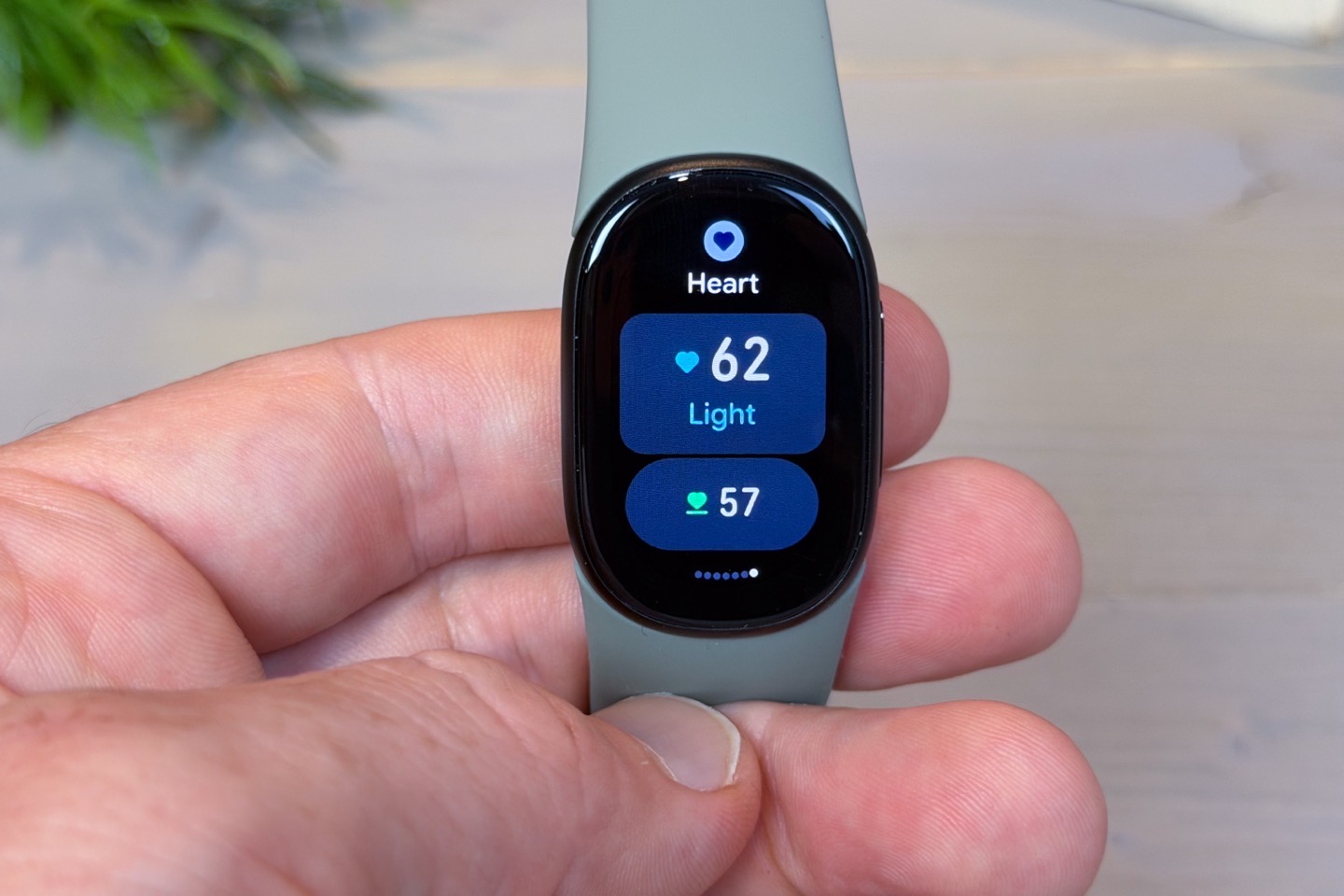
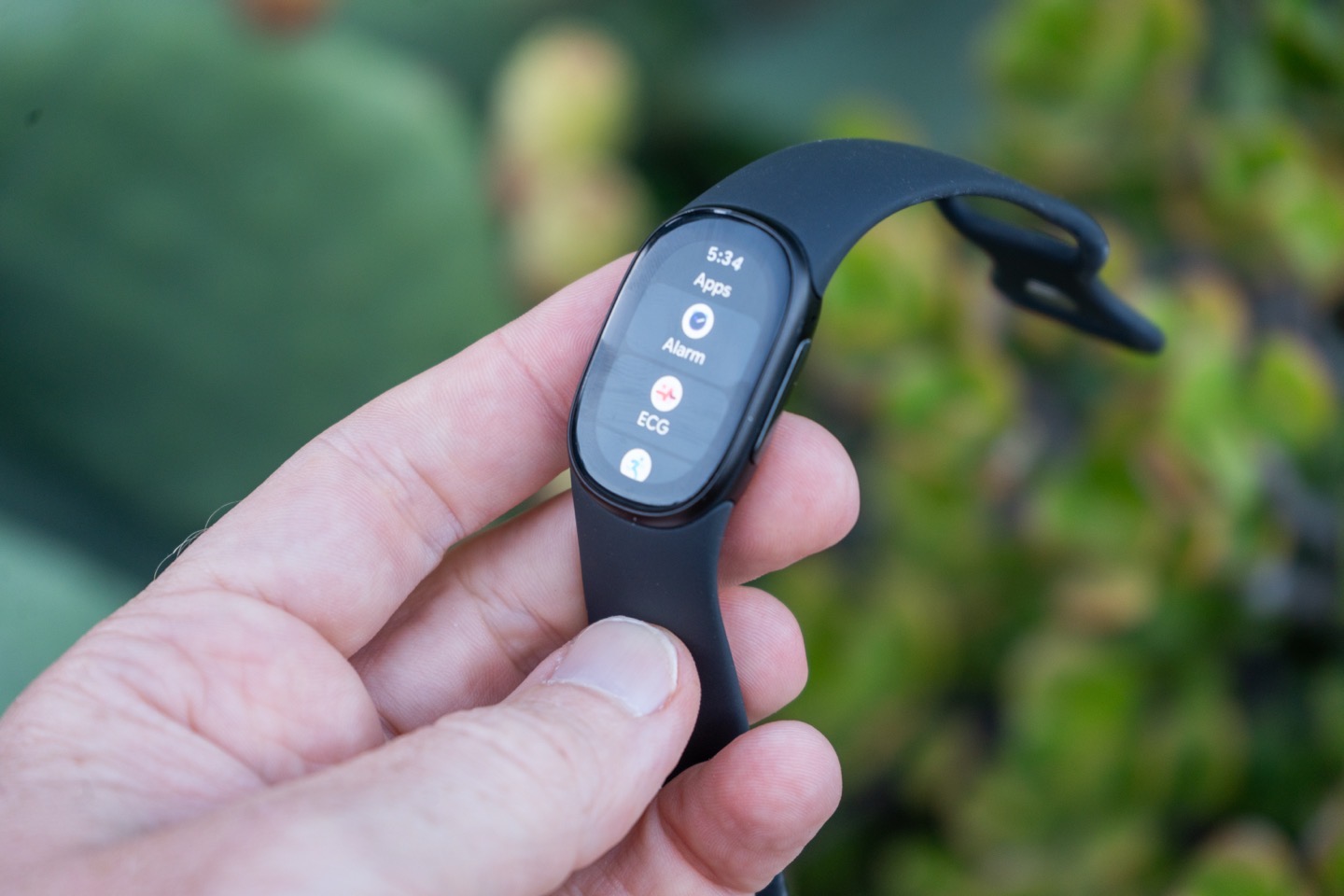
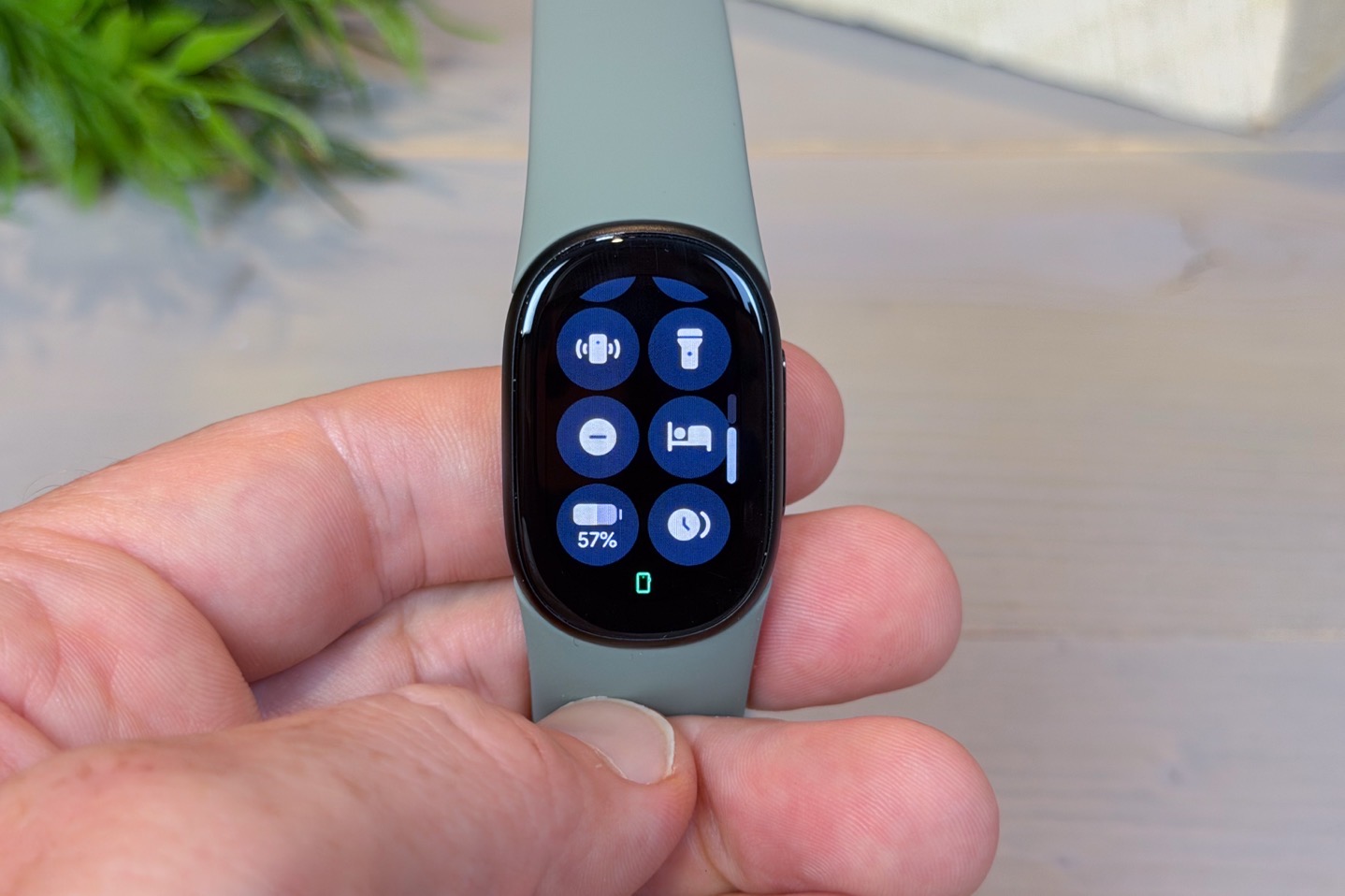
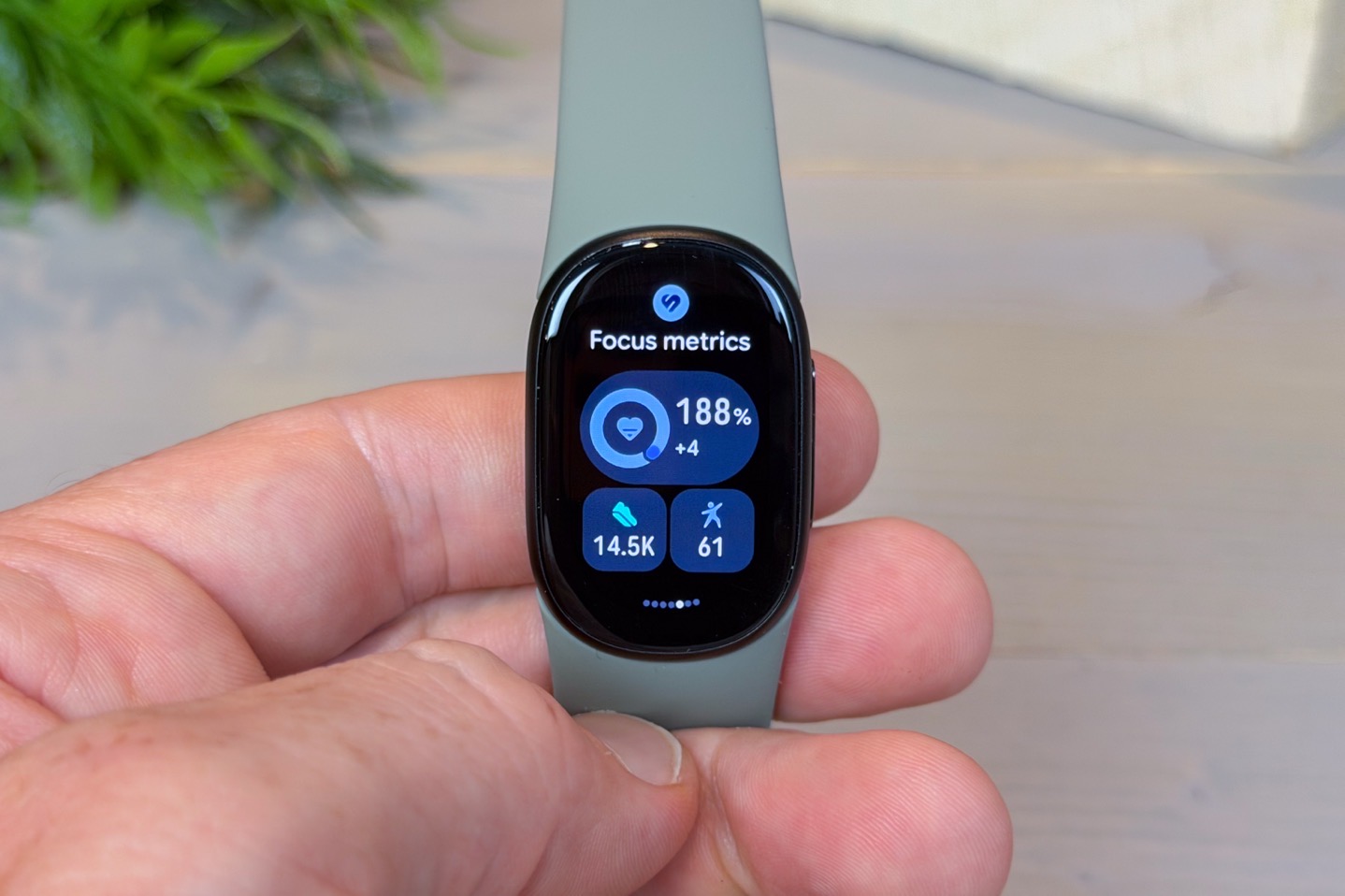
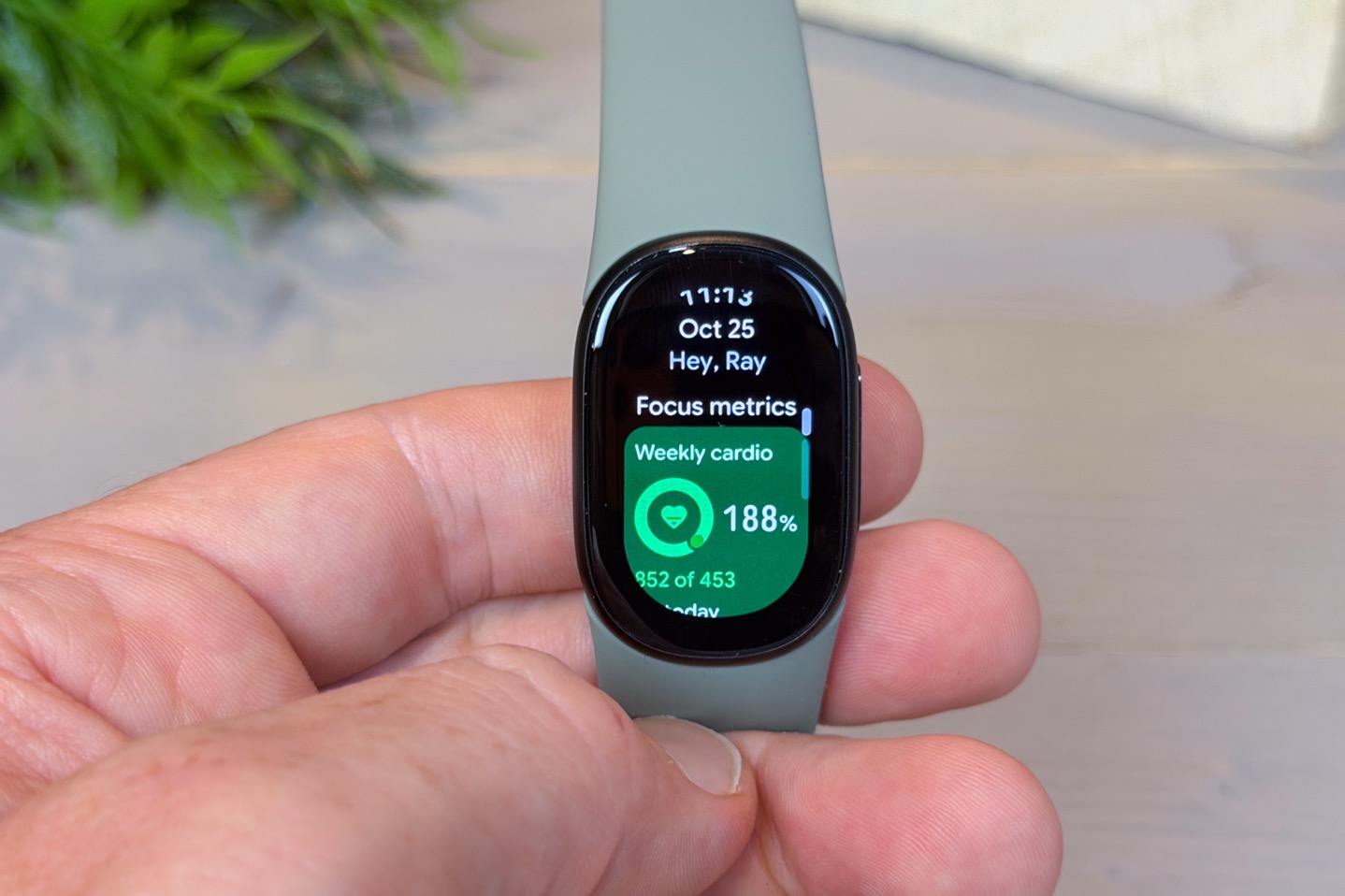
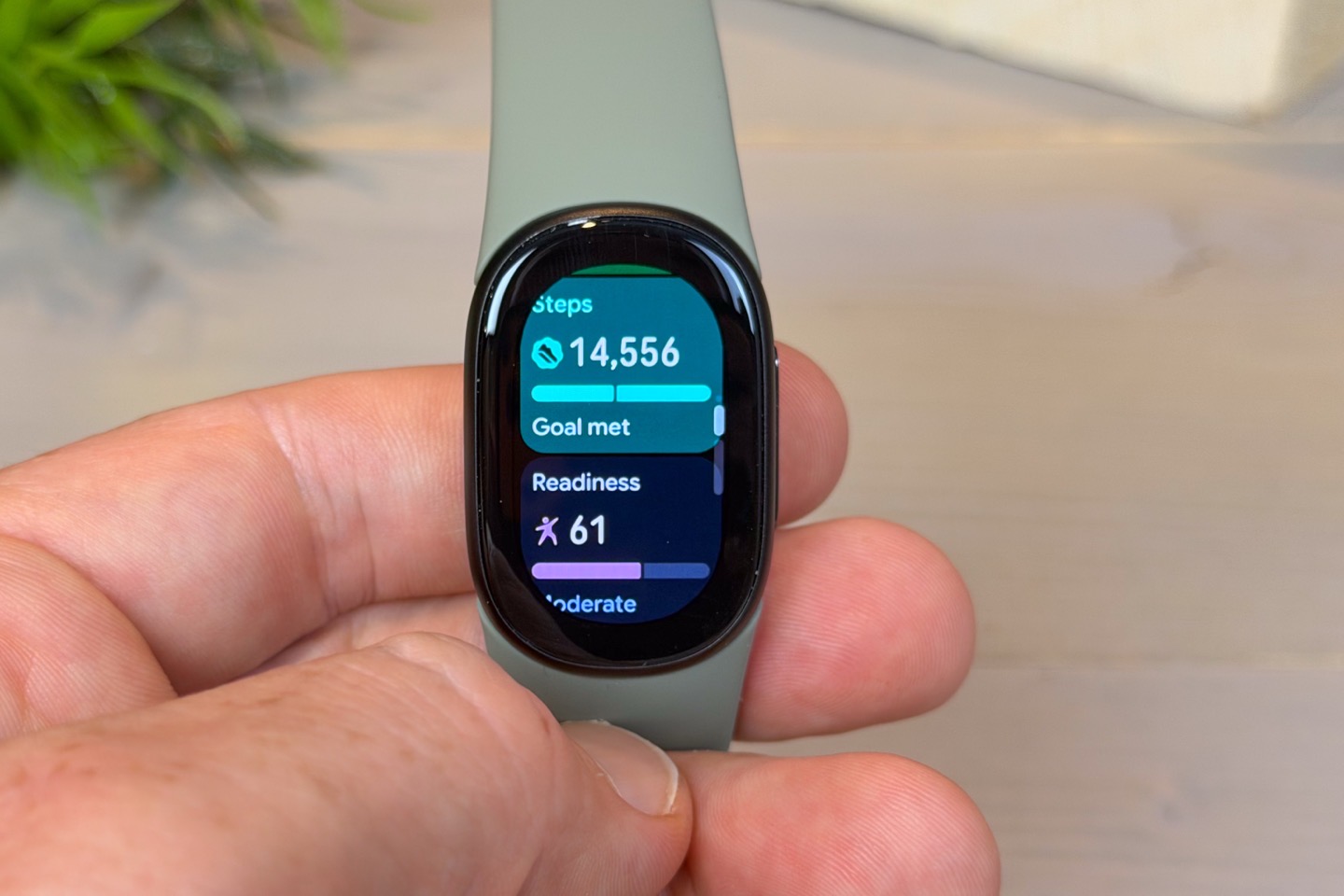
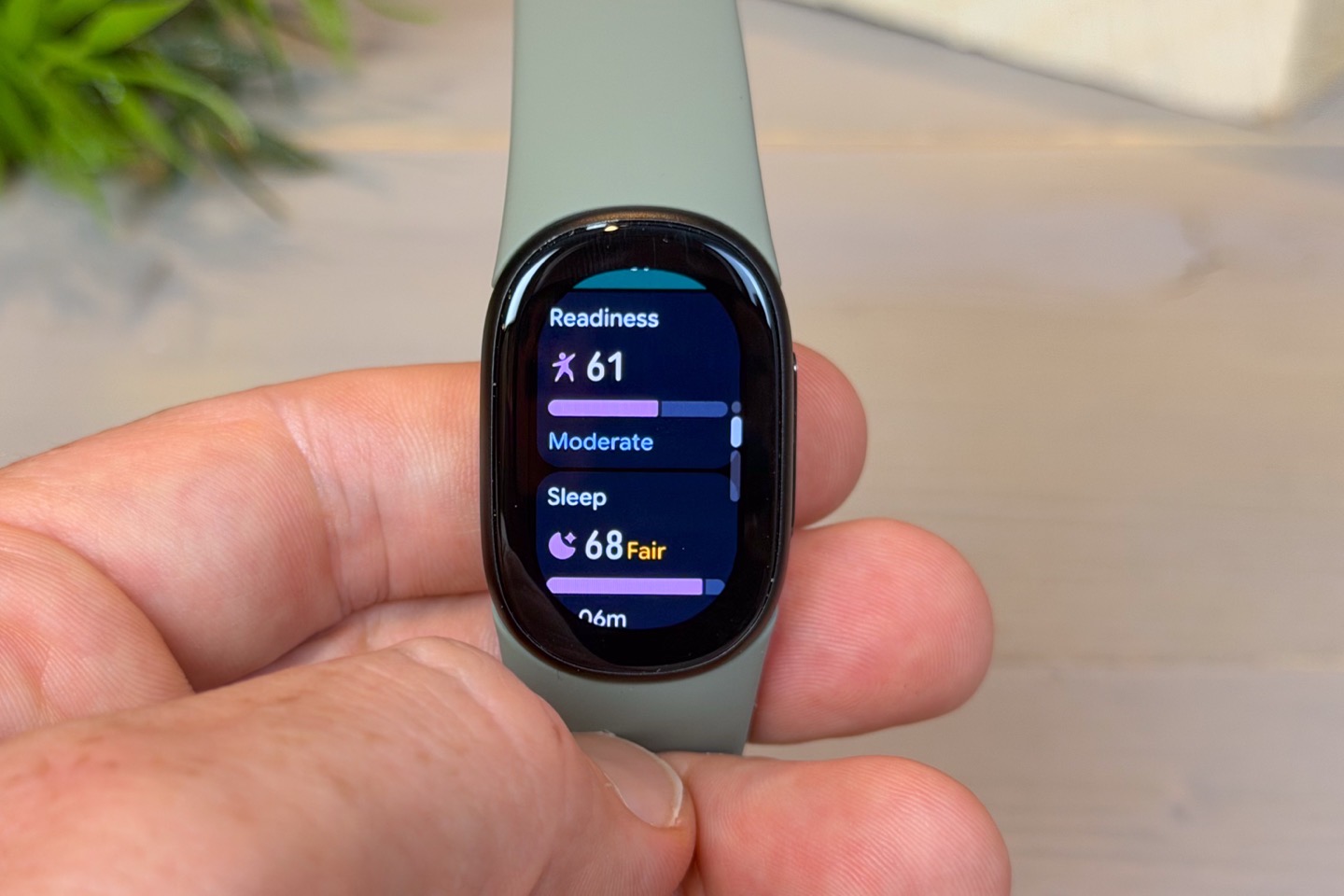
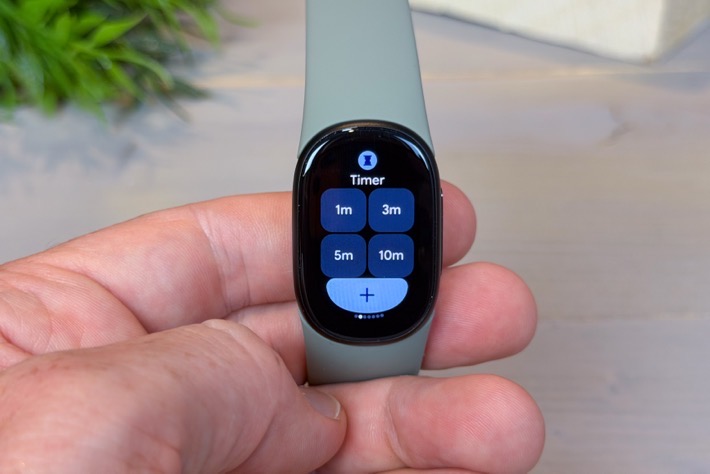
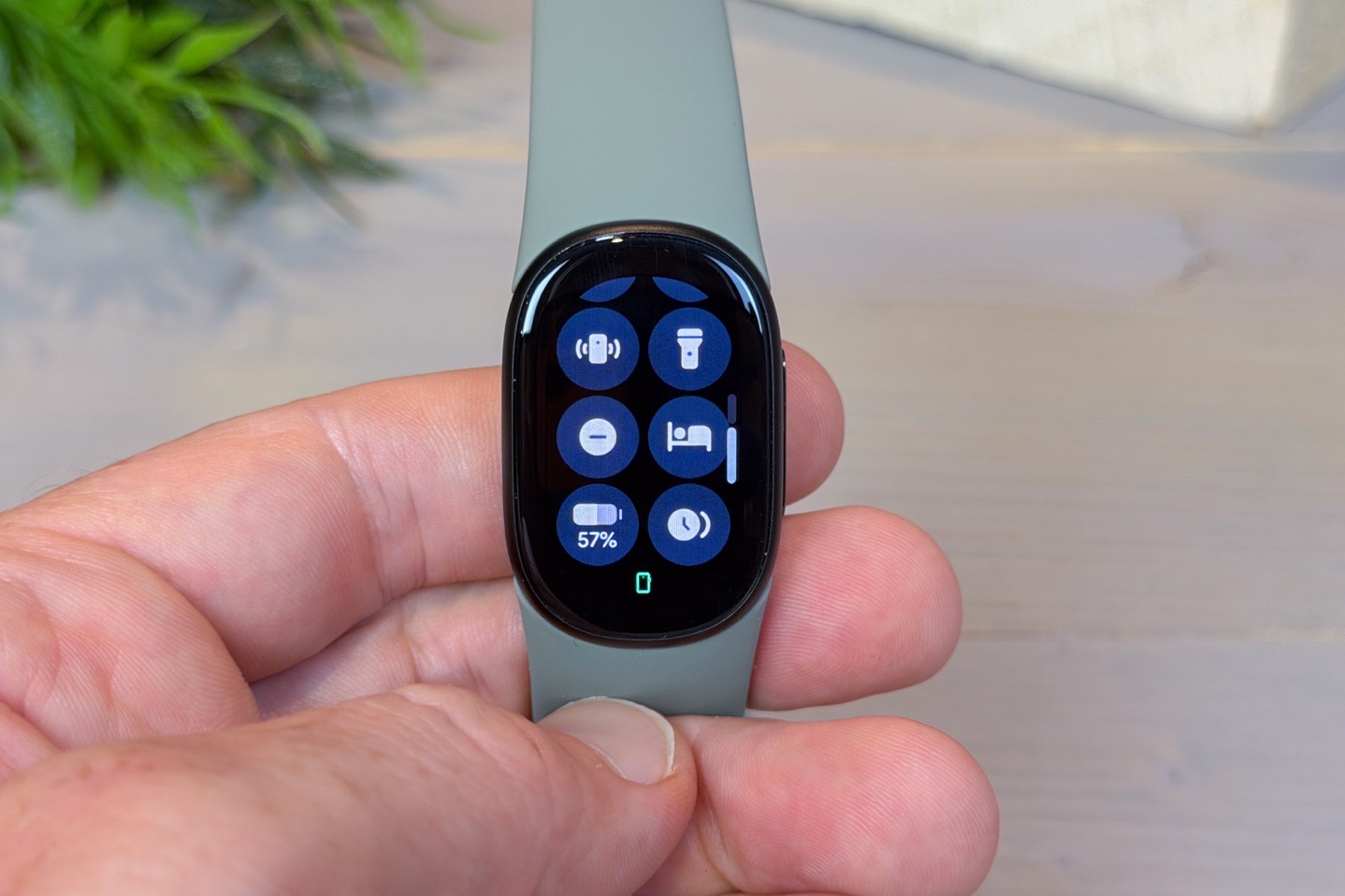
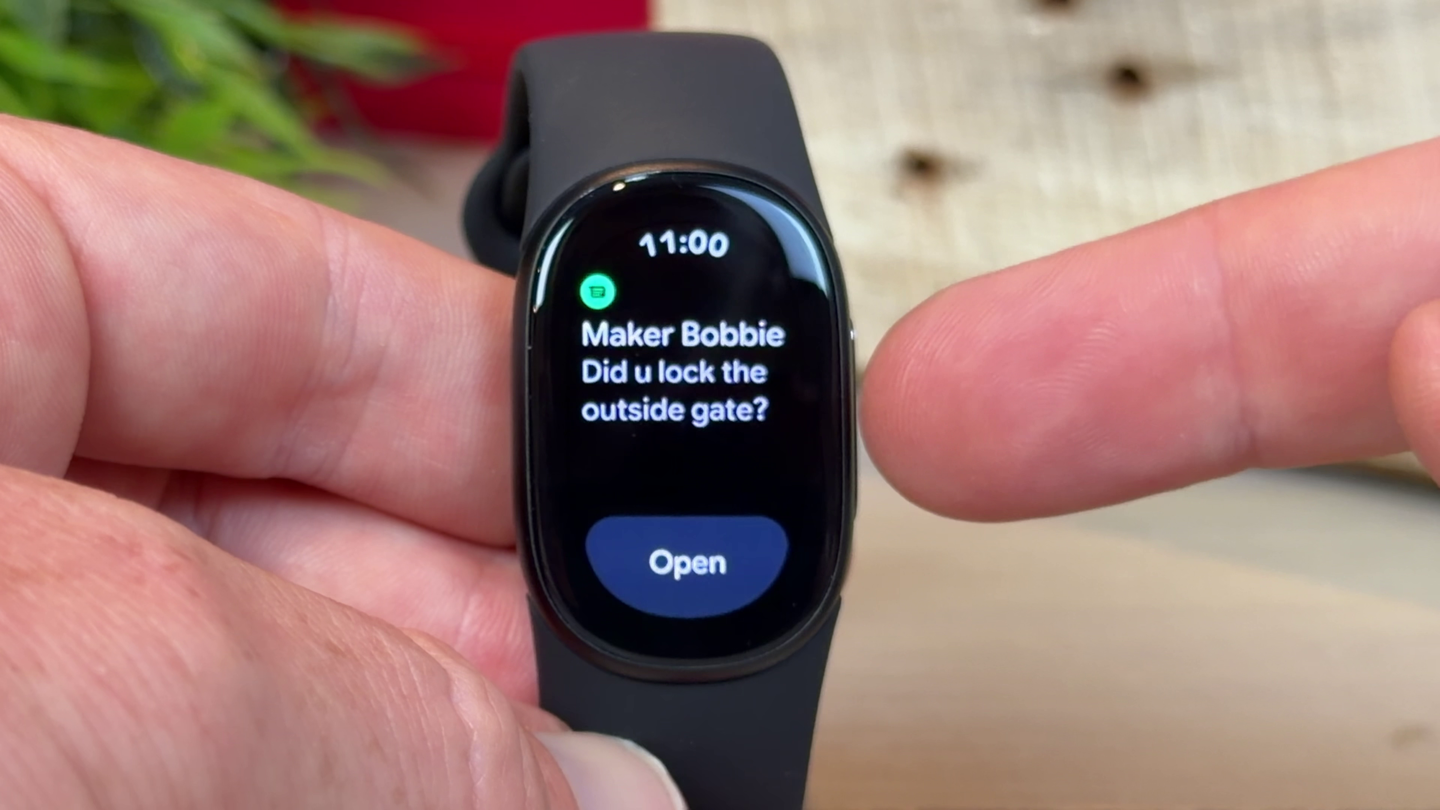
Interacting with the Fitbit Edge relies on a combination of the new physical side button and the responsive AMOLED touchscreen. Swiping vertically reveals core settings and controls, such as a flashlight, do-not-disturb modes, and heart rate broadcasting. Swiping horizontally navigates through the Focus Metrics panel, weather updates, timers, and media controls.
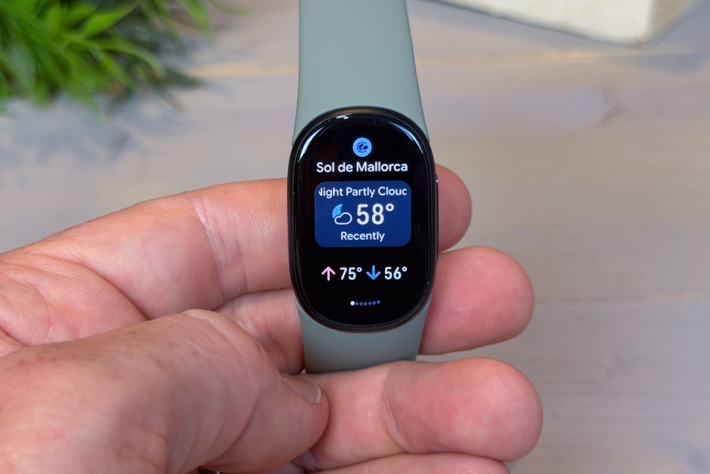
The device supports media playback control for connected smartphones but lacks onboard music storage. Smartphone notifications are mirrored dynamically, with Android users benefiting from quick-reply functionality.
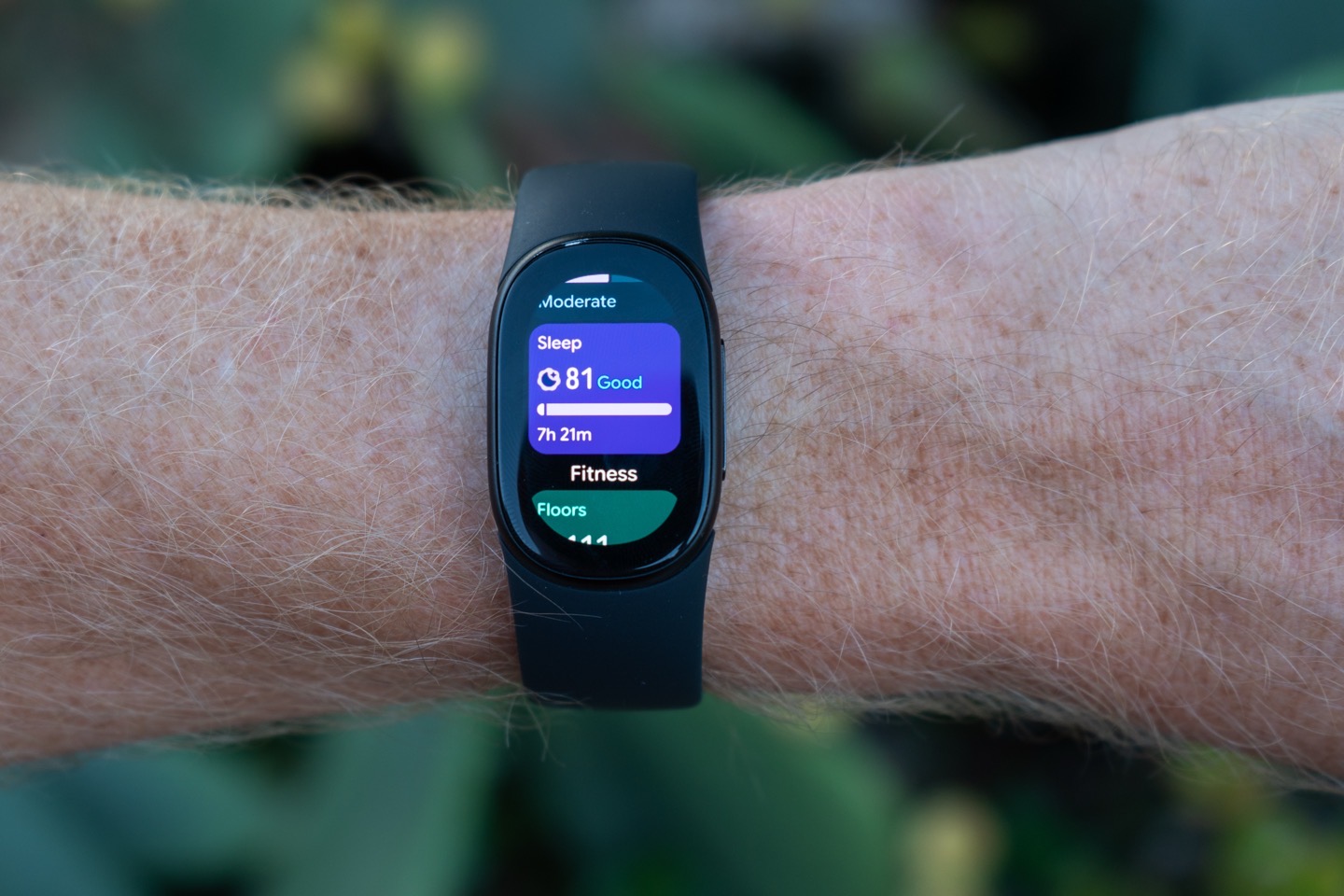
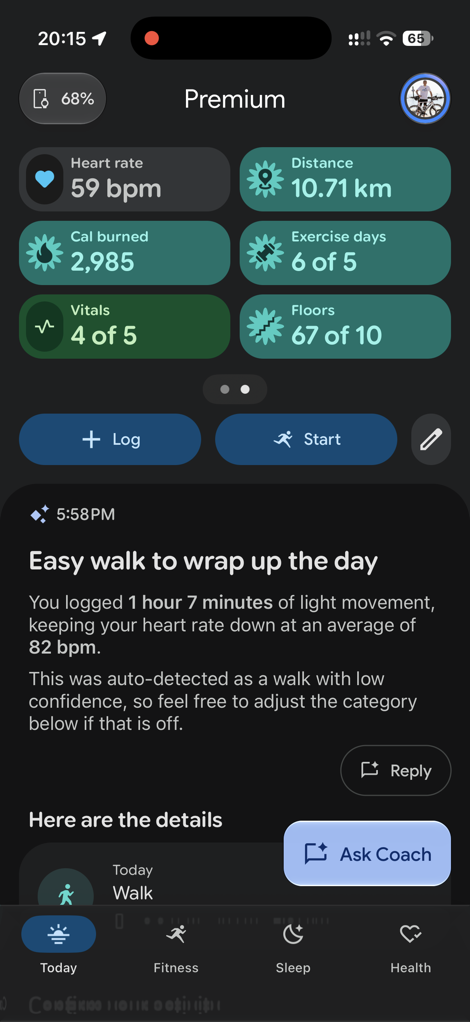
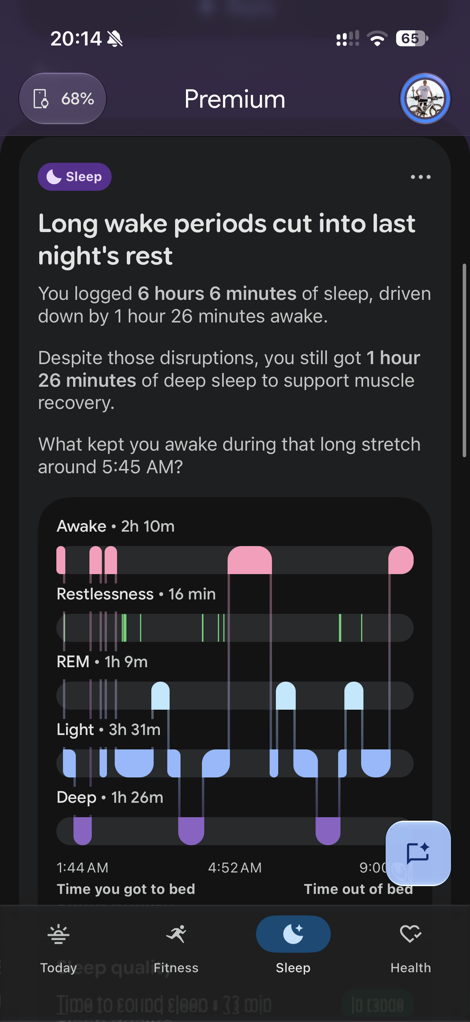
Sleep tracking functions continuously via optical and temperature sensors, providing comprehensive rest metrics within the newly designated Google Health application (succeeding the legacy Fitbit application platform). While raw data metrics such as sleep duration and timing demonstrate high accuracy, the user interface on the watch itself exhibits certain limitations. Users cannot tap individual metric summaries on the device screen to view granular data; inspecting detailed breakdowns requires navigating to the paired smartphone application.
Additionally, the device currently lacks an automated sleep mode toggle. Users must manually activate a bed icon on the watch each night to prevent the screen from illuminating upon contact with bedsheets or random wrist movements, and subsequently remember to deactivate the mode each morning to restore standard raise-to-wake functionality.

Accuracy and Performance in Athletic Testing
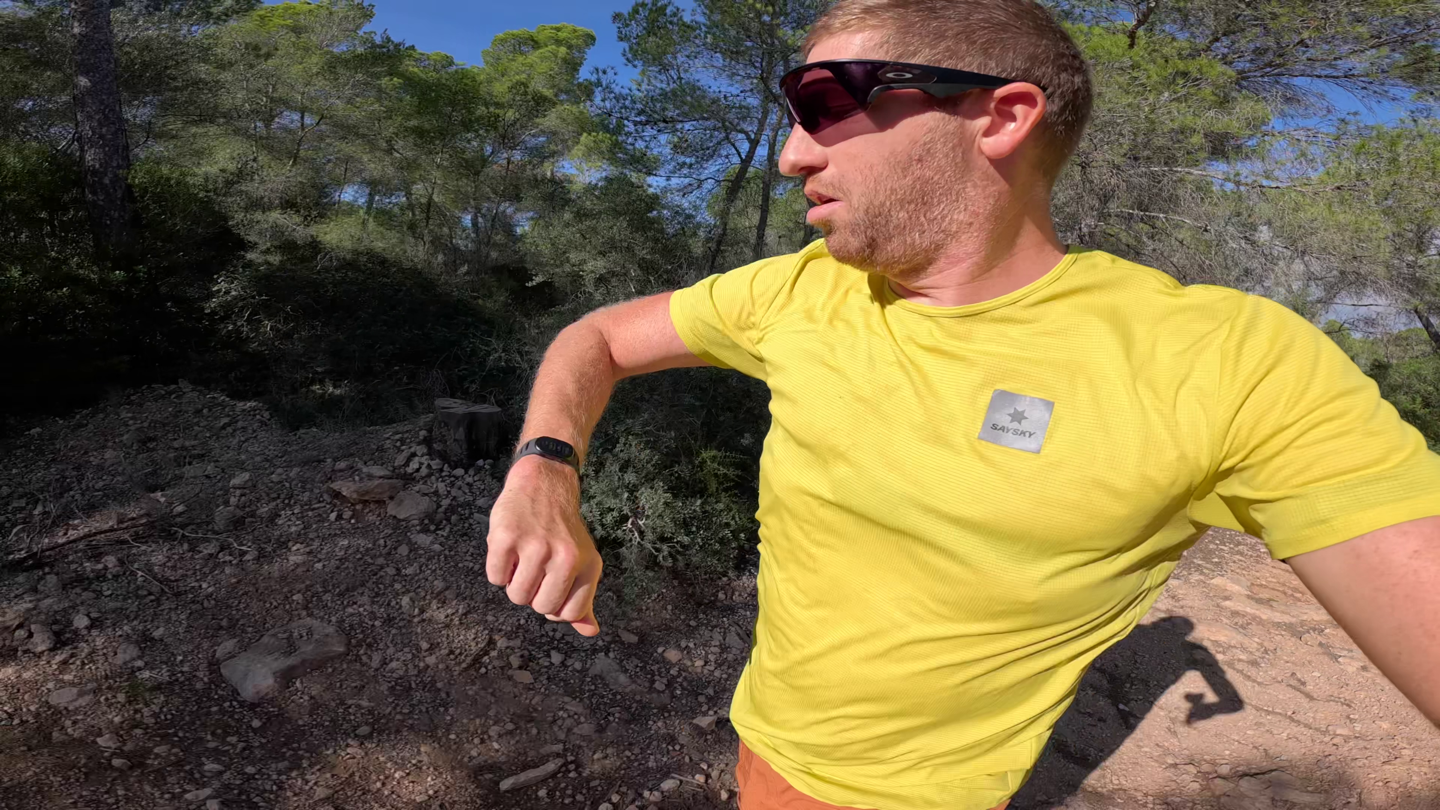
Field evaluations of the Fitbit Edge reveal a substantial performance leap over its predecessor, particularly regarding GPS reliability. Field tests conducted across mixed terrains—including pavement, gravel paths, and dense tree cover—demonstrate that the Edge’s built-in GPS successfully maintains signal lock and traces routes with a high degree of fidelity, comparing favorably against dedicated cycling computers and high-end multisport watches. Elevation data recorded via the integrated barometric altimeter similarly aligns closely with established topological baselines.

Heart rate monitoring presents a more nuanced performance profile. While the optical sensor accurately captures steady-state aerobic efforts during runs and extended rides, it occasionally exhibits latency during the initial phases of high-intensity intervals or rapid acceleration. Because the compact form factor of the Edge precludes the inclusion of the larger optical sensor array utilized in the Pixel Watch 5, the device relies on a smaller sensor module optimized for space efficiency rather than absolute clinical precision. Nevertheless, the heart rate data remains largely sufficient for general fitness tracking and cardio load calculations.
Cardio Load and Training Metrics
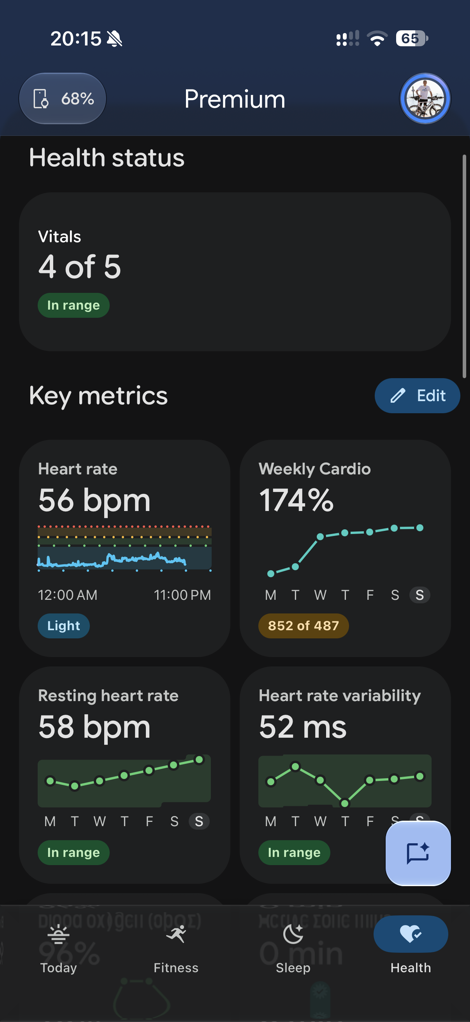
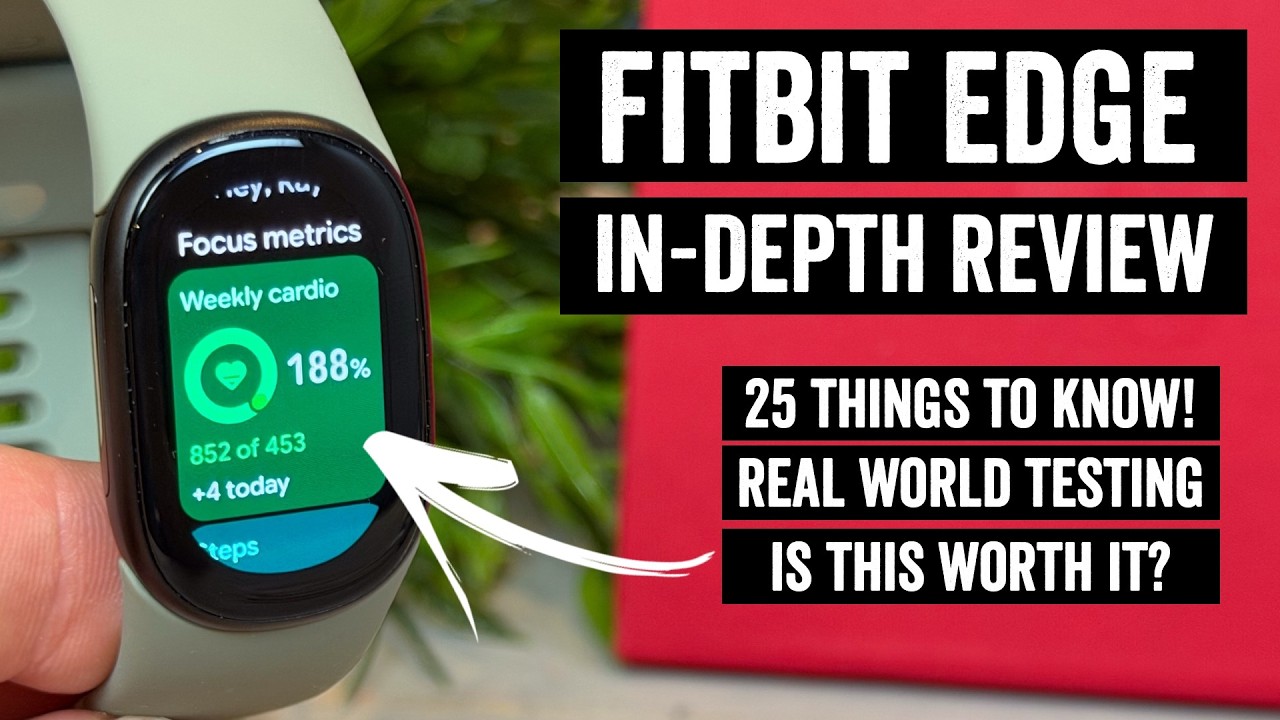
The Fitbit Edge introduces advanced training load analytics via the Cardio Load metric. This system quantifies training stress on a weekly basis, scaling dynamically in response to heart rate intensity and duration. Users can track their accumulated load directly on the device or review historical trends within the Google Health application.
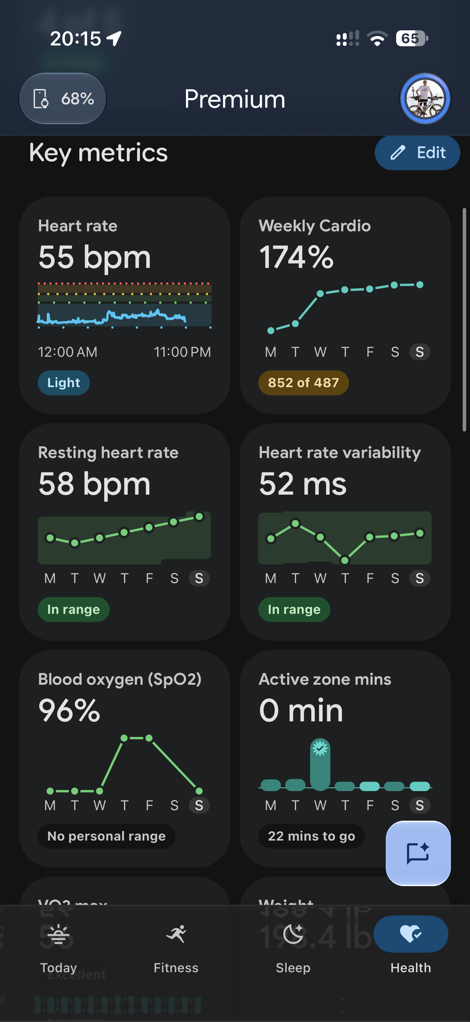
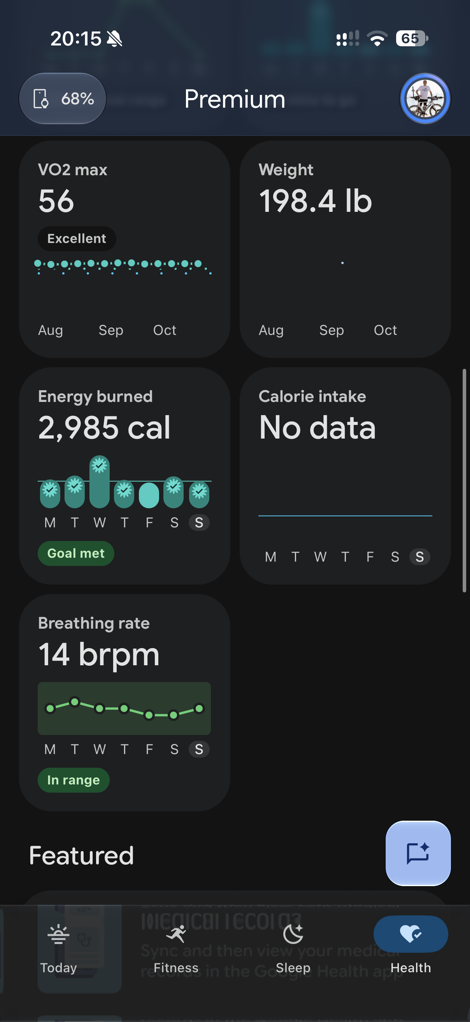
While core data metrics remain accessible without charge, advanced contextual analysis and AI-driven coaching insights require an active Google Health Premium subscription.
Market Positioning and Conclusions
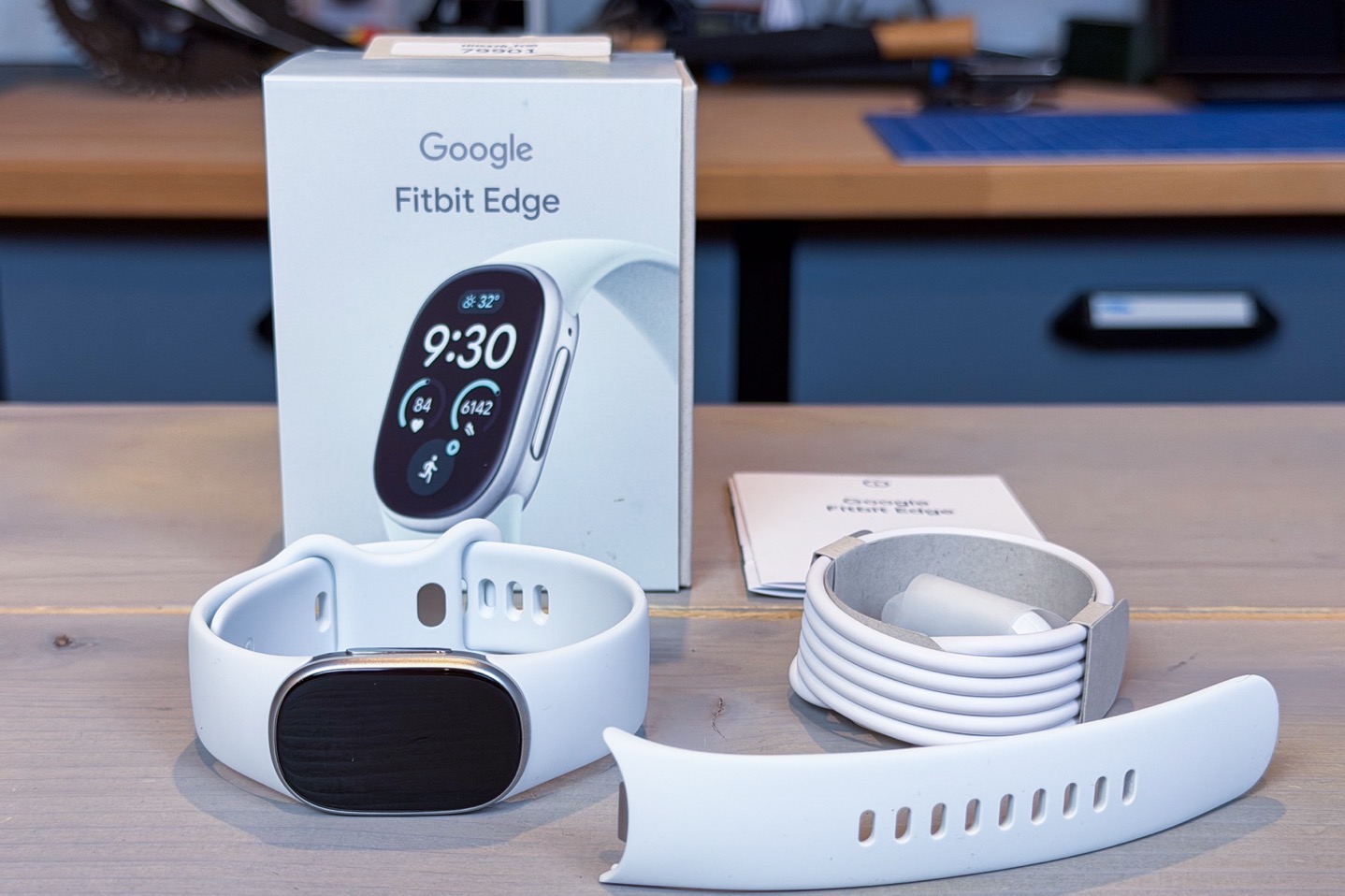
Priced at $179 for standard models—alongside a specialized $219 Stephen Curry edition featuring a recycled polyester band—the Fitbit Edge occupies a competitive space in the sub-$200 fitness tracker market.
The device successfully rectifies the foundational tracking compromises that plagued the Fitbit Charge 6, delivering vastly superior GPS capabilities, a larger and brighter AMOLED display, a functional physical button, and an innovative user-replaceable battery design.
At the same time, the software ecosystem exhibits signs of an accelerated release schedule, evidenced by minor navigation constraints, manual sleep mode requirements, and the absence of NFC capabilities. For mainstream consumers prioritizing wellness monitoring, automatic activity recognition, and a lightweight form factor, the Fitbit Edge provides a capable and versatile tracking solution, provided future firmware updates address remaining software polish concerns.