






The vast and tempestuous expanse of the North Pacific Ocean acts as a subterranean conveyor belt and an above-water transport highway, moving cargo, debris, and geological curiosities across thousands of miles. When massive container ships encounter fierce typhoons or rogue winter swells off the coast of Asia, heavy metal and plastic boxes frequently break free from their moorings, plunging into the abyss. If a freighter steaming out of Okinawa takes a heavy typhoon swell starboard and dumps a container full of Hot Wheels into the Pacific, there are roughly eleven billion beaches where those packages of miniature die-cast cars might eventually wash ashore.
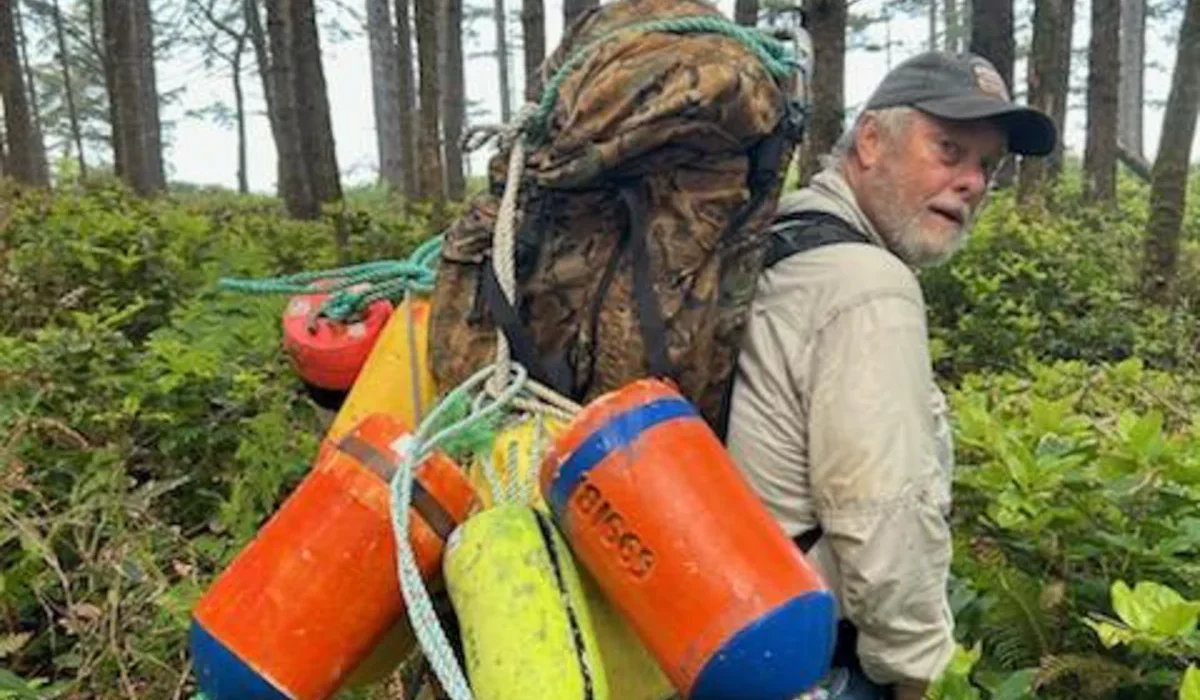
Ideally for John Anderson, a former plumber turned coastal archivist, at least a few of those diminutive vehicles will find their way to the wind-battered, driftwood-choked shores of Washington State’s Olympic Peninsula. For decades, Anderson has combed these remote, rugged stretches of coastline. If there is an interesting piece of beach detritus wedged securely beneath a bleached log of old-growth driftwood or hopelessly tangled in a rotting clump of bull kelp, Anderson is the man who will find it. This relentless dedication is not merely a hobby; after all, he has a museum to stock.
Located in Forks, Washington, the establishment is formally known as John’s Beachcombing Museum. The physical space was formerly his operating plumbing shop, but it has since been transformed into what is recognized as the country’s first dedicated beachcombing museum. Visitors who step inside without first noticing the charmingly hand-painted sign on the front door might momentarily believe they have walked into an eccentric antique store, a marine biology research outpost, or a surreal installation of modern art. Instead, they have entered a meticulously curated archive of maritime loss and environmental persistence.
Main Facts of the Coastal Archive
The museum houses thousands of items retrieved exclusively from the tide lines of the Pacific Northwest. The inventory ranges from the mundane to the bizarre, reflecting the diverse nature of global shipping trade and oceanographic currents. Among the exhibits are hundreds of neon-colored fishing floats made of glass and plastic, vintage Japanese sake bottles, bowling balls, running shoes that fell from cargo containers, plastic toy soldiers, and centuries-old beeswax chunks originating from Spanish galleons wrecked off the coast centuries ago.
Unlike conventional museums that acquire artifacts through formal archaeological digs or high-end auction houses, John’s Beachcombing Museum relies entirely on the unpredictable whims of ocean currents, jet streams, and storm surges. Every item on display tells a dual story: the history of its manufacture and human use, and the arduous, often violent journey it undertook across the world’s largest ocean.
The Olympic Peninsula is uniquely positioned to catch this debris. Geographically, the coastline acts as a giant catcher’s mitt for the Kuroshio Current, the North Pacific counterpart to the Gulf Stream. Debris originating from the coasts of Japan, the Korean Peninsula, Taiwan, and even shipping lanes further south is funneled directly toward the Washington coast. Consequently, local beachcombers function as citizen scientists and impromptu archivists, documenting the massive volume of refuse that continuously enters marine ecosystems.
Chronology of an Evolution: From Plumbing to Preservation
The transformation of John Anderson’s life from tradesman to museum curator did not happen overnight. It was a gradual evolution spanning decades of daily walks along some of the most isolated beaches in the continental United States.
During his years working as a local plumber on the Olympic Peninsula, Anderson found solace from the demanding physical labor by walking the shoreline during low tides. Initially, his excursions were casual. He sought out the usual coastal curiosities: unique pieces of sea glass, smooth agates, and unusual driftwood. However, as the volume of international maritime commerce expanded exponentially toward the end of the 20th century, the nature of what washed ashore began to shift dramatically.
By the early 2000s, Anderson’s garage and home had become overwhelmed by his growing collection of flotsam and jetsam. Stacks of plastic crates, rows of weathered glass fishing floats, and bins filled with strange industrial artifacts began to spill out of domestic spaces. Recognizing that his collection had outgrown private storage, Anderson made the pivotal decision to convert his active plumbing shop into a public exhibition space.
The transition required months of structural renovation, though Anderson intentionally maintained the rustic, unpretentious aesthetic of the original building. Shelves were constructed from salvaged timber, and display cases were improvised to accommodate irregularly shaped objects. By the mid-2010s, the doors officially opened to the public, offering tourists, marine researchers, and local residents a centralized location to view the physical reality of ocean pollution and maritime trade loss.
Supporting Data on Pacific Marine Debris
The existence of John’s Beachcombing Museum provides a tangible window into broader statistical realities regarding oceanic shipping and marine debris. According to data compiled by the World Shipping Council, an international trade association representing the liner shipping industry, an average of 1,382 containers were lost at sea each year between 2008 and 2022. While modern safety protocols and improved vessel designs have reduced catastrophic losses in recent years, single major storm events can still result in the loss of hundreds of containers in a matter of hours.
When these containers breach, their contents disperse across vast marine environments. Items constructed from high-density polyethylene, polypropylene, and various synthetic rubbers do not readily biodegrade. Instead, wave action and ultraviolet solar radiation break these materials down into smaller microplastics, while heavier or more buoyant items remain intact and drift for thousands of nautical miles.
Oceanographic models utilized by agencies such as the National Oceanic and Atmospheric Administration (NOAA) Marine Debris Program demonstrate that objects lost in the western Pacific can take anywhere from eighteen months to three years to traverse the basin and make landfall on the Pacific Northwest coast. The items found by Anderson and displayed in his museum serve as physical proof of these complex hydrological pathways, acting as real-time indicators of industrial loss at sea.
Official Responses and Environmental Perspectives
While the exhibits within John’s Beachcombing Museum evoke a sense of whimsy and wonder—particularly for visitors examining colorful collections of vintage toys or intricately weathered buoys—environmental scientists and regulatory bodies view the broader phenomenon with sober concern.
Local and federal environmental agencies have long recognized the Olympic Peninsula as a critical frontline for marine debris monitoring. Organizations such as the Olympic Coast National Marine Sanctuary coordinate regular beach cleanups, often collaborating with dedicated local beachcombers like Anderson to track the types of commercial and domestic trash arriving on American shores.
"The items washing ashore on the Olympic Peninsula are a stark physical reminder of our globalized economy and the vulnerability of maritime transport," explains Dr. Marcus Vance, a marine ecologist specializing in North Pacific current dynamics. "While museums like John’s offer an engaging, accessible entry point for the public, they also inadvertently document the scale of industrial waste entering our oceans. Every lost container represents not just economic loss for the shipping company, but a persistent foreign object introduced into sensitive marine habitats."
At the same time, conservation advocates acknowledge the invaluable role that independent beachcombers play in early detection. Because government agencies lack the resources to continuously monitor every mile of Washington’s rugged, roadless coast, individuals who walk the tide lines daily act as informal monitors, cataloging unusual influxes of specific cargo items long before they are officially reported by commercial shipping lines.
Broader Impact and Implications for the Future
As international shipping volumes continue to grow to meet global consumer demand, the volume of goods transiting the Pacific Ocean will remain high. Consequently, maritime incidents resulting in lost cargo will continue to supply the tides of the Olympic Peninsula with an endless stream of unexpected artifacts.
John’s Beachcombing Museum stands at the intersection of popular culture, environmental education, and historical preservation. By transforming industrial waste and lost consumer goods into a cohesive public exhibit, the museum challenges visitors to reconsider their relationship with mass-produced commodities and the vast, interconnected water systems that sustain the planet.
For John Anderson, the work remains as urgent and compelling as it was on his very first walk along the shore. The tides change twice a day, storms continue to churn the open ocean, and container ships press onward through treacherous northern swells. Whether the next high tide deposits a shipment of plastic toys, historical ship timbers, or ordinary household goods, the nation’s first beachcombing museum stands ready to receive them, ensuring that the secret journeys of the Pacific are safely preserved for generations to come.