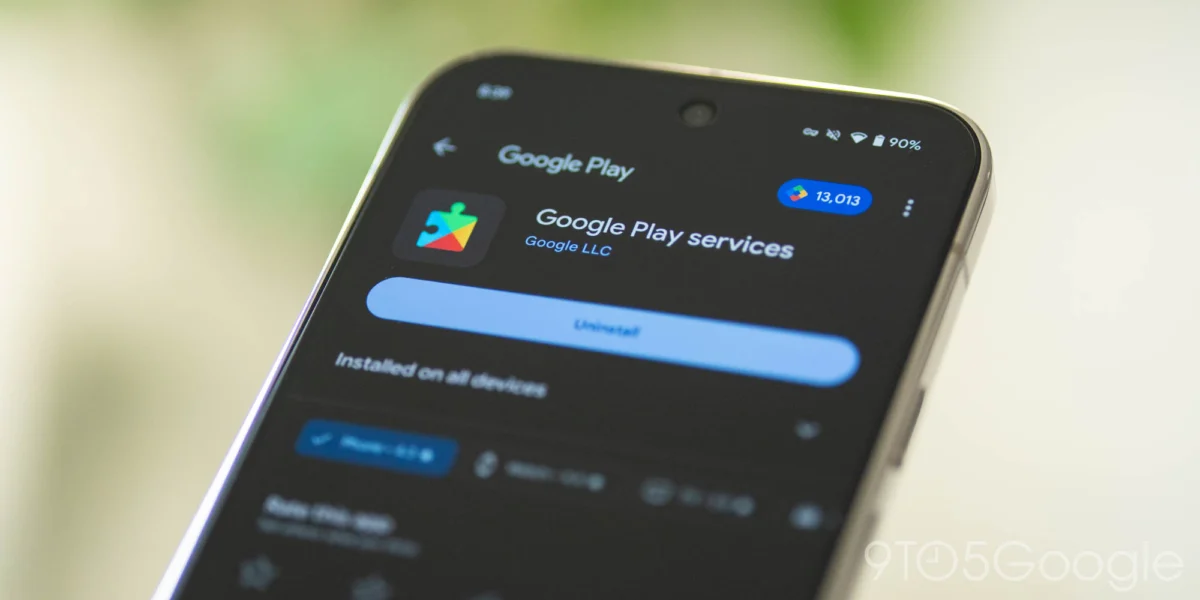
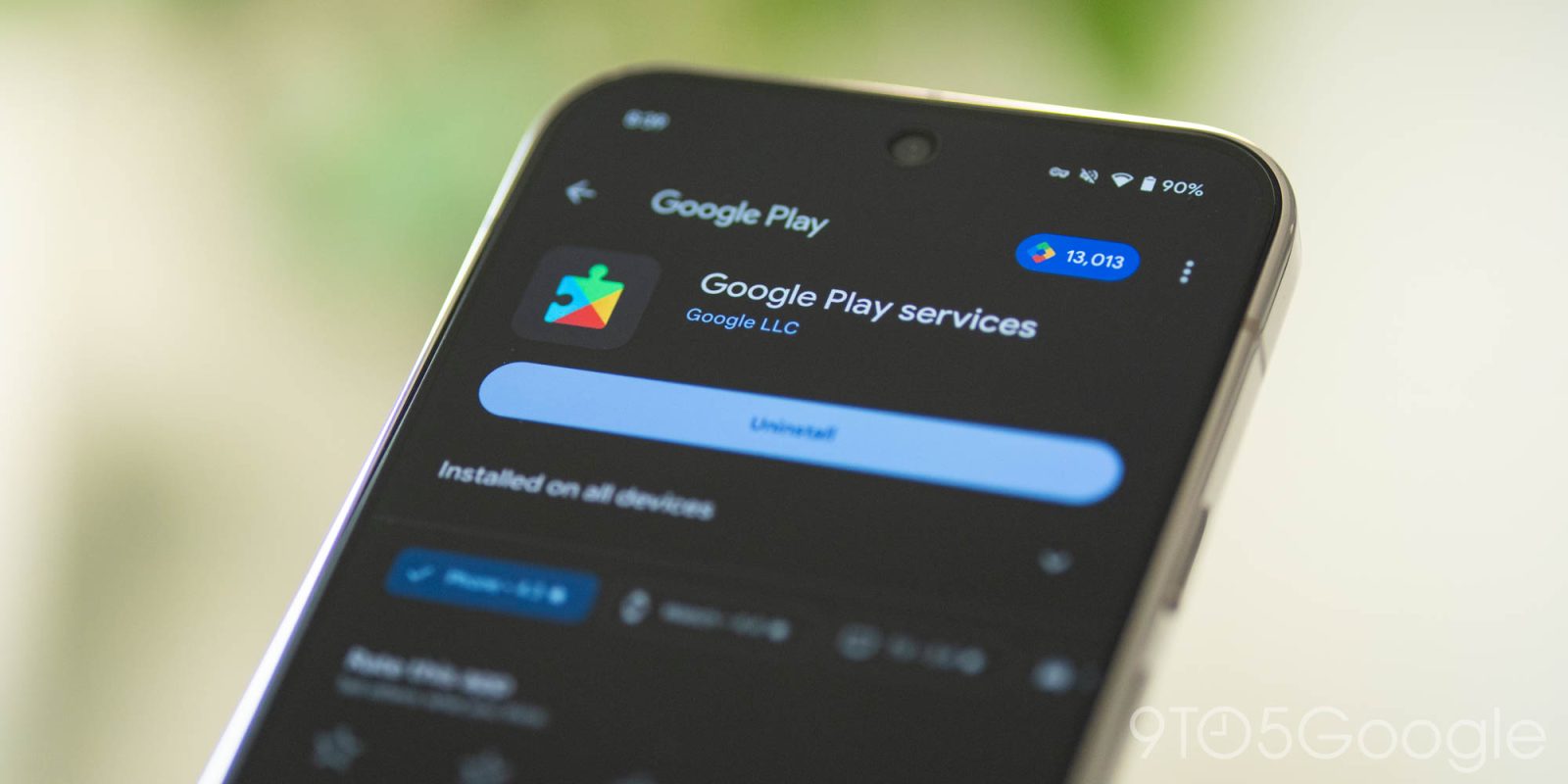
This month’s documentation highlights a systematic cadence of updates spanning from early October through late October 2026. These updates, ranging from version v26.39 to v26.42 for Play Services and v53.5 to v53.8 for the Play Store, demonstrate Google’s commitment to maintaining a modular and responsive software environment. While many of these changes are backend-focused and intended for developers, they collectively contribute to the stability, security, and interoperability that define the modern Android experience.
The Mechanism of Google System Updates
Understanding why these updates are essential requires a look at the history of the Android platform. Historically, Android was plagued by fragmentation, where core updates were dependent on hardware manufacturers and carriers, leading to delays in security patches and feature rollouts. The introduction of Project Mainline, which facilitates these Google System Updates, revolutionized the ecosystem. By modularizing core components of the OS, Google can push updates to critical system services—such as Private Compute Services, Android WebView, and various connectivity modules—via the Google Play Store infrastructure.
This approach significantly mitigates the risk of security vulnerabilities and allows for rapid feature deployment. For the end user, this means that even if a device is no longer receiving major Android OS version upgrades, it can still benefit from the latest security improvements and service optimizations for years to come. The "Google System" encompasses a robust suite of first-party apps and services, including but not limited to the Play Store, Play Services, and Android System Intelligence, which are updated independently of the device’s kernel or manufacturer-specific skin.
Chronology of October 2026 Updates
The October update cycle began on October 1, 2026, with refinements to Android System Intelligence (version B.29 / C.7). This module is crucial for on-device machine learning capabilities, powering features such as Live Caption, Smart Reply, and various context-aware suggestions. By decoupling these intelligent features from the main system, Google ensures that users can benefit from improvements in AI-driven utility without needing to wait for a manufacturer-pushed firmware update.
Following the initial October 1 release, the cycle continued with:
- October 5, 2026: Google released Google Play services v26.39 and Play Store v53.5. These updates focused on broad improvements to Account Management, Developer Services, and Security & Privacy.
- October 7, 2026: Android WebView v156 was pushed to users, ensuring that web-based content rendering across all third-party applications remains secure and performant. WebView is perhaps the most critical component for maintaining web security, as it acts as the bridge between web content and the Android application environment.
- October 12, 2026: Further refinements followed with Play Services v26.40 and Play Store v53.6. These updates prioritized enhancements in Device Connectivity, System Management, and the Google Wallet framework.
- October 19, 2026: The mid-month release saw Google Play services v26.41 and Play Store v53.7, which continued to harden Security & Privacy protocols and optimize the Wallet interface for contactless payments and digital credentials.
- October 22, 2026: Android WebView v157 was deployed, providing further patches and performance tweaks.
- October 26, 2026: The month concluded with the release of Private Compute Services B.31 / C.9, Google Play services v26.42, and Play Store v53.8. These final iterations of the month solidified the security posture of the platform.
Analyzing the Impact of Infrastructure Updates
The October 2026 releases reflect a broader trend in mobile computing: the move toward invisible, continuous improvement. When Google updates the Play Store to version 53.8, it isn’t merely changing the interface; it is often optimizing the algorithms that govern app discovery, delivery, and installation, which reduces data usage and improves installation speed.
Furthermore, the updates to "Device Connectivity" are particularly noteworthy in the context of the growing Internet of Things (IoT) landscape. As Android devices are increasingly used as hubs for smart home devices, automotive interfaces (Android Auto), and wearable technology (Wear OS), the underlying connectivity stack must be robust enough to handle low-latency, high-security data handshakes. The iterative improvements seen in the October logs suggest that Google is aggressively working to minimize connection drops and enhance the seamlessness of device handoffs, such as transferring media between a phone and a smart speaker or vehicle.
Security and Privacy: The Silent Guardians
The inclusion of Private Compute Services (PCS) in the update cycle underscores Google’s emphasis on user privacy. PCS is a dedicated, sandboxed environment that allows for machine learning and sensitive processing to occur on-device without exposing data to the cloud. By periodically updating the PCS framework, Google ensures that it can adapt to new privacy threats and implement stricter data isolation protocols as mobile hardware capabilities evolve.
For the average user, these updates are largely transparent. Unlike an OS update that might change the visual interface or introduce new menus, these system-level patches often work in the background to ensure that apps don’t crash, that location services are accurate, and that battery life remains optimized. The fact that many of these features are "experimental and available to certain users" indicates that Google is using A/B testing to refine features at scale, ensuring that any performance regressions are identified and corrected before a full global rollout.

User Guidance and Maintenance
To verify that a device is running the latest updates, users can navigate to the Settings app on their device. On Google Pixel and many other Android devices, this is found by tapping on the user’s name or the "Google" section, then navigating to "All services," then "Privacy & security," and finally "System services." It is important to note that the presence of a version number in these release notes does not guarantee immediate availability. Google employs a staged rollout strategy to ensure system stability, meaning some users may receive these updates days or even weeks apart.
Broader Implications for the Android Ecosystem
The implications of this update strategy are profound for the longevity of hardware. By shifting the burden of maintenance from hardware vendors to the Google Play framework, the industry has effectively extended the "useful life" of the average smartphone. In 2026, a device that is four or five years old is still capable of running modern applications with high security, thanks to these granular updates. This reduces electronic waste and increases the value proposition for consumers who do not feel compelled to purchase new hardware every two years.
Moreover, developers benefit significantly from these consistent updates. By knowing that the vast majority of their target audience is running a relatively recent version of Play Services, developers can rely on modern APIs and security standards, leading to a more consistent app ecosystem. This uniformity is a key competitive advantage for Android as it seeks to maintain its dominance in the global mobile market.
As we look toward the future of the Android platform, it is clear that the "Google System" will continue to evolve as the primary delivery vehicle for innovation. Whether through enhancements in artificial intelligence, improvements in cross-device connectivity, or the constant battle to secure user data, these monthly release notes act as the heartbeat of the ecosystem, ensuring that billions of devices remain secure, functional, and capable of adapting to the rapid pace of technological change. The October 2026 cycle serves as a definitive testament to this infrastructure’s reliability and its vital role in the modern digital landscape.