











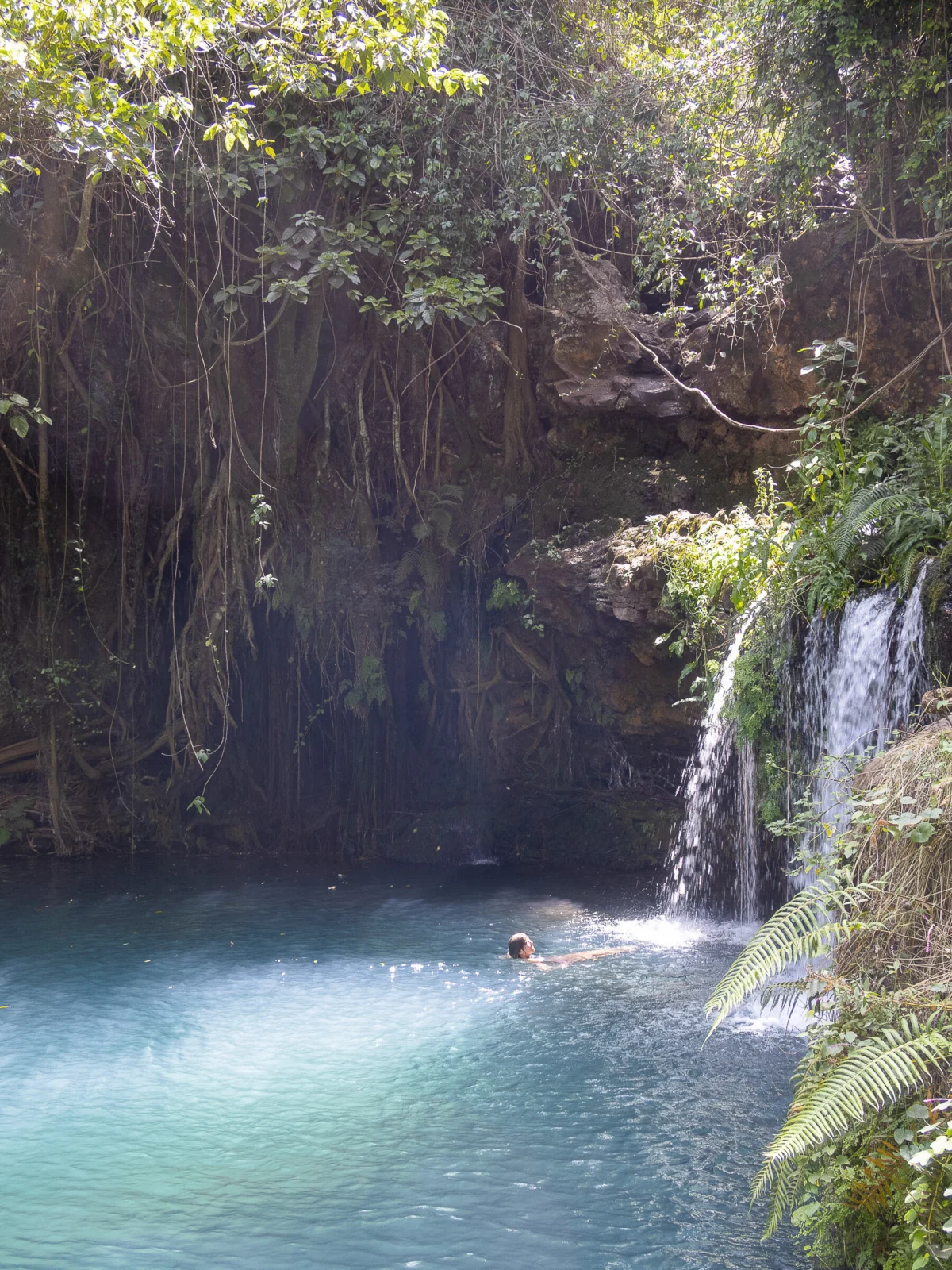
The allure of a self-guided safari through Kenya, a nation synonymous with unparalleled wildlife encounters and breathtaking landscapes, presents a unique proposition for family bonding. While promising intimate connections with nature, such ventures, as evidenced by a recent experience in the Lolldaiga Hills Conservancy, underscore the inherent unpredictability and potential risks involved when navigating Africa’s wild expanses independently.
Early Morning Scare in Lolldaiga Hills
The early hours of the morning, typically a period of deep slumber, were shattered by a primal sound that sent a jolt of adrenaline through the author. Waking at 2 a.m. with a pressing need to relieve herself, the author’s initial attempt to gauge the surrounding environment was met with a tense silence, broken only by the soft snores of her seven-year-old daughter. The relief of an apparent absence of large predators quickly evaporated upon remembering an unnerving rumble heard earlier that evening, shortly after the family had settled into their rooftop tent atop a rented 4×4 vehicle.
This sound, dismissed by her husband Rob as a "motorcycle" in an apparent attempt to quell the children’s anxieties, was unequivocally identified by the author’s instincts as the deep, resonant growl of a lion. The realization that they were positioned alone within the vast, forty-nine-thousand-acre Lolldaiga Hills Conservancy, a significant wildlife reserve in northern Kenya, and miles from any established lodge or ranger presence, amplified the sense of vulnerability. The statement, "And definitely no," which abruptly ends the initial narrative, implies a missing element of safety or support that is crucial in such an environment.
The Allure and Risks of DIY Safaris
The concept of a "DIY safari" involves travelers independently planning and executing their wildlife viewing expeditions, often opting for self-drive vehicles and accommodations like campsites or lodges booked directly. This approach appeals to those seeking greater flexibility, cost-effectiveness, and a more immersive experience than that offered by guided tours. Kenya, with its well-developed infrastructure for tourism and abundance of national parks and conservancies, is a popular destination for such adventures.
However, the inherent risks associated with wildlife encounters cannot be overstated. Unlike guided safaris where experienced rangers possess the knowledge to interpret animal behavior, navigate terrain safely, and manage potential threats, independent travelers may lack this critical expertise. The Lolldaiga Hills Conservancy, while a haven for diverse wildlife including lions, elephants, giraffes, zebras, and numerous antelope species, is a wild ecosystem where animals roam freely. Encounters, especially at night, demand a profound respect for the natural order and an understanding of predator-prey dynamics.
Context of Lolldaiga Hills Conservancy
Located in the Laikipia region of Kenya, the Lolldaiga Hills Conservancy is a private wildlife conservancy established to protect and manage its rich biodiversity. It is renowned for its commitment to conservation, community engagement, and offering authentic safari experiences. The conservancy is home to a significant population of elephants and is also a crucial habitat for endangered species such as the Grévy’s zebra and the wild dog.
The decision to camp within such a conservancy, particularly in a remote section, highlights a commitment to experiencing the wilderness at its most raw. However, it also necessitates a heightened awareness of safety protocols. The presence of lions, apex predators that are most active during dawn and dusk and often at night, means that any campsite, even those seemingly secure, carries an inherent risk. The sound of a lion close to a tented camp is not an anomaly but a stark reminder of the wild’s pervasive presence.
Family Dynamics and Parental Instincts
The author’s narrative vividly illustrates the dual nature of parental responsibility in the wild. On one hand, there is the desire to provide children with enriching, educational, and unforgettable experiences. On the other, there is the profound instinct to protect them from harm. The author’s immediate reaction to the lion’s rumble, contrasted with her husband’s seemingly nonchalant response, points to the different ways individuals process fear and assess risk, particularly when children’s safety is at stake.
The eleven-year-old son’s question, "What was that?" reflects a child’s natural curiosity mixed with apprehension. The author’s internal monologue – "Because every cell in my body knew without a doubt that it was a lion—and it was close"—underscores the heightened senses and intuitive awareness that can emerge in moments of perceived danger. This emotional response, while relatable, also serves as a critical reminder of the need for preparedness and informed decision-making when embarking on such adventures.
The Importance of Preparedness and Professional Guidance
The incident, though only partially detailed, implicitly highlights the critical importance of thorough preparation for any safari, especially a DIY one. This includes:
- Understanding the Environment: Researching the specific conservancy or park, its wildlife, typical animal behaviors, and any known safety concerns.
- Appropriate Accommodation: Opting for secure tenting facilities or lodges designed to mitigate wildlife encounters, especially during nighttime. Rooftop tents, while offering a raised vantage point, do not provide a physical barrier against determined predators.
- Emergency Preparedness: Carrying communication devices, a comprehensive first-aid kit, and knowing emergency contact procedures for the area.
- Vehicle Suitability: Ensuring the rented vehicle is robust and suitable for the terrain, equipped with necessary tools for self-sufficiency.
- Knowledge of Wildlife Protocols: Understanding how to react to different animal encounters, maintaining safe distances, and avoiding actions that could provoke or attract wildlife.
The abrupt ending of the provided text suggests that the narrative is leading to a discussion of how the family managed this potentially dangerous situation and what lessons were learned. It is logical to infer that the author and her family likely employed strategies to ensure their safety, possibly involving remaining within the vehicle, utilizing its perceived security, or perhaps seeking assistance from park authorities if any communication channels were available.
Broader Implications for Wildlife Tourism
This anecdotal account, while personal, resonates with broader discussions surrounding responsible wildlife tourism. The increasing popularity of self-guided travel, while democratizing access to natural wonders, also places a greater onus on the traveler to be informed and responsible. Wildlife conservancies and national parks often implement strict guidelines for visitor conduct to protect both humans and animals. Adherence to these regulations is paramount.
The economic benefits of tourism in countries like Kenya are substantial, contributing significantly to conservation efforts and local economies. However, incidents that compromise visitor safety can have detrimental effects on the tourism industry and, consequently, on conservation funding. Therefore, a balance must be struck between enabling adventurous travel and ensuring that all visitors are adequately prepared and informed about the risks and responsibilities inherent in exploring wild environments.
The experience in Lolldaiga Hills serves as a compelling case study, illustrating that while the dream of a personal safari adventure can be profoundly rewarding, it demands a rigorous commitment to safety, preparation, and a deep respect for the untamed power of nature. The story, it can be inferred, will likely delve into the resolution of the immediate nocturnal threat and offer valuable insights into navigating the thrilling, yet potentially perilous, world of African wildlife safaris.