While the modern world increasingly seeks solace in the serene whispers of white noise or the calming embrace of natural soundscapes, a unique digital artifact has emerged, catering to a distinct and perhaps unexpected form of auditory comfort: the cacophony of vintage Call of Duty multiplayer lobbies. Mike Wing, an app developer known for his unconventional digital creations, has tapped into a potent vein of gaming nostalgia, launching "Call of Duty Ambience" on AppDrop. This novel application provides a looping sound experience of unmoderated voice chats from the franchise’s most iconic titles, offering a bizarre yet compelling auditory backdrop for those who find tranquility, or at least a sense of bygone familiarity, in the digital shouting matches of yesteryear.
The Genesis of a Niche: Reimagining Relaxation Through Gaming Nostalgia
Mike Wing, whose portfolio includes other quirky, retro-inspired applications such as "Steam Sale Simulator" and "Xbox 360 Messenger," has cultivated a reputation for crafting experiences that resonate deeply with specific corners of digital culture. His latest offering, "Call of Duty Ambience," is no exception, squarely targeting the demographic that fondly remembers the early days of online console gaming. The app’s description, "Most people fall asleep to white noise… I fall asleep to grown men arguing in CoD lobbies," encapsulates its provocative premise. It presents a stark contrast to conventional ASMR (Autonomous Sensory Meridian Response) triggers, which typically involve gentle sounds like whispering, tapping, or rustling. Instead, Wing posits that the chaotic, unscripted vocalizations of a bygone gaming era can serve a similar, albeit highly individualized, purpose for relaxation or simply a unique form of background noise.
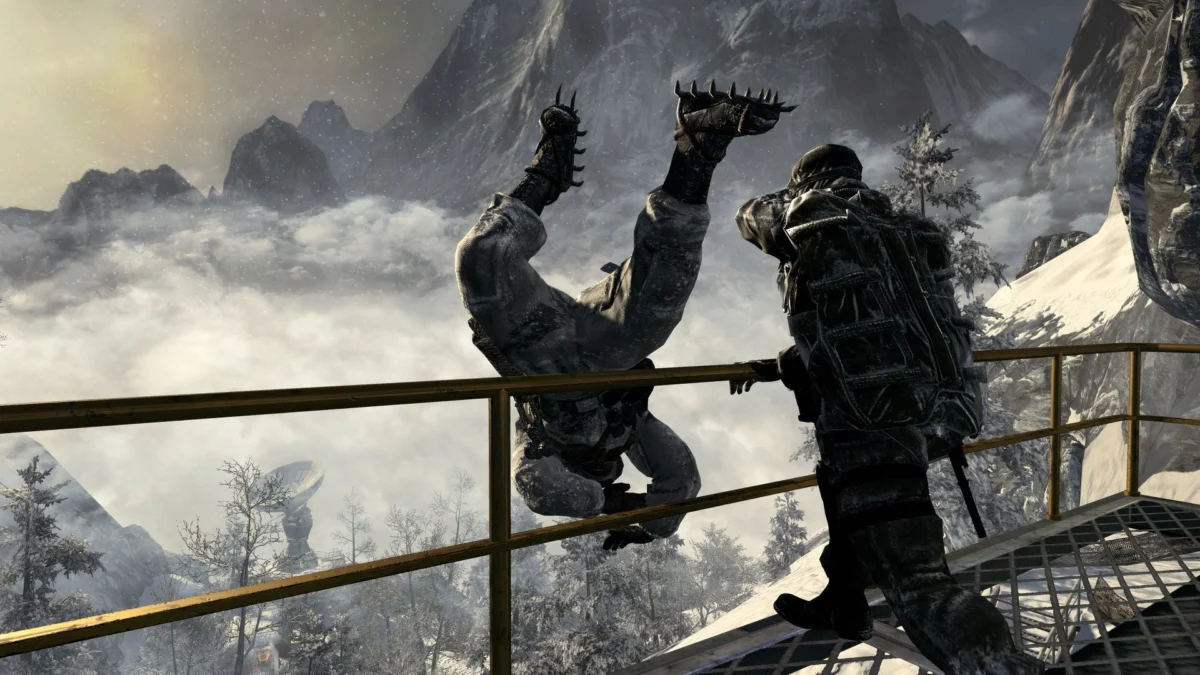
The application itself is meticulously designed to evoke the specific aesthetic of the Xbox 360 era, featuring a dashboard interface that faithfully mimics the console’s iconic blade system. Navigating this virtual dashboard, complete with authentic sound effects, allows users to select from a curated library of voice chat recordings spanning Call of Duty: Black Ops, Black Ops 2, and Modern Warfare 2. These titles are universally celebrated by a significant portion of the Call of Duty fanbase as representing the pinnacle of the series’ multiplayer design and community interaction. While the dashboard offers clickable elements, only the ‘back’ button currently functions, reinforcing the app’s singular focus on delivering the auditory experience. The recordings themselves are a raw, unfiltered journey into the past, characterized by a vibrant mix of colorful insults, often problematic slurs, peculiar anecdotes, and the ubiquitous background hum of poorly calibrated microphones – elements that, while potentially jarring or offensive to younger generations accustomed to more curated online environments, possess a strangely potent nostalgic quality for many veteran players.
The Golden Age of Call of Duty: A Deep Dive into Persistent Lobbies
To fully appreciate the cultural resonance of "Call of Duty Ambience," one must understand the unique ecosystem of online multiplayer gaming during the late 2000s and early 2010s, particularly within the Call of Duty franchise. The games highlighted in Wing’s app – Modern Warfare 2 (2009), Black Ops (2010), and Black Ops 2 (2012) – are often cited as the "golden era" of Call of Duty. During this period, the franchise dominated the console gaming landscape, setting benchmarks for fast-paced, addictive first-person shooter action and robust online multiplayer systems.
A defining characteristic of these titles, and indeed many online games of that era, was the concept of "persistent lobbies." Unlike today’s prevalent system where lobbies are disbanded after each match, forcing players into new groups for subsequent games, persistent lobbies allowed groups of players to remain together across multiple matches. This seemingly minor difference had a profound impact on the social dynamics and community building within the game. Players would develop temporary, often intense, rivalries or alliances. The same opponents would be faced repeatedly, leading to grudges, call-outs, and even grudging respect. Friendships were forged through shared victories and defeats, and unique inside jokes or running gags would develop within a persistent group.
The voice chat, often unmoderated or minimally policed, became the primary channel for these interactions. It was a raw, unfiltered space where emotions ran high, strategies were debated (or screamed), and trash talk flowed freely. The "cacophony" described by Wing was not just background noise; it was the very fabric of the online social experience. From the high-pitched squeals of excited teenagers to the booming expletives of frustrated adults, coupled with the sounds of static, barking dogs, and distant parental calls bleeding through open mics, these lobbies were a vibrant, if chaotic, digital melting pot. This environment fostered a sense of belonging and community that many veteran players argue has been largely lost in contemporary online gaming.
The Evolution of Online Social Spaces: From Chaos to Control
The transition away from persistent lobbies was a gradual process, driven by several factors as the online gaming landscape matured. One primary reason was the increasing sophistication of matchmaking algorithms, particularly the rise of Skill-Based Matchmaking (SBMM). Developers prioritized creating balanced matches quickly, often at the expense of social continuity. Disbanding lobbies after each game allowed the matchmaking system to re-evaluate player skills and create new, optimally balanced teams, reducing wait times and theoretically enhancing fairness.
Furthermore, the escalating issues of online toxicity and harassment played a significant role. The unmoderated nature of early CoD lobbies, while fostering organic interaction, also became a breeding ground for hate speech, cyberbullying, and general unpleasantness. As gaming became more mainstream and accessible to a wider, more diverse audience, the demand for safer, more inclusive online environments grew. Developers and platform holders began to implement stricter content moderation policies, reporting systems, and eventually, game design choices that aimed to mitigate direct, prolonged exposure to toxic players, such as the dissolution of lobbies.
While these changes have undoubtedly made online gaming more accessible and less hostile for many, they have also inadvertently diminished the organic, emergent social interactions that characterized the persistent lobbies. The feeling of "knowing" your opponents, developing a reputation within a specific group, or engaging in long-form rivalries has been largely replaced by a more transient, anonymous experience. This shift is precisely what "Call of Duty Ambience" seeks to counteract, offering a portal back to a time when online gaming felt simultaneously more chaotic and more deeply connected.
The Unfiltered Soundtrack: Content and Reception
The content of the "Call of Duty Ambience" recordings presents a fascinating, albeit complex, case study in nostalgia. For those who were active players during the era of Black Ops and Modern Warfare 2, the sounds immediately evoke a powerful sense of memory. The distinct crackle of cheap headsets, the overlapping voices, the passionate arguments over killstreaks or perceived unfairness – these are auditory cues that transport players back to their teenage years or early adulthood, hours spent immersed in virtual combat.
However, the unfiltered nature of these recordings also brings to the forefront the less savory aspects of that era. The prevalence of slurs, offensive language, and aggressive behavior, while normalized within certain segments of the gaming community at the time, is now widely recognized as problematic and unacceptable. This raises questions about the nature of nostalgia itself: can one appreciate the historical context and personal memories associated with a cultural artifact, even if parts of that artifact are ethically challenging by modern standards? Wing’s app, by presenting these sounds without explicit commentary, invites users to grapple with this duality.

The reception to "Call of Duty Ambience" is likely to be varied. Older gamers, particularly those in their late 20s to early 40s, are the primary target audience, for whom the app offers a potent, perhaps even comforting, trip down memory lane. For them, the chaos might be less about literal relaxation and more about the specific "feel" of a bygone era. Younger gamers, who have grown up with more moderated online spaces and different social norms, might find the content alien, bewildering, or even deeply offensive. It serves as a stark reminder of how much online social interaction has evolved in little over a decade.
From a broader ASMR perspective, "Call of Duty Ambience" is an outlier. Traditional ASMR relies on specific sensory triggers designed to induce a pleasant, tingling sensation and a state of deep relaxation. The aggressive, noisy, and often offensive nature of CoD lobby chat seems antithetical to this. Yet, the human brain’s response to sound is incredibly complex. For some, the familiar background chatter, even if aggressive, might create a sense of presence, distraction, or simply a novel auditory experience that aids focus or sleep in a non-traditional way. It could be argued that the predictable chaos becomes its own form of "white noise" – a constant, identifiable stream of sound that can help block out other distractions.
Broader Implications: Digital Archaeology and the Future of Gaming Community
The existence and popularity of "Call of Duty Ambience" are indicative of several broader trends within the gaming industry and digital culture. Firstly, it underscores the growing interest in digital archaeology and the preservation of gaming history. Beyond the games themselves, the social experiences surrounding them are also valuable cultural artifacts. Fan-made projects like Wing’s app, alongside initiatives by gaming archives and museums, are crucial in documenting and making accessible the ephemeral, user-generated content that defines much of online gaming’s past.
Secondly, the app serves as a poignant commentary on the ongoing debate about community in modern online games. While new Call of Duty titles continue to be among the biggest annual releases, many veteran players express a sense of loss regarding the deep, emergent social dynamics that once characterized the series. The shift towards hyper-efficient matchmaking and transient lobbies, while improving accessibility and reducing overt toxicity, has often come at the expense of fostering genuine, lasting player communities within the game itself. This sentiment is often echoed in discussions surrounding player retention and the desire for more meaningful online interactions beyond pure competition.
Activision and Xbox, while not directly involved with Wing’s fan-made app, are undoubtedly aware of this pervasive nostalgia. Their recent efforts to re-engage with the franchise’s past reflect a recognition of the enduring appeal of these earlier titles. For instance, the news that Call of Duty: Black Ops 1 and 2 have seen a resurgence on PlayStation consoles, with "so-so ports that essentially work and behave like the original releases," is telling. This move, alongside the fact that these games remained playable on Xbox, suggests that both the publisher and platform holders understand that a significant portion of their core audience yearns for the authentic experiences of these classic games. While these ports may have technical imperfections, their very existence and continued playability validate the demand for a return to the series’ roots. This renewed interest from official channels might also hint at a potential future where more elements of the classic Call of Duty experience, perhaps even moderated versions of persistent lobbies, could be explored in new installments, seeking to strike a balance between modern sensibilities and cherished nostalgia.
The tension between fostering vibrant, unscripted communities and the necessary implementation of stricter moderation remains a critical challenge for online game developers. "Call of Duty Ambience" doesn’t offer a solution to this dilemma, but it certainly highlights the cultural value placed on the unbridled, if sometimes problematic, social interactions of a bygone era. It forces a reflection on what constitutes "community" in online spaces and at what cost certain aspects of it have been sacrificed in the pursuit of efficiency and safety.
In conclusion, Mike Wing’s "Call of Duty Ambience" is more than just a quirky app; it is a fascinating cultural phenomenon that transcends simple nostalgia. It serves as a digital time capsule, preserving the auditory landscape of a pivotal era in online gaming. By inviting users to immerse themselves in the raw, unfiltered sounds of old Call of Duty lobbies, the app sparks conversations about the evolution of gaming communities, the complex nature of digital nostalgia, and the delicate balance between freedom of expression and the need for online safety. As gaming continues to evolve, these digital echoes of its past offer invaluable insights into what players cherish, what they’ve lost, and what they might still hope to find in the ever-expanding virtual worlds.