PlaySide Studios, the developer behind the eagerly anticipated real-time strategy (RTS) title Game Of Thrones: War For Westeros, has announced a significant delay, pushing the game’s release from its previously penciled-in 2026 window to early 2027. The decision, communicated through a recent development update, underscores the studio’s commitment to delivering a high-quality strategic experience that fully embodies the rich lore and intense conflicts of George R.R. Martin’s "A Song of Ice and Fire" universe, as popularized by HBO’s critically acclaimed television series Game of Thrones. While development is reportedly "progressing well," PlaySide asserts that additional time is essential to meticulously craft their strategic rendition of the Seven Kingdoms, ensuring it meets the stringent expectations of both dedicated RTS players and the vast legion of Game of Thrones fans worldwide. This strategic postponement reflects an industry-wide trend where developers prioritize polish and comprehensive feature implementation over adherence to initial timelines, a move often welcomed by players wary of rushed releases.
A Strategic Retreat: Game Of Thrones RTS Pushes to 2027
The announcement of the delay was made directly by PlaySide Studios via their Steam page, serving as a transparent communication channel with their growing community of interested players. "War for Westeros will now launch in early 2027," the studio confirmed, articulating their unwavering mission to create a real-time strategy game set within the iconic world of Westeros that not only resonates with the strategic depth expected by RTS enthusiasts but also faithfully captures the essence and narrative integrity demanded by Game of Thrones aficionados. This extended development period, as explained by PlaySide, is crucial for achieving their ambitious quality targets, allowing the team to refine mechanics, balance gameplay, and expand upon the immersive elements that will ultimately define the player experience. The delay comes as a notable shift, given that the game had been targeting a 2026 release following its initial reveal last year, sparking a renewed conversation about development cycles in the complex landscape of licensed intellectual property adaptations.
From Lore to Levels: The Intricacies of Westeros Adaptation
The Game of Thrones universe presents a unique challenge and opportunity for game developers. Known for its intricate political intrigue, morally grey characters, brutal warfare, and fantastical elements like dragons and White Walkers, the IP demands an adaptation that respects its established canons while offering engaging gameplay. Previous attempts to translate Game of Thrones into video games have met with mixed success, highlighting the difficulty in capturing the multi-layered depth of the source material. Some titles have struggled to balance strategic depth with narrative fidelity, while others have fallen short on technical execution or content ambition. This history places a significant burden of expectation on Game Of Thrones: War For Westeros.
An "Age of Empires-style RTS" designation immediately conjures images of resource management, base building, technological advancement, and large-scale unit combat across distinct factions. The success of such a game within the Game of Thrones framework will depend heavily on how PlaySide innovates within these established genre conventions. For instance, how will the political machinations and shifting alliances of Westeros be represented in gameplay? Will the game allow players to experience the internal conflicts of houses, the subtle art of diplomacy, or the devastating impact of betrayals that are so central to the saga? The promise of "Targaryens and laced with Lannisters" suggests a focus on the major houses, each with potentially unique units, technologies, and strategic advantages, mirroring the asymmetrical warfare often seen in the series. The inclusion of the Night King in the initial announcement also hinted at a potential existential threat or a distinct playable faction representing the forces beyond the Wall, adding another layer of strategic complexity.
The Evolving Timeline of War For Westeros
The journey of Game Of Thrones: War For Westeros has been marked by a measured rollout of information, building anticipation over time.
- Initial Announcement (2023): The game was first revealed, teasing an RTS experience featuring prominent houses like the Lannisters, Starks, and Targaryens, along with the ominous presence of the Night King. This early reveal established the game’s ambitious scope and its intention to cover a broad spectrum of the Westerosi conflict. The genre was clearly defined as an "Age of Empiresy RTS," setting player expectations for a classic real-time strategy experience infused with the GoT universe.
- Initial Release Window (Late 2023/Early 2024): Following the announcement, a preliminary release window of "sometime in 2026" was communicated. This timeframe gave the development team ample room for an extensive production cycle, typical for strategy games of this scale, especially those built on a beloved IP.
- Summer Geoff Fest 2025 Interview: A pivotal moment in the game’s public development came during "2025’s Summer Geoff Fest" (likely a placeholder or reference to a major gaming event like Summer Game Fest). An interview between Edwin and game director Ryan McMahon provided deeper insights into the creative vision. McMahon detailed the "RTSpirations" driving the game, indicating a blend of classic RTS mechanics with modern design sensibilities. He also spoke about drawing inspiration from popular board games, suggesting a focus on strategic depth, player agency, and perhaps even elements of emergent narrative that are common in tabletop experiences. This interview painted a picture of a game aiming for both strategic sophistication and thematic authenticity, emphasizing the developers’ desire for the game to be "as vicious as the best boardgames" in its strategic depth.
- Delay Announcement (Current): The latest development update shifts the release to early 2027. This decision, while delaying gratification for fans, reinforces the commitment articulated by McMahon previously—to deliver a truly exceptional product. Such delays are not uncommon in game development, especially for complex titles, and are often seen as a necessary evil to avoid releasing an unpolished or incomplete product.
Forging the Armies of Westeros: Gameplay Reveals
Alongside the delay announcement, PlaySide Studios offered tantalizing glimpses into the game’s evolving mechanics and visual fidelity, providing concrete examples of the progress being made. These snippets confirm several key gameplay elements that will define the strategic battles for control of Westeros.
Commanding Legends: Hero Units in Detail
The developer showcased short clips illustrating hero units like Jon Snow and Tywin Lannister activating powerful abilities to rally their forces and turn the tide of battle. This confirms the presence of iconic characters as central figures on the battlefield, moving beyond mere narrative devices to active strategic components. In many RTS games, hero units serve as powerful, often unique, assets that can significantly influence engagements. They typically possess distinct skill trees, allowing players to customize their abilities as they level up through combat experience.
For Game Of Thrones: War For Westeros, this system could mean that Jon Snow might excel in leading defensive stands or inspiring Northern troops, perhaps with abilities that enhance unit morale or provide temporary defensive buffs. Tywin Lannister, known for his tactical brilliance and ruthlessness, might offer abilities that boost offensive capabilities, improve resource collection efficiency, or even demoralize enemy units. The strategic decision of which heroes to deploy, how to level their skills, and when to activate their powerful abilities will likely be critical to victory, adding a layer of micro-management and tactical depth reminiscent of titles like Warcraft III or the Total War series, where individual generals can single-handedly alter the course of a battle. The visual representation of these abilities, as teased, suggests dynamic and impactful animations that will add to the game’s spectacle.
Clash of Steel and Magic: Unit Dynamics
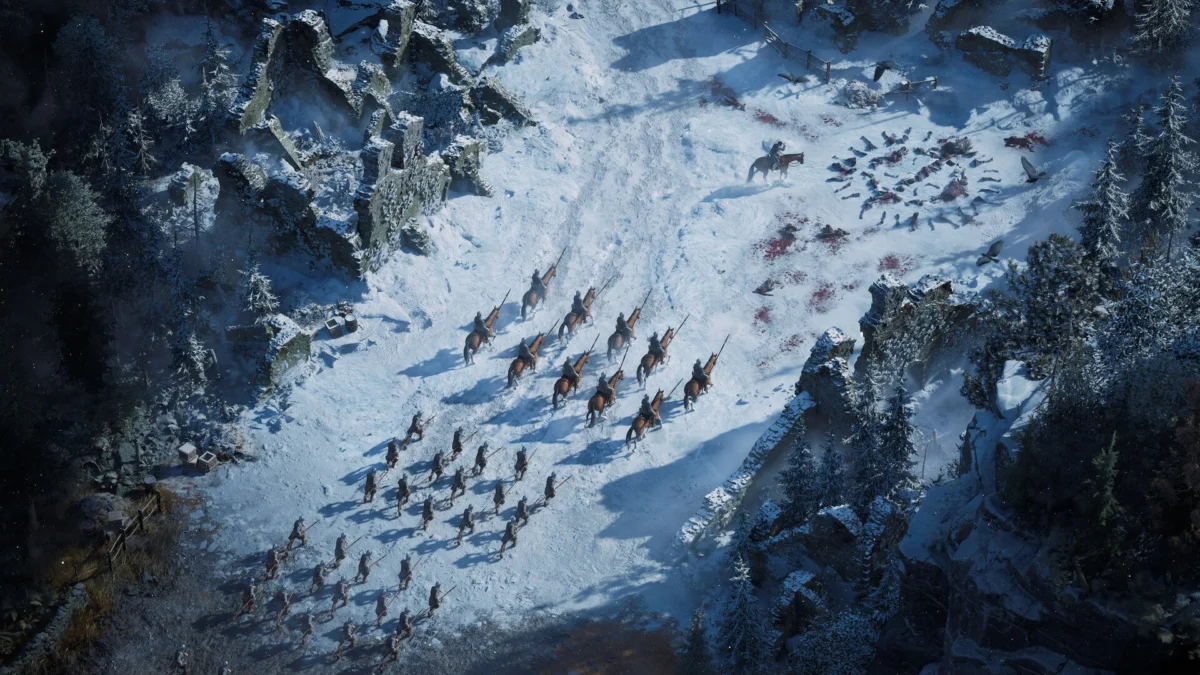
The clips also provided a glimpse into unit combat, showcasing the raw power of cavalry charges and the devastating impact of giants. These demonstrations highlight the game’s emphasis on a diverse roster of units and the importance of tactical counters. Cavalry, renowned for their speed and charge bonus, are often effective against light infantry or ranged units but vulnerable to spearmen or fortified positions. Giants, formidable in their raw strength, could decimate entire squads, acting as powerful shock troops or siege units.
The strategic challenge lies in deploying appropriate counters. For example, deploying formations of archers to thin out approaching cavalry, or massing pike formations to halt a giant’s advance. This "rock-paper-scissors" dynamic is a cornerstone of many successful RTS games, ensuring that no single unit type is overwhelmingly powerful and forcing players to think critically about army composition and battlefield positioning. The visual fidelity of these clashes, with units reacting dynamically to impacts and formations, will be crucial for player immersion and readability in the heat of battle. The developers’ focus on this aspect indicates a commitment to both visual spectacle and strategic depth, where understanding unit strengths and weaknesses is paramount.
The Battlefields of Westeros: Ashemark Unveiled
A final, significant reveal was a peek at Ashemark, a map currently under development in the Westerlands. This specific location holds strong historical and narrative ties to the Game of Thrones lore, particularly Robb Stark’s campaign through the Westerlands during the War of the Five Kings. This choice of map demonstrates PlaySide’s dedication to grounding their game in the established geography and conflicts of Westeros, ensuring authenticity for fans.
PlaySide described Ashemark as a "focused 1v1 battlefield" featuring "two open lanes with defensible positions that create clear opportunities to pressure, hold, flank, and counterattack." This description points to a carefully designed competitive map, prioritizing strategic movement and tactical engagement. The "two open lanes" suggest clear avenues for army movement and engagements, while "defensible positions" indicate key terrain features like hills, forests, or ruins that can be garrisoned or used to gain an advantage. The emphasis on "pressure, hold, flank, and counterattack" outlines the dynamic ebb and flow of strategic gameplay intended for this map, requiring players to constantly adapt their tactics.
Furthermore, PlaySide highlighted Ashemark as a "strong example of how we are approaching visual fidelity across our maps, with environments designed to feel grounded in Westeros while still giving players readable spaces for army movement and combat." This statement addresses a common challenge in modern RTS games: balancing visually stunning graphics with clear gameplay readability. Overly cluttered or realistic environments can sometimes obscure unit movements or important strategic points. PlaySide’s commitment to both immersive aesthetics and functional design suggests a thoughtful approach to map creation, ensuring that players can appreciate the beauty of Westeros without sacrificing strategic clarity. The intricate details of the Westerlands landscape, from its rocky outcrops to its sparse vegetation, will likely be rendered with attention to detail, enhancing the overall player experience.
PlaySide Studios: A Developer’s Commitment to Craft
PlaySide Studios, an Australian-based developer, has a diverse portfolio that spans mobile gaming, VR, and PC titles. Their experience across various platforms and genres positions them well to tackle a complex project like Game Of Thrones: War For Westeros. While perhaps not as globally recognized as some AAA studios, PlaySide has steadily built a reputation for delivering engaging experiences, often working with established IPs. Their decision to delay the game is indicative of a growing trend in the industry where developers, often under intense public scrutiny, opt for quality assurance over arbitrary release dates. The infamous launch of Cyberpunk 2077, which suffered from significant performance issues and bugs due to a rushed release, served as a stark lesson for the entire gaming industry. In its wake, many developers and publishers have become more transparent about development challenges and more willing to postpone releases to ensure a polished final product. PlaySide’s statement that they need "the time needed to continue building towards that goal and ensure that the game reaches the high level of quality we are aiming for" aligns perfectly with this industry shift, prioritizing long-term player satisfaction and critical reception over short-term sales targets. This approach, while potentially impacting immediate financial projections, often leads to a more successful and enduring game in the long run.
The Broader Implications: Fans, Market, and Future
The delay of Game Of Thrones: War For Westeros carries several implications for various stakeholders, from the dedicated fanbase to the competitive RTS market.
Fan Anticipation vs. Patience
For the legions of Game of Thrones fans, the news is likely to elicit a mixed reaction. On one hand, there will be disappointment at the extended wait, especially for a game that promises to bring the epic battles of Westeros to life in a strategic format. The anticipation built since the initial announcement will now have to stretch for another year. However, many seasoned fans and gamers are likely to appreciate the developer’s commitment to quality. In an era where many games are released prematurely, a delay for polish is often seen as a sign of respect for the player base. The details revealed alongside the delay, such as hero units, combat mechanics, and the Ashemark map, serve as tangible proof of progress and can help sustain excitement, turning potential frustration into renewed patience.
Market Dynamics and RTS Landscape
The real-time strategy genre, while not as dominant as it once was, maintains a passionate core audience. High-profile releases like Game Of Thrones: War For Westeros have the potential to invigorate the genre and attract new players, especially those drawn by the strength of the Game of Thrones IP. A delayed release means the game will enter a different competitive landscape in early 2027 than it would have in 2026. This could be advantageous, allowing PlaySide to avoid clashes with other major titles or, conversely, face new, unforeseen competitors. The extra year also provides more time for market analysis and potential adjustments to the game’s features based on evolving genre trends and player feedback, potentially positioning it more strongly for success upon launch. Furthermore, delivering a high-quality, bug-free experience on release is crucial for positive word-of-mouth and establishing a strong reputation in the competitive RTS space, which could be more impactful than an earlier, flawed launch.
Long-Term Vision for the Game
The decision to delay underscores a long-term vision for Game Of Thrones: War For Westeros. PlaySide is clearly aiming for a product with significant longevity, potentially hoping to establish it as a cornerstone title within the Game of Thrones gaming canon. A meticulously crafted game at launch paves the way for future expansions, downloadable content, and a sustained competitive multiplayer scene. A strong foundation built on quality and strategic depth is essential for cultivating a dedicated player community and ensuring the game’s relevance for years to come, maximizing the return on investment for both the developer and the IP holder, Warner Bros. Interactive Entertainment. The commitment to visual fidelity and grounded environments suggests that the game is designed to be aesthetically pleasing and immersive, a crucial factor for retaining player interest over time.
Looking Ahead: The Road to Early 2027
Despite the extended wait, PlaySide Studios has promised "more news and updates over the coming weeks, ultimately marching towards some exciting reveals later this year." This commitment to ongoing communication is vital for keeping the community engaged and informed throughout the prolonged development cycle. Fans can anticipate further deep dives into specific game mechanics, perhaps revealing more about resource management, base building, technological trees unique to each house, or the structure of the single-player campaign. Future reveals might also include additional playable factions beyond the initial Lannister, Stark, and Targaryen focus, or details on multiplayer modes, competitive ladders, and potential esports aspirations. The promise of "exciting reveals" hints at significant showcases, possibly at major gaming events, which will be crucial opportunities for PlaySide to reignite enthusiasm and provide concrete evidence of the game’s continued evolution towards its ambitious 2027 launch. The journey to early 2027 will be a test of patience for fans, but PlaySide’s transparent approach and commitment to quality aim to ensure that the wait for Game Of Thrones: War For Westeros will ultimately be worth it.