The open-source home automation platform Home Assistant has officially launched its September 2026 update, designated version 2026.9. This comprehensive release introduces significant architectural upgrades to industrial and local protocols like Modbus, integrates next-generation speech-to-text processing for privacy-focused voice assistants, brings unified filtering panels to historical data logs, and adds advanced accessibility tools, including keyboard navigation and auditory trend feedback for charts.
Background Context and Release Overview
Home Assistant, operating under the umbrella of the Open Home Foundation, continues its mission to provide a local-first, privacy-respecting alternative to major commercial smart home ecosystems. Version 2026.9 arrives amidst a period of rapid expansion in the smart home sector, where interoperability, local control, and data privacy have become paramount concerns for consumers.
The latest software iteration bridges long-standing gaps in device communication, improves user interface flexibility, and expands hardware connectivity standards. Developed with contributions from hundreds of community members and core engineers, the release aims to lower the technical barrier for complex protocol configurations while expanding power-user capabilities.
Modernizing Modbus Connectivity
One of the most consequential engineering updates in version 2026.9 is the modernization of the Modbus protocol stack. Historically, integrating Modbus-driven hardware—such as residential solar inverters, commercial-grade energy meters, and high-efficiency heat pumps—required users to manually author extensive register maps using YAML configuration files. This technical hurdle often excluded a vast category of localized energy management devices from mainstream adoption.
The 2026.9 release implements a standardized approach, allowing supported integrations to natively understand how specific hardware communicates via Modbus. Instead of competing for connection access, multiple integrations can now share a single, unified Modbus connection through the core user interface. This upgrade debuts with initial support for Fronius solar inverters (via Modbus TCP SunSpec), Sofar Inverters, and Flexit ventilation systems, utilizing the fully typed, modern Python library tmodbus. By abstracting register mapping away from the end user, the platform brings industrial-grade energy hardware into the mainstream UI configuration paradigm.
Advanced Cloud Voice Processing and Speech Recognition
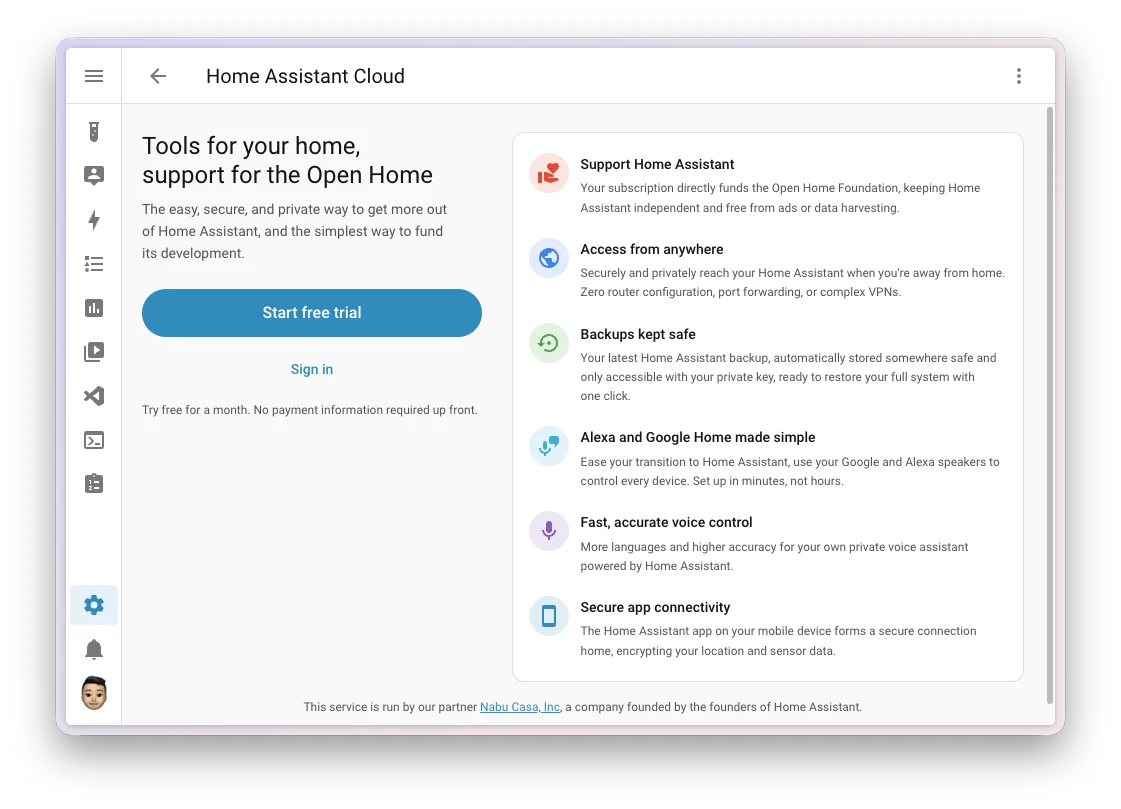
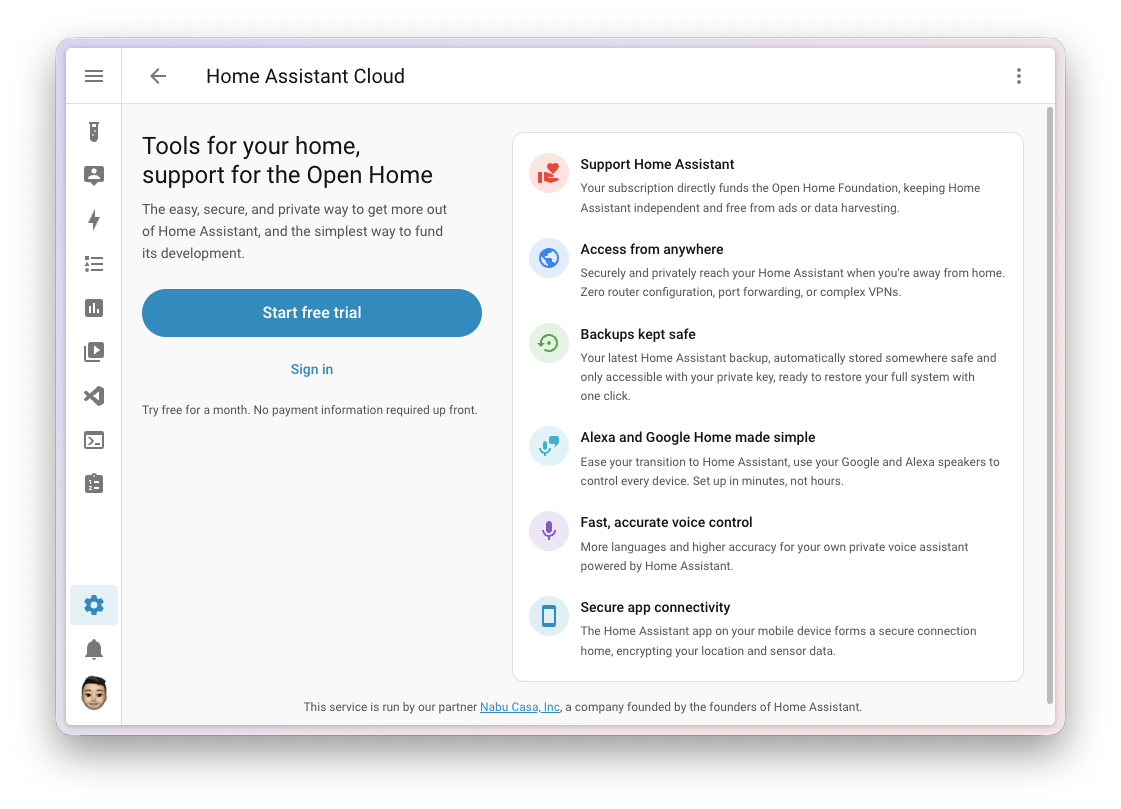
Home Assistant’s push toward independent, localized voice control takes another major step forward with the introduction of new Cloud voice processing options for subscribers. Developed in partnership with Nabu Casa, the experimental speech-to-text engine utilizes advanced processing models provided by Soniox.
Designed specifically to tackle common speech-processing failure points—such as regional accents, high ambient background noise, and non-English primary languages—the engine is available to test through the platform’s Labs settings. Despite leveraging external cloud processing for the audio transcription phase, the update maintains the platform’s strict zero-logging and zero-training privacy guarantee. This development addresses critical usability hurdles for international households attempting to run private smart home voice interfaces.
Security Dashboard Enhancements and Activity Logs
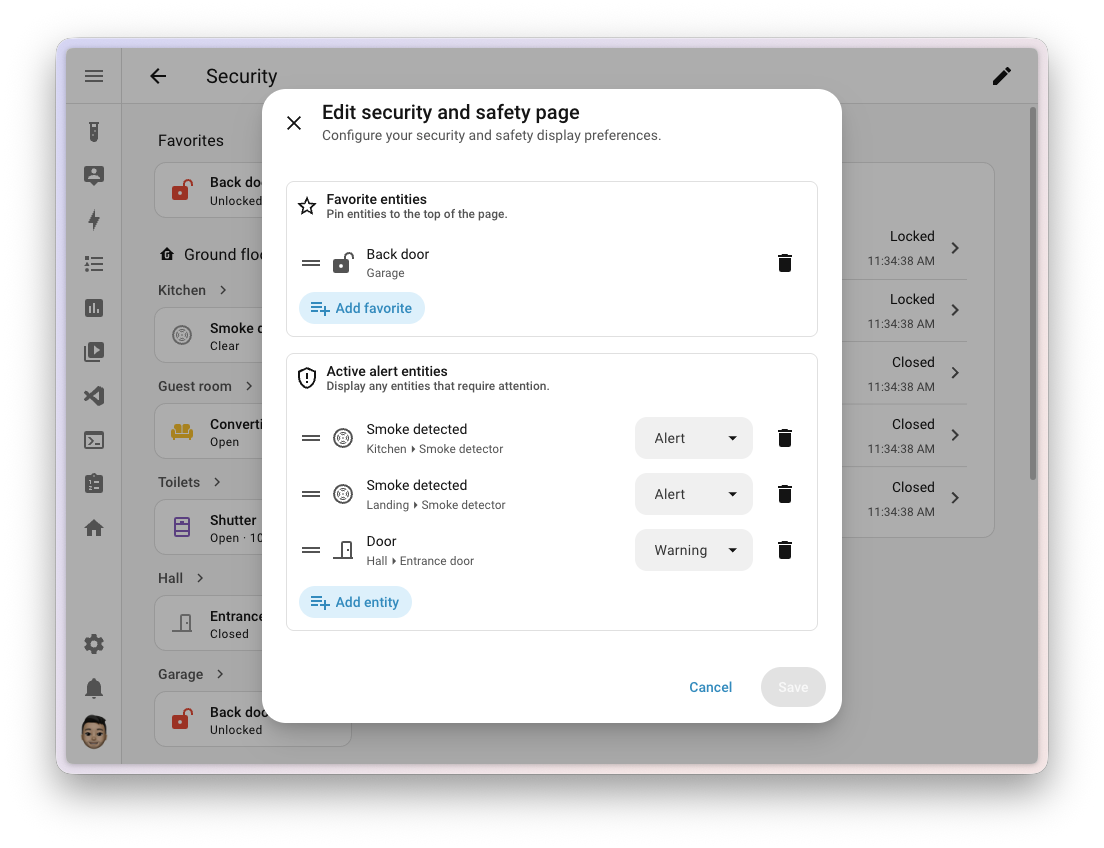
Security management within the platform receives a notable refinement with updates to the built-in Security dashboard. Responding to community-driven design proposals, version 2026.9 introduces an "Active alerts" section that remains hidden during normal operations but dynamically surfaces critical events, such as open perimeter doors or triggered smoke alarms, accompanied by customizable severity levels (Alert versus Warning). A parallel "Favorites" section allows users to pin frequently monitored security entities to the top of the interface.
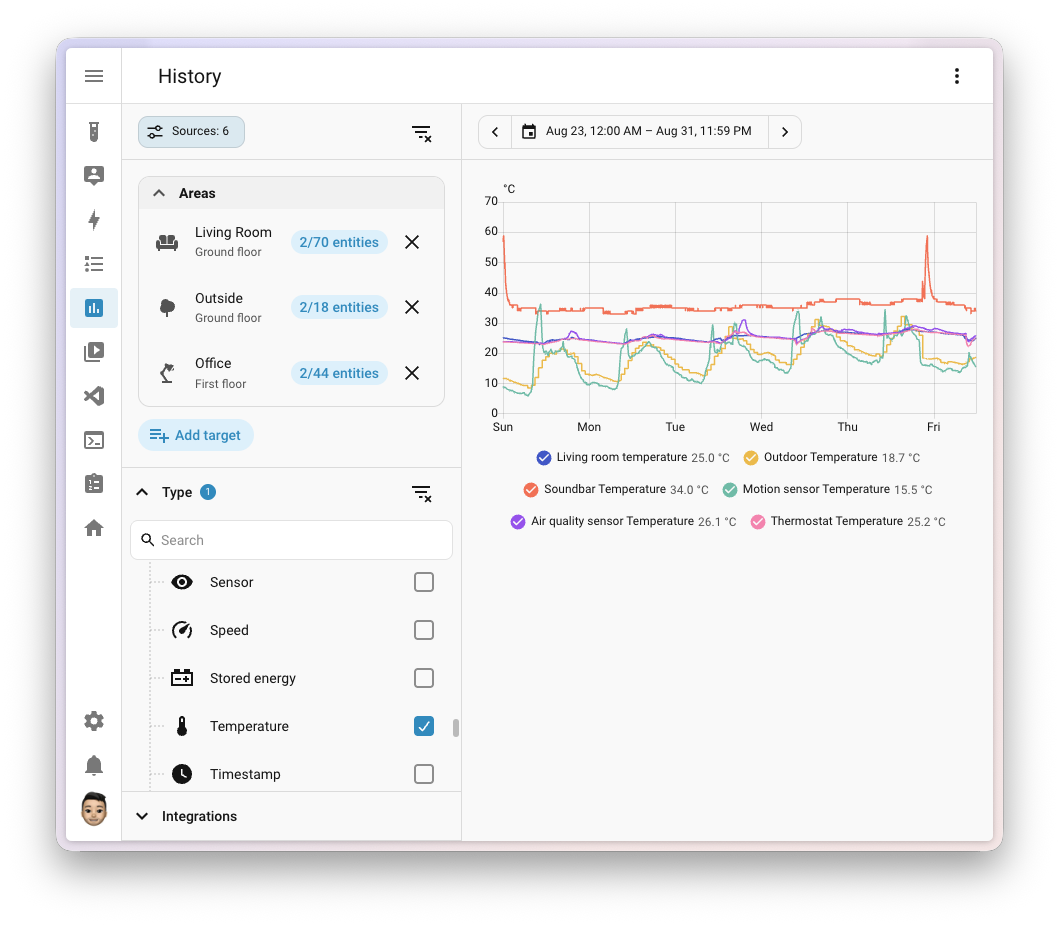
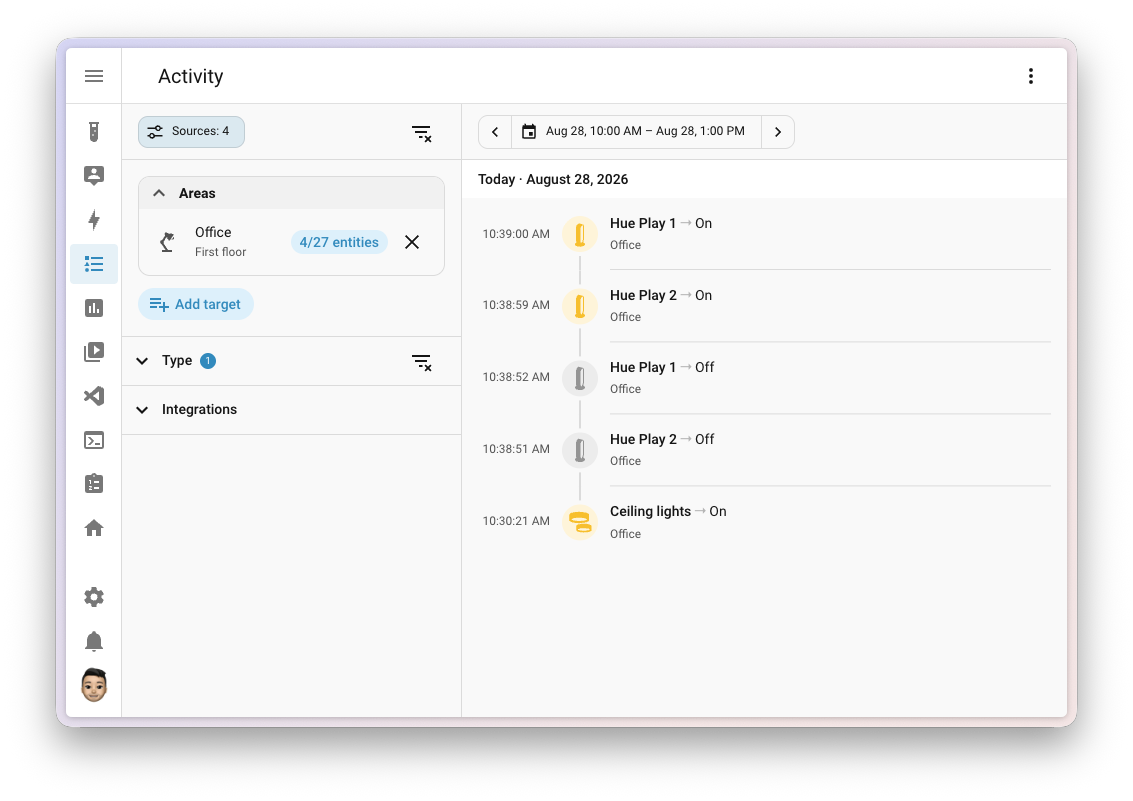
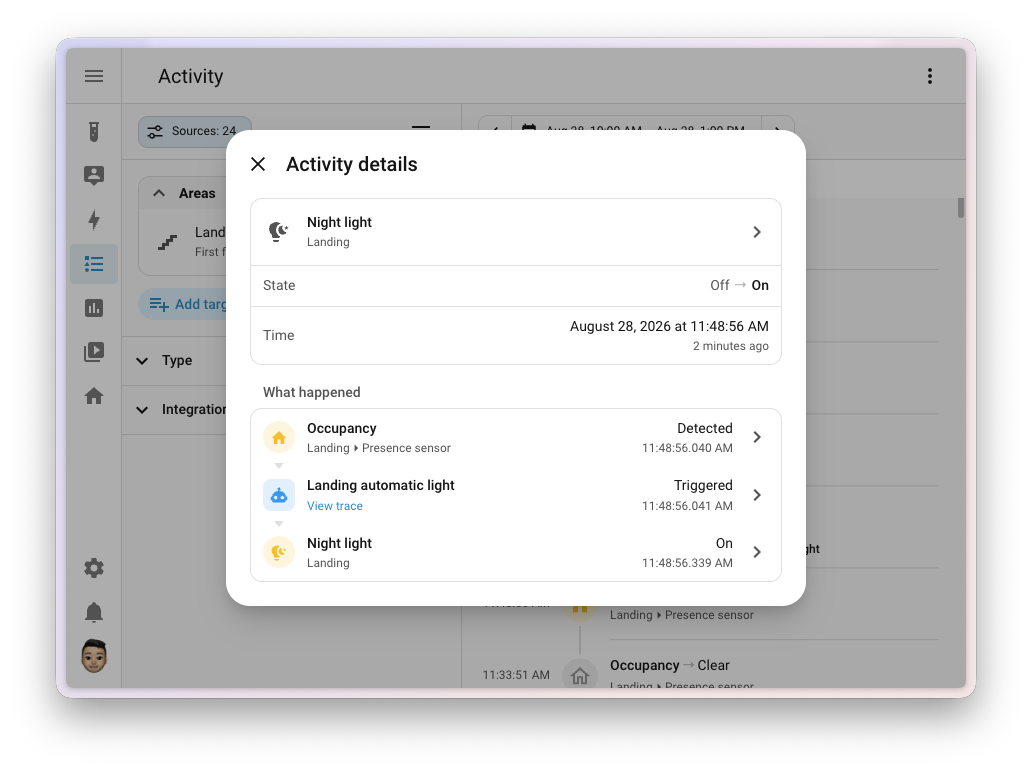
Concurrently, the History and Activity logs have been unified under a shared "Sources pane." This sidebar interface consolidates target selection—spanning floors, areas, devices, and entities—with domain and integration filters. Furthermore, the Activity log now answers not just what changed within the home, but why it changed. Selecting any log entry opens a granular diagnostic dialog detailing the triggering mechanism, whether initiated by a person, a state change, a scheduled automation, or a system restart. Each step in the execution chain links directly to the respective entity or automation trace, complete with millisecond-precision timestamps.
Matter Network Mapping and Peripheral Expansion
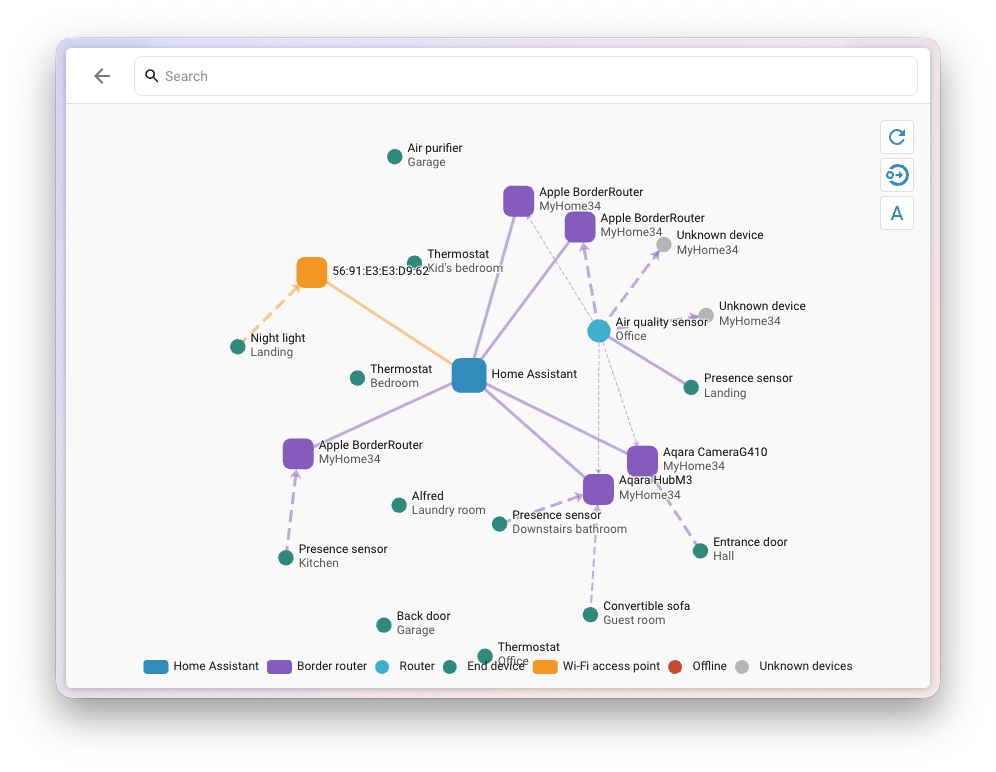
Following the established patterns of Zigbee, Z-Wave, and Bluetooth, the Matter integration now features an integrated network map. Accessible directly via the Matter panel, the graphical topology tool visualizes the relationships between Thread border routers, Wi-Fi access points, battery-powered end devices, and the core Home Assistant instance. Link colors indicate transport types, while line thickness reflects real-time signal attenuation.
In parallel with protocol mapping, the release introduces a dedicated "Serial" connectivity panel under the system settings. Mirroring previous updates for infrared and radio frequency hardware, the serial panel categorizes USB dongles and serial ports into active, connected-idle, and missing device states, preventing silent hardware disconnections from going unnoticed. The MQTT integration has similarly received a dedicated settings workspace, featuring an integrated packet-publishing utility and structured message formatting.
Accessibility Innovations for Graphical Data
Demonstrating a continued commitment to inclusive software design, version 2026.9 introduces breakthrough accessibility features for data charts. Historically, graphical charts rendered as static images, rendering them entirely inaccessible to screen readers and keyboard-only operators.
The new update transforms line and bar charts into fully interactive, keyboard-focusable elements. Users can navigate data points sequentially using arrow keys, while screen readers dynamically announce timestamps and numerical values. To provide an intuitive understanding of data trends for both sighted and visually impaired users, the platform introduces auditory feedback: moving across data points generates a sequence of musical tones that rise and fall with the underlying metrics, effectively rendering data trends as audible melodies.
Ecosystem Expansion and Community Impact
Home Assistant 2026.9 incorporates 13 new integrations, numerous quality-scale advancements for existing modules, and several backward-incompatible adjustments documented for developers and advanced administrators. Notable configuration changes include administrative permission requirements for software updates and lock credential management, as well as updated LLM API tool name prefixing.
As the Open Home Foundation exhibits at IFA Berlin 2026, showcasing the latest open-source hardware and software convergence, this release underscores the platform’s maturation into an enterprise-grade, highly accessible smart home ecosystem. Patch releases addressing minor stability bugs are scheduled on a weekly cadence throughout September, ensuring ongoing reliability for the platform’s global user base.