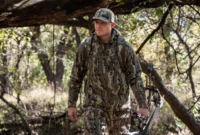
September upland and deer archery hunters are no stranger to summer-like conditions, while those who hunt into mid-season can expect a broader mix of weather. At the other end of the hunting season, spring turkey and light goose hunters may face a combination of blizzard conditions, rain showers, and balmy temperatures as winter gives way in fits and starts. The reality of modern hunting is that the gear required to survive and succeed in these temperamental environments must prioritize thermal regulation, moisture management, and durability. For the fall 2026 update, a dedicated team of testers evaluated more than 40 pieces of hunting apparel and footwear to determine which items meet the rigorous demands of North American wilderness conditions.
The Evolution of Technical Hunting Gear
The hunting industry has undergone a paradigm shift over the last decade. Moving away from heavy, non-breathable materials, manufacturers have increasingly adopted textile technologies originally developed for high-altitude mountaineering and professional alpine climbing. This evolution is driven by the fact that modern hunters are covering more ground than ever before. Whether it is a spot-and-stalk mule deer hunt in the high deserts of New Mexico or a grueling waterfowl hunt in the frozen midwestern plains, the ability to layer effectively is no longer a luxury—it is a necessity for physical safety and field success.
Data from the National Shooting Sports Foundation (NSSF) indicates that the demographics of the hunting population have shifted toward hunters who engage in multi-day, backcountry pursuits. This shift has placed immense pressure on apparel companies to innovate. The 2026 testing cycle focused on four critical performance metrics: weight-to-warmth ratio, waterproof integrity, wind resistance, and silent movement capability.
Chronology of the 2026 Field Trials
The 2026 evaluation process spanned six months, beginning in the late winter of the Alaskan Interior and concluding with early-season archery hunts in the Midwest. The primary objective was to push gear to its breaking point under real-world stress.
- February–March 2026: Testers focused on extreme cold-weather performance in Alaska and New Mexico. Gear was subjected to wind chills exceeding negative zero, sustained moisture from snow-melt, and the abrasive wear caused by thick brush and rocky ridgelines.
- April–May 2026: The focus shifted to spring turkey and waterfowl seasons. This period tested the breathability of shells and the efficacy of layering systems during the rapid temperature swings characteristic of the transition from winter to spring.
- August–September 2026: Final testing took place during early archery and upland seasons, focusing on heat management and the comfort of gear during high-output physical activity.
Analysis of Top-Performing Apparel
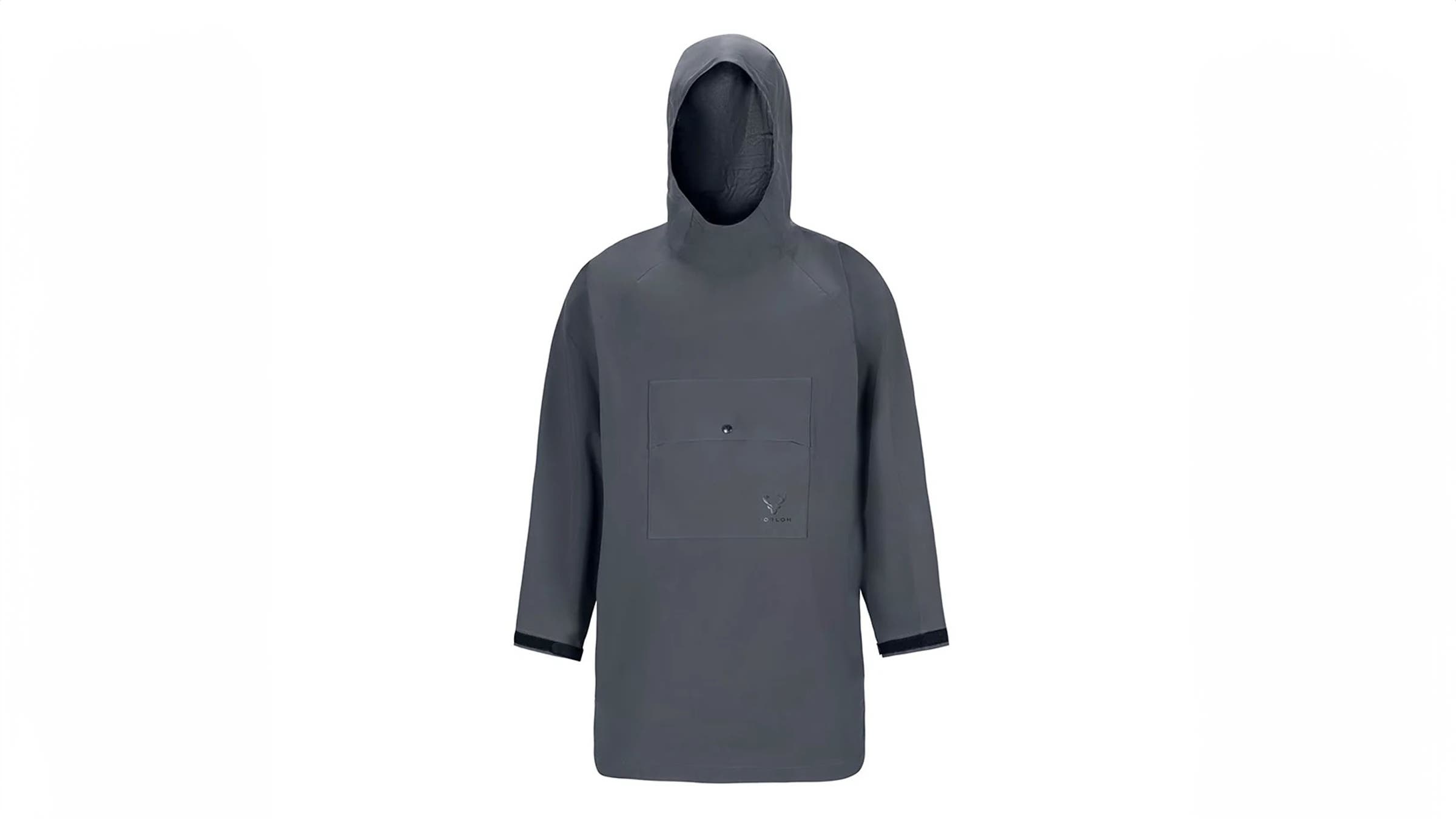
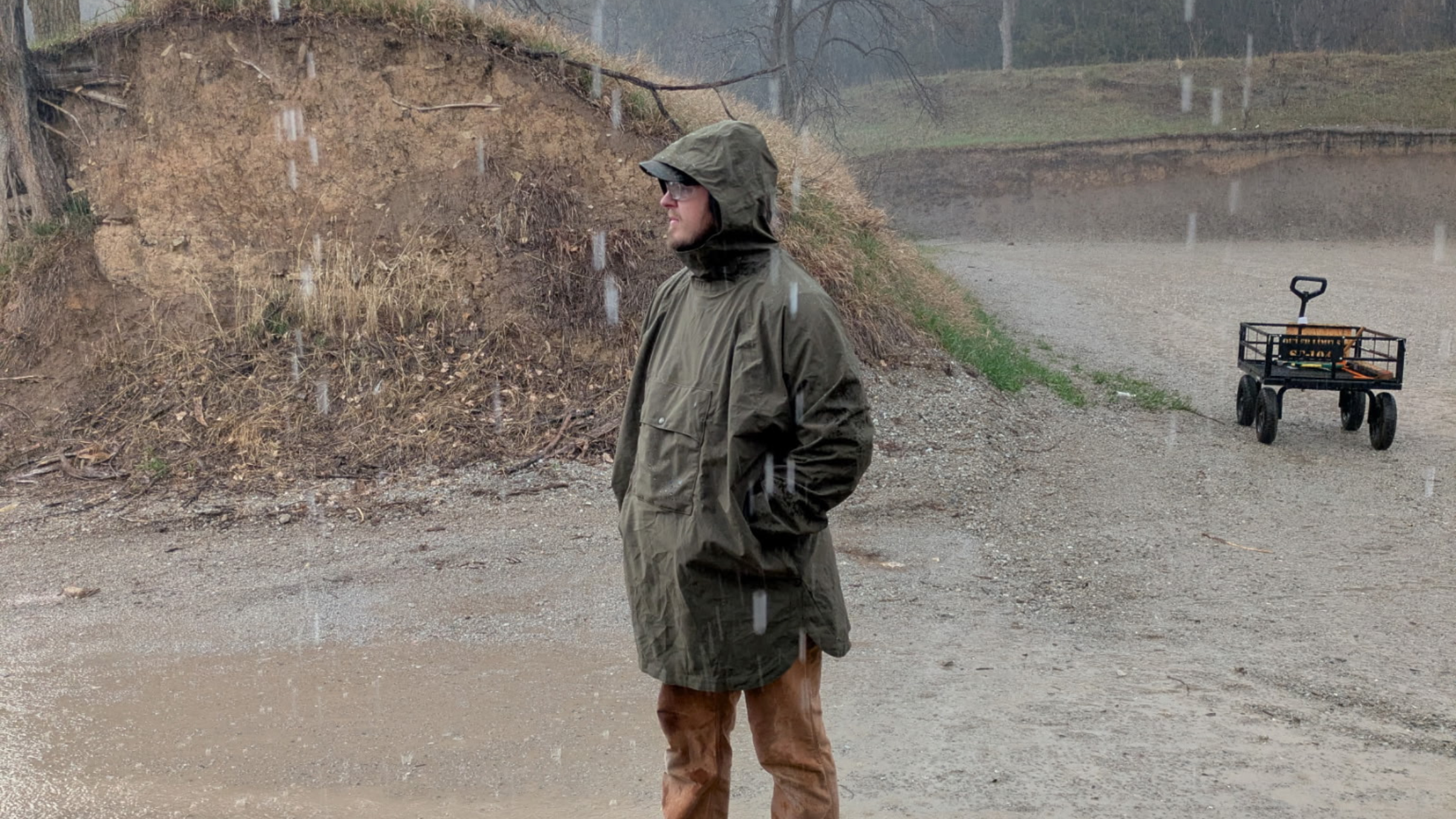
Forloh Allclima Waterproof Packable Rain Poncho
The Forloh Allclima poncho has emerged as a standout in the waterproof category. Unlike traditional rain gear, which often suffers from a lack of airflow, the Forloh poncho utilizes a three-layer waterproof membrane with fully taped seams. Our testing found that the poncho maintained its integrity even during sustained, heavy downpours. Its primary advantage is its versatility; it serves as a rapid-deployment layer that can be thrown over existing clothing without the need to remove boots or heavy outer shells. While the neck opening proved somewhat snug for individuals with larger head circumferences, the durable, military-spec fabric withstood heavy usage without tearing.
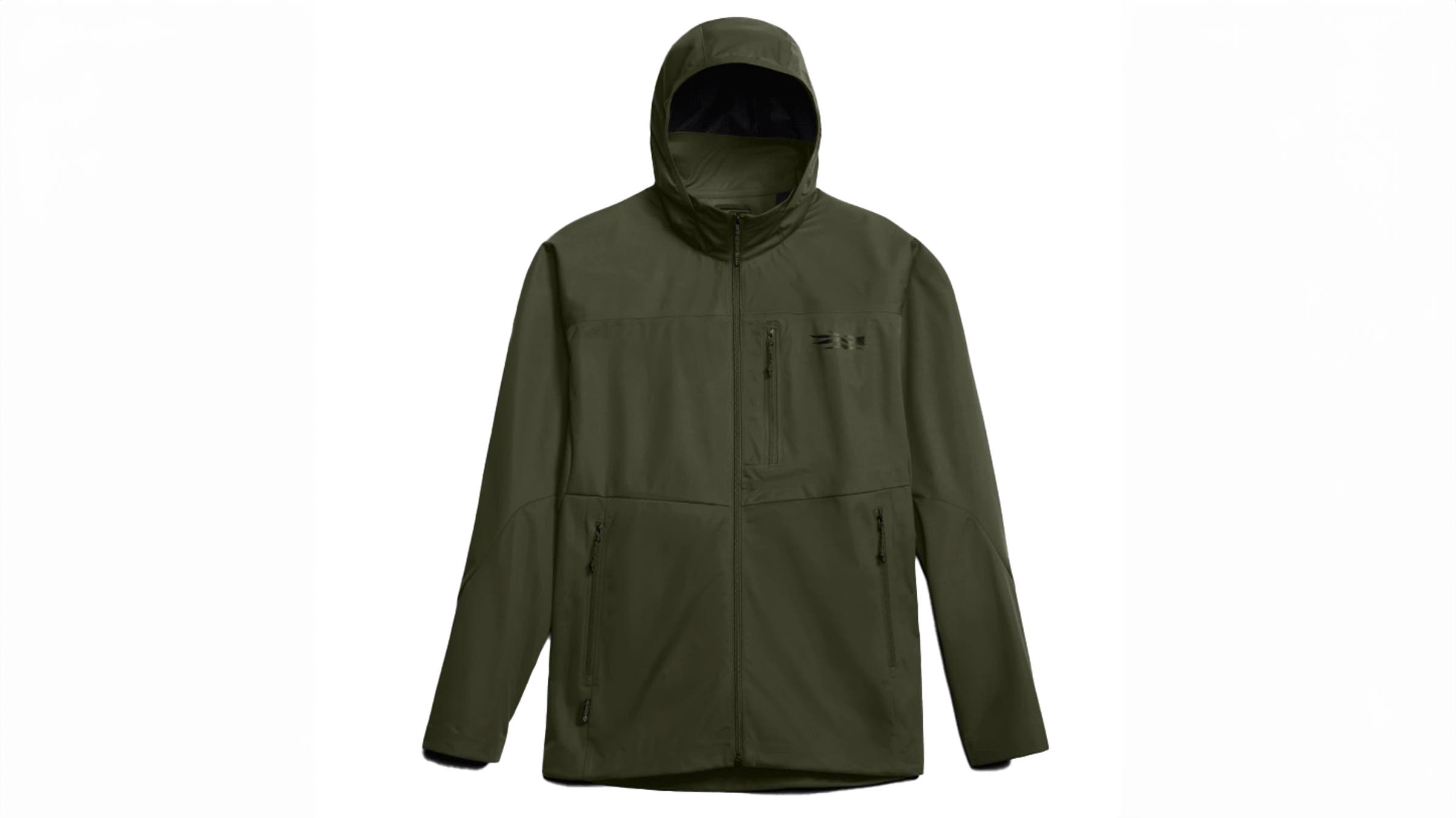
Sitka Jetstream LT Jacket
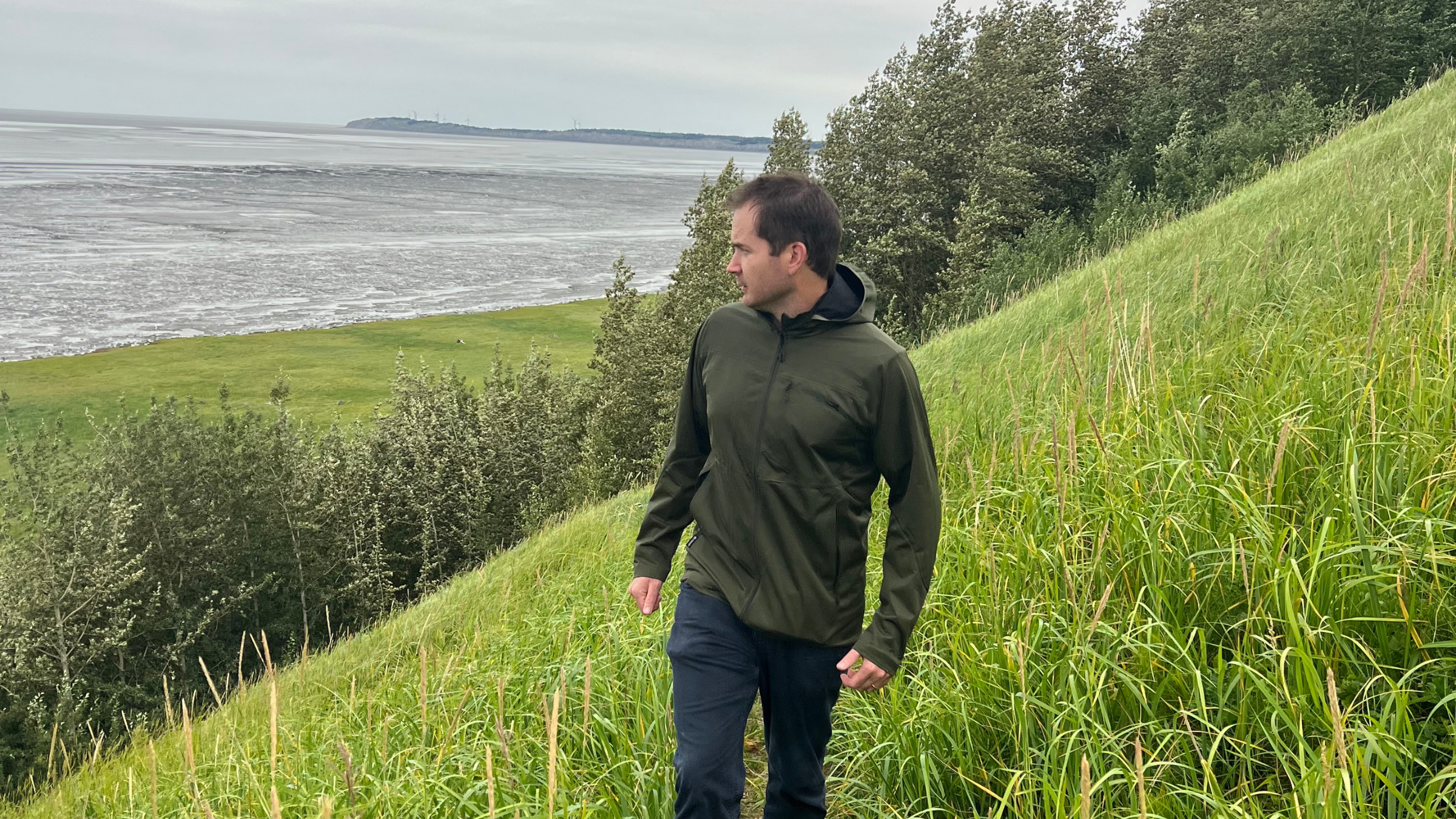
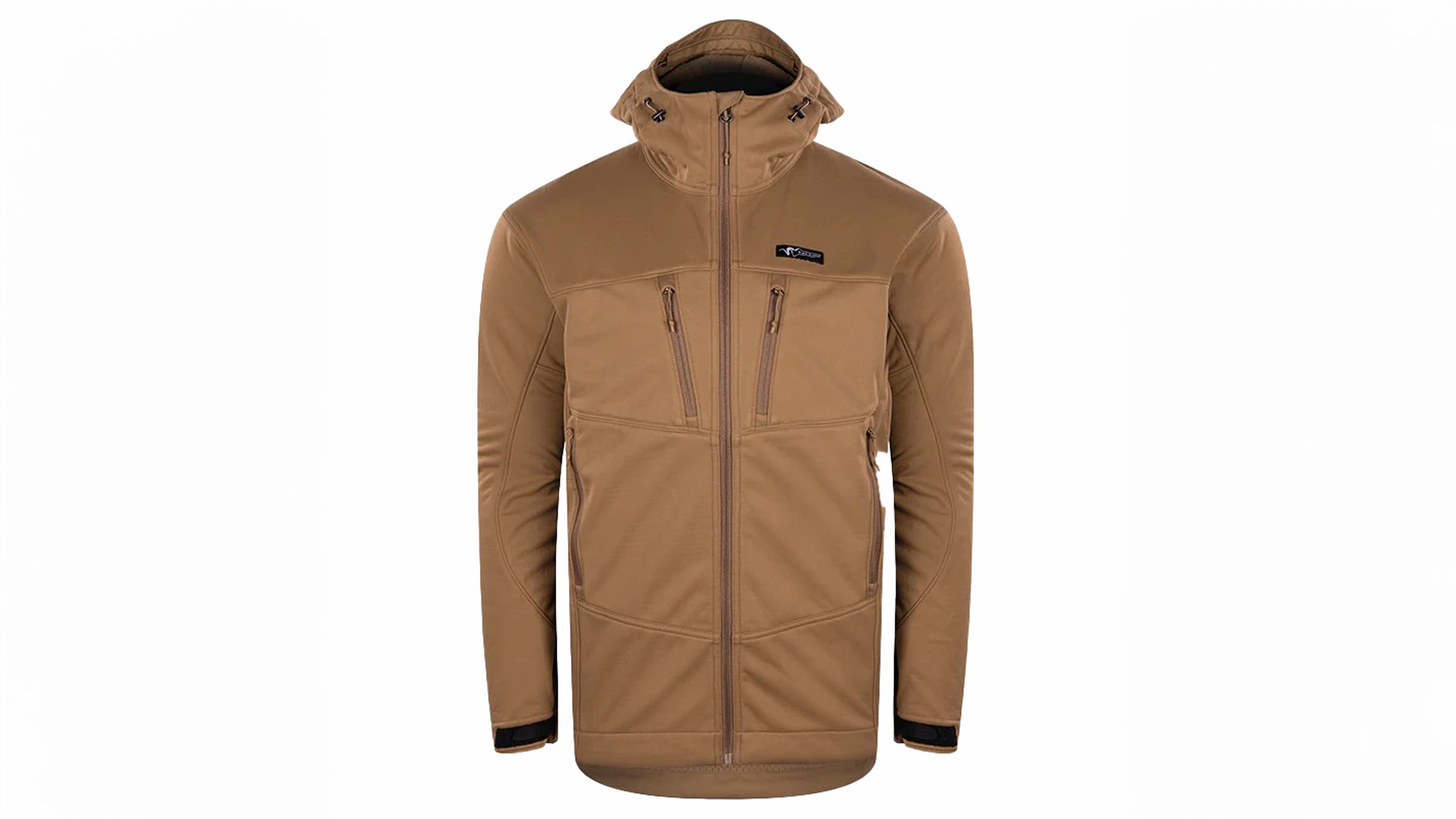
The Sitka Jetstream LT represents a significant advancement in softshell technology. By utilizing a tightly-knit polyester face fabric, the jacket provides exceptional wind protection without the audible "crinkle" associated with cheaper synthetic shells. During 25-mph wind tests in Alaska, the jacket maintained internal heat effectively. However, the jacket’s limitation lies in its water resistance; while it performs well in light mist or brief showers, testers noted that prolonged exposure to rain resulted in saturation. It remains an ideal choice for the tree-stand hunter who requires a quiet, wind-blocking layer during the mid-season.
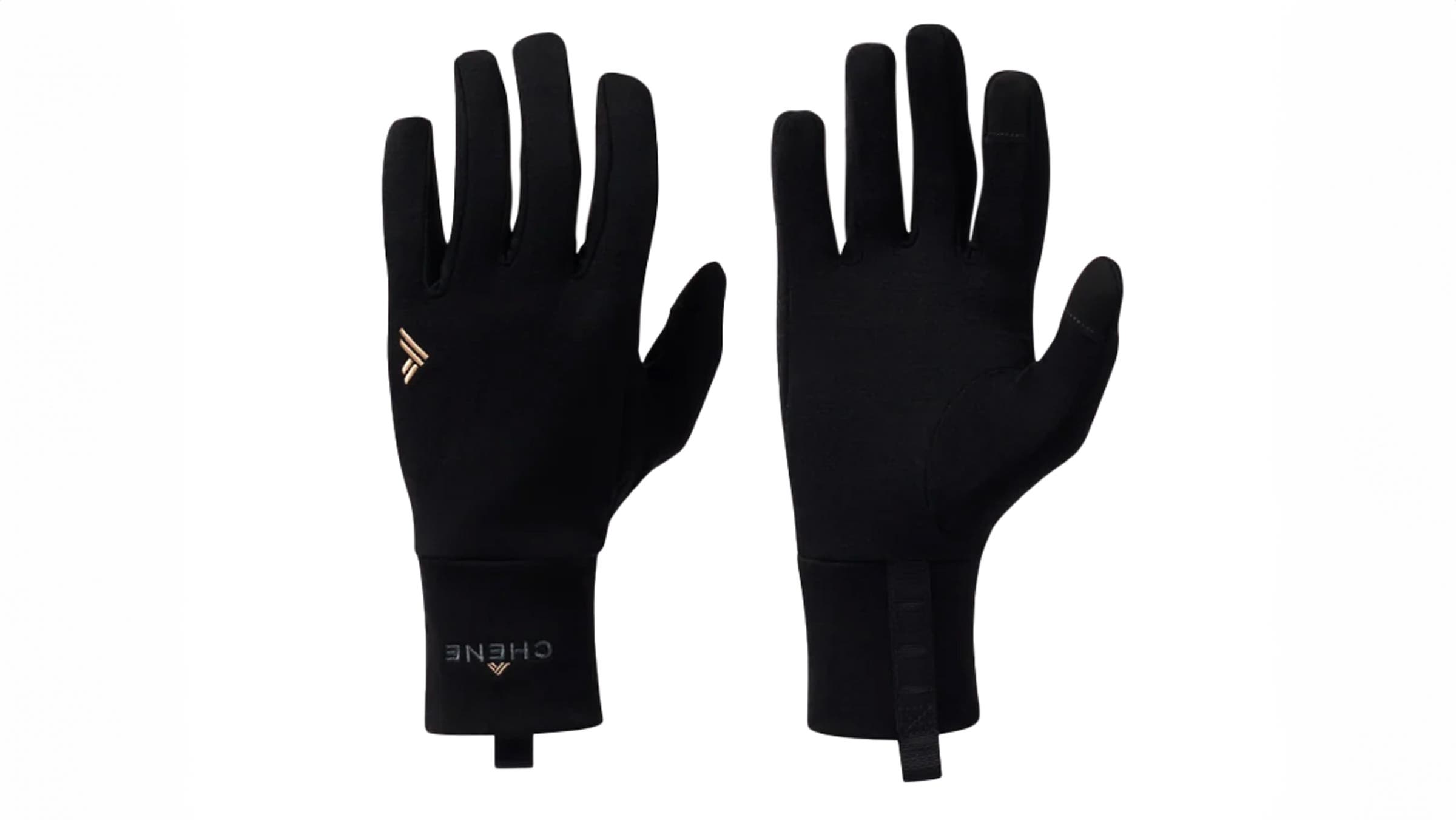
Chêne Izembek Liner Glove
Dexterity is the primary challenge in cold-weather hunting. The Chêne Izembek liner addresses this by utilizing a high-density wool blend that retains its thermal properties even when damp. In trials involving shotgun and rifle manipulation, the glove maintained grip and tactile feedback. While the touchscreen compatibility on the index finger and thumb functioned reliably, the lack of textured palm material was noted as a potential area for future improvement.
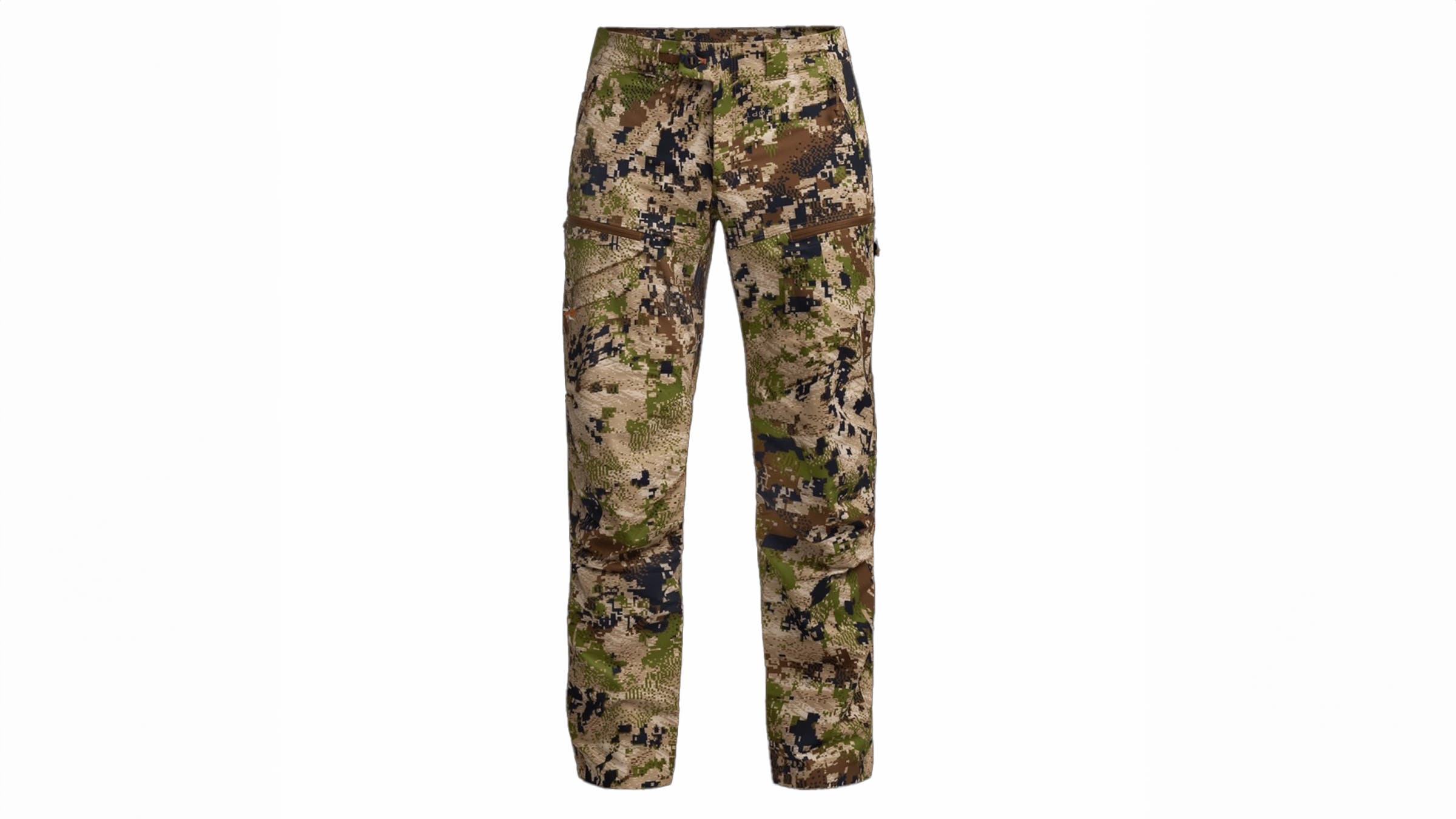
Sitka Men’s Endure Pant
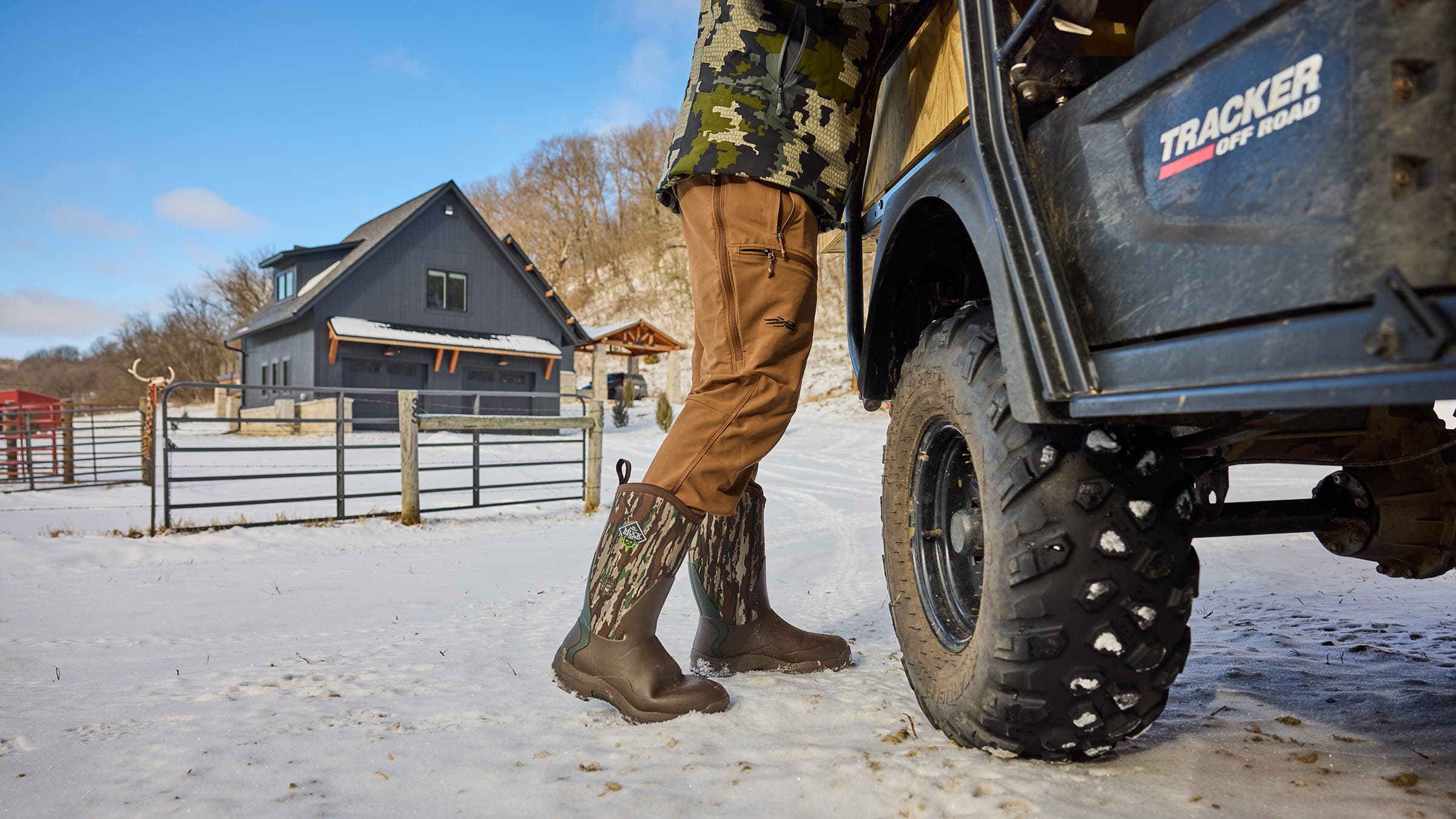
Widely considered the industry benchmark for durability, the Sitka Endure Pant was subjected to over 50 miles of travel through thick, thorn-filled brush in Wisconsin and Montana. The double-weave polyester construction proved remarkably resistant to abrasion. These pants are specifically engineered for the "workhorse" hunter who expects their gear to last multiple seasons of high-intensity use. The inclusion of zippered hip vents allows for significant heat dissipation during uphill climbs, making these pants suitable for a wide range of temperatures.
Stone Glacier Headwall Jacket
The Headwall serves as a premier mid-layer, balancing insulation with breathability. In New Mexico, testers climbed 1,500 feet in elevation while wearing the jacket; the integration of pit zips allowed for sufficient thermal regulation to prevent excessive perspiration. While it provides excellent protection against light weather, it should not be considered a replacement for a dedicated rain shell. Its primary drawback is bulk, as it does not compress as efficiently as down-insulated alternatives.
Women’s Apparel: A Specialized Focus
The market for women’s hunting gear has historically been underserved, often consisting of "shrink it and pink it" versions of men’s apparel. The 2026 testing cycle highlighted a move toward anatomical fit and specialized functionality.
The Sitka Women’s Ascent Pant demonstrated that lightweight, four-way stretch fabric can provide both comfort and extreme durability. Testers who were initially skeptical of the close-fitting cut reported that the freedom of movement provided by the Cordura nylon was superior to traditional, baggy hunting pants. Furthermore, the Forloh Women’s Brush to Mountain Pro Pant provided a necessary solution for upland hunters, offering thorn-resistant protection that effectively shielded the wearer from the thickest cover.
The Critical Role of Footwear and Accessories
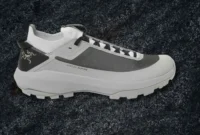
The Meindl EuroLight Hunter 300 has redefined the expectations for a mid-weight hunting boot. By combining 300 grams of synthetic insulation with a leather upper, the boot provides the necessary structure for uneven terrain while remaining light enough to prevent foot fatigue. The primary challenge identified was drying time; leather, while durable and supportive, requires significant effort to dry once fully saturated.
Complementing this, the Farm to Feet Ely Sock provides a necessary foundation for foot health. The integration of high-density cushioning at pressure points significantly reduced reported foot fatigue during long-range treks. The use of American-sourced merino wool ensured moisture management, preventing the blister-causing dampness that plagues hunters using synthetic or cotton-blend socks.
Strategic Implications and Expert Guidance
The decision-making process for purchasing hunting apparel should be rooted in the specific environment and physical demands of the hunt. Industry experts advise beginners to avoid the temptation of purchasing top-tier, specialized gear before they have established their own personal requirements through field experience.
"The best gear is the gear that keeps you in the field longer," notes lead tester Jenny Nguyen-Wheatley. "If you are cold, wet, or uncomfortable, your focus shifts from the hunt to your own misery. Success in the field is almost always a result of patience and persistence, and the right clothing is the tool that facilitates both."
Safety and Regulatory Compliance
Beyond performance, hunters must remain cognizant of state-specific regulations. Many regions require the use of hunter orange for safety, a regulation that has saved countless lives by increasing visibility. Regardless of the technical prowess of a piece of apparel, it cannot replace the requirement for hunter education and strict adherence to safety protocols.
Future Outlook
As the 2026 season progresses, the trend toward high-performance, multi-functional apparel continues to accelerate. Manufacturers are increasingly looking at modular systems—clothing that can be adapted to changing weather conditions—rather than single-purpose items. For the modern hunter, this represents an era where comfort is no longer an excuse for leaving the field. Through rigorous testing and the adoption of advanced textile science, today’s hunting apparel is safer, more durable, and more effective than at any point in the history of the sport.