Updated July 8, 2026 09:24AM
The notion that short stature is an inherent disadvantage in climbing is a narrative that is rapidly being dismantled by a new generation of elite athletes and seasoned veterans alike. Within the exclusive ranks of the "5’2" Climber Club," individuals are not merely participating but are setting new benchmarks for performance, defying conventional wisdom that often links physical stature to athletic prowess. This movement is not new, however. Trailblazers like Lynn Hill, whose legendary ascent of The Nose on El Capitan remains a monumental achievement, famously declared in her memoir, "Climbing Free," that "height has nothing to do with it; it is your strength that counts." Hill, who also possesses a negative ape index (meaning her arm span is shorter than her height), serves as a foundational testament to this philosophy, demonstrating that power, technique, and sheer determination can transcend perceived physical limitations.
The modern climbing landscape is replete with examples of athletes who embody this spirit. Emily Harrington, a renowned climber who, at 5’2", has successfully scaled El Capitan’s formidable Golden Gate route (5.13b) in a single day, exemplifies the extraordinary capabilities of shorter climbers. Her ascent, completed in 2019, was a testament to her meticulous preparation and powerful execution, proving that even the most demanding big walls are within reach. Similarly, Sasha DiGiulian, another prominent figure in the climbing community, stands at just 5’2" and has consistently pushed the boundaries of sport climbing, tackling routes that demand immense physical and mental fortitude. Adding to this impressive roster is Michaela Kiersch, who has achieved the historic distinction of being the first woman to successfully send both V15 boulder problems and 5.15 sport routes. Kiersch, notably, is an inch shorter than the author, further underscoring the diminishing relevance of height in elite climbing.
While the narrative often centers on female athletes, male climbers are also challenging height-related assumptions. Connor Herson, who has achieved remarkable feats such as freeing The Nose at the age of 15 and climbing his 50th 5.14 route before turning 18, stands at an estimated 5’6" or 5’7". Olympian Colin Duffy, a rising star in the sport, also measures in at 5’7". Even legendary figures like Yvon Chouinard, the founder of Patagonia, known for his pioneering ascents, is reported to be around 5’4". These athletes, while not diminutive, demonstrate that significant climbing achievements are not exclusive to those who possess greater stature. The collective success of these climbers has effectively rendered short stature an invalid excuse for a lack of climbing achievement, inspiring a deeper exploration of the techniques and strategies that empower climbers of all sizes.
The following insights, compiled from experienced climbers and climbing experts, offer a comprehensive guide for short climbers seeking to optimize their performance and overcome the perceived challenges of their stature. These strategies focus on adaptive techniques, specialized training, and a nuanced understanding of how to approach climbing routes designed with a wider range of body types in mind.
Mastering Movement: The Art of Creative Beta and Technical Prowess
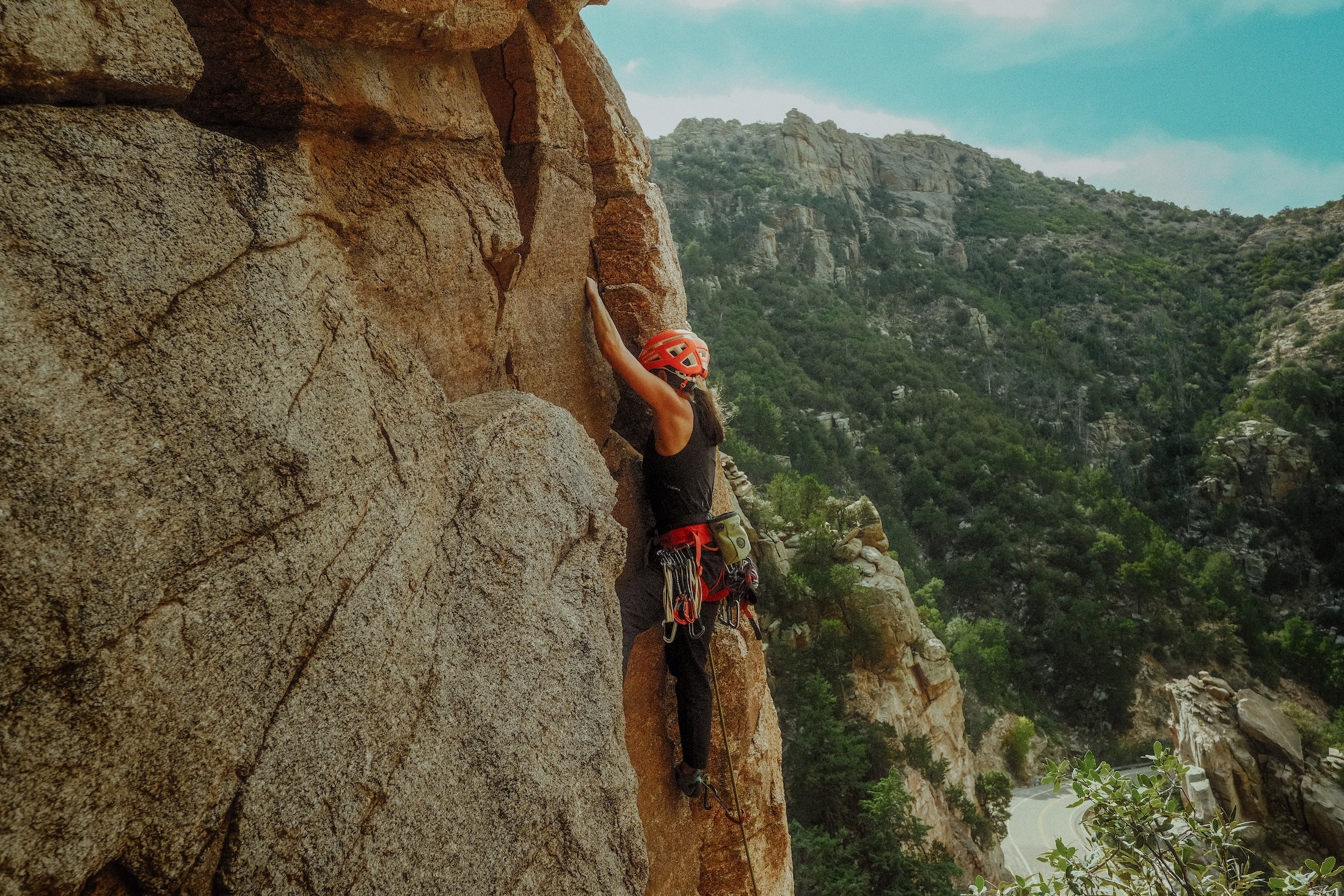
One of the most crucial adjustments for shorter climbers is the development of creative "beta," the term used in climbing for the sequence of moves required to ascend a route. While taller climbers may have the luxury of utilizing longer reaches and more direct sequences, shorter climbers often need to devise their own solutions. This can involve making more overall moves, employing dynamic sequences, and utilizing less obvious holds. As illustrated in a recent video comparing the ascent of a V3 boulder problem by a 5’2" woman and a 6’4" man, the shorter climber had to rely on high steps, cross-throughs, and a series of micro-moves to navigate sections that the taller climber could simply reach. The key takeaway is to embrace ingenuity and find personalized movement strategies that leverage one’s own biomechanics.
The Power of the Drop Knee and Heel Hook
Essential techniques for maximizing leverage and body positioning include the drop knee and the heel hook. Alison Osius, a former Climbing editor and competitive climber, emphasizes the efficacy of the drop knee for shorter climbers. Even at 5’7", Osius relates to the challenges faced by shorter individuals in a sport often designed by and for taller climbers. The drop knee involves twisting the hip inward and bending the knee downward, allowing the climber to effectively "hook" the wall with their foot, thereby stabilizing their body and freeing up their hands to reach higher holds. This technique enables a more efficient use of handholds and can significantly improve reach.
Complementing the drop knee are creative footwork techniques such as heel hooks and toe hooks. These maneuvers allow climbers to pull their hips closer to the wall, creating a more stable and powerful body position. By engaging these muscles, climbers can maintain tension and efficiently ascend even on overhanging terrain. Mastering these techniques requires practice and body awareness, but their impact on a shorter climber’s ability to engage with the wall is profound.
Embracing Dynamic Movement: The Strategic Dyno
For climbers struggling to reach distant holds, the dynamic movement, or "dyno," can be a game-changer. While not all climbers are naturally comfortable with such explosive movements, it can unlock new possibilities for shorter individuals. Carlo Traversi, a professional climber who stands at 5’7", advocates for shorter climbers to explore dynamic movement to increase their efficiency and access more holds. He stresses the importance of building this skill incrementally, starting with small dynamic movements on familiar terrain, such as low on a bouldering problem or on a top-rope. Gradually increasing the amplitude of these movements can lead to greater confidence and capability in reaching for holds that would otherwise be out of range. Michaela Kiersch, a proponent of dynamic climbing, offers detailed guidance on mastering the dyno, further emphasizing its value.
The High Step and Micro Footwork: Reaching New Heights
Beyond dynamic movement, the strategic use of the high step and meticulous footwork on micro footholds can compensate for a lack of inherent reach. Matt Samet, a former editor and 5.14 climber who is 5’6", has developed numerous strategies to overcome his shorter stature. He suggests that instead of a single, dramatic high step, climbers can incrementally move their feet up smaller holds to achieve the necessary height for a higher foot placement, all while maintaining their grip on the current handhold. This technique is particularly effective when utilizing stiff climbing shoes designed for edging, which provide the precision and support needed to stand on tiny features.
Strength and Conditioning: Building the Foundation for Success
Beyond technique, targeted strength and conditioning are paramount for short climbers. Research conducted by Lattice Training, involving an assessment of 500 climbers, revealed a direct correlation between shorter stature and the need for enhanced finger strength. Tom Randall and Ollie Torr, the researchers behind the study, found that for every 10 centimeters of reduced height, a climber’s fingers need to be approximately 2.5% stronger to compensate. For a climber who is 5’2", this translates to needing finger strength that is roughly 5% greater than their 5’9" counterpart to achieve equivalent performance. This data underscores the importance of dedicated hangboard training and other finger-strengthening exercises.
Specializing in Challenging Holds: The Art of Grip
While taller climbers may have the advantage of reaching for larger, more accessible holds, shorter climbers often need to excel at gripping a wider variety of holds. Katie Lambert, a climber who stands at 5’0" with a positive ape index, emphasizes the importance of training her hands to be proficient on the smallest crimps, the worst slopers, and other challenging grip types. This specialization involves dedicating training time to mastering slopers, micro-crimps, underclings, and finger pockets – holds that many climbers might attempt to avoid. By becoming adept at these less forgiving grips, short climbers can significantly expand their repertoire and their ability to succeed on diverse routes.
Strategic Route Selection and Specialized Gear
A pragmatic approach for short climbers involves strategic route selection. Identifying routes that are less "reachy" or that have sequences that play to their strengths can be a significant advantage. Guidebooks and online climbing forums often provide valuable insights into route characteristics, noting whether a climb is particularly demanding for shorter individuals. In gym settings, climbers can also opt for routes that appear to have been set with a broader range of body types in mind.
The Traditional Advantage: Crack and Trad Climbing
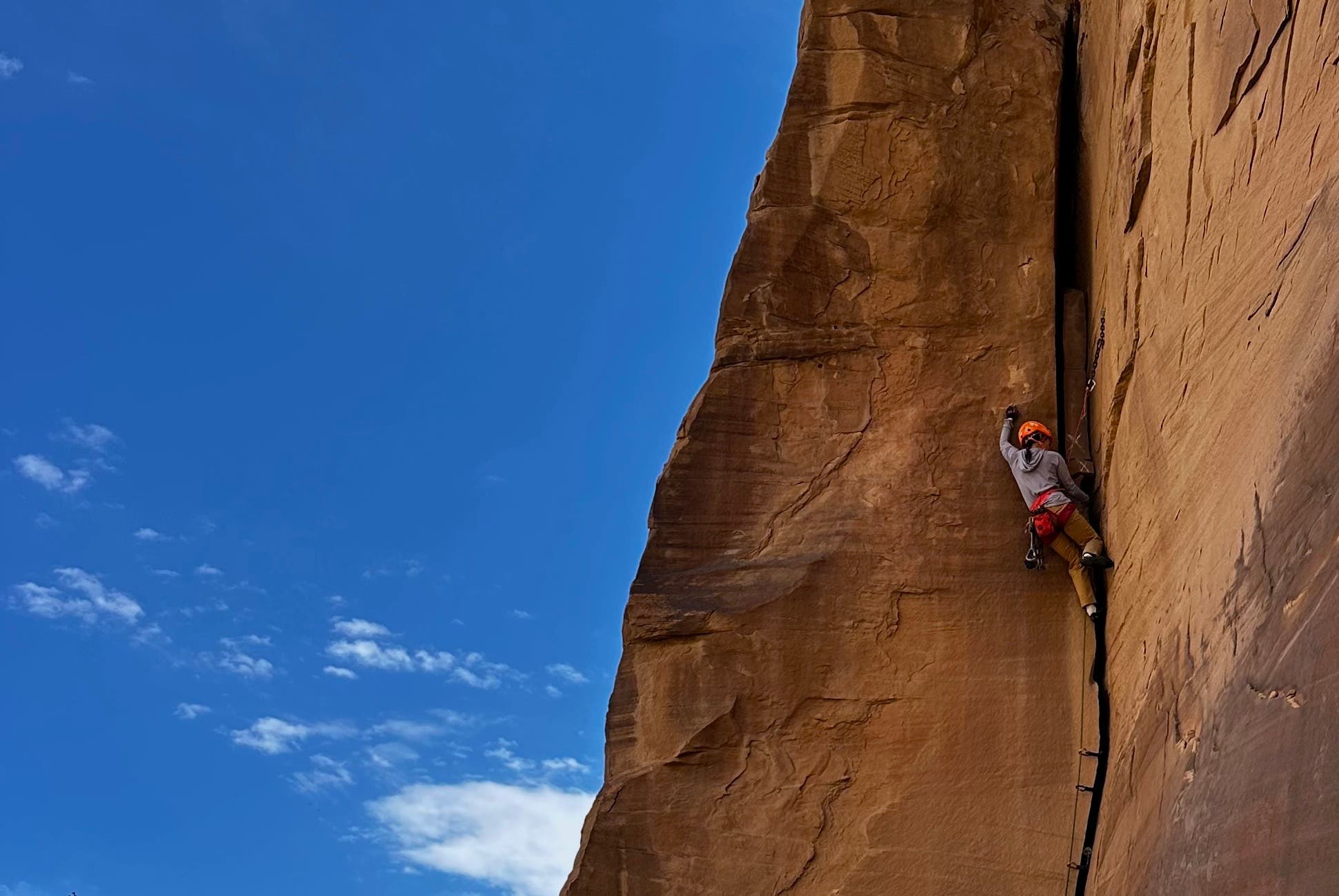
Crack climbing presents a unique opportunity for shorter climbers to level the playing field. While they may need to make more total jams to ascend a crack, the absence of reach-dependent holds and the greater emphasis on technique and friction can be highly advantageous. In certain crack sizes, such as narrow chimneys, shorter climbers might even find themselves with a distinct advantage due to their ability to fit more snugly into the feature.
This often leads to an affinity for traditional (trad) climbing. In trad climbing, climbers place their own protection (cams and nuts) into the rock. This offers a significant advantage for shorter climbers, as they are not beholden to the placement of bolts by potentially much taller route developers. Mary Eden, a renowned crack climber who stands at 5’0", advocates for trad climbing as a means of regaining control over protection, particularly on runout routes where bolt placement can be a significant challenge for shorter individuals.
Efficiency and Gear Innovations
Climbing efficiently is paramount for all climbers, but for shorter climbers, it takes on an added urgency. Given that they may inherently make more moves to cover the same vertical distance as a taller climber, conserving energy and avoiding "pump" (muscle fatigue) is crucial. This involves maintaining straight arms, focusing on precise footwork, and utilizing calculated rests.
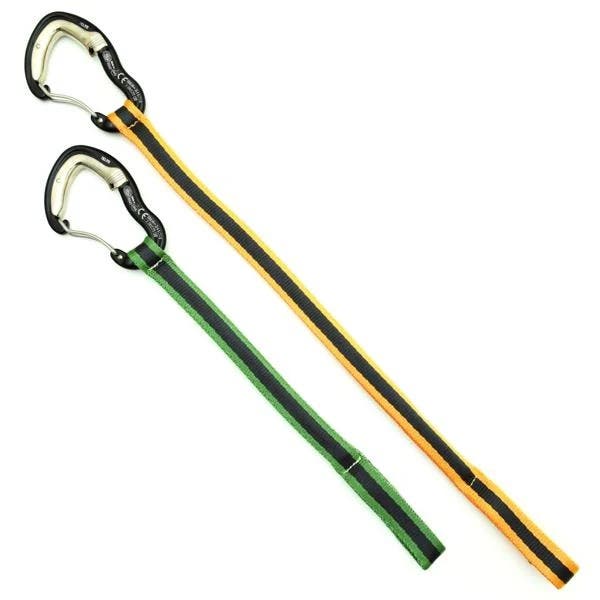
To further aid in clipping bolts, especially on sport routes, specialized gear has emerged. The Kong Panic quickdraw, with its extended and rigid dogbone, offers an additional 30cm or 45cm of reach, making it significantly easier for shorter climbers to clip bolts that are just out of reach. This can be a crucial piece of equipment for sport climbers pushing their limits or tackling routes with runout sections.
For even greater clipping assistance, mid-route stick clips are becoming increasingly popular. These devices, designed to be attached to a harness, allow climbers to clip bolts from a lower position. While some climbers have mixed feelings about their use, for those struggling with particularly high cruxes or acting as the designated rope gun for a group, a stick clip can be an invaluable tool. Reviews of products like the Magic Wand and the Small Stick highlight their potential to transform the sport climbing experience for shorter individuals.
Footwear for Precision and Power
The choice of climbing shoes can significantly impact a shorter climber’s performance. As Matt Samet suggests, stiff shoes designed for edging are ideal for maximizing the utility of micro footholds. These shoes provide the necessary support and rigidity to stand on small edges, allowing climbers to power upward with their calf muscles. This "turbocharges" the foot, enabling them to reach the next hold with greater confidence and stability. Popular models that exemplify this category include the Evolv Zenist Pro and the Scarpa Generator Mid, both known for their edging capabilities.
Conclusion: Embracing the Challenge and Redefining Limits
Ultimately, the advice for short climbers coalesces around a fundamental principle: embrace the challenge, adapt your strategy, and focus on what you can control. While certain routes may present inherent difficulties, complaining about one’s height is counterproductive. Instead, channeling the spirit of legends like Lynn Hill, who emphasized strength over stature, and actively employing the techniques and strategies outlined above, allows climbers of all sizes to redefine their limits. By focusing on creative problem-solving, technical proficiency, targeted training, and intelligent gear choices, short climbers are not just participating in the vertical world – they are conquering it, proving that true climbing prowess is a testament to skill, dedication, and an indomitable spirit, not merely the length of one’s limbs.