The modern outdoor industry has long prioritized the "latest and greatest" innovation cycle, yet a growing segment of enthusiasts and industry analysts are shifting focus toward the longevity of existing hardware. While professional gear testers often have access to the cutting edge of consumer technology, there is a quantifiable argument for maintaining legacy equipment through targeted, high-impact upgrades. By focusing capital on specific points of failure or performance bottlenecks—such as tire traction, paddle stiffness, and midsole integrity—outdoor participants can achieve significant improvements in safety, efficiency, and overall user experience without the environmental or financial costs associated with replacing entire setups.
The Economics of Incremental Maintenance
The outdoor gear market has seen a steady rise in retail prices over the last decade, driven by supply chain volatility and the integration of advanced composite materials. According to recent market analysis, the average cost of a mid-to-high-tier mountain bike has increased by approximately 22% since 2020. This inflationary pressure has compelled many recreational athletes to extend the lifespan of their gear.

The strategy of "targeted enhancement" relies on identifying which components of a system provide the greatest return on investment. For example, a bicycle’s frame geometry may remain functional for decades, but the contact points—specifically tires and contact patches—deteriorate within 1,000 to 2,000 miles of use. Replacing these components does not merely restore performance; it can modernize the ride characteristics of a frame that would otherwise be considered obsolete.
Advancements in Rolling Resistance and Traction: The Mountain Bike Case Study
The transition from a decade-old mountain bike to a modern, high-performance machine often involves a steep financial barrier. However, the performance gap between a mid-2000s 29er and a modern counterpart is frequently narrowed by the quality of the tires. The industry standard for XC (cross-country) tires has evolved rapidly, with modern rubber compounds offering a dual benefit: lower rolling resistance on hard-packed surfaces and increased bite on loose, technical climbs.
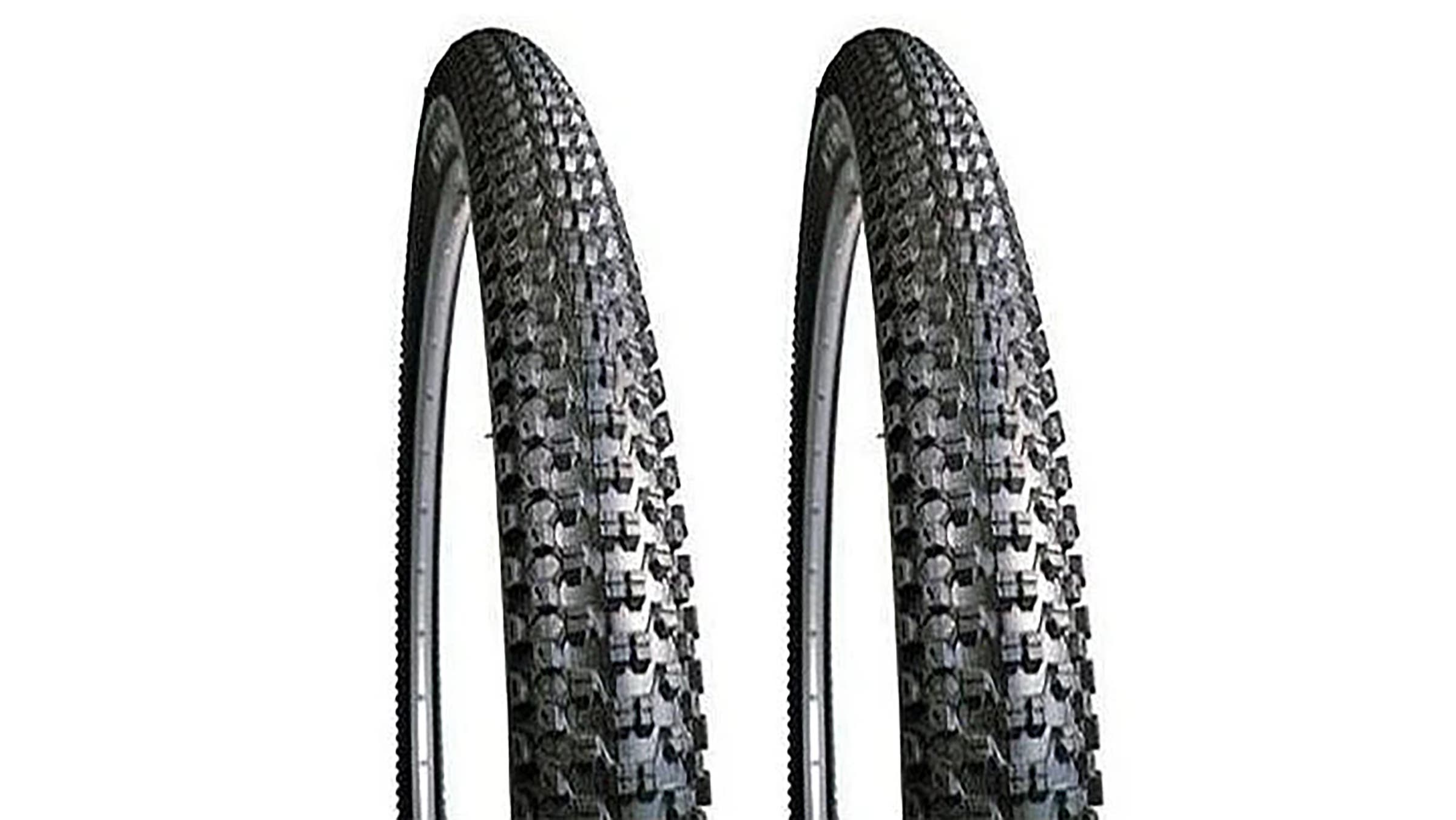
Data from independent trail testing indicates that upgrading to a modern tire, such as the Kenda Small Block 8 Sport, can improve cornering stability by nearly 15% compared to stock tires from a decade ago. This improvement is largely attributed to refined knob geometry and the introduction of more resilient sidewall compounds. For the casual rider, this modification addresses the primary safety concern associated with older equipment—traction loss—thereby extending the operational life of the bike while providing a modern riding feel.
Hydrodynamics and Material Science in Paddleboarding
The rise of stand-up paddleboarding (SUP) during the 2020–2021 period led to a saturated market of entry-level inflatable boards. As these boards move into their fifth and sixth years of use, owners often report a decline in performance, which is frequently misattributed to the board’s inflation capacity or material fatigue.
Industry experts suggest that the paddle, rather than the board, is the primary driver of kinetic energy transfer. Traditional entry-level paddles are often constructed from heavy plastic or aluminum, which flex under pressure, resulting in significant energy loss during the stroke. By upgrading to a stiff, fiberglass, or carbon-fiber adjustable paddle, a user can increase their propulsion efficiency by as much as 20%. The reduction in "swing weight"—the weight at the end of the paddle—also minimizes shoulder fatigue, allowing for longer sessions on the water. This transition reflects a broader trend in water sports: prioritizing the interface tool (the paddle) over the vessel (the board) to achieve superior performance metrics.
The Science of Midsole Degradation in Footwear
Running footwear represents the most frequent point of turnover in the outdoor industry, yet it is also the area where users are most likely to persist with degraded equipment. Modern running shoes utilize advanced PEBA (polyether block amide) foams, which are engineered for high energy return and impact absorption.

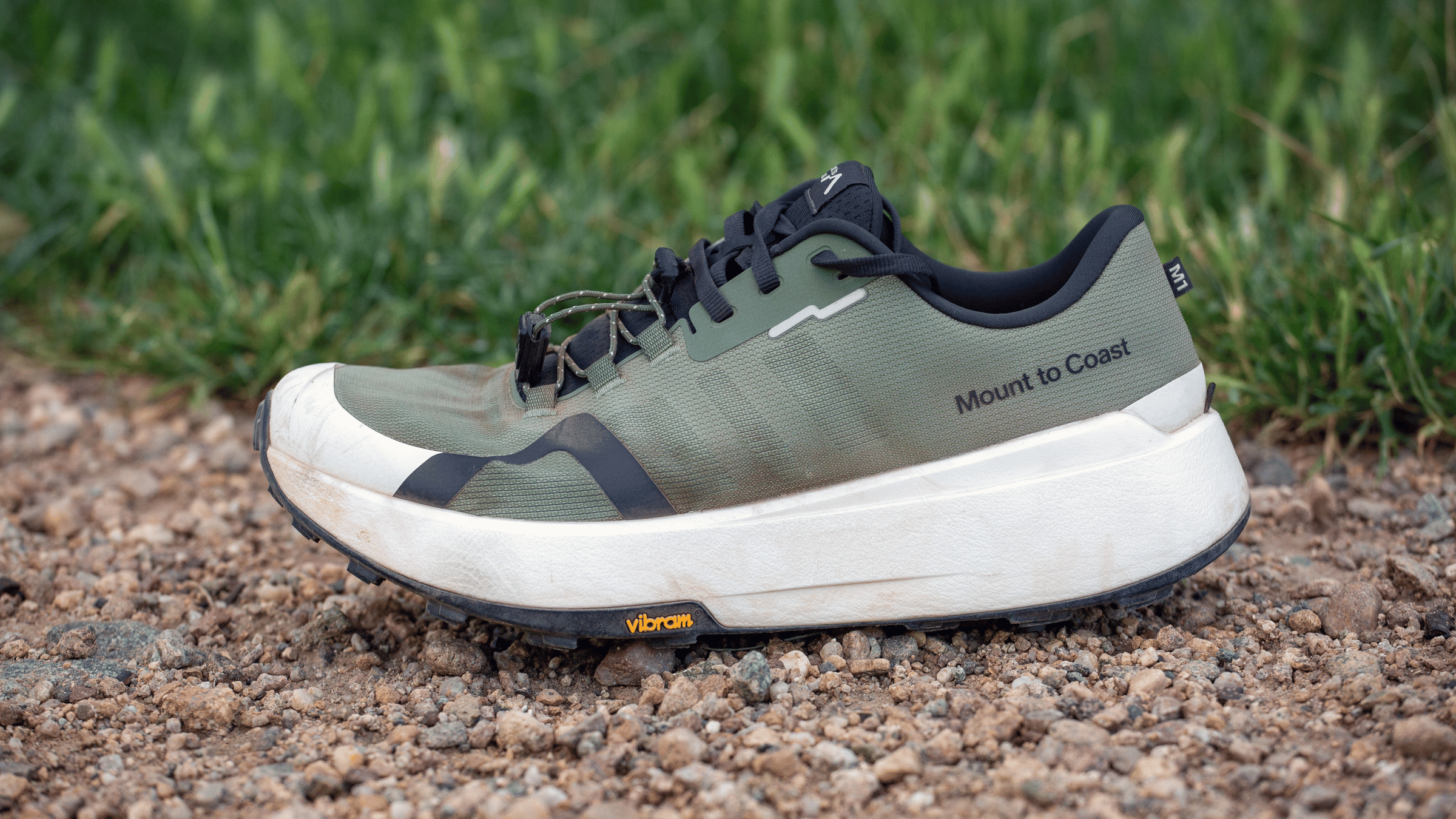
The mechanical degradation of a shoe’s midsole—the "packing out" effect—typically occurs between 300 and 500 miles. Once the structural integrity of the foam is compromised, the shoe loses its ability to dissipate ground reaction forces. This leads to increased kinetic stress on the joints, specifically the knees and ankles. The introduction of "super-trainers," such as the Saucony Endorphin Azura or the Mount to Coast M1, marks a significant shift in footwear engineering. These models incorporate sophisticated dual-lacing systems and responsive foam architectures that cater to a wider range of foot strikes, effectively modernizing the running experience for those who may have been using dated or inappropriate footwear.
Broader Implications for the Outdoor Industry
The trend toward restorative maintenance has implications for both sustainability and consumer behavior. As consumers become more discerning about their spending, manufacturers are increasingly expected to provide components that are compatible with older gear.
"The longevity of a product is now a key performance indicator for many outdoor brands," says a sustainability consultant specializing in circular economies. "We are seeing a shift where consumers are asking for modularity. They want to know if they can replace the shock on their bike or the bladder in their pack. This shift is not just about saving money; it is about reducing the carbon footprint associated with manufacturing new equipment every two to three years."
From a retail perspective, this shift has forced a change in marketing strategies. Rather than focusing solely on the "next big thing," retailers are emphasizing "serviceable design." This includes offering tune-up packages, better tire selection guides, and educational content on how to maintain legacy equipment.
Chronology of Gear Evolution
- 2005–2010: The era of early 29er mountain bikes and initial mass-market penetration of aluminum-shaft paddles.
- 2015–2019: Advancements in composite materials for paddles and the standardization of wider, more efficient tire treads.
- 2020–2021: A surge in SUP and cycling participation; significant strain on global supply chains leads to a temporary shortage of new equipment.
- 2022–2024: The "Maintenance Revolution"; consumers focus on upgrading components to keep existing fleets functional.
- 2025–2026: Emergence of "Super-foam" technology in footwear and highly adjustable, lightweight composite components becoming the standard for entry-level enthusiasts.
Final Analysis: The Value of Precision Upgrades
The decision to replace an entire piece of equipment is often reactionary, driven by the feeling that one’s gear is "out of date." However, an objective analysis of performance suggests that the difference between a high-end experience and a mediocre one often lies in specific, small-scale upgrades.
Whether it is the grip provided by a modern tire compound, the rigidity of a fiberglass paddle, or the energy return of a PEBA-based running shoe, these enhancements function as force multipliers. For the average outdoor enthusiast, this approach provides a dual benefit: it preserves the financial resources typically earmarked for high-cost replacements, and it ensures that the gear being used is optimized for current safety and performance standards. As the industry continues to evolve, the ability to discern between necessary equipment turnover and tactical, performance-enhancing upgrades will remain a critical skill for the modern outdoor participant.