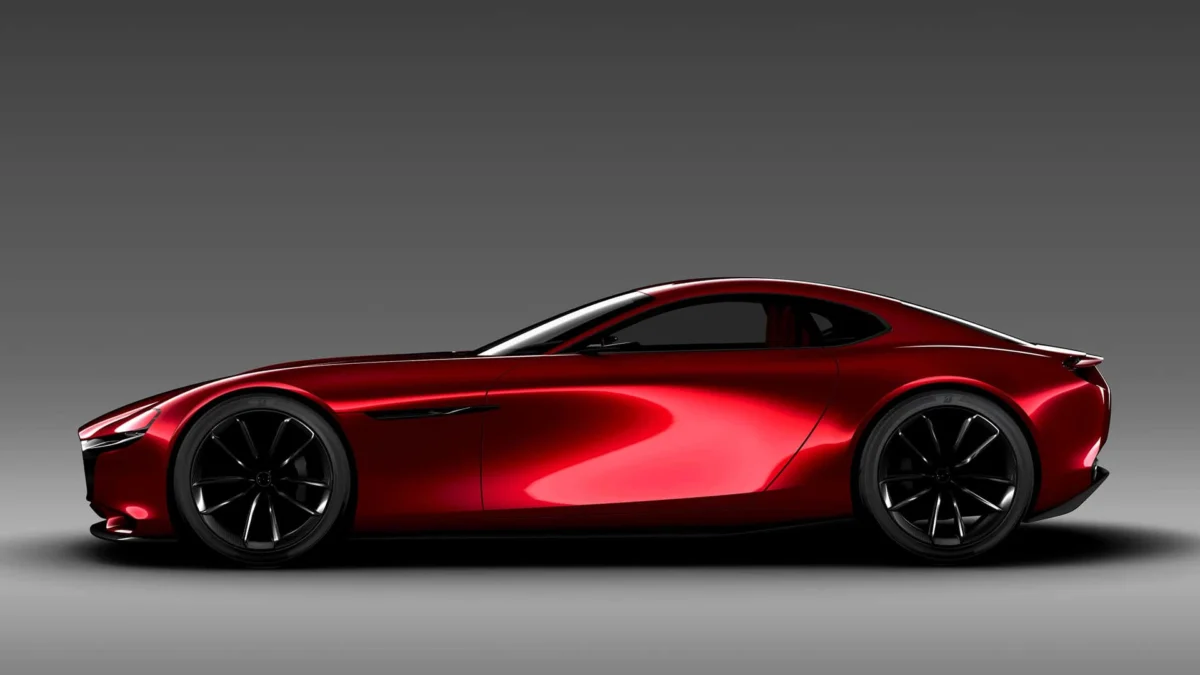
The North American automotive landscape has long been dominated by a monochromatic palette. According to industry data from Axalta Coating Systems, white, black, and gray consistently account for over 75 percent of all new vehicle sales in the United States, reflecting a consumer preference for resale value and understated aesthetics. However, the industry is poised for a chromatic shift in the coming years. At the recent Automechanika Frankfurt trade show in Germany, Axalta, one of the world’s leading suppliers of automotive coatings, announced that its Global Automotive Color of the Year for 2027 is a deep, sophisticated ruby red dubbed "Redefined."
This selection marks a significant departure from the muted tones that have defined the mid-2020s. Redefined is engineered not merely as a pigment, but as a complex finish that utilizes advanced coating technology to simulate the optical properties of a gemstone. By moving away from traditional metallic flakes, Axalta has developed a multi-layered application that relies on the precise interaction of light and surface geometry to create depth, luminosity, and a distinct, shimmering quality that shifts as the vehicle moves through varying lighting conditions.
The Evolution of Automotive Pigment Technology
The development of Redefined represents the culmination of over a decade of research into light-reflective polymers and pigment suspension. While red has been a staple of automotive design since the dawn of the motorcar, Axalta argues that current manufacturing capabilities have rendered previous iterations of the color obsolete. The challenge in creating a high-end red has always been maintaining color consistency across different body panels while achieving a "glass-like" depth that does not wash out under direct sunlight.
Unlike older metallic paints, which use suspended aluminum or mica flakes to create a sparkly finish, Redefined utilizes a proprietary layering system. This process allows the base ruby hue to maintain its saturation while the clear-coat layers interact with the light to provide a three-dimensional effect. For automotive designers, this offers a new tool to accentuate the body lines of modern vehicles, particularly as manufacturers move toward more aerodynamic, curvaceous designs that respond well to light-reactive finishes.
A Chronological Look at Axalta’s Color Trends
To understand the trajectory of Redefined, one must look at the history of Axalta’s annual color program. Initiated 13 years ago, the program serves as a barometer for global design trends, reflecting shifting moods in consumer culture, technology, and sustainability. The inaugural choice in 2014 was "Radiant Red," a vibrant, high-energy shade that set the tone for the program’s early years. Returning to the red family for 2027 is a deliberate nod to that heritage, albeit one that highlights how far the underlying chemistry has progressed.
The transition between these two red-based milestones has seen a wide array of experimental and bold choices:
- 2021: Electrolight – A bright, high-chroma yellow-green, signaling the rise of electric mobility and the need for high-visibility, futuristic aesthetics.
- 2022: Royal Magenta – A deep, regal purple, reflecting a push toward luxury and exclusivity in the premium segment.
- 2023: Techno Blue – A cool, digital-inspired blue that captured the intersection of silicon-valley technology and automotive performance.
- 2024: Starry Night – A dark, sophisticated shade of black with light-catching elements, catering to the enduring demand for high-end, classic aesthetics.
- 2025: Evergreen Sprint – A vibrant, nature-inspired green, reflecting the global focus on sustainability and environmental consciousness.
- 2026: Solar Boost – A warm, energetic orange-gold, designed to evoke optimism and warmth.
The 2027 selection, Redefined, serves as a bridge between these disparate trends, combining the luxury of 2022’s Royal Magenta with the technical complexity expected by the modern luxury consumer.
Industry Implications and Consumer Demand
The announcement at Automechanika Frankfurt was met with significant interest from automotive OEMs (Original Equipment Manufacturers). In an era where vehicle hardware is becoming increasingly standardized due to shared EV platforms, paint and interior finishes have become primary differentiators for brands looking to establish a unique identity.
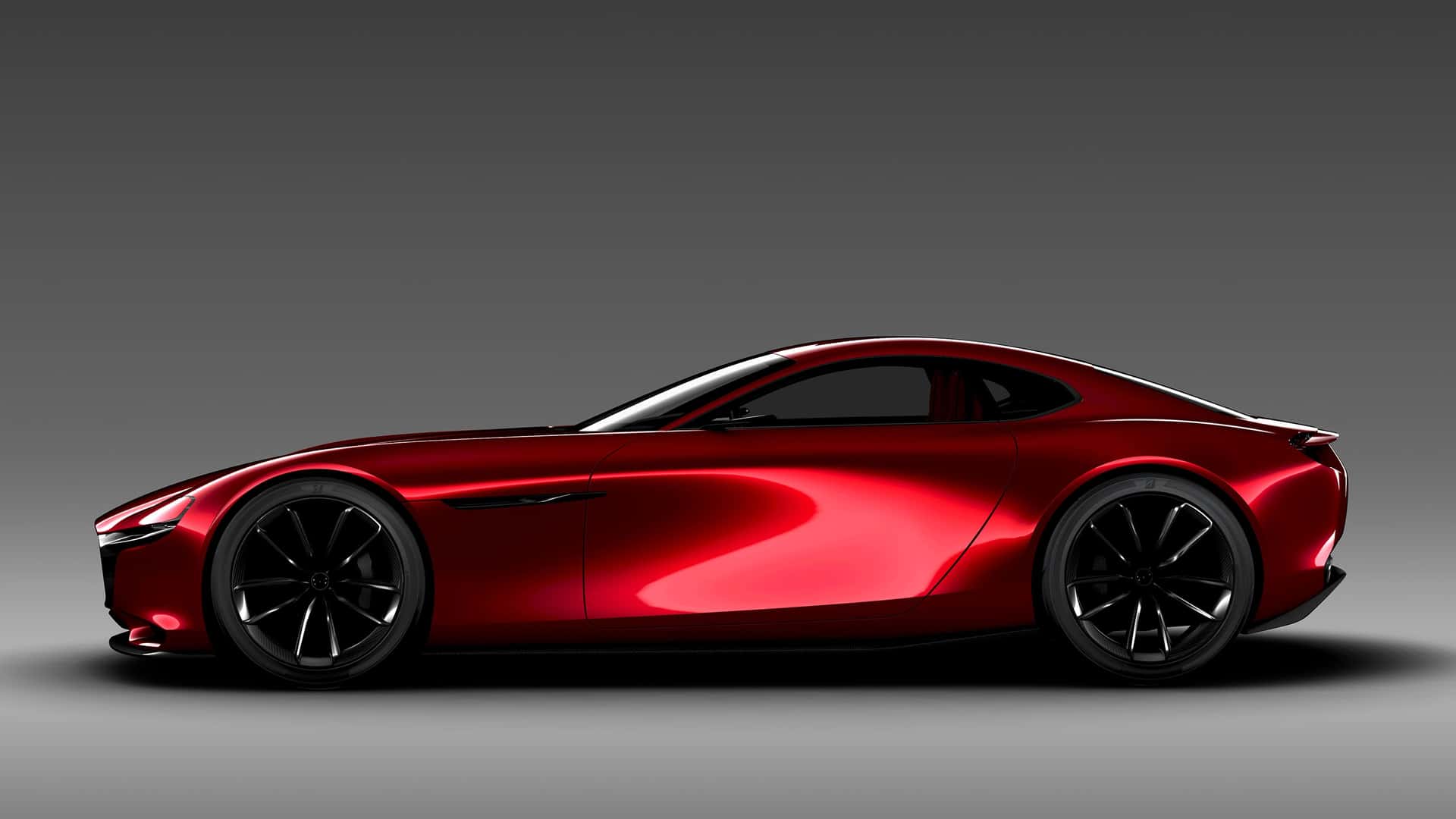
Matthew Boland, Vice President of Global Refinish Technology at Axalta, underscored the philosophy behind the choice, stating that the industry is witnessing a demand for "expressive and individual" vehicles that do not abandon the desire for a timeless, upscale appearance. For the average consumer, this means that the "sea of gray" on highways may soon be punctuated by deeper, more vibrant colors that appear to change character throughout the day.
This trend is already visible across the industry. Infiniti’s recent announcement regarding the 2027 QX65—which features genuine gold-coated glass flecks in its paint—demonstrates a broader push toward "sensory" exterior finishes. Similarly, brands like BMW have been leaning into "Heritage" color programs, reviving vintage shades with modern, high-durability finishes. These developments suggest that automakers are moving away from purely functional paint choices and toward coatings that offer an experiential component to vehicle ownership.
Challenges in Manufacturing and Refinishing
While the aesthetic appeal of a finish like Redefined is clear, the implementation of such technology at scale presents significant challenges for the automotive supply chain. High-depth, multi-layered paints are notoriously difficult to repair in the event of a collision. Because the final color is the result of a precise interaction between light and multiple layers of chemical coatings, traditional spot-repair methods often fail to achieve a perfect match.
This is where Axalta’s role as a leader in "Refinish Technology" becomes critical. The company does not just sell paint to the factory line; it provides the systems used by body shops to match and repair these complex finishes. The introduction of Redefined necessitates the development of new, highly accurate mixing systems and color-matching digital tools for independent repair facilities. Failure to support these repairs would render the color unpopular with fleet managers and leasing companies, who are acutely aware of the "total cost of ownership" associated with specialized, hard-to-repair paint jobs.
Broader Impact on the Automotive Market
The selection of Redefined is more than just a marketing exercise; it is an economic signal. Automotive coatings represent a multi-billion-dollar industry, and the decisions made by companies like Axalta often dictate the inventory strategies of major manufacturers two to three years in advance. By selecting a sophisticated, deep-tone red, Axalta is effectively signaling to the market that the "minimalist" era of automotive styling may be reaching a saturation point.
Market analysts suggest that as the adoption of Autonomous Driver Assistance Systems (ADAS) continues to grow, vehicles are increasingly utilizing sensors that require specific radar-reflective properties. Consequently, future automotive paint must be more than just visually appealing; it must be technologically transparent. The development of coatings like Redefined includes the engineering of pigments that do not interfere with the long-range radar and LiDAR sensors essential for the next generation of vehicles.
Conclusion
As the automotive industry looks toward 2027, the choice of Redefined reflects a convergence of technology, psychology, and design. It is a color that demands attention while maintaining the refined elegance required for high-end luxury vehicles. Whether this signals a permanent departure from the monochromatic trends of the last decade remains to be seen, but it is clear that the paint shop is becoming an increasingly important theater for innovation. As manufacturers look to distinguish their products in an increasingly crowded and standardized market, the ability to offer a finish that is both technically superior and visually arresting will likely become a primary competitive advantage.
The industry’s return to a bold, jewel-toned red is a testament to the enduring human desire for individuality, even within the highly regulated and mass-produced world of modern automotive engineering. For the consumer, the future looks to be a little more vibrant, and perhaps, a little more reflective of the person behind the wheel.