










The transition of the pickup truck from a utilitarian workhorse to a symbol of modern affluence has been one of the most significant shifts in the North American automotive market over the last two decades. While vehicles like the Ford F-150 Lightning, the Chevrolet Silverado, and the RAM 1500 maintain their fundamental engineering purpose—towing, hauling, and off-road capability—they have simultaneously pivoted toward a luxury demographic that demands premium materials, advanced connectivity, and bespoke aesthetic touches.
The Evolution of the Luxury Pickup Market
The rise of the "luxury truck" can be traced to the mid-2000s, when manufacturers began identifying a consumer segment that required the versatility of a truck chassis but desired the interior appointments of a luxury sedan. According to recent market analysis from J.D. Power, the average transaction price for full-size light-duty pickups has seen a compound annual growth rate that consistently outpaces the broader passenger vehicle market. This shift is driven largely by the high profit margins associated with top-tier trims, which allow manufacturers to experiment with premium materials like full-grain leathers, authentic wood accents, and sophisticated digital interfaces.
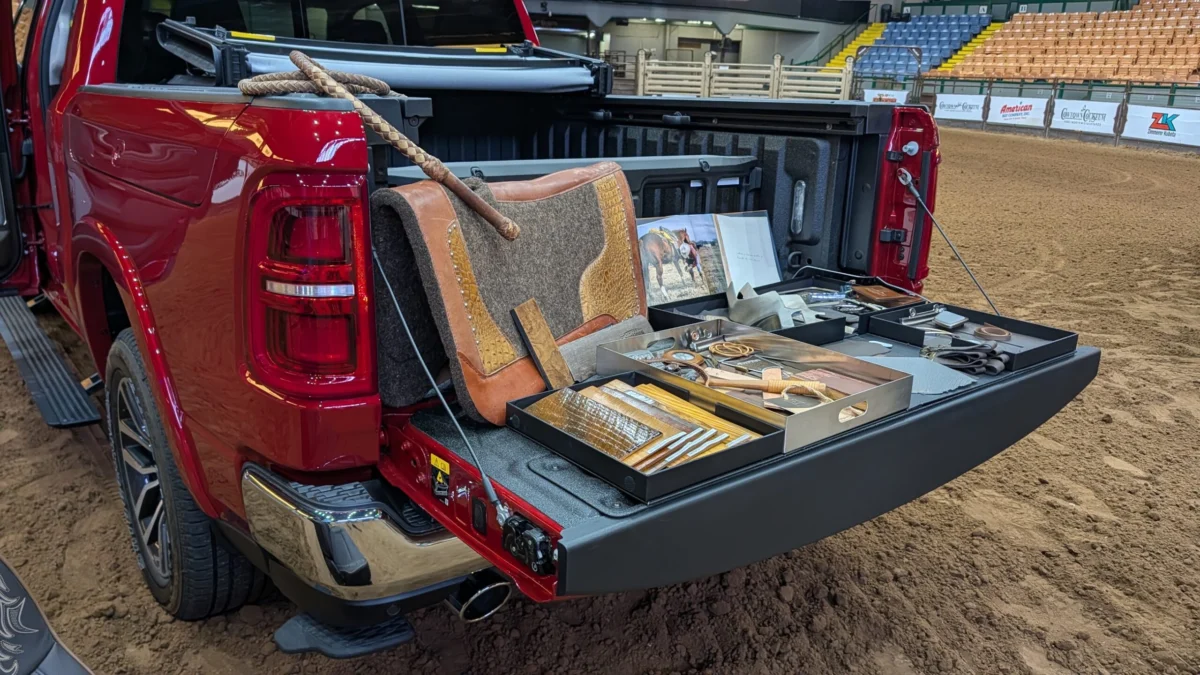
For many consumers, these vehicles serve as "dual-purpose" assets. They provide the necessary utility for property management, recreational towing, or professional contracting, while simultaneously acting as the primary family vehicle for daily commuting. The RAM 1500 Longhorn, in particular, has leaned into this duality by emphasizing a "ranch-hand" aesthetic that prioritizes heritage and tactile quality over the sterile, tech-heavy minimalism found in many modern electric SUVs.

Cultural Context and the Texas Influence
Texas represents the single largest market for full-size pickup trucks in the United States. It is not merely a geographic hub for sales but the primary center for the cultural identity of the segment. The state’s unique landscape—defined by vast ranches, heavy-duty industrial work, and a deep-seated appreciation for outdoor recreation—has made it the primary testing ground for truck design and branding.
The Longhorn trim specifically draws inspiration from the "Cowboy Culture" that permeates the region. This is not a recent marketing invention; the connection between the pickup truck and the American West has been reinforced through decades of iconography, rodeo sponsorships, and the practical necessity of rural life. By integrating design elements such as hand-stitched leather reminiscent of saddle work, reclaimed barn wood sourced from historic structures, and brass detailing, RAM has successfully bridged the gap between high-end luxury and regional heritage.
Technical Specifications and Performance Metrics
Beneath the artisanal interior of the 2025/2026 model iterations of the RAM 1500 Longhorn lies a powertrain designed to meet the rigorous demands of the North American market. The inclusion of the "Hurricane" high-output inline-six engine signifies a shift toward forced-induction efficiency without sacrificing raw power.
- Engine: 3.0-liter Hurricane High-Output I-6
- Horsepower: Up to 540 hp
- Towing Capacity: Exceeding 11,000 pounds when properly equipped
- Payload Capacity: Up to 2,360 pounds
- Drivetrain: Full-time four-wheel drive
These metrics ensure that the vehicle remains a functional tool. While the interior features delicate, polished brass and intricate leather patterns, the chassis remains a steel-frame construction capable of handling heavy trailers and rugged terrain. This creates a fascinating tension: the owner is encouraged to use the vehicle for taxing labor while surrounded by an environment designed to feel like a high-end hunting lodge.

Artisan Design and Material Curation
The interior design of the Longhorn is a study in material authenticity. Unlike some luxury vehicles that utilize "vegan leather" or synthetic wood-grain veneers, the Longhorn focuses on materials that possess a natural, evolving patina. The reclaimed barn wood utilized in the dashboard fascia is a deliberate choice; it provides a textured, non-uniform finish that distinguishes the cabin from the uniform, high-gloss interiors of German or Japanese luxury competitors.
Designers at Stellantis have noted that the "jewelry" within the cabin—the metalwork, the latches, and the trim—is designed to mimic the weight and feel of tools that have been hand-forged. The seatbacks, designed to evoke the aesthetic of vintage saddlebags complete with belt-buckle closures, serve as a narrative device, grounding the vehicle in the history of the working ranch.
Market Implications and Demographic Shifts
The shift toward $80,000 to $100,000 trucks has profound implications for the automotive industry. As the line between "utility" and "prestige" blurs, manufacturers are finding that brand loyalty is increasingly tied to the truck’s lifestyle branding. The success of the Longhorn trim suggests that buyers are looking for a vehicle that functions as a statement of identity rather than just a conveyance.
However, this trend presents a challenge: the "niche" nature of such high-end, culturally specific design can be polarizing. A truck that celebrates the aesthetic of the American West may not resonate with urban demographics, leading to a fragmented market where trims are hyper-localized to specific geographic or cultural preferences.

Industry analysts observe that this strategy is a hedge against the electrification of the market. As the industry moves toward EVs, the "soul" of the vehicle—defined by its interior craftsmanship and the heritage of the brand—becomes the primary differentiator. For those who prioritize a visceral, analog experience in an increasingly digitized world, the RAM 1500 Longhorn offers a reprieve.
Conclusion: The Modern Hunting Lodge on Wheels
The modern luxury pickup is a paradox. It is a vehicle that commands a price point previously reserved for luxury sedans and premium SUVs, yet it retains the rugged engineering that allows it to operate in the most demanding environments in the country.
The RAM 1500 Longhorn succeeds not because it is the most technologically advanced vehicle on the market, but because it provides a cohesive experience. It acknowledges the history of the vehicle segment while elevating the quality of the materials to meet modern expectations of comfort. Whether it is being used to haul hay on a ranch or as a comfortable, quiet cruiser on an interstate, it represents the current pinnacle of the American pickup truck’s transition from a tool of necessity to a symbol of status.
As we look toward the future of the automotive sector, the success of these high-trim, luxury-focused trucks will likely continue to influence design language across all vehicle classes, proving that there is a significant, sustained demand for products that manage to balance extreme capability with unapologetic, artisan-level refinement.