












The global foldable smartphone market is bracing for a potential shift in design philosophy as new intelligence indicates that Chinese consumer electronics manufacturer Vivo is actively developing a "wide fold" device targeted for a 2027 commercial launch. While major industry competitors lean heavily into larger inner displays exceeding 7.5 inches, early supply chain disclosures suggest Vivo is charting a notably distinct path by conceptualizing a much more compact device with a main screen footprint measuring under 6.5 inches.
This development, originally brought to light on the microblogging platform Weibo by reliable industry tipster Digital Chat Station (DCS), highlights an evolving narrative within the foldable sector. As folding screen technology matures, manufacturers are increasingly experimenting with alternative aspect ratios and physical dimensions to address ergonomic concerns, pocketability, and daily usability challenges that have historically plagued early foldable adopters.
Background and Evolution of the Wide Foldable Trend
The concept of the wide foldable—a form factor characterized by a wider, more traditional outer display aspect ratio compared to the tall, narrow screens pioneered by early generations of folding phones—has gained considerable traction across the mobile industry. Samsung’s ongoing refinement of its Galaxy Z Fold series, alongside competing offerings from brands like Honor and Oppo, has successfully mainstreamed the horizontal folding mechanism.
Initially, manufacturers adopted tall, narrow cover displays to make devices easier to hold with one hand when closed, mimicking conventional candy-bar smartphones only when absolutely necessary. However, consumer feedback overwhelmingly signaled a preference for cover screens that mirror standard smartphone widths. This realization sparked a race to engineer wider chassis designs that offer a more natural typing experience and better application compatibility on the outer screen, while retaining a massive tablet-sized workspace upon opening.
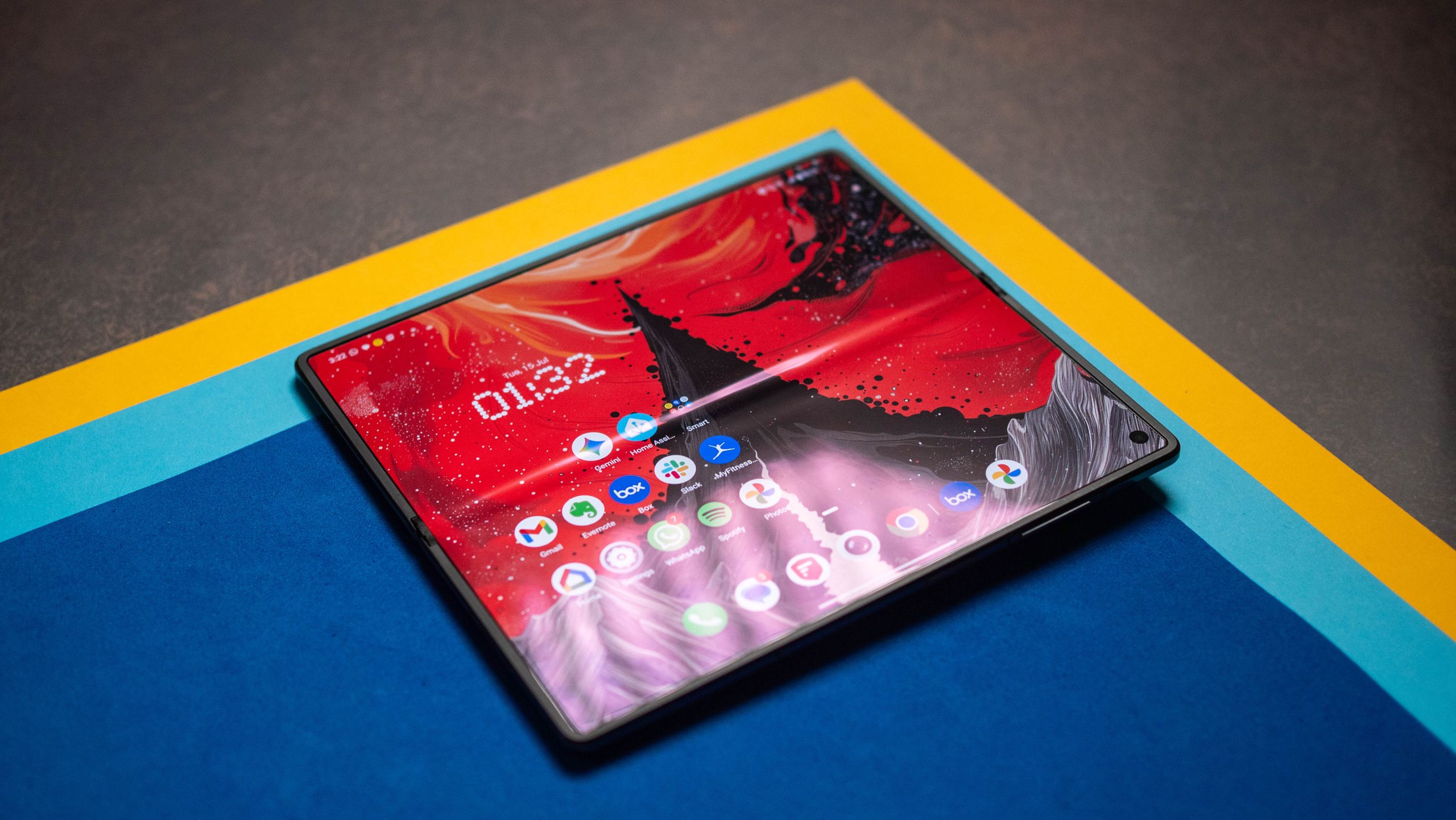
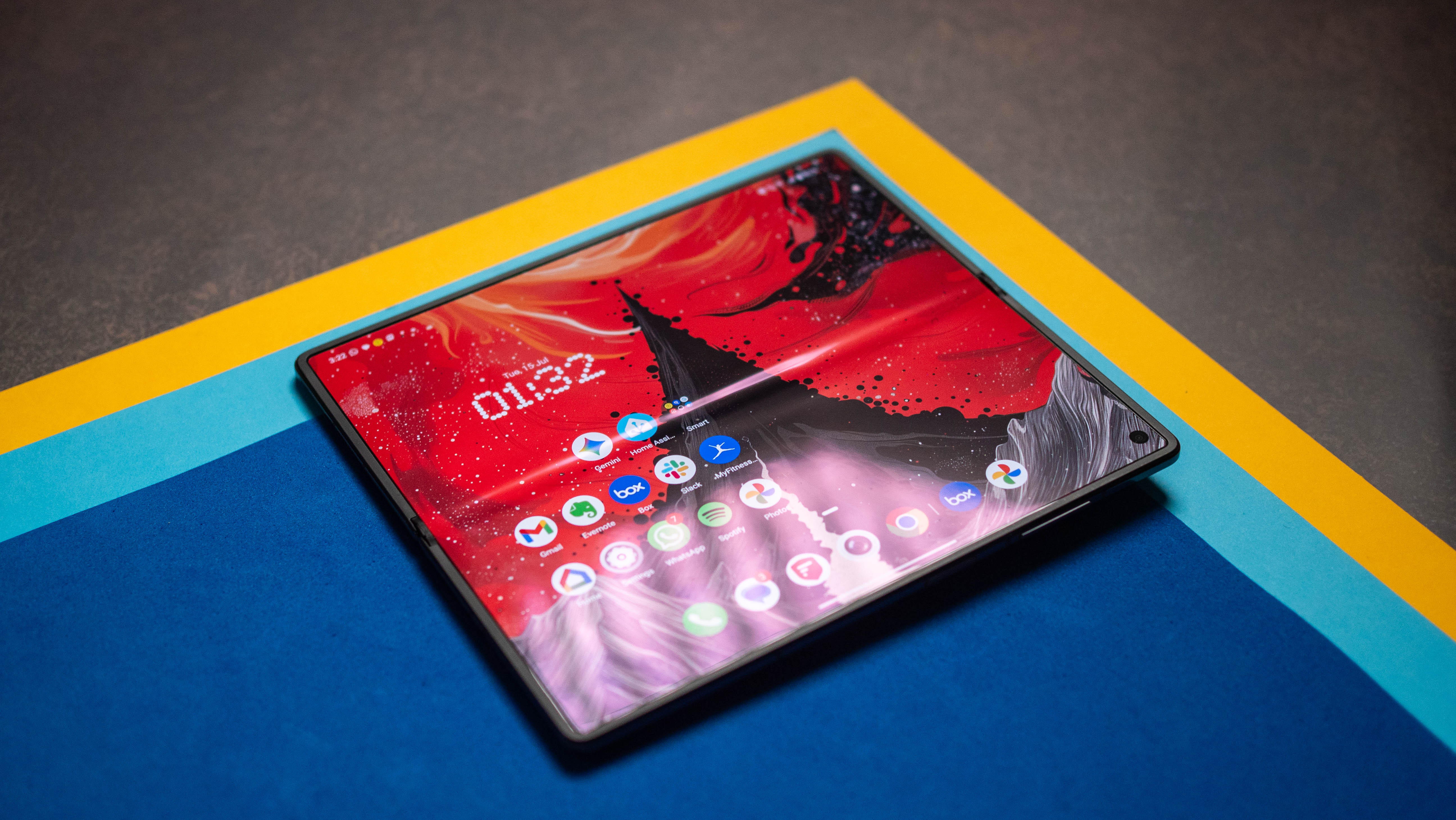
While brands such as Honor and Oppo are rumored to be developing wide foldables featuring standard 7.6-inch internal displays paired with massive battery capacities exceeding 7,000mAh, Vivo’s reported pivot toward a sub-6.5-inch internal screen challenges the prevailing "bigger is better" ethos. By prioritizing a more compact physical footprint, Vivo appears to be targeting consumers who desire the multitasking capabilities of a foldable device without the added bulk and weight that typically accompany larger models.
Chronology of Leaks and Hardware Development Status
The timeline surrounding Vivo’s next-generation foldable ambitions has taken shape incrementally through supply chain whispers and regulatory trackers:
- Late 2024 to 2025: Industry analysts note an influx of component orders and patent filings from major Chinese OEMs—including Vivo, Oppo, and Honor—focusing on wider aspect ratios to challenge Samsung’s dominance in the global folding market.
- Early 2026: Speculation initially ties Vivo’s upcoming wide fold concept to an anticipated "X Fold 6" moniker, though industry experts quickly clarify that naming conventions and generational release cycles make direct mapping premature.
- Mid-2026: Digital Chat Station reveals on Weibo that Vivo’s development cycle for the compact wide foldable is advancing steadily, with a target commercial debut slated tentatively for 2027. DCS reports that a significant majority of the device’s fundamental hardware components have already been finalized.
- First Quarter 2027 (Anticipated Window): Competitors like Oppo are simultaneously rumored to be aligning their own wide-folding launches—potentially featuring Qualcomm Snapdragon 8 Elite Gen 6 architecture—for early 2027, setting the stage for a crowded marketplace.
Technical Speculation and Component Finalization
Although Vivo has maintained an official silence regarding its 2027 product roadmap, supply chain leaks provide a clearer picture of what the device might entail. According to internal hardware tracking reports shared by industry insiders, the core architectural planning for the device is largely complete.
The primary engineering challenge of a sub-6.5-inch wide foldable lies in component density. Designing a folding mechanism, hinge assembly, battery management system, and multi-camera array that can fit comfortably inside a significantly reduced chassis requires extreme miniaturization. Analysts point out that Vivo’s historical expertise in engineering exceptionally thin folding devices—demonstrated in previous iterations of the X Fold series—positions the company well to tackle these space constraints.
Furthermore, community reactions on platforms like Weibo suggest that consumers are less concerned by the reduction in screen size, provided that the internal specifications remain uncompromised. Speculation suggests that Vivo intends to pack flagship-tier processors, advanced camera sensors, and premium display technologies into the smaller chassis, effectively offering a high-performance flagship experience in a micro-foldable format.
Comparative Market Landscape
To understand the significance of Vivo’s rumored strategy, it is helpful to examine the current trajectory of its primary competitors:
- Samsung Electronics: As the pioneer and market leader in the horizontal fold category, Samsung continues to push mainstream adoption with the Galaxy Z Fold series, maintaining a standard 7.6-inch inner display standard that prioritizes expansive media consumption and productivity.
- Honor: Rumors surrounding Honor’s competing wide foldable point to a traditional 7.6-inch internal screen paired with a 5.5-inch cover display, supported by ultra-high-capacity battery solutions designed to mitigate power consumption concerns.
- Oppo: Leak reports indicate Oppo is similarly positioning a 7.6-inch wide foldable device for early 2027, heavily reliant on next-generation silicon such as Qualcomm’s advanced processing architectures to maintain competitive performance and energy efficiency.
- Vivo: Standing apart from the consensus, Vivo’s sub-6.5-inch concept represents the sole known attempt by a major manufacturer to scale down the overall dimensions of a wide foldable, potentially creating an entirely new sub-category within the folding market.
Strategic Implications and Industry Impact
Vivo’s decision to explore a more compact wide foldable carries several important implications for the smartphone industry:
- Ergonomics Over Maximum Screen Real Estate: By acknowledging that some users find current foldable devices too heavy or unwieldy for everyday pocket carry, Vivo is attempting to solve a critical ergonomic pain point. A smaller folding phone could appeal to users who have previously rejected foldables purely on the grounds of size and weight.
- Differentiation in a Crowded Market: With multiple Android manufacturers offering similar large-screen folding form factors, market differentiation has become increasingly difficult. A compact wide foldable allows Vivo to carve out a unique selling proposition, capturing a distinct demographic of consumers who prefer one-handed usability.
- Manufacturing and Yield Challenges: Engineering a durable, crease-resistant folding screen at a smaller scale presents unique manufacturing hurdles. The microscopic tolerances required for hinges and ultra-thin glass layers become even more complex when overall physical dimensions are reduced. Vivo’s success will heavily depend on its ability to maintain structural integrity and component reliability within a tighter space.
As the industry marches toward 2027, attention will remain fixed on supply chain updates, patent publications, and any official announcements from Vivo. Whether this compact wide foldable concept materializes into a commercial milestone or remains an experimental design exercise, it underscores a healthy willingness among manufacturers to innovate beyond standard industry templates in the pursuit of the ultimate portable computing device.