










The linguistic roots of the word "ski" trace directly back to the Old Norse word "skíð," meaning a split piece of wood. Archaeological evidence, including rock carvings discovered in Northern Norway, suggests that the Sami people were utilizing primitive wooden planks for transport and hunting across the Scandinavian tundra as early as 4,000 to 5,000 years ago. This historical legacy has evolved from a survival necessity into a global cultural phenomenon, with Norway remaining the spiritual and technical epicenter of the sport. The country’s profound influence on winter sports is not merely historical; it is reflected in the dominance of Norwegian athletes at the Olympic Winter Games and the persistent evolution of high-performance technical apparel originating from the region.
A Legacy of Technical Innovation
Helly Hansen, a company established in 1877, serves as a primary example of this Nordic industrial evolution. Founder Helly Juell Hansen, a Norwegian sea captain, initially focused on protecting sailors from the harsh North Atlantic environment by creating waterproof oilskins made from coarse linen soaked in linseed oil. This heritage of extreme weather protection laid the groundwork for the company’s transition into alpine sports apparel. Nearly 150 years later, the brand has shifted its focus toward the intersection of high-altitude performance and climate-resilient manufacturing.

The development of modern ski gear is characterized by a "systems approach" to apparel. Rather than treating garments as isolated items, contemporary manufacturers like Helly Hansen utilize integrated layers—base, mid, and outer—to manage thermoregulation. The industry has seen a pivot toward synthetic, sustainable insulation, moving away from traditional down in high-exertion scenarios to ensure thermal consistency even when moisture is present.
The Evolution of Materials: Lifaloft and Beyond
Central to the current performance standard is the refinement of synthetic insulation technology. The Alpha and Alphelia jacket series, staples in the resort skiing market, have undergone significant material updates for the upcoming season. The integration of Lifaloft—a proprietary insulation material developed in collaboration with Primaloft—represents a shift toward high-loft-to-weight ratios. Data indicates that this synthetic alternative offers the warmth of traditional insulation but with a lower density, which reduces the overall mass of the garment while increasing breathability.
Engineers have prioritized technical safety features as a response to the increasing popularity of backcountry and resort-boundary skiing. The inclusion of the RECCO Advanced Rescue System—a transponder technology used by professional search and rescue teams worldwide—is now a standard feature in high-end resort jackets. Furthermore, the development of the "Life Pocket+" utilizes aerogel insulation to protect mobile battery life against extreme cold, acknowledging that modern skiers rely heavily on GPS and communication devices in alpine environments.

The Legendary Performance Metric
The market for ski trousers has shifted toward "multi-modal" functionality, where gear must perform equally well on a high-speed chairlift in sub-zero temperatures and during a strenuous uphill hike. The "Legendary" line of ski pants utilizes two-way stretch fabric, a design choice necessitated by the biomechanical demands of modern carving techniques. By incorporating thigh-venting systems, designers allow for active heat management, a critical factor for maintaining user comfort during high-intensity physical output.
Analysis of current market trends suggests that durability is the primary consumer demand. Reinforced overlays in high-wear zones, such as the cuffs and inner knees, are now standard in professional-grade apparel. This focus on longevity also aligns with broader sustainability goals, as gear that lasts for multiple seasons reduces the environmental impact associated with the rapid turnover of synthetic consumer goods.
The Ski Free Initiative: A Strategic Industry Response
To incentivize participation and reinforce its market position, Helly Hansen has maintained its "Ski Free" program. This strategic initiative, which offers a complimentary one-day lift pass with the purchase of specific outerwear, serves as a bridge between the retail sector and the resort economy. With over 80 participating resorts globally, the program acts as a data-driven marketing tool that encourages consumers to engage with the product in its intended environment. From a macro-economic perspective, such initiatives bolster resort visitation numbers during shoulder months, providing a stabilizing effect on the cyclical winter sports industry.

The Role of Midlayers in Alpine Thermoregulation
The function of the midlayer has undergone a quiet revolution. Where once heavy, non-breathable fleece was the industry standard, modern designs like the Versalite half-zip utilize grid-pattern structures. This geometry is designed to create air channels that trap heat while allowing water vapor to escape, effectively managing the "micro-climate" between the base layer and the outer shell. This transition is essential for skiers who move between intense physical exertion—which generates heat and perspiration—and static periods on chairlifts, which quickly dissipate body heat.
Professional Standards: The Ski Patrol Connection
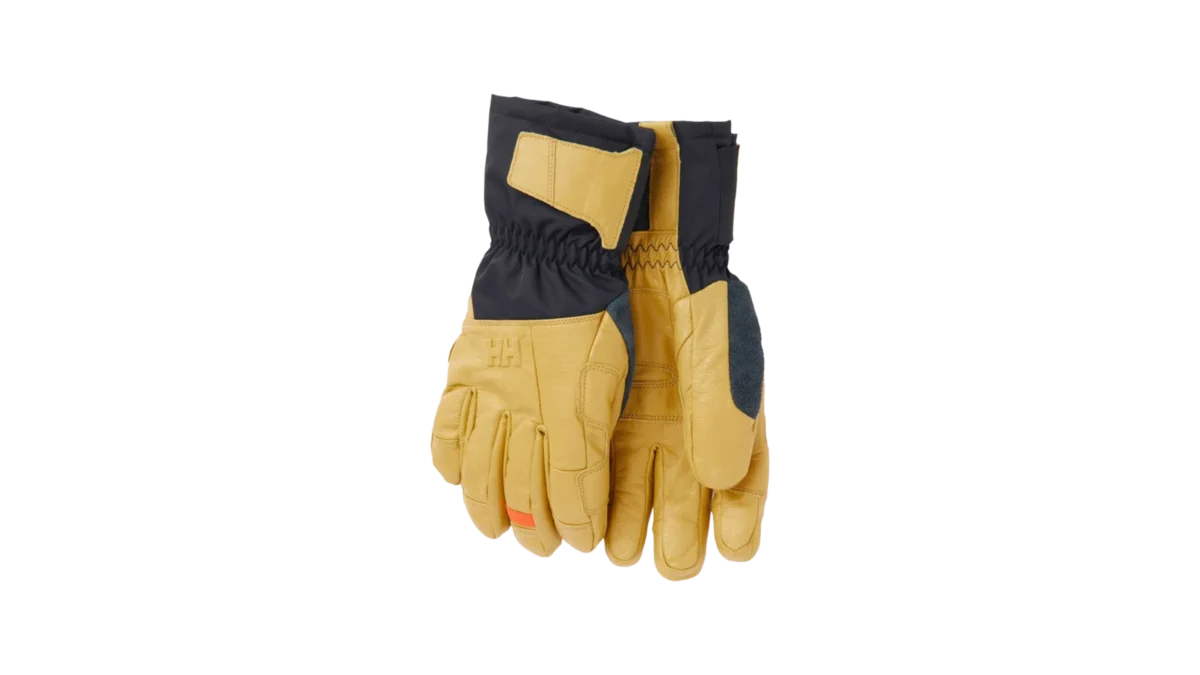
The design of equipment, particularly handwear, is often informed by the most rigorous end-users: professional ski patrol teams. The Odin Winter Gloves demonstrate the result of this iterative design process. By consulting with professionals who spend upwards of 200 days a year in the elements, the brand has optimized for dexterity, grip, and moisture management. The incorporation of Primaloft Black Eco insulation signifies the industry’s commitment to using recycled materials without compromising the thermal efficiency required for occupational safety.
Industry Implications and Future Trends
The trajectory of the ski apparel industry is currently dictated by three primary factors: climate adaptation, material sustainability, and digital integration. As global winters become increasingly unpredictable, the demand for "adaptive" gear—garments that can handle a wider range of temperatures—will continue to rise.

Furthermore, the integration of safety technology is no longer optional. As resorts expand their offerings to include side-country terrain, the inclusion of passive safety systems like RECCO is becoming a baseline expectation for consumers. From an environmental standpoint, the industry is under pressure to move toward circular manufacturing, with companies like Helly Hansen increasingly investing in repairability and the use of recycled synthetic fibers.
Conclusion: A Synthesis of History and Tech
The narrative of ski apparel is no longer just about fashion; it is a branch of technical engineering that draws on centuries of survivalist knowledge from the Norwegian tradition. By combining the historical heritage of the Sami hunters with the cutting-edge material science of the 21st century, manufacturers have created a ecosystem of gear that allows for longer, safer, and more comfortable experiences in the mountains. As the industry looks toward the next decade, the focus remains on enhancing the human experience in the cold, proving that while the sport of skiing may have ancient roots, its future is firmly planted in the potential of advanced textile technology.
The ongoing success of this sector demonstrates that the demand for high-performance gear remains robust, supported by a consumer base that values both the historical pedigree of their equipment and the technological security required for modern alpine exploration. As global interest in winter sports persists, the synergy between traditional manufacturing regions like Norway and the global demand for durable, weather-resistant apparel remains a cornerstone of the outdoor retail landscape.