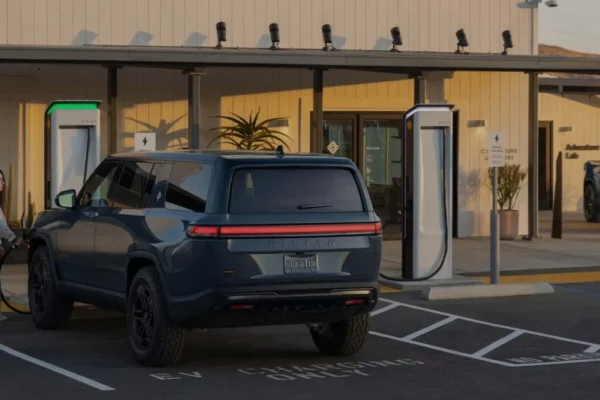








Since the initial rollout of its proprietary AI assistant in May, electric vehicle manufacturer Rivian has signaled a strategic shift toward deeply embedding machine learning into the driving experience. While the debut version of the assistant focused on foundational tasks—such as basic cabin climate control, navigation queries, and rudimentary messaging—the company’s long-term roadmap aims to transition from a passive voice-command system into a proactive, agentic digital companion. According to comments made by Rivian’s Chief Software Officer, Wassym Bensaid, during an appearance on the Plugged-In Podcast, the automaker is moving toward a future where the vehicle serves as a central hub for a driver’s entire digital life.
A Chronology of Integration
The evolution of the Rivian Assistant has been rapid and iterative. Following the May launch, which provided users with an interface capable of answering general knowledge questions, the company prioritized interoperability with existing productivity tools. In the months that followed, Google Calendar integration arrived, allowing drivers to manage their schedules and adjust meeting details while in motion. By October, the company expanded these capabilities to include Gmail, further tethering the vehicle to the user’s personal and professional digital ecosystems.
These updates represent the first phase of a broader software-defined vehicle strategy. By utilizing over-the-air (OTA) updates, Rivian has demonstrated an ability to deploy complex feature sets without requiring owners to visit service centers for hardware upgrades. This model has become a benchmark for modern EV manufacturers, allowing for a continuous improvement cycle that keeps vehicle software competitive with mobile device ecosystems.
The Vision of Agentic AI
The term "agentic" is becoming increasingly prominent in automotive tech, referring to software that can perform tasks on behalf of the user rather than simply responding to direct prompts. In the context of Rivian’s future roadmap, this means the vehicle will transition from a reactive tool to an anticipatory assistant.
Bensaid highlighted the potential for the vehicle to manage external services, such as coordinating coffee orders. In this scenario, the AI would synthesize location data, traffic patterns, and personal preferences to initiate an order at a precise moment, ensuring the product is ready upon the driver’s arrival. This level of automation requires a high degree of "grounding"—a technical process where the AI cross-references real-world data with user intent—to ensure reliability and safety.
Revolutionizing the Service Experience
Perhaps the most significant impact of Rivian’s AI investment lies in the realm of vehicle maintenance. Automotive service has historically been a point of friction for both manufacturers and owners, often involving reactive repairs, unexpected downtime, and manual scheduling. Rivian intends to disrupt this paradigm through predictive diagnostics.
By leveraging AI to monitor vehicle health in real-time, the system will soon be able to proactively identify mechanical or software anomalies before they result in a breakdown. The AI will then automatically initiate a service request, verify the availability of necessary parts at the nearest facility, and offer the owner an appointment window. This creates a closed-loop system that reduces administrative overhead for the service center and minimizes inconvenience for the customer. From a business perspective, this efficiency acts as a significant cost-reduction lever, allowing the company to scale its fleet without a linear increase in service center personnel.
Addressing Growing Pains and Technical Hurdles
Despite the ambitious goals, the transition to advanced AI is not without challenges. Early adopters have noted inconsistencies in the Assistant’s performance, particularly regarding natural language processing and the reliability of complex commands. Bensaid acknowledged these "growing pains," characterizing them as a natural byproduct of deploying sophisticated technology in a dynamic environment.
Refining these features requires a dual approach: optimizing the AI’s internal processing and strengthening partnerships with third-party data providers. The complexity of "grounding" requests—ensuring the assistant understands the context of a command within the vehicle’s specific cabin environment—is a task that requires extensive data testing. Consequently, the company is prioritizing stability over speed. While internal development is moving quickly, the rollout of these more complex "agentic" capabilities is currently targeted for a 2027 release window.
The Ultimate Goal: Screen-Free Interaction
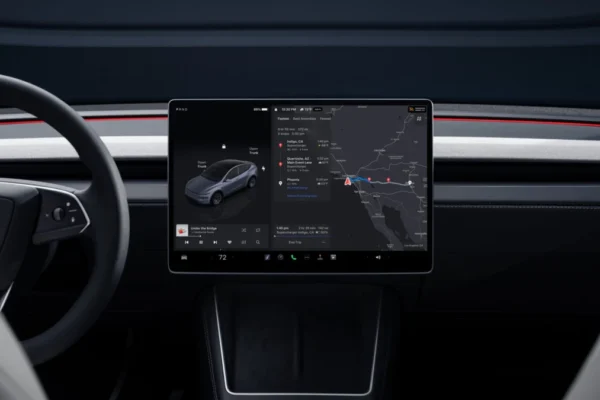
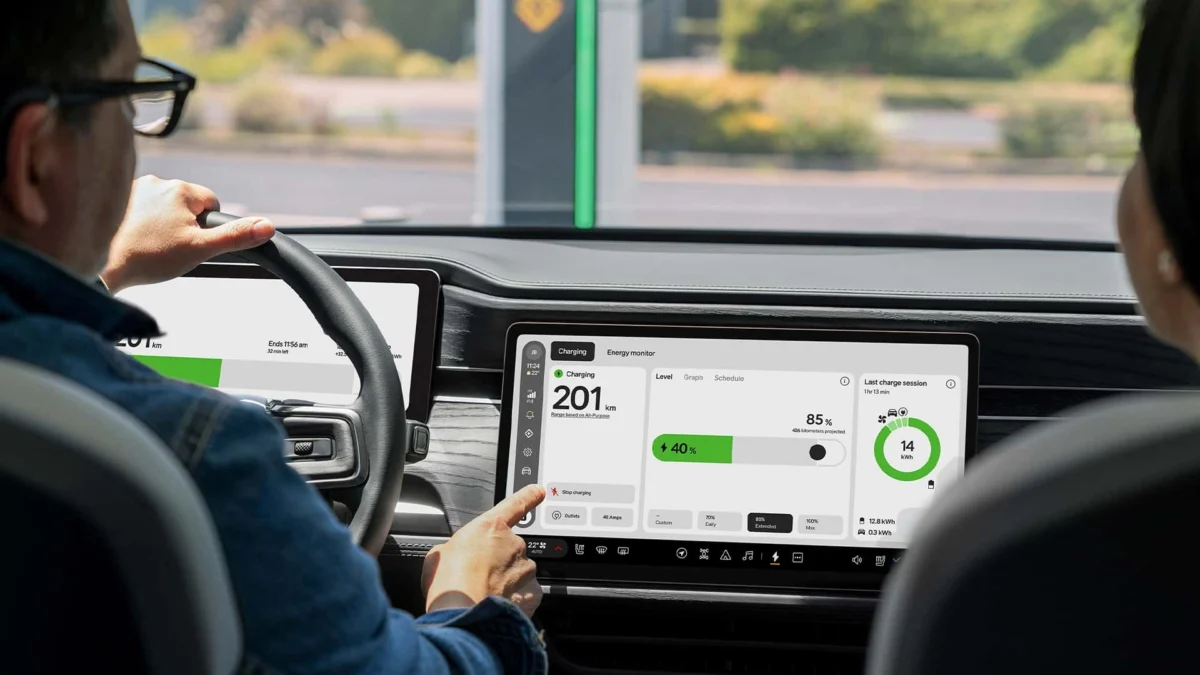
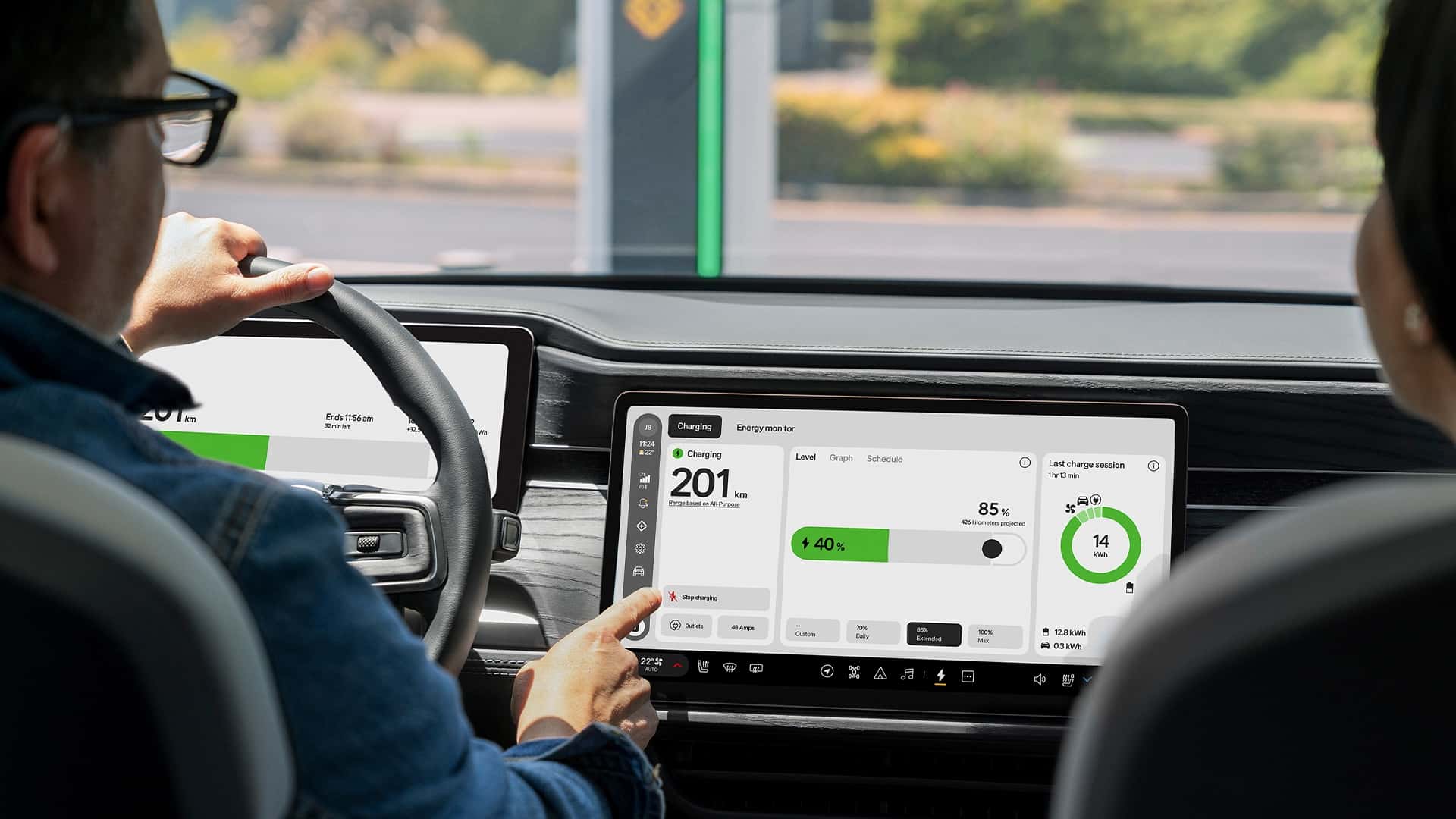
Rivian’s ultimate design philosophy for its software stack is the eventual elimination of manual touchscreen interaction for common tasks. Bensaid envisions a "deep OS integration" where the voice-driven AI acts as the primary interface for every vehicle function. Whether it is adjusting suspension settings, managing advanced driver-assistance systems (ADAS), or configuring media preferences, the goal is for the user to be able to perform these actions through natural language, effectively turning the vehicle’s operating system into a high-functioning conversational partner.
This shift is critical for the future of user interface design. As vehicles become increasingly complex, with dozens of sub-menus and settings, physical or touch-based controls can lead to driver distraction. A robust, highly integrated AI could theoretically reduce the cognitive load on the driver by handling deep-menu adjustments through simple voice requests.

Market Implications and Competitive Positioning
Rivian’s aggressive pursuit of AI integration puts it in direct competition with other tech-forward automakers, including Tesla and various legacy manufacturers currently pivoting to software-defined architectures. However, by focusing on a "personal digital ecosystem" that extends beyond the car, Rivian is attempting to differentiate itself through utility.
For investors and market analysts, the success of this strategy is tied to the company’s ability to maintain a high-quality user experience while scaling production of the R1 and R2 platforms. The R2, which represents a more mass-market offering for the brand, will likely serve as the primary vessel for these advanced AI features. If successful, this software-first approach could serve as a significant moat, creating high switching costs for consumers who become accustomed to the convenience of a fully integrated, agentic vehicle.
Future Outlook
As of early 2025, the automotive industry is at an inflection point regarding generative AI. The transition from simple "voice commands" to "intelligent agents" is expected to be the defining trend of the next decade. For Rivian, the roadmap through 2027 is clear: move from being an automaker that provides a car to a technology company that provides a platform.
While the technical hurdles of reliability, data privacy, and software stability remain, the company’s transparent approach to these challenges—admitting to ongoing refinements while providing clear timelines—suggests a mature management of expectations. The next two years will be critical for the company as it shifts from testing these features internally to broad-scale deployment. If the promised service, scheduling, and ecosystem integrations manifest as planned, the Rivian ownership experience may fundamentally change, transforming the vehicle into an active participant in the daily lives of its users.
The broader implications for the automotive sector are clear: the value proposition of a car is shifting from pure mechanical performance to the intelligence of its software ecosystem. As Rivian continues to refine its assistant, the industry will be watching closely to see if this "agentic" model can truly deliver on the promise of a more delightful, efficient, and intuitive driving experience.