











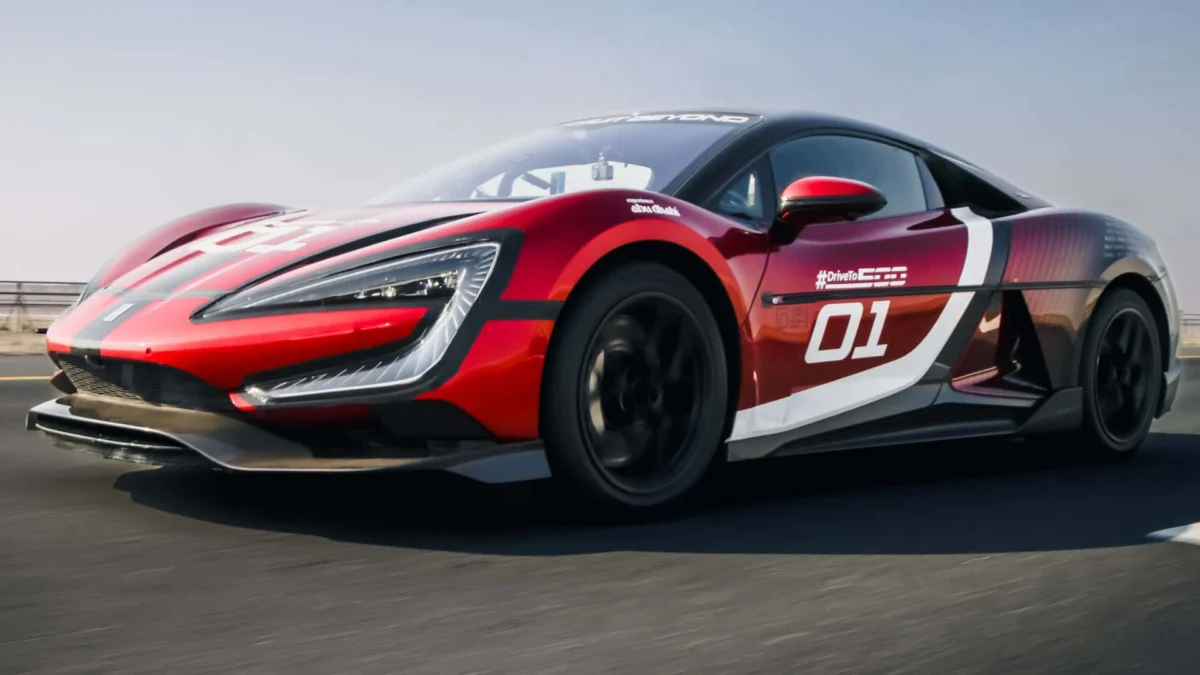
The automotive industry has officially entered a new era of performance as the BYD Yangwang U9 Xtreme, a two-door electric hypercar, has become the first production vehicle in history to exceed the 500 kilometers per hour (310 miles per hour) threshold. On November 1, 2025, the vehicle reached a staggering top speed of 503.17 kph (312.6 mph) on a closed stretch of the E11 motorway in the Al Dhafra Region of Abu Dhabi, United Arab Emirates. This milestone marks a significant shift in the global automotive hierarchy, as a Chinese-manufactured electric vehicle (EV) now holds the title for the fastest production car in existence, surpassing long-standing benchmarks previously dominated by internal combustion engine (ICE) hypercars from European manufacturers.
A Chronology of Record-Breaking Performance
The journey to the 500 kph barrier was not an overnight success but the result of a rigorous, multi-stage testing program. BYD had signaled its ambition to push the limits of its flagship hypercar as early as 2024, aiming to prove that modern electrification could compete with, and ultimately eclipse, the highest echelons of automotive engineering.
The momentum gathered in September 2025, when the Yangwang U9 Xtreme set a world record of 496.22 kph (308.3 mph). While that performance was enough to claim the title of the world’s fastest car at the time, the engineering team remained unsatisfied, setting their sights on the elusive 500 kph milestone.
The final record-breaking attempt took place over two days in the UAE. German racing driver Marc Basseng, a veteran of high-speed endurance testing, was tasked with piloting the vehicle. The initial runs on October 31 saw the vehicle reach a maximum of 490 kph (304.4 mph). Recognizing that the vehicle had more potential, the engineering team spent the intervening hours fine-tuning the car’s aerodynamics, suspension geometry, and tire pressures. By the final run on the second day, these adjustments allowed the U9 Xtreme to break through the 500 kph barrier, with the data officially validated by Racelogic recording equipment.
Engineering the Future: Technical Specifications
The Yangwang U9 Xtreme is not merely a prototype built for a singular run; it is a limited-production hypercar that embodies the current zenith of BYD’s "e4" platform technology. The vehicle is powered by a sophisticated quad-motor electric powertrain that generates a combined output of 2,977 horsepower. This immense power is managed through a 1,200-volt high-voltage electrical architecture, which is critical for maintaining power delivery at extreme speeds without succumbing to thermal throttling.
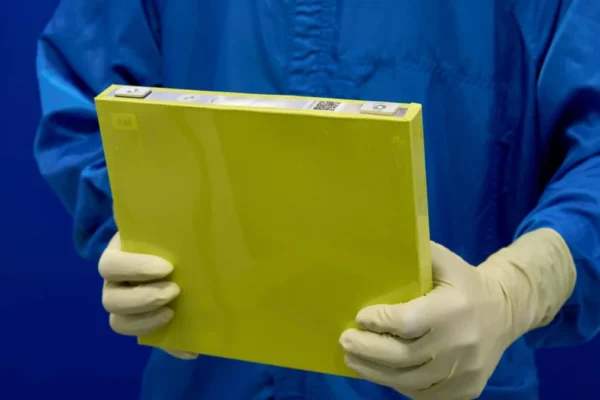
Crucial to this achievement is the battery technology. The vehicle utilizes a specialized lithium iron phosphate (LFP) battery pack engineered for high-discharge capabilities, specifically optimized to handle a 30C discharge rate. This allows the motors to receive the necessary current to maintain acceleration well beyond the typical limits of mass-market EVs.
On the ground, the connection is maintained by bespoke GitiSport e-GTR2 Pro semi-slick tires, which were developed to withstand the extreme centrifugal forces generated at speeds exceeding 300 mph. Stopping power is provided by a high-performance braking system featuring titanium calipers and carbon-ceramic rotors, ensuring that the vehicle can safely decelerate from its record-breaking velocities. Production is limited to a strictly controlled run of 30 units, emphasizing the car’s status as a halo model designed to showcase the technological prowess of the BYD brand.
Verification and Global Implications
The achievement has been recognized by both Guinness World Records and the Fédération Internationale de l’Automobile (FIA). The FIA’s confirmation underscores the credibility of the run, though it has also sparked a nuanced debate regarding testing methodology. Traditionally, absolute top-speed records are calculated by averaging the speed of two runs in opposite directions to compensate for factors such as tailwinds, headwinds, and minor changes in road elevation.
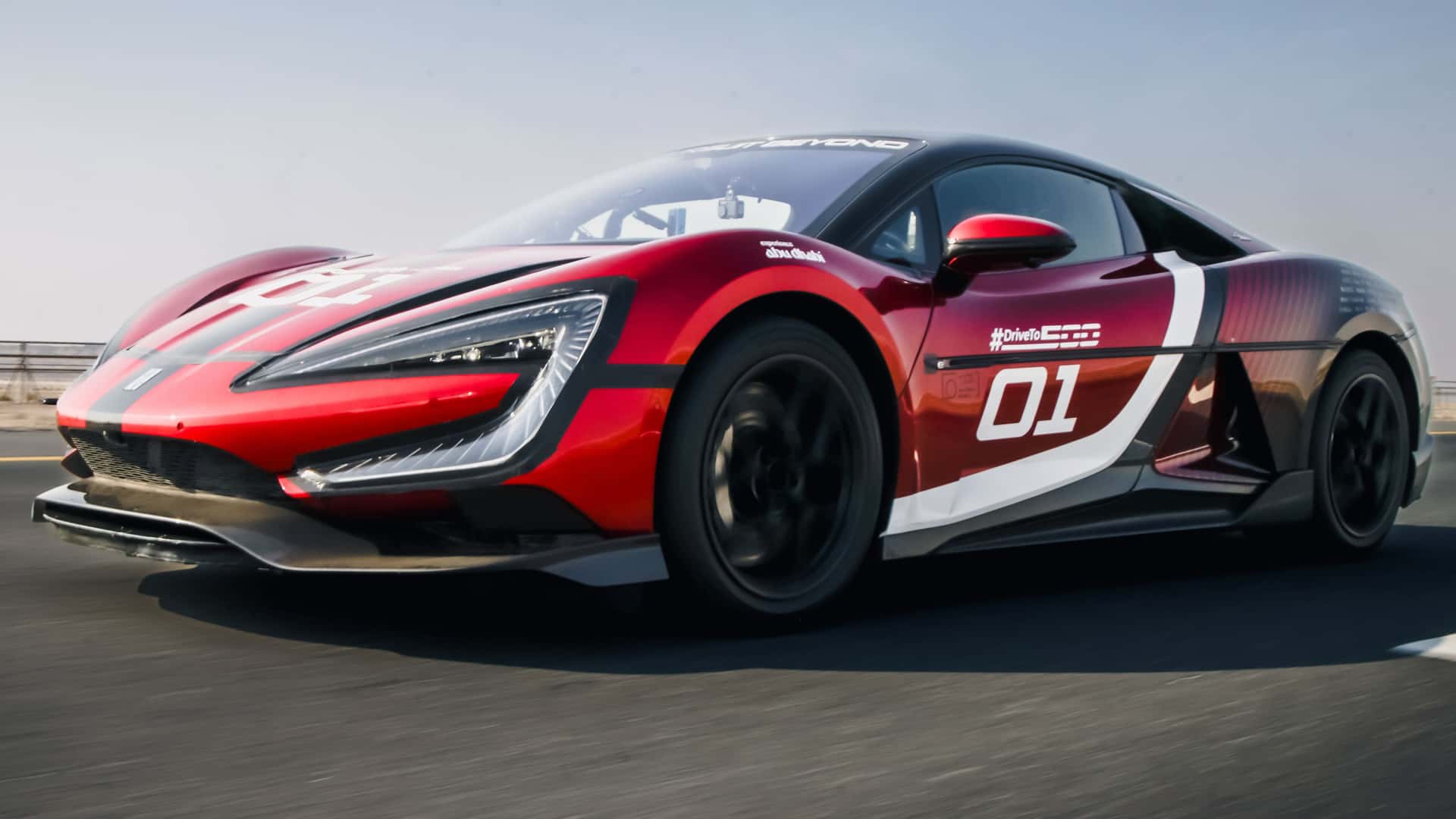
BYD’s decision to perform a single-direction run—while standard for some record categories—deviates from the "two-way" tradition favored by historic manufacturers like Bugatti and Koenigsegg. While the 503.17 kph figure is an objective measurement of speed achieved, industry analysts expect that the debate over "official" records will continue. Companies like Rimac Automobili, which holds various acceleration and performance records, may view the single-direction methodology as a point of contention, potentially prompting future challenges or counter-runs.
Regardless of the methodological discourse, the implications for the EV industry are profound. For years, skeptics argued that the inherent weight of battery packs and the limitations of electric motors at high RPMs would prevent EVs from reaching the top speeds achieved by combustion-powered hypercars. By breaking the 500 kph barrier, BYD has provided an empirical rebuttal to these arguments.
The Broader Impact on the Global Automotive Market
The success of the Yangwang U9 Xtreme serves as a symbolic marker for the rapid advancement of Chinese automotive technology. BYD, which has already established itself as a global leader in volume electric vehicle production, is now positioning itself as a force in the hypercar segment. This transition is not merely about prestige; it is a marketing masterstroke that elevates the brand’s perceived technological sophistication in the eyes of international consumers.
Furthermore, the data harvested from the U9 Xtreme’s record-breaking runs is likely to filter down into the brand’s more mainstream product lines. Innovations in thermal management, high-voltage battery architecture, and aerodynamic efficiency are the "trickle-down" components of modern automotive development. As consumers in global markets grow increasingly comfortable with electric propulsion, the "halo effect" generated by a 300-mph electric car provides a powerful narrative for the reliability and performance of BYD’s broader EV portfolio.
The event also underscores the growing importance of the Middle East as a hub for high-speed automotive testing. The expansive, well-maintained, and sparsely populated road networks in the UAE have become the preferred proving grounds for manufacturers looking to test the limits of their vehicles. This shift in testing geography reflects the changing nature of the global automotive landscape, where the traditional European testing circuits are being complemented by infrastructure designed to support the next generation of performance vehicles.
Future Challenges and Industry Outlook
As the dust settles on the E11 road, the industry is left to consider what comes next. The 500 kph barrier, once considered the "four-minute mile" of the automotive world, has been broken. The question now is whether this performance is a sustainable benchmark for future production models or if it represents the extreme limit of current battery-electric technology.
For BYD, the immediate priority will be the delivery of the 30 U9 Xtreme units to their owners. Each of these vehicles will effectively serve as a rolling billboard for the brand’s engineering capabilities. Meanwhile, competitors will undoubtedly analyze the telemetry from the UAE runs to determine their own strategies for future record attempts.
The Yangwang U9 Xtreme has fundamentally changed the conversation around electric performance. By demonstrating that an EV can reach 503.17 kph, BYD has not only secured a place in the record books but has also accelerated the timeline for what is considered possible in the electric era. As the global shift toward sustainable mobility continues, the U9 Xtreme will be remembered as the vehicle that proved that silence—or, in this case, the hum of electric motors—is no barrier to record-shattering speed. Whether or not rivals choose to challenge this specific record, the precedent has been set, and the race to push the limits of speed into the next decade has officially begun.