
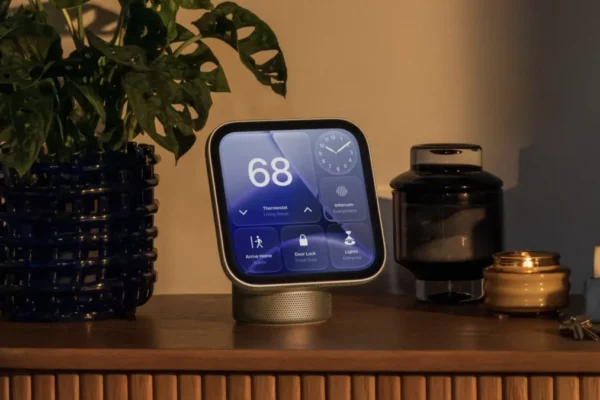





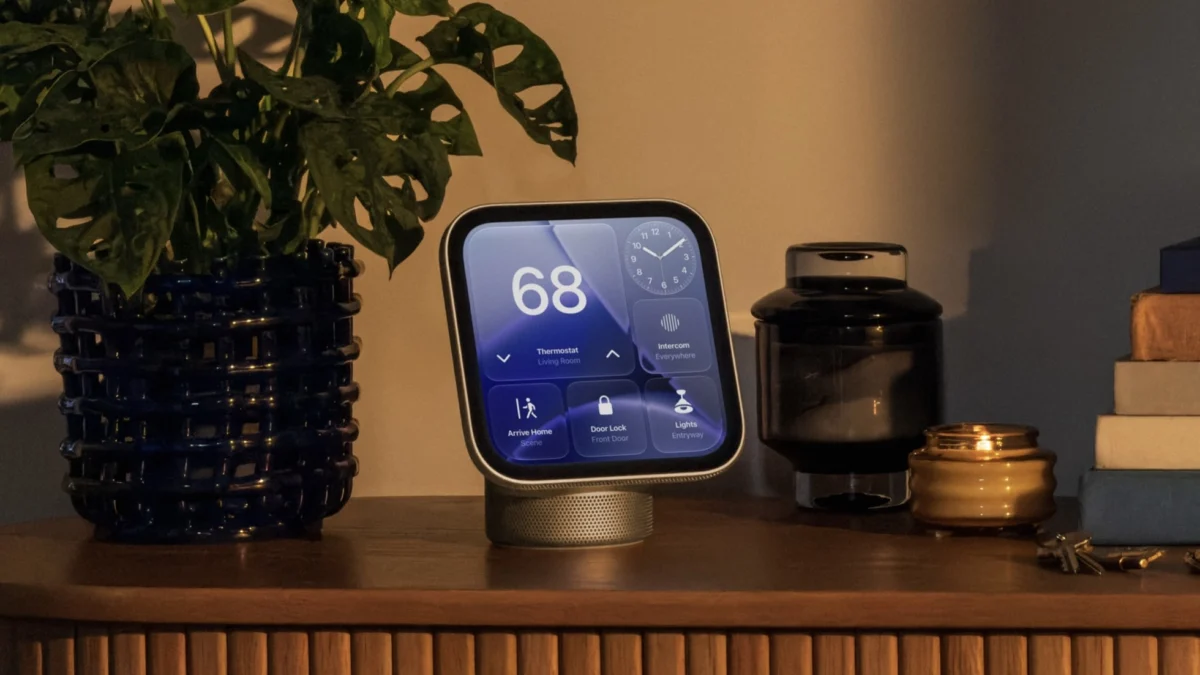
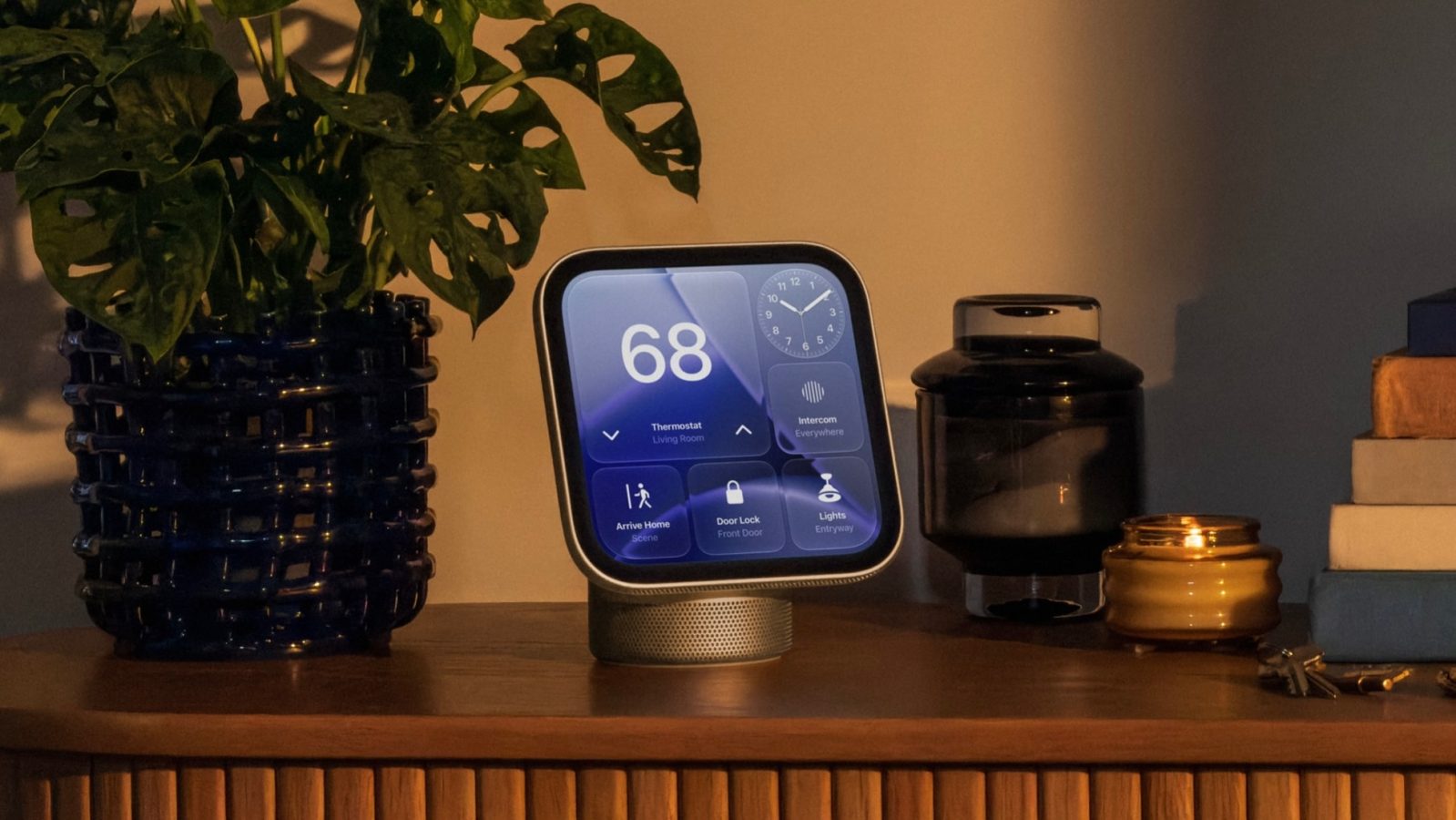
New evidence unearthed within the latest iteration of Apple’s operating system for the upcoming HomeView smart display suggests that the device will serve a dual purpose as a fully functional HomeKit security camera. Software sleuths, specifically the researcher known as "pdfu," identified explicit references in the HomeView 27.2 firmware that outline configurations for both video streaming and cloud-based recording, potentially altering the competitive landscape of the smart home market. This discovery provides a clearer picture of Apple’s strategy to integrate its forthcoming hardware into the broader HomeKit ecosystem, positioning the device not merely as a command center for lights and thermostats, but as a central node for home security.
Unpacking the Technical Capabilities
The findings indicate that Apple has engineered the HomeView hardware to leverage its built-in camera optics for more than just video conferencing or gesture control. According to the discovered software strings, users will have the granular ability to toggle camera-based security features based on specific environmental triggers. The system architecture allows for three distinct modes of operation: active while at home, active while away, or active during sleep cycles.
This level of automation aligns with the existing HomeKit Secure Video (HKSV) standard, which already supports encrypted storage for footage from third-party cameras. By integrating this functionality directly into the HomeView display, Apple is effectively eliminating the need for separate security hardware in rooms where a display is already present. The software allows for localized recording and remote streaming, providing users with a comprehensive view of their household from the Apple Home app on iPhone, iPad, or Mac.
A Chronology of the HomeView Development
While Apple has remained characteristically tight-lipped regarding the official release date of the HomeView hardware, the progression of leaks has provided a timeline for the product’s development. Throughout late 2025 and early 2026, rumors of a dedicated wall-mounted or tabletop smart display circulated within the supply chain, suggesting a response to devices like the Amazon Echo Show and the Google Nest Hub.
The initial hardware leaks surfaced in early 2026, showing a device characterized by a minimalist industrial design and a high-resolution display. As the software development kit (SDK) for the device moved through internal testing phases, researchers began identifying hooks for "HomeView Camera Services." The discovery of version 27.2 software, which contains these specific security protocols, represents the most concrete evidence to date that the product is entering its final stages of software optimization before a potential public launch later this year.
Prioritizing User Privacy in Surveillance
Perhaps the most significant aspect of the leak involves the stringent privacy guardrails Apple has baked into the camera’s operation. Privacy has long been the cornerstone of Apple’s marketing and engineering philosophy, and this latest feature set appears to be no exception.
The software code reveals a multi-layered notification system designed to prevent covert surveillance. When the camera is engaged, an illuminated indicator light—a physical hardware requirement in many of Apple’s other devices—will appear on the display, providing an immediate visual cue to anyone in the room. Furthermore, the device is programmed to emit an audible alert when streaming or recording commences, ensuring that the act of monitoring is never obscured from the inhabitants of the home.
Perhaps most critically, the firmware includes a robust "cohabitation safety" protocol. If the device detects that occupants are present in the home, the remote streaming functionality is restricted. In this scenario, the camera can only be activated locally via the device’s interface, rather than remotely through the cloud. This design choice appears to be a direct response to growing concerns regarding the use of smart home technology in cases of domestic stalking or unauthorized surveillance. By disabling remote access when the home is occupied, Apple is proactively addressing the potential for "tech-enabled abuse," a topic that has garnered increasing attention from privacy advocates and law enforcement agencies.
Market Context and Strategic Implications
The integration of a security camera into the HomeView display carries significant implications for the smart home market. Currently, consumers looking to build a security-centric smart home must purchase a variety of disparate devices: cameras, sensors, hubs, and displays. Apple’s move toward a converged device simplifies this infrastructure.
From a data perspective, the smart home security market is projected to reach significant valuations by 2030, driven by an increased consumer appetite for home automation. By embedding these features into a high-end display, Apple is increasing the utility of its ecosystem. If a single HomeView unit can replace a dedicated security camera, the perceived value of the hardware increases substantially, potentially justifying a higher price point.
However, this also creates a tension between convenience and privacy. While the convenience of having a display that can check on a living room is clear, some consumers remain wary of placing cameras in common living spaces. Apple’s emphasis on transparency—through the use of hardware indicators and audible chimes—is a calculated attempt to mitigate these concerns. By building in safeguards that are "on by default," Apple is positioning its device as the "responsible" choice for home surveillance, setting a standard that competitors may find difficult to match without compromising their own ease-of-use metrics.

Analyzing the "9to5Mac Take" and Industry Sentiment
Industry analysts suggest that the decision to prioritize privacy protections over absolute remote accessibility is a strategic move to differentiate Apple’s offering from cheaper, less secure alternatives. In recent years, numerous reports have surfaced regarding the vulnerability of budget-friendly smart cameras to unauthorized access. By contrast, Apple’s focus on end-to-end encryption, combined with these new local-only control restrictions, reinforces the company’s "Privacy as a Product" narrative.
The reaction from the developer community and privacy advocacy groups has been largely positive. Critics have noted that the "local activation" requirement is a landmark feature that should become the industry standard. While some users might find the inability to remotely view the camera when someone is home to be a limitation, the trade-off is widely viewed as a necessary evolution for a device designed for intimate living spaces.
Future Outlook and Next Steps
As the HomeView approaches its eventual market debut, the focus will likely shift from software features to hardware reliability. Questions remain regarding the field of view, low-light performance (likely utilizing infrared sensors similar to those found in high-end security cameras), and the seamlessness of the integration with Apple’s existing HomeKit Secure Video cloud infrastructure.
Furthermore, as the device becomes more central to the household, it will be interesting to see how Apple handles firmware updates. The ability to push security patches remotely will be essential to maintaining the integrity of these surveillance features. The discovery of the 27.2 code suggests that Apple is not just building a smart display, but a sophisticated, multi-functional security hub that prioritizes the safety and autonomy of the user above all else.
As of this writing, Apple has not issued an official statement confirming the release or the full extent of the HomeView’s security features. Nevertheless, the evidence provided by the firmware analysis is compelling. For prospective buyers, the prospect of a high-end display that doubles as a privacy-conscious security camera may well be the deciding factor in whether to adopt the HomeView platform. With the integration of advanced motion detection, clear visual and audio feedback, and industry-leading privacy protections, Apple is signaling that it intends to lead the next wave of the smart home revolution with security, not just connectivity, at the heart of the experience.