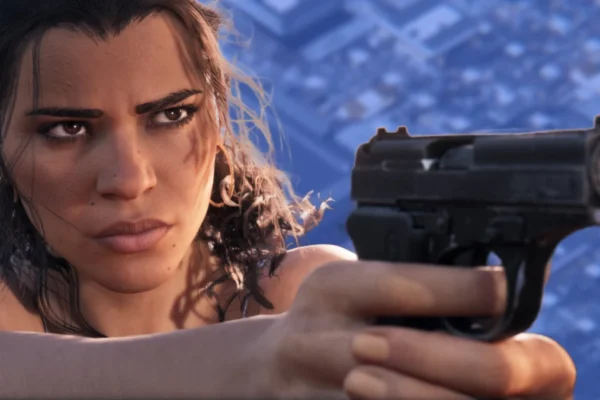







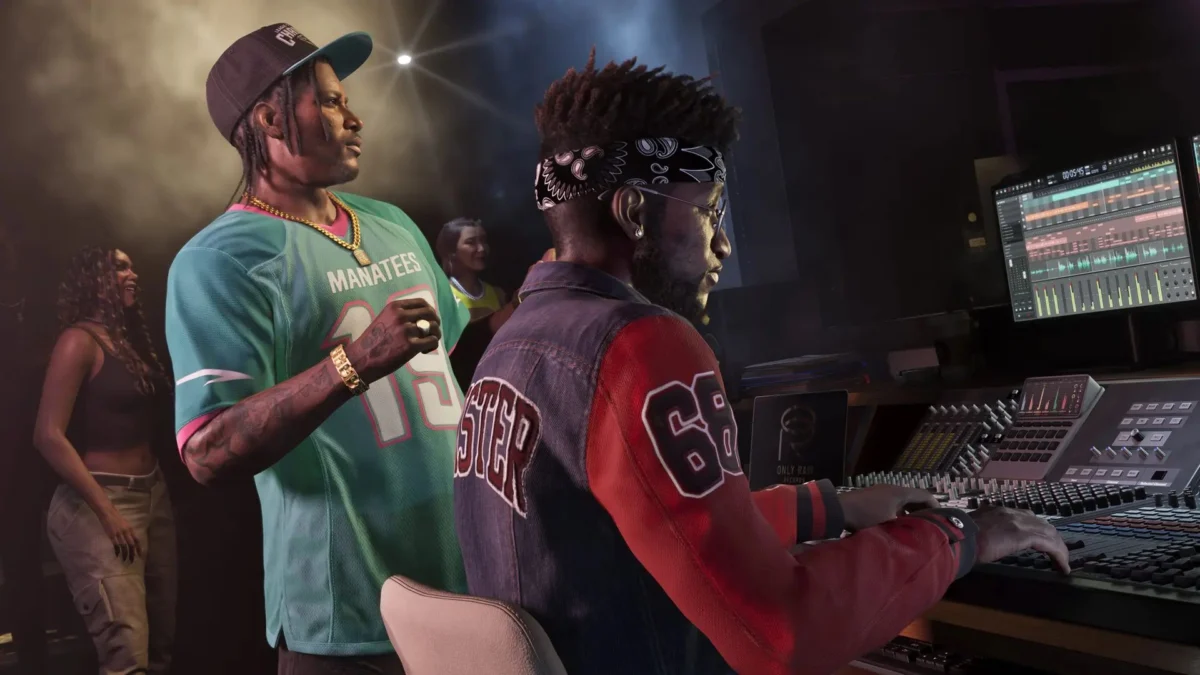
The rapid evolution of generative artificial intelligence has introduced a new frontier of challenges for the global video game industry, particularly concerning the unauthorized reproduction and reverse-engineering of high-profile intellectual property. As Take-Two Interactive prepares for the highly anticipated release of Rockstar Games’ Grand Theft Auto 6, the company’s leadership has confirmed that it is aggressively scaling its defensive measures against the emerging threat of AI-driven piracy and unauthorized cloning. During recent investor communications, Take-Two CEO Strauss Zelnick emphasized that the publisher is treating the intersection of AI technology and intellectual property protection as a critical operational priority.
The Emerging Threat of AI in Game Development and Piracy
The gaming landscape has shifted dramatically over the past 24 months, with generative AI tools becoming increasingly sophisticated. While these tools offer potential efficiencies in development pipelines, they simultaneously lower the barrier to entry for bad actors looking to scrape, clone, or simulate proprietary game assets. For a title as culturally significant and commercially massive as Grand Theft Auto 6, the potential for AI-assisted reverse engineering represents a novel risk profile that traditional anti-piracy measures—such as Denuvo or other digital rights management (DRM) software—may be ill-equipped to handle on their own.
Industry experts have noted that the issue is twofold. First, there is the risk of "asset scraping," where generative models are trained on a developer’s specific art style, character designs, or voice performances to create derivative, unauthorized content. Second, there is the risk of functional simulation, where AI is used to facilitate the creation of unauthorized ports or mods that mimic the gameplay mechanics and engine architecture of the original title. Rockstar Games, known for its high level of visual fidelity and meticulous attention to detail, is uniquely positioned in the crosshairs of this technological evolution.
Chronology of Escalating Intellectual Property Concerns
The intersection of AI and copyright law has been building toward a breaking point for several years. The following timeline illustrates the growing tension between developers and AI providers:
- 2022-2023: The emergence of widespread generative image and text tools brings concerns regarding copyright infringement to the forefront of the creative industries. Modding communities begin to grapple with the integration of AI-generated assets in third-party game modifications.
- Early 2024: Various developers, including those at independent studios and larger AAA houses, begin publicly disclosing the use of AI in development, sparking debates about the ethics of training models on proprietary codebases without consent.
- Mid-2024: Major AI developers, such as Anthropic, begin implementing stricter usage policies for their models, specifically aimed at preventing the cloning of copyrighted works.
- Late 2024: Take-Two Interactive, in anticipation of the marketing and pre-release cycle for Grand Theft Auto 6, elevates the discussion of AI piracy to the executive level, publicly signaling a shift toward proactive technical and legal countermeasures.
Data and Market Implications
While exact figures on the financial damage caused by AI-driven intellectual property theft remain difficult to quantify, the economic impact of traditional piracy has long been a concern for the gaming industry. According to data from the Software Alliance (BSA) and various cybersecurity reports, the global video game industry loses billions of dollars annually due to unauthorized digital distribution.
The introduction of AI accelerates this potential loss. Generative models can produce convincing, low-cost replicas of game experiences, potentially diluting the brand value of the original intellectual property. For Take-Two Interactive, a company that relies heavily on the long-term sales cycle and ongoing monetization of its premium titles, the preservation of the "Rockstar experience"—the specific, curated vision of the developers—is essential to maintaining brand equity. If a market becomes flooded with AI-generated clones, the consumer perception of the original game’s exclusivity and quality could be compromised.
Official Responses and Strategy
During a recent investor Q&A session, Strauss Zelnick provided a measured but firm response to queries regarding the company’s preparedness. Zelnick characterized the threat not merely as a financial risk, but as a "creative matter" that requires vigilance to preserve the integrity of the player experience.
"We are utterly focused on enhancing our technical defenses and enhancing our legal activities appropriately," Zelnick stated. He further noted that while piracy is a reality of the entertainment industry, Take-Two is not approaching the issue with a cavalier attitude. The strategy involves a two-pronged approach: strengthening the proprietary code to make reverse engineering significantly more difficult, and leveraging the company’s substantial legal department to pursue platforms or individuals that facilitate the cloning of their intellectual property.
Furthermore, Zelnick addressed the responsibility of AI companies like OpenAI and Anthropic. He suggested that firms operating within the intellectual property sector should maintain a degree of consistency, arguing that it is hypocritical to build a business on the utilization of vast amounts of copyrighted data while simultaneously seeking to protect one’s own IP from similar infringement. This stance aligns with a growing industry movement demanding greater transparency in how AI models are trained and more robust mechanisms to prevent the unauthorized use of copyrighted creative works.
Broader Impact and Future Implications for the Industry
The stance taken by Take-Two Interactive is likely to serve as a bellwether for the rest of the AAA industry. As the line between legitimate modification and copyright-infringing AI cloning continues to blur, legal precedents established in the coming years will define the rights of game publishers.
For consumers, these developments suggest a future of increasingly stringent DRM and a potential crackdown on modding communities that utilize generative AI. While the modding community has historically contributed to the longevity of games like Grand Theft Auto V, the integration of generative AI threatens to force a regulatory split between "community-driven" content and "AI-cloned" content. Publishers are increasingly likely to differentiate between authorized, human-made mods and unauthorized, AI-generated clones.
Moreover, the focus on technical defenses may lead to a new era of "AI-resistant" game architecture. This could manifest as games that require more frequent server-side validation or code obfuscation techniques that render AI-based reverse engineering ineffective. While these measures may enhance security, they often introduce new complexities regarding game stability, offline play, and long-term archival accessibility, concerns that the gaming community will likely continue to monitor closely.
In conclusion, Take-Two Interactive’s proactive stance toward AI-driven threats reflects the high stakes surrounding the launch of Grand Theft Auto 6. By signaling a willingness to deploy both technical safeguards and aggressive legal strategies, the company aims to ensure that the final product remains the sole, intended vision of Rockstar Games. Whether this approach will be sufficient to deter the rapidly advancing capabilities of generative AI remains a subject of intense interest for the entire technology and entertainment sectors. As the legal and technical landscape evolves, the industry will undoubtedly look to the outcomes of these efforts to determine the future of digital content protection in the age of automation.