








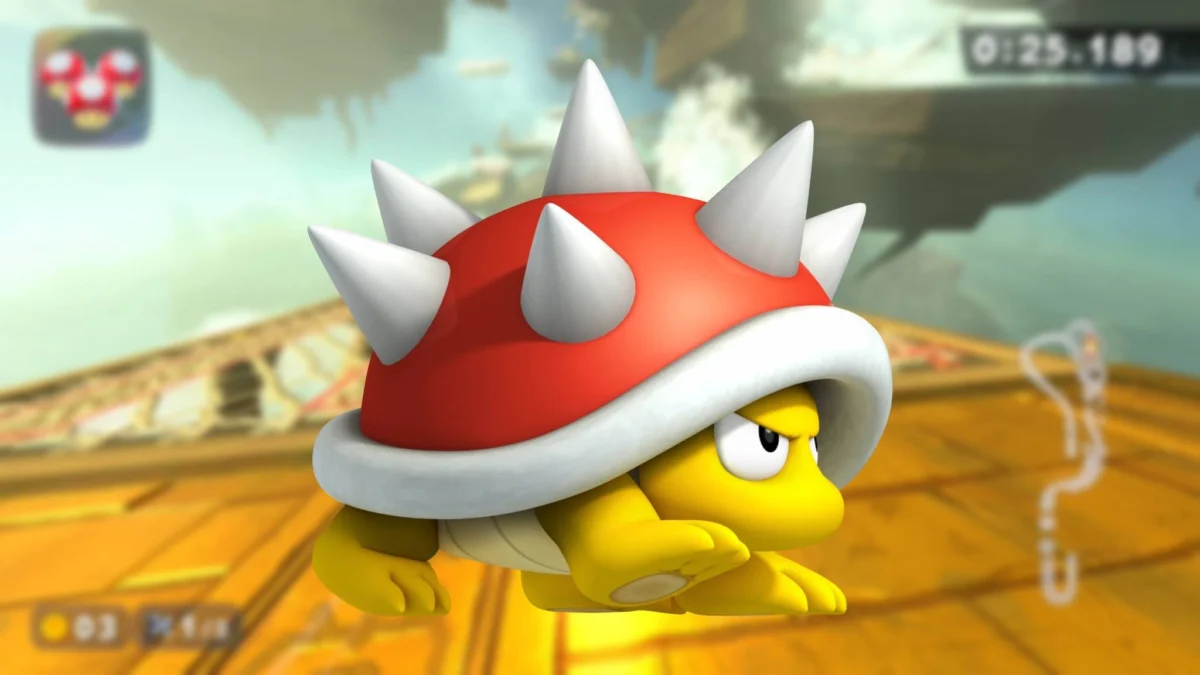
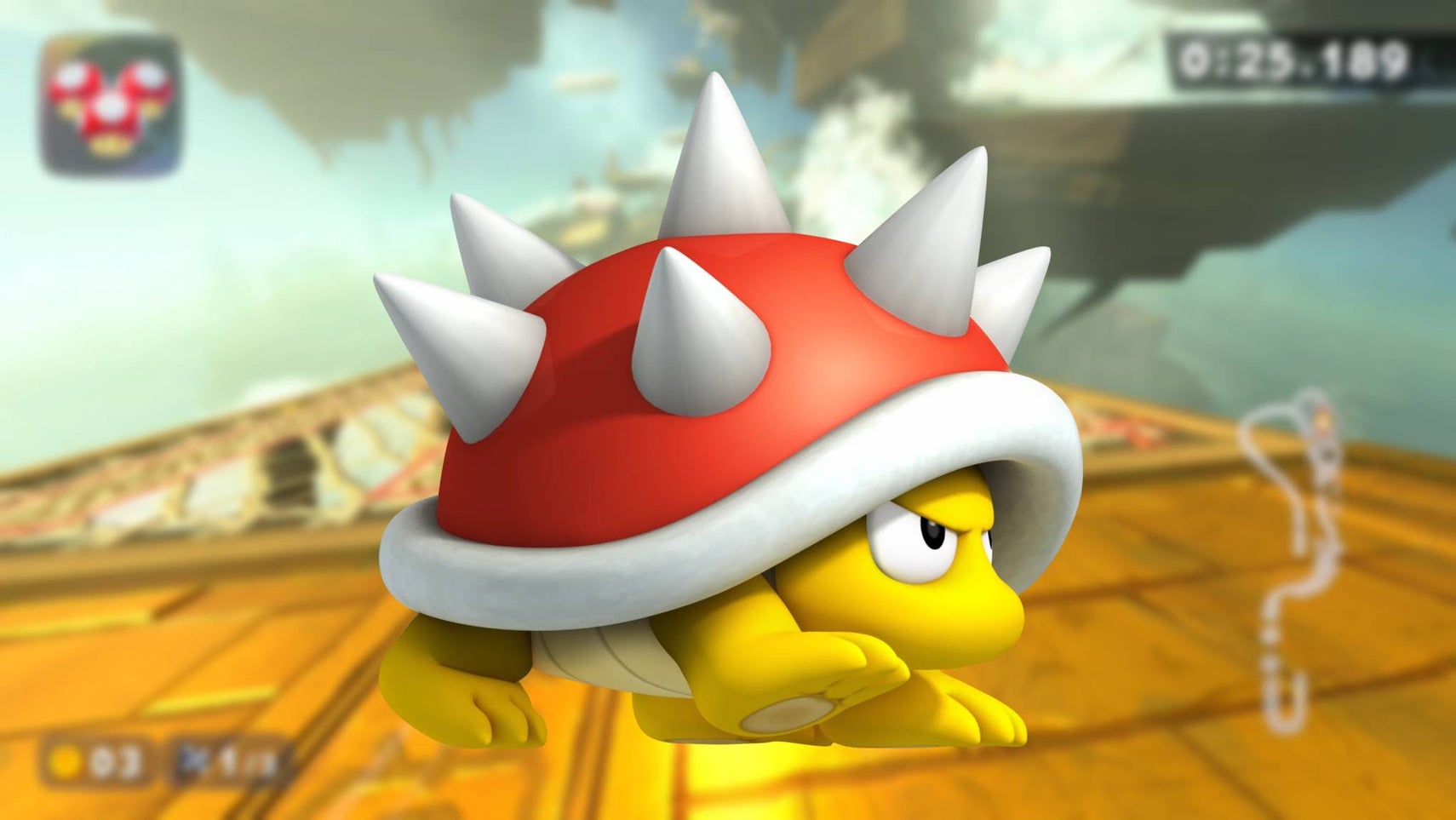
The recent discovery of internal game data within the Nintendo Switch 2 title Mario Kart World has ignited interest among the gaming community and archivists alike. A dataminer operating under the handle "Benial" on the social platform Bluesky has uncovered evidence suggesting that the iconic enemy character Spiny, known internally by its Japanese name "Togezo," was originally intended to be a member of the game’s playable roster. This finding, while currently limited to file references, offers a rare glimpse into the iterative development process of one of the most successful titles in the current Nintendo console generation.
The identification of "Togezo" within the game’s character configuration files provides a compelling look at the discarded concepts that often characterize high-profile software development. While the discovery has generated significant discussion, it remains a solitary data point; as of the current reporting, there are no accompanying 3D models, rigging files, or animation sequences to indicate how far the character had progressed in the production pipeline before being omitted.
Contextualizing the Mario Kart World Development Cycle
Mario Kart World launched as a flagship title for the Nintendo Switch 2, arriving alongside the hardware during a pivotal moment for the manufacturer in 2025. The title was instrumental in driving the initial consumer adoption of the console, contributing to a substantial surge in the Japanese console market throughout that fiscal year. Since its debut, the game has undergone a series of systematic updates, expanding its feature set to include a robust battle mode and the integration of team-based mechanics within its signature knockout tour mode.
The omission of characters during development is a standard procedure in the software industry, often driven by technical constraints, balancing considerations, or thematic shifts. In the context of Mario Kart, character selection is not merely an aesthetic choice but a fundamental mechanical component. Each driver is assigned specific weight classes and handling statistics that influence the game’s meta-environment. The inclusion of an antagonist character like Spiny—traditionally a hazard or item-based threat—would have required a complete recontextualization of its movement physics and kart compatibility.
The Legacy of the Spiny Shell
To understand the weight of this discovery, one must look at the character’s history. First introduced in the 1985 classic Super Mario Bros., the Spiny has served as a perennial obstacle. Over the subsequent four decades, the creature has evolved into one of the most recognizable icons in the Mario universe. Its transition from a terrestrial enemy to the source of the infamous "Blue Shell"—the primary balancing mechanic in the Mario Kart series—has cemented its role as a force of chaos on the racetrack.
The prospect of a Spiny driver would have been a thematic reversal for the franchise. Typically, players race to avoid the explosive impact of a Spiny shell, not to embody the creature itself. However, the presence of other unconventional characters, such as the Boo ghost, suggests that the development team at Nintendo has historically been willing to experiment with "villainous" or non-traditional entities. The datamined reference indicates that the developers at least considered the technical possibility of integrating such a creature into the driving loop, raising questions about whether they intended for it to be a lightweight speedster or a defensive heavyweight.
Data Analysis and the Ethics of Datamining
The act of "datamining"—the process of extracting hidden information from game files—has become an essential, albeit controversial, aspect of modern gaming culture. By parsing through the executable code and asset folders of a title, researchers like Benial can reconstruct a partial history of a game’s development.
From an analytical standpoint, the presence of an unused ID tag like "Togezo" is not definitive proof of a cancelled project; it is often a remnant of a "placeholder" or an experimental build. Developers frequently populate code with potential character IDs to test compatibility with different kart frames or engine types. Once the decision is made to exclude a character, the associated data is often left dormant in the final shipping code rather than being removed, as the deletion process can occasionally introduce instability in the game’s overall directory structure.
Broader Implications for the Mario Kart Franchise
The longevity of the Mario Kart franchise is largely attributed to its consistent, polished gameplay loop, which is carefully curated through rigorous post-launch support. The updates received by Mario Kart World—specifically the addition of team races and refined competitive modes—reflect Nintendo’s commitment to maintaining a live-service-adjacent engagement model.

The exclusion of Spiny from the final roster does not detract from the game’s critical or commercial success, yet it provides valuable insight into the design philosophy that shapes these titles. For the development team, the challenge lies in balancing a roster that feels familiar while offering enough novelty to keep a long-running series feeling fresh. The fact that Spiny was potentially considered suggests that the designers were exploring ways to lean further into the "World" aspect of the title, perhaps by diversifying the cast to include more enemies from the broader Super Mario ecosystem.
Industry Reactions and Official Silence
To date, Nintendo has maintained its standard policy of not commenting on unreleased content or internal development documentation. This silence is typical of the organization, which prioritizes the finished consumer experience over the disclosure of behind-the-scenes iterations. Industry analysts suggest that this lack of official acknowledgement is a protective measure to manage consumer expectations, ensuring that players focus on current, playable content rather than speculating on features that may never reach the public.
For the competitive community, the discovery of a "lost" driver is largely a matter of historical interest. Competitive play relies on a stable, predictable roster where statistics are fixed and balanced. The introduction of an additional character, regardless of its origin, would require extensive re-balancing of existing karts and tracks to ensure that the integrity of the competitive circuit remains intact.
Looking Toward the Future of the Title
As Mario Kart World continues to receive support, the community will likely continue to monitor future updates for any potential remnants or re-integrations of cut content. The discovery of the "Togezo" tag serves as a reminder that the games we play are the result of thousands of hours of decision-making, where every character, item, and track is the product of a deliberate choice.
While Spiny remains on the sidelines for now, the incident highlights the ongoing dialogue between developers and their audience. The curiosity of players who seek to uncover the "what-ifs" of game development adds a layer of depth to the titles, transforming them from static products into living, evolving artifacts. As we look forward to the next cycle of updates for the Switch 2’s flagship racer, the mystery of the tiny turtle-like driver will likely remain a footnote in the grand history of the series—a testament to the complex, iterative, and often surprising nature of modern game design. Whether or not Spiny eventually makes its way onto the grid in a future expansion remains to be seen, but for now, the discovery stands as a fascinating glimpse into the internal logic of a global gaming phenomenon.