











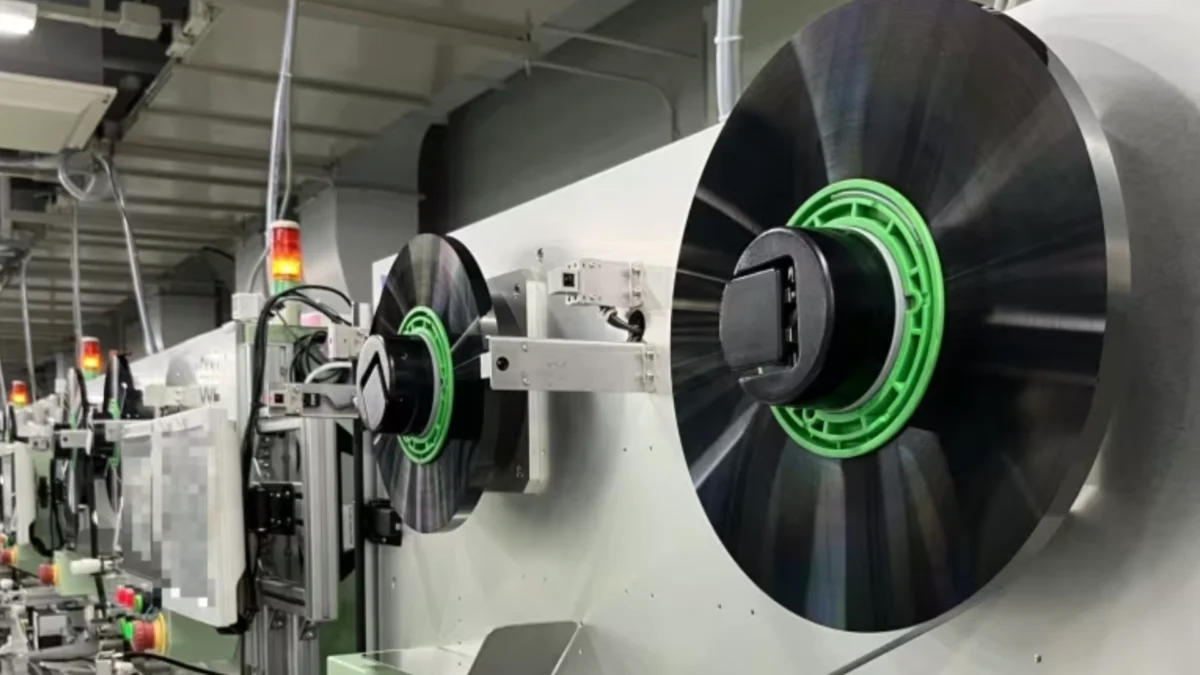
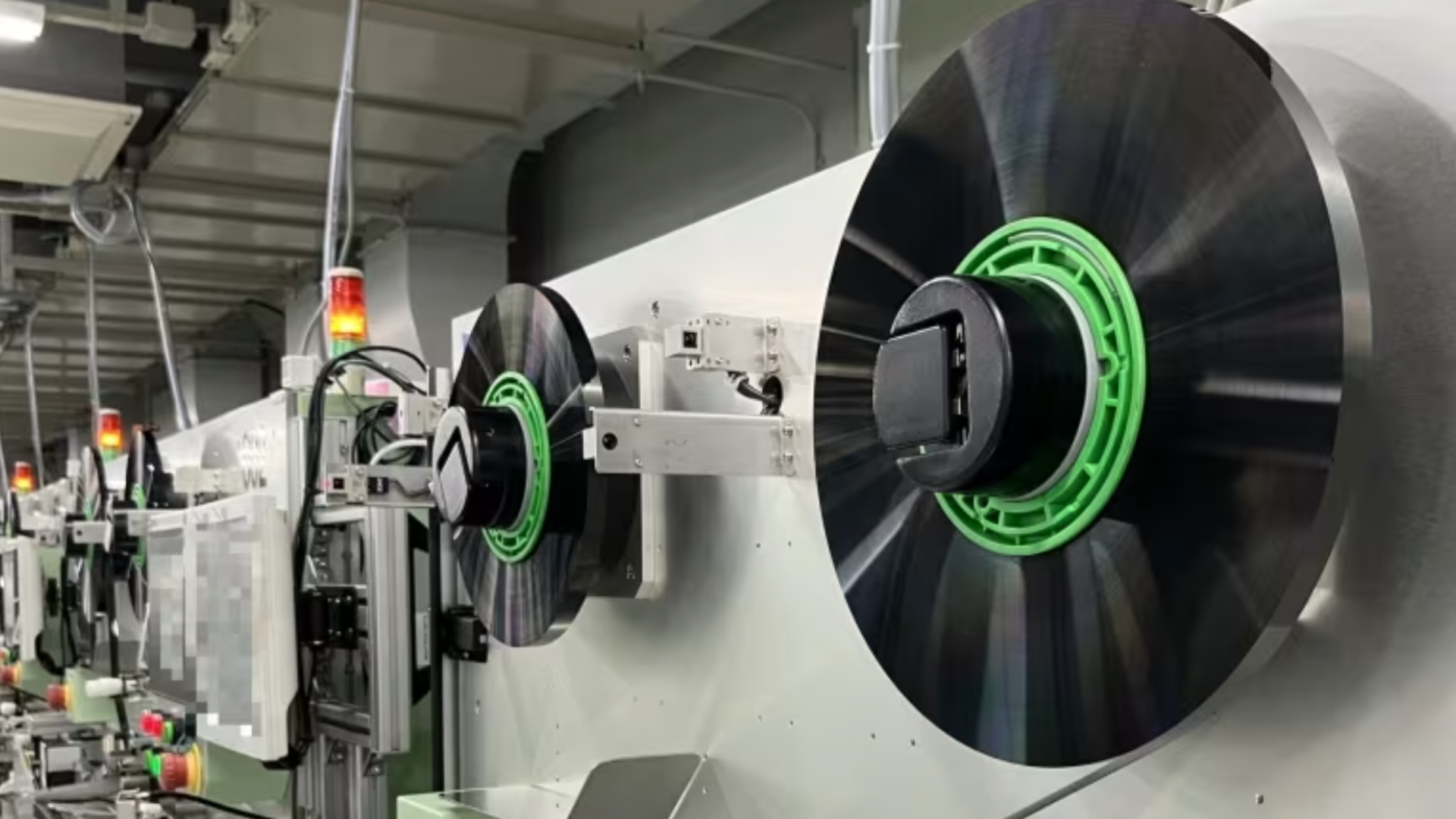
The exponential rise of artificial intelligence has sparked an unprecedented demand for data storage, compelling technology giants to reconsider legacy mediums that were once thought to be on the brink of obsolescence. In response to this explosive growth in digital information, Fujifilm has announced a sweeping strategic initiative to multiply its magnetic tape production capacity fivefold by fiscal year 2028. The Japanese multinational conglomerate has earmarked approximately 10 billion yen—equivalent to roughly $63.3 million—to upgrade and expand its primary manufacturing facility located in Odawara, near Tokyo. This capital expenditure represents the company’s most substantial investment in magnetic tape production technology in nearly two decades, signaling a profound shift in how enterprises plan to archive the colossal volumes of data generated by modern automated systems.
The centerpiece of this ambitious expansion project will be the large-scale manufacturing of ultra-high-density advanced tape cartridges capable of retaining up to 100 terabytes of data per single medium. While Fujifilm has not yet publicly disclosed exact projections for its total annual output following the completion of the plant upgrades, the sheer scale of the financial commitment underscores management’s confidence in a sustained, long-term market revival for tape technology. This multi-year development roadmap positions the Odawara facility as a critical hub in the global data preservation supply chain, catering specifically to hyperscale data centers, financial institutions, and massive research laboratories that grapple with multi-petabyte archiving challenges daily.
The Unexpected Renaissance of Magnetic Tape in the Era of AI
To understand the sudden revival of magnetic tape, one must examine the staggering trajectory of global data generation. According to landmark industry surveys, such as a comprehensive 2026 report by the International Data Corporation (IDC), an overwhelming 94.7% of surveyed organizations reported exponential increases in their data storage footprints following the operational integration of artificial intelligence technologies. As machine learning models ingest petabytes of training data, and as generative AI outputs continuous streams of synthetic content, corporate digital repositories are expanding at rates previously deemed unimaginable.
IDC projections indicate that worldwide data generation could skyrocket to an astonishing 718 zettabytes by the year 2030—representing a nearly fourfold increase over 2024 production volumes. To put this into perspective, a single zettabyte equals one billion terabytes. Storing a fraction of this monumental digital footprint exclusively on high-speed flash storage or spinning hard-disk drives would impose crippling capital and operational expenditures on enterprises.
This is where magnetic tape secures its indispensable niche. Unlike solid-state drives (SSDs) or hard-disk drives (HDDs) that must remain constantly powered on and spinning to maintain immediate accessibility, magnetic tape operates on an "air-gapped" or offline storage model. Organizations can archive petabytes of historical logs, regulatory compliance data, and deep-learning training sets onto physical cartridges that sit quietly on shelves, drawing zero electrical power until explicitly loaded into a tape drive for retrieval. This characteristic not only slashes data center energy consumption and cooling requirements—a major sustainability hurdle for modern tech infrastructure—but also provides a formidable bulwark against cyberattacks. Because archived tape cartridges remain physically disconnected from corporate networks, they are entirely immune to ransomware encryption, remote network intrusions, and other devastating malware vectors, thereby offering a secure final layer of defense for critical enterprise backups.
The Historical Evolution and Technological Longevity of Data Tape
The resurgence of magnetic tape is particularly striking given its venerable history within the consumer and enterprise electronics landscape. The technology’s foundational roots stretch back many decades, gaining early commercial traction in the mid-1950s. Fujifilm itself famously entered the magnetic recording arena in 1954, initially developing advanced tape products to support the burgeoning television broadcasting industry before diversifying into consumer audio and video recording applications, such as reel-to-reel audio, VHS cassettes, and data storage formats like LTO (Linear Tape-Open).
Over the ensuing decades, as optical media, hard drives, and flash memory revolutionized consumer electronics, magnetic tape was gradually phased out of mainstream computing and entertainment. However, enterprise IT architects recognized that the underlying physics of magnetic particle alignment on a flexible polymer ribbon offered unparalleled longevity and aerial density scaling potential for cold storage. Successive generations of engineering breakthroughs transformed tape from a fragile, low-capacity archiving tool into a robust enterprise powerhouse. Modern particulate advancements, such as Barium Ferrite (BaFe) and Strontium Ferrite (SrFe) magnetic particles, have consistently pushed storage capacities upward, paving the way for the upcoming generation of 100TB cartridges that Fujifilm’s upgraded Odawara plant is designed to mass-produce.
Economic Pressures and Competing Storage Market Dynamics
Beyond the sheer volume of AI-generated data, shifting macroeconomic conditions and supply chain constraints have sharply enhanced the cost advantage of magnetic tape over competing storage mediums. In recent years, persistent semiconductor shortages and surging material costs have driven up the pricing of solid-state drives. Simultaneously, the insatiable demand for high-capacity enterprise storage within hyperscale cloud facilities has placed immense pressure on traditional hard-disk drive supplies, causing price volatility across the hardware market.
A detailed economic analysis conducted by Fujifilm in partnership with Brad Johns Consulting highlights the dramatic cost disparity between storage tiers. According to the study, enterprise magnetic tape storage costs approximately 1 cent per gigabyte. In stark contrast, raw enterprise HDD storage commands roughly 3 to 3.5 cents per gigabyte. When scaled to corporate storage requirements, the financial implications are staggering: archiving 100 terabytes of data on magnetic tape requires an infrastructure investment of approximately $1,000, whereas utilizing HDDs for the exact same volume ranges from $3,000 to $3,500. This translates to direct capital expenditure savings of between 67% and 71%, making tape an exceptionally attractive proposition for chief financial officers and IT directors managing ballooning storage budgets.
A Broader Japanese Investment Boom Across the Storage Ecosystem
Fujifilm’s capital commitment is not occurring in a vacuum; rather, it forms part of a broader, coordinated wave of strategic investments by major Japanese technology and materials manufacturers aiming to fortify every layer of the global data storage supply chain. Rather than signaling a retreat from flash memory or hard disks, the renewed focus on magnetic tape coincides with massive capital injections across all competing storage modalities, reflecting an industry consensus that diverse workloads require specialized hardware solutions.
Prominent market players have unveiled historic investment plans to meet anticipated future demand:
- Kioxia, in collaboration with its American joint-venture partner SanDisk, announced a massive six-year, 5-trillion-yen (approximately $37 billion) investment strategy aimed at expanding advanced semiconductor flash memory production capacity.
- Toshiba committed approximately 60 billion yen (roughly $380 million) toward enlarging its primary hard-disk drive manufacturing plant in the Philippines, with the explicit goal of doubling its production output.
- Hoya allocated 50 billion yen (around $317 million) to construct a cutting-edge manufacturing facility in Vietnam dedicated to producing specialized glass substrates utilized in high-capacity hard drives.
- NHK Spring outlined an additional 35 billion yen (approximately $222 million) in domestic and international production spending to support critical suspension assemblies for disk drives.
This synchronized wave of industrial expenditure underscores a fundamental truth of the modern data economy: the artificial intelligence revolution is not merely a software phenomenon, but a profound hardware challenge. As artificial intelligence models grow exponentially more complex and data lakes expand into the zettabyte era, the entire storage ecosystem—from ultra-fast flash memory and high-density hard drives to ultra-reliable offline magnetic tape—must scale in parallel.
Strategic Implications and Future Outlook for Enterprise IT
Fujifilm’s decision to execute its largest tape-related capital investment in twenty years marks a watershed moment for enterprise data management. As organizations transition from short-term data accumulation to long-term digital governance, the need for cost-effective, energy-efficient, and secure archiving solutions has never been more acute.
By scaling its Odawara plant capacity fivefold by 2028, Fujifilm is ensuring that the supply chain will not bottleneck the archiving needs of the AI generation. For chief information security officers and data center architects, the expansion validates long-term multi-tier storage strategies that deliberately decouple active processing data from deep archival assets. As the digital universe expands toward the 718-zettaabyte threshold by the end of the decade, magnetic tape—fortified by modern engineering and massive industrial backing—has definitively transitioned from a relic of the past into an indispensable pillar of the future data architecture.