









The rapid evolution of outdoor technology has fundamentally altered how enthusiasts interact with the wilderness, transforming what was once considered "luxury" into essential equipment for safety, efficiency, and documentation. As of November 2026, the market for ruggedized gear has reached a maturity point where power density, battery longevity, and specialized utility are prioritized over mere novelty. This shift reflects a broader consumer demand for gear that performs reliably under extreme conditions, whether that involves high-altitude mountaineering or extended off-grid vehicle-based camping.

The following selection of equipment, curated based on performance metrics, durability, and practical utility, provides a comprehensive overview of current industry standards across three distinct price tiers.
The Shift Toward High-Performance Field Gear
In recent years, the outdoor industry has moved away from delicate consumer electronics toward hardware that can withstand environmental stressors. A critical trend identified in late 2026 is the integration of high-capacity energy management systems and modular design. Manufacturers are increasingly utilizing carbon fiber, aviation-grade aluminum, and IP67-rated seals to ensure that gear remains functional even when exposed to water, dust, and temperature extremes.

Essential Gear Under $100
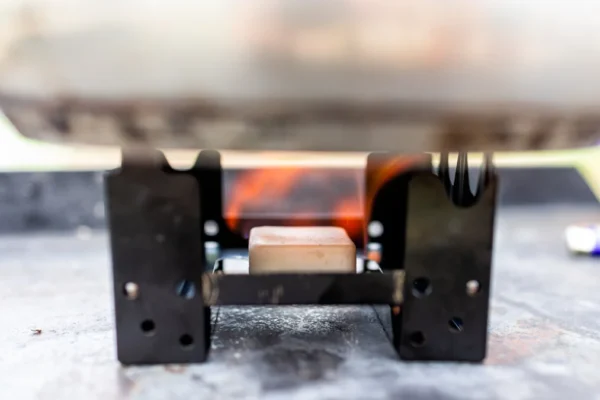
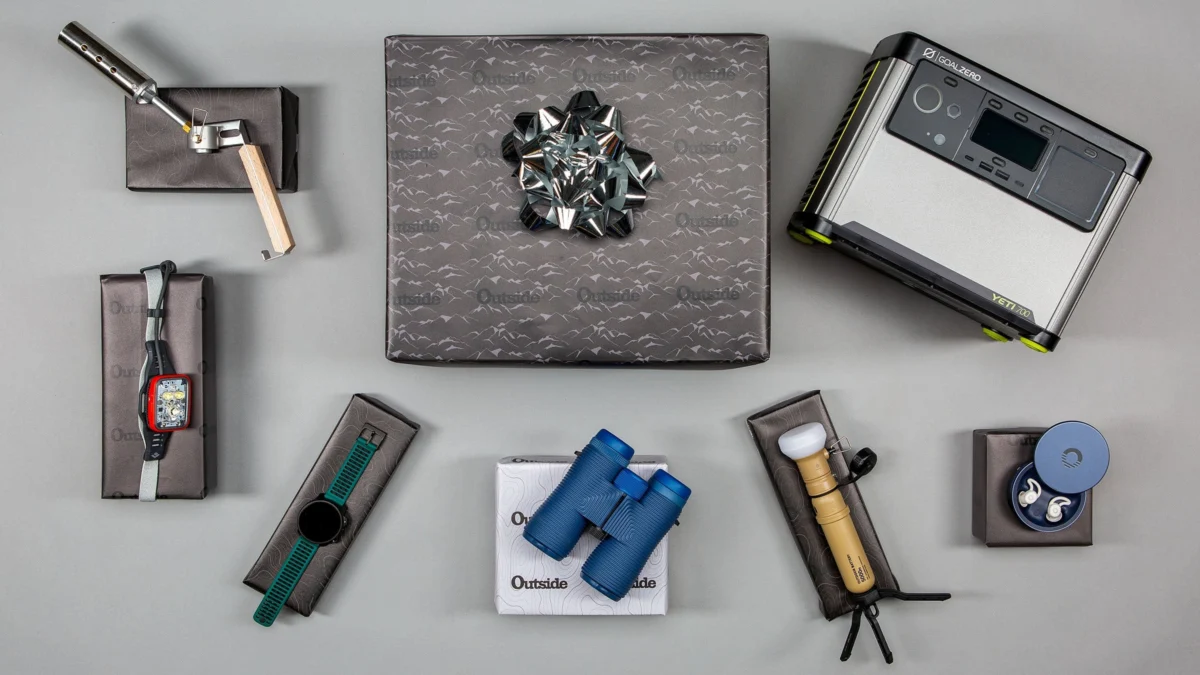
At the entry-level price point, technology is focused on maximizing utility per ounce. For example, the Snow Peak Folding Torch, priced at $50, has become a staple for basecamp management. By utilizing isobutane fuel canisters, it provides a high-heat output that simplifies fire starting in humid or alpine environments. From a technical standpoint, the device’s construction—featuring stainless steel and natural wood—demonstrates a commitment to durability over disposable plastics.
Power management remains the primary concern for the modern backpacker. The Nitecore NB10000 Gen 2 Power Bank ($60) serves as a benchmark for power-to-weight ratios. Weighing less than six ounces, the 10,000mAh device utilizes a carbon-fiber shell to protect internal lithium-polymer cells. This is a critical development for ultralight hikers who require consistent navigation and communication capabilities without sacrificing pack weight.

Similarly, the NESTOUT Starter Pack Bundle ($88) highlights the industry’s move toward multifunctional hardware. By combining a 5,000mAh power bank with a modular lantern and tripod, the system reduces the number of individual items a user must pack. The inclusion of an IP67 rating ensures the battery remains operational despite the moisture levels often encountered in tent environments.
For the data-conscious athlete, the Wahoo TRACKR Heart Rate Monitor ($100) represents a necessary departure from legacy designs. By replacing disposable coin-cell batteries with a rechargeable internal power source, Wahoo addresses the issue of electronic waste while offering over 100 hours of active battery life. The integration of ANT+ and multi-device Bluetooth connectivity allows for seamless data synchronization across multiple platforms, a requirement for high-level athletic training.

Mid-Range Solutions: $101 to $300
The mid-range market occupies the space where professional-grade performance becomes accessible to the recreational user. The Nocs Provisions Field Issue 8×42 Binoculars ($200) exemplify this, utilizing nitrogen-purged bodies and BaK4 roof prisms to achieve optical clarity traditionally reserved for significantly more expensive optics. At a weight of 1.3 pounds, these binoculars offer a 394-foot field of view at 1,000 yards, providing a substantial advantage for wildlife observation and terrain navigation.
In the realm of wellness and biometric tracking, the Hume Pod Smart Body Composition Scale—currently offered at a promotional price of $183—reflects the growing intersection of consumer health tech and athletic performance. Using 8-frequency sensors, the device provides data on 45 metrics, including metabolic age and body water. Its 98% accuracy correlation with DEXA scanning technology indicates that consumer-grade health monitoring is reaching a level of precision previously found only in clinical or elite training environments.

For endurance athletes, the Black Diamond Distance 1500 Headlamp ($250) addresses the specific lighting needs of night-time trail running. By focusing on a 1,500-lumen output and a 117-meter beam distance, the device ensures visibility on technical terrain. Furthermore, the design prioritizes ergonomics; the "Comfort Cradle" mounting system is engineered to mitigate the bouncing common with high-output headlamps, a significant ergonomic improvement for long-duration activities.
Travel-specific technology has also seen marked improvements. The Ozlo Sleepbuds 2 ($279) are designed to solve the perennial issue of acoustic disturbance in non-traditional sleep environments. With 14 hours of battery life and a compact 1.6-gram form factor, these earbuds utilize noise-masking technology rather than traditional noise cancellation, which is often more effective for blocking erratic sounds such as snoring or traffic.

Advanced Systems: $300 and Over
At the premium end of the spectrum, gear is designed for long-term reliability and significant load-bearing utility. The DemerBox DB2 ($399) represents the convergence of high-fidelity audio and extreme environmental protection. Built within a certified Pelican case, it provides an IP67-rated enclosure that functions as both a 94-decibel speaker and a dry-storage vessel for sensitive electronics.
The Suunto Vertical 2 ($599) serves as the primary navigation and biometric hub for high-altitude athletes. With 65 hours of multiband GPS tracking and 32GB of offline map storage, the device is built to operate in areas where cellular connectivity is non-existent. The inclusion of a high-intensity LED flashlight further demonstrates the trend of consolidating essential survival tools into a single, wrist-worn device.

Energy independence is perhaps the most significant investment for long-term wilderness expeditions. The Goal Zero Yeti 700 ($700) provides 600 watts of output, sufficient for running laptops and high-draw equipment in a remote setting. The system’s ability to charge from a wall socket in two hours, coupled with its compatibility with solar arrays, makes it a cornerstone of modern "off-grid" mobile offices.
Aerial photography, once the domain of professional film crews, has been democratized by the HoverAir X1 Pro & ProMax (starting at $699). These drones utilize autonomous flight algorithms and subject-tracking technology, allowing solo athletes to record high-quality footage without the need for a dedicated pilot. This represents a significant shift in how personal records are created, enabling a "hands-free" approach to action sports documentation.

Finally, the Dometic CFX5 75DZ Electric Cooler ($1,350) marks the pinnacle of modern camp logistics. By moving away from ice-based cooling, the device eliminates the risks of food spoilage associated with melting ice. With a compressor capable of reaching -7 degrees Fahrenheit and a 75-liter capacity, it functions as a mobile refrigerator/freezer. Its integration with solar and vehicle power systems allows for indefinite operation, a necessity for extended overland travel.
Industry Implications and Future Trends
The collective shift toward these technologies suggests that the "outdoor experience" is becoming increasingly data-driven and energy-dependent. Industry analysts note that as battery chemistry continues to improve, we can expect to see even higher power densities in smaller form factors. Furthermore, the emphasis on IP-rated durability indicates that consumers are less interested in "disposable" tech and are increasingly looking for long-term investments that can survive the rigors of the natural world.

From a safety perspective, the increased reliance on GPS-enabled watches and high-lumen lighting is objectively positive, as it reduces the likelihood of navigational errors and improves visibility during emergency situations. However, experts in wilderness management suggest that users should maintain traditional skills—such as map-reading and fire-starting—as a redundancy for when technology inevitably fails due to unforeseen environmental conditions or power depletion.
As we move into the 2027 season, the market trajectory is clear: the integration of smart, durable, and highly capable electronics will remain the primary driver of innovation in the outdoor space. For the modern adventurer, the challenge remains not in finding the right tech, but in balancing the benefits of high-performance gear with the essential, unmediated experience of the outdoors.