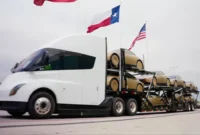
Tesla has officially integrated its futuristic all-electric Cybertruck with the Powerwall 3 home energy storage system, enabling a unified backup configuration designed to keep residential properties powered for multiple days during grid outages. This long-awaited feature fulfills a promise originally made by the company during the pickup truck’s high-profile delivery event in November 2023. By combining the massive battery capacity of the Cybertruck with a residential Powerwall, homeowners gain a formidable buffer against severe weather events, rolling blackouts, and grid instability.

The update was formally announced via the official Cybertruck social media account on X, stating that the Powerwall 3 and the vehicle can now operate in tandem to seamlessly sustain a household’s electrical loads. According to official estimates provided by the company, this integrated pairing extends home backup capabilities by more than three days under standard usage conditions—an energy reserve roughly equivalent to installing nine additional standalone Powerwall units. Cybertruck lead engineer Wes Morrill corroborated the rollout, emphasizing that this marks a milestone as the first time a production electric vehicle and a stationary home battery have been engineered to collaborate in this specific capacity.
A History of Delays and Technical Challenges

The path to bringing Powershare home backup integration to life has been characterized by iterative development and missed timeline targets. When Tesla launched the Cybertruck in late 2023, the vehicle debuted with basic Powershare functionality, allowing owners to run power tools, household appliances, or even charge another electric vehicle directly from the 120V and 240V outlets located in the truck bed.
Full home backup integration took longer to materialize. A dedicated Powershare Gateway and Universal Wall Connector solution arrived in 2024, followed by an expansion of support for homes equipped with solar energy systems in 2025. However, owners who had already invested in Tesla’s stationary home storage ecosystem found a noticeable gap: Powershare operated as an isolated island, unable to interface harmoniously with an existing Powerwall. Instead of working together to optimize household energy management, the two power sources effectively competed for the same role during an emergency.

Tesla initially indicated to customers in October 2024 that Powerwall integration would arrive sometime in 2025. As that window closed without a release, the company revised its target to mid-2025 and subsequently delayed it further. Addressing the community regarding the holdup, Wes Morrill explained that coordinating two independent grid-forming devices presents unique engineering hurdles. Specifically, the vehicle and the home battery must constantly negotiate to determine which unit manages the home’s microgrid during an outage. Certifying this complex, bidirectional communication protocol across multiple iterations of Tesla’s home battery hardware ultimately required more validation time than anticipated.
The rollout currently prioritizes the newest generation of home storage. Compatibility for older hardware, specifically the Powerwall 2 and Powerwall+, is slated to roll out later in the year, according to statements from both the official Cybertruck account and engineering leadership.

Technical Implications and Real-World Utility
The ability to daisy-chain an electric vehicle’s high-voltage architecture with a stationary residential storage unit offers practical advantages for homeowners in disaster-prone regions. A standard single Powerwall installation typically provides roughly one day of essential home backup under typical load profiles, a duration that can shrink rapidly during extreme weather events such as winter freezes, prolonged heat waves, hurricanes, or severe wildfire seasons.

While adding a second Powerwall to an existing home setup requires a significant financial investment running into thousands of dollars for hardware and professional installation, the Cybertruck leverages an asset that many owners already possess in their garages. With a battery pack capacity scaling into the upper double-digit kilowatt-hours, the truck acts as a massive mobile power station. Integrating it directly with the Powerwall 3 allows households to keep critical systems—such as refrigerators, HVAC systems, lighting, internet routers, and medical devices—operational for extended periods without requiring expensive supplemental home battery infrastructure or technician visits.
Beyond domestic emergency preparedness, Tesla has been aggressively expanding the broader energy utility of the Cybertruck platform. Earlier iterations of the vehicle’s energy software paved the way for Vehicle-to-Grid (V2G) pilot programs, such as the Powershare grid support initiative launched in Texas. That program enables participating Cybertruck owners to discharge stored energy back into the local utility grid during peak demand events, positioning the vehicle as an active participant in regional load balancing rather than a passive consumer.
A Constantly Evolving Platform
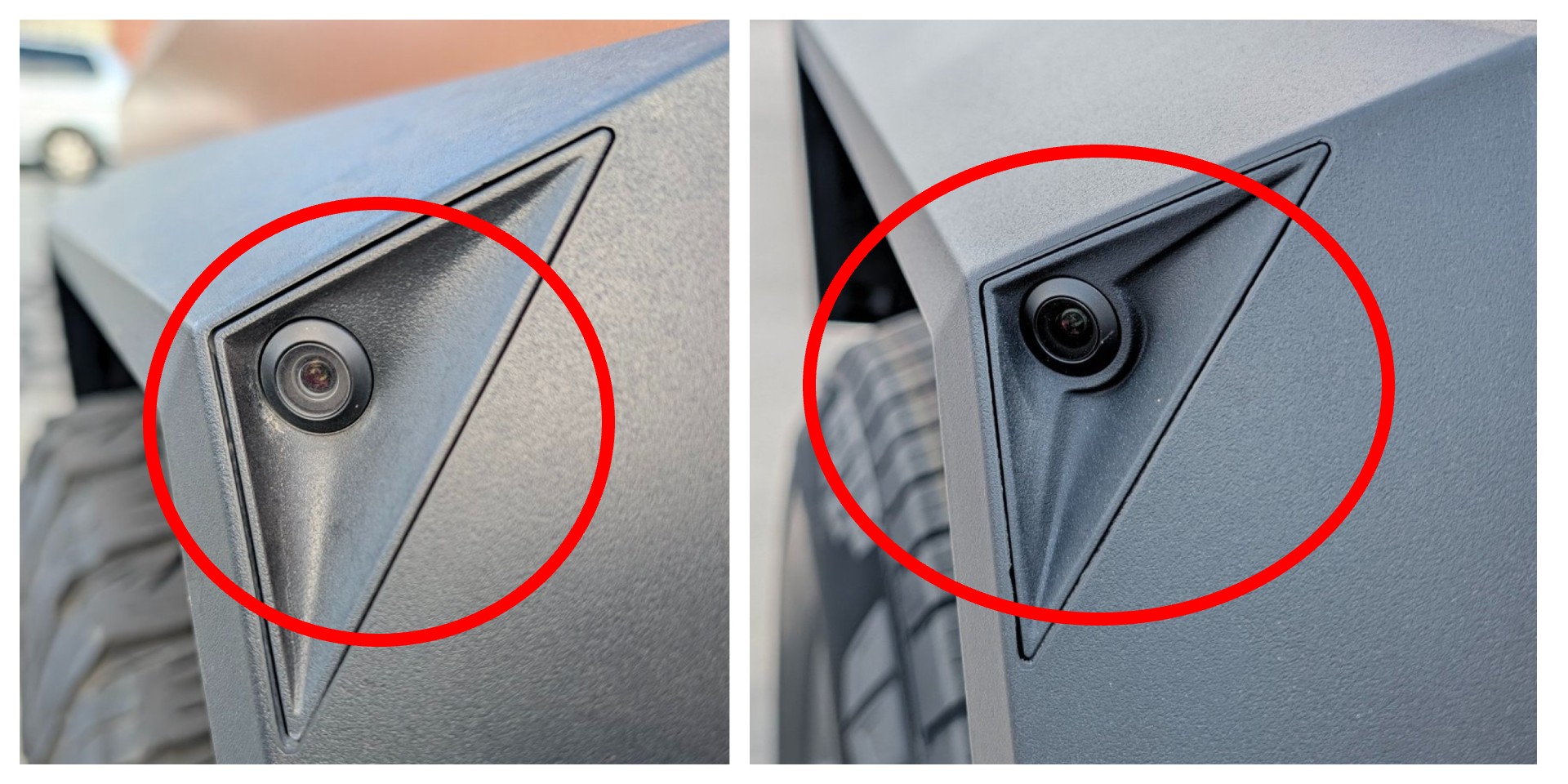
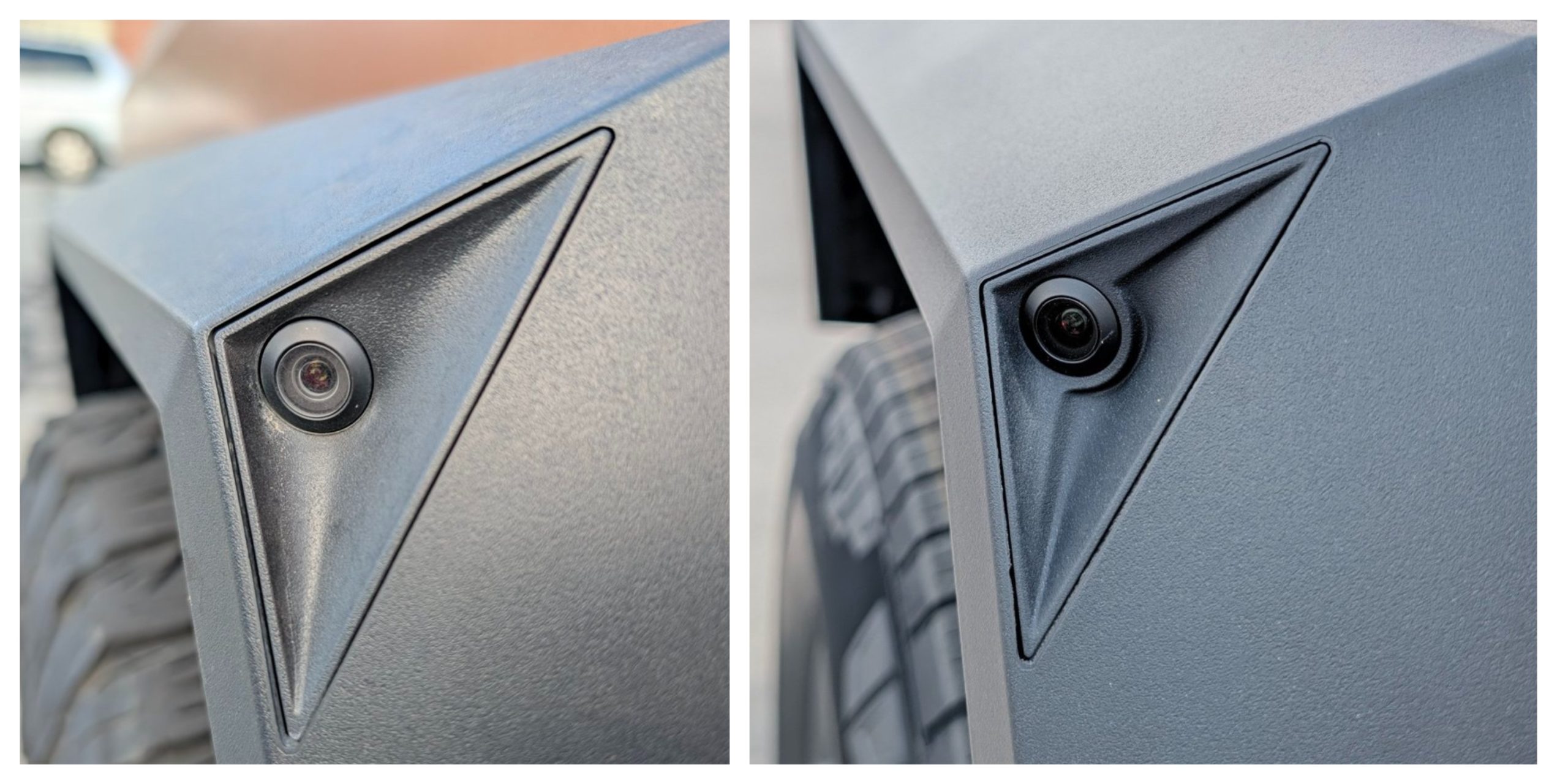
The deployment of the Powerwall 3 integration arrives alongside a broader wave of engineering refinements at Tesla’s Gigafactory Texas. Rather than adhering to traditional automotive industry practices of reserving sweeping structural and mechanical updates for annual model-year refreshes, Tesla treats the Cybertruck as a continuously evolving product. Recent engineering updates implemented on the production line include replacing the traditional aluminum underbody aero shield with a lighter, more durable, and more cost-effective self-reinforcing polypropylene material. Additionally, Tesla recently updated the geometry of the vehicle’s side repeater camera housings, utilizing passive aerodynamic airflow to keep lenses clear of rain and road spray during wet weather without adding complex, failure-prone active washer systems.
These structural and software enhancements highlight Tesla’s ongoing strategy to refine the Cybertruck’s usability, reliability, and manufacturing efficiency long after volume deliveries have commenced. For early adopters who experienced delays regarding home energy integration, the arrival of the Powerwall 3 Powershare update closes a prominent chapter of owner feedback, cementing the Cybertruck’s dual identity as both a rugged utility vehicle and an integral node in the modern residential smart grid.